
Review · LISBON CITY TOURS
Secret Lisbon Walking Tour
Lisbon has a second, darker map.
This Secret Lisbon Walking Tour strings together the city’s hidden layers, with stop after stop tied to spies, freemasons, cemeteries, and other stories classic routes usually skip. The walk even ends at Praça do Comércio, where the former royal palace once stood, so you get a satisfying sense of place instead of just a list of sights.
I love two things most. First, you get access to unusual interiors and off-the-radar sites, including a monastery setting with a secret crypt and a later stop inside the storied Independence Palace area. Second, the small group format, limited to 8 people, makes it easier to ask questions and stay close to the guide’s explanations without feeling rushed.
One thing to consider: this is real walking, on older Lisbon streets, and some of the historical material is heavy (including violence against Jewish communities). If mobility is an issue, or if you want only light, upbeat stories, you might want to skip this one.
Why 2.5 Hours Feels Like an Education in Shortcuts
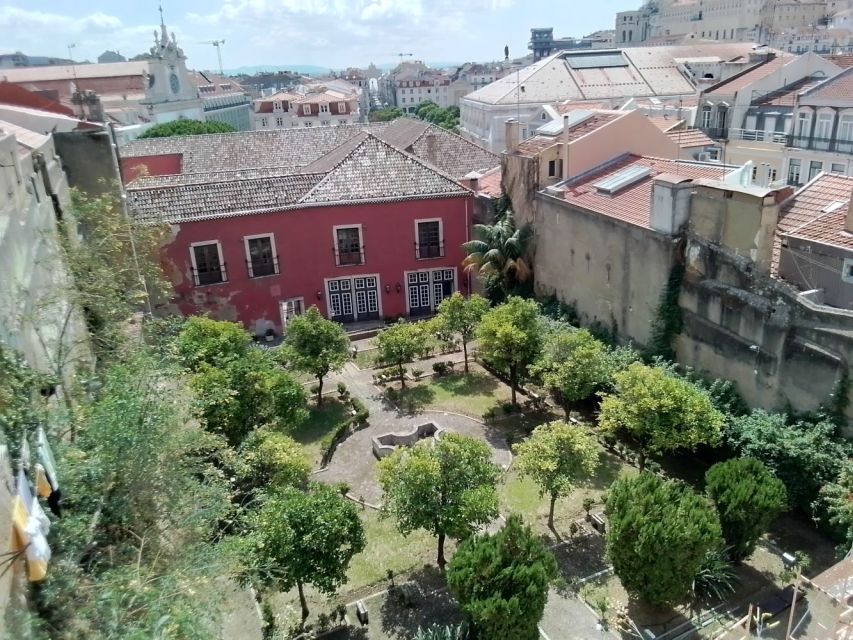
This is built for people who want Lisbon in layers, not in blocks. In 2.5 hours, you move through Roman echoes, medieval corners, and 20th century shocks, and it all connects back to how Lisbon became Lisbon.
The small group size matters. With a limit of 8 participants, you are less likely to get herded. You also get more back-and-forth time, especially since the tour runs with a live guide in French or English.
It is also a smart length. Much longer tours can blur. This one keeps you moving, so details stay sharp and the stories do not start to melt together.
Nossa Senhora da Graça: Monastery Crypt Secrets and a 2017 Shock
The tour starts with medieval Lisbon at Nossa Senhora da Graça, the kind of place you might not pick out on your own unless you already know what to look for. You do not just see the church setting, you hear how the monastery connects to later discoveries and hidden spaces.
A big moment here is the mention of a jaw-dropping discovery in 2017. Even if you are not a history nerd, that detail changes how you look at the site, because it frames the monastery as something still “revealing” itself.
You also get a secret crypt stop, plus a walk that goes over graves hidden near the monastery area. That combination is why this tour feels different from standard sightseeing. You are walking where the city actually buried parts of itself, not just photographing pretty walls.
You can also read our reviews of more walking tours in Lisbon



Freemasons, Street Art, and the Old Lisbon You Can Still Read
After the monastery area, the tour shifts from sacred to secret. You pass an old freemason hangout, and the guide ties it to the kind of networks people used when they needed privacy.
Then comes a quick hit of street art, which works well as a contrast. It reminds you that secrets are not only underground in Lisbon. They show up in the way the city speaks in symbols on the surface too.
If you like your Lisbon explanations to have mystery built in, this section is a good match. If you prefer purely chronological history, you might find the blend of themes slightly jumpy, but the overall narrative stays coherent.
Mouraria and the Spot Where Fado Took Root
Next you head toward Mouraria, one of those neighborhoods that feels like a living puzzle. Here you visit the spot tied to where the city’s great Fado music started about 200 years ago.
This is not just music trivia. The guide uses the location to show how art, street life, and migration shaped Lisbon. It is the kind of stop that makes you want to listen to Fado later, because you start hearing the city behind the notes.
You also add another medieval cemetery into the mix. That keeps the tour anchored in real places where people once lived, died, and were remembered in stone and soil.
Lisbon’s Oldest Well, Now Hiding in a Hotel
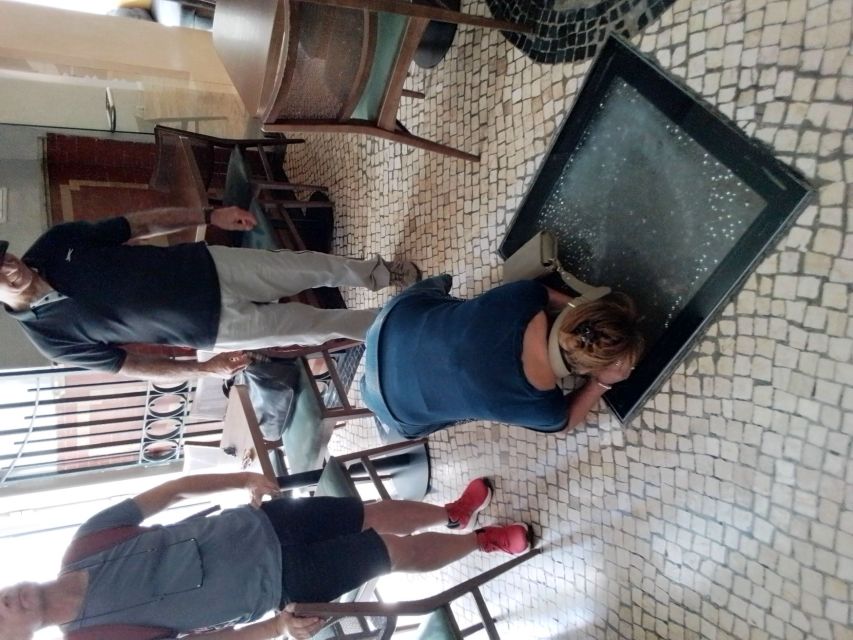
One of my favorite “wait, how do I not know this?” moments on the walk is the city’s oldest well. It is now tucked away inside a hotel, which is a perfect example of how Lisbon’s best stories are often hiding in plain sight.
This stop works because it feels practical. You learn something tangible about how everyday life and water shaped the city, even as modern buildings changed the ground plan.
If you enjoy urban archaeology vibes, you will like how the guide points out what to notice. You start scanning for clues instead of only stopping to look.
Doll’s Hospital and the Secret Door Moment
The tour then hits a truly unusual attraction area, the Doll’s Hospital. The payoff here is not just the idea of repaired dolls, it is the atmosphere of a long-running odd institution tied to Lisbon’s past.
You also get to view a secret door, and that detail is a big part of why this tour attracts people who hate generic tours. The guide uses it to connect the present setting to older patterns in how buildings and people were organized.
There is one choice built into the experience. Your entry is included for either Independence Palace OR Doll’s Hospital. If you are choosing based on your personality, pick Doll’s Hospital if you like stranger stories, and pick Independence Palace if you prefer power, gardens, and ceremonial architecture.




Independence Palace Secret Garden, plus Roman and Medieval Layers
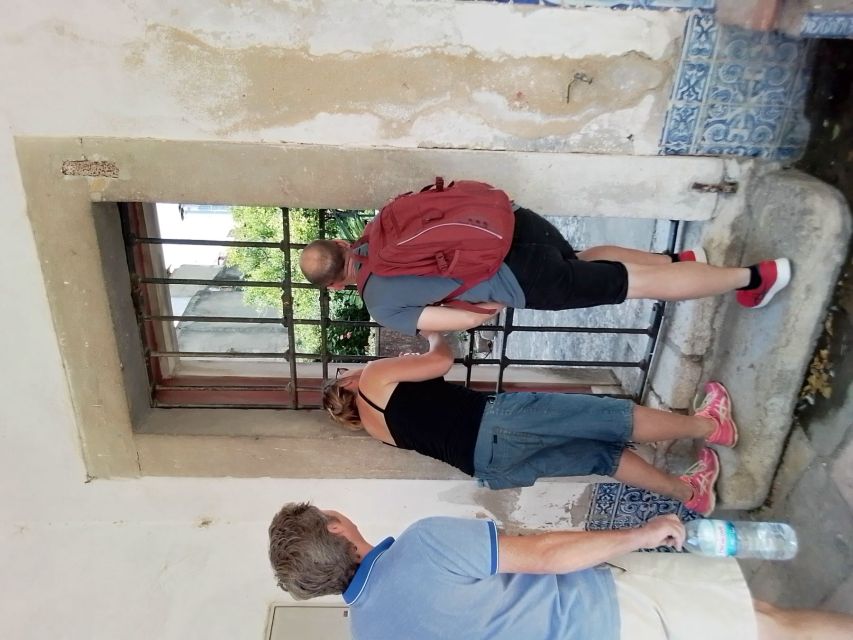
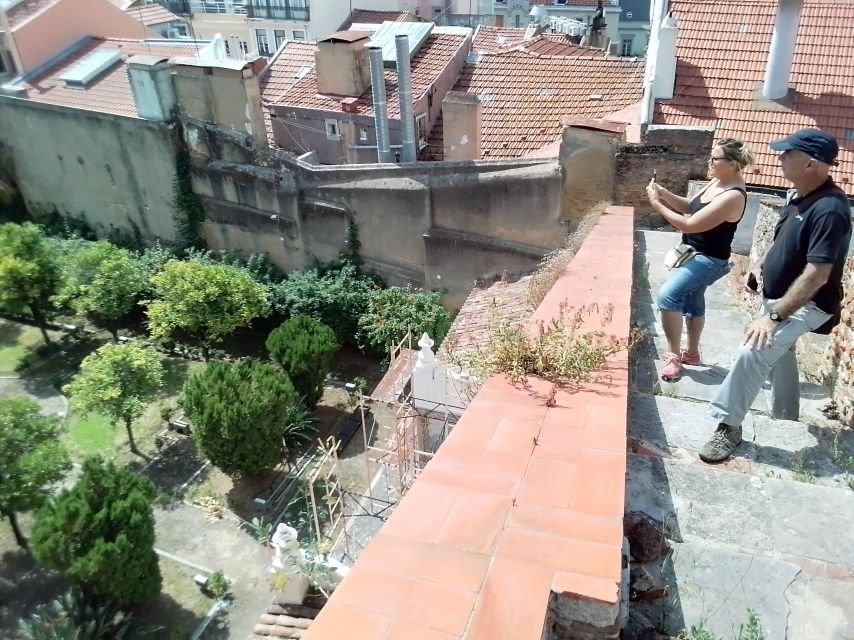
At some point you enter the Independence Palace with its secret garden. Very few people see this kind of space, so it feels like a reward for sticking with the walk instead of ducking out after the first big landmark.
Before that, you also see the site of the Roman hippodrome and a medieval hospital. That sequence helps you understand how the city kept reusing and reshaping older ground. You stop thinking of Lisbon as “one era” and start seeing it as a palimpsest.
I like this part because it gives you a sense of continuity. The guide shows how different institutions, from Roman entertainment to medieval healthcare and royal power spaces, all left physical traces. You get the feeling that Lisbon’s layers are not decorative, they are functional.
1506 Violence and the Burned-Out Dominican Church
The tour does not avoid the hard chapters. Outside around Largo dos Domingos I, you hear about the great massacre of the city’s Jews in 1506, and you visit the burned-out Dominican Church.
That is heavy material, and it is presented as part of Lisbon’s real history, not as a scary story for shock value. If you can handle somber topics, this stop makes the tour more meaningful, because it connects secrecy and power to what happens to real people.
If you know you want only light sightseeing, this is the point where you might feel the mood shift. The good news is that the guide usually keeps it clear and grounded, so you are not left guessing or overwhelmed.
Rossio Square, WWII Spies, and a Roaring 20s Nightlife Story
Near Rossio Square, the tour turns to 20th century tension. You hear stories of spies and Jewish refugees who used the cafes around the square during World War II.
It is a powerful idea, imagining those cafes as safe and ordinary places while the city’s shadow story unfolded just outside. This stop also helps you understand why Lisbon’s street corners matter. They are not just scenic, they are historical meeting points.
Then the walk continues down one of Lisbon’s oldest streets, one that goes back to Roman times. Here the guide brings in the Roaring 20s era, including casinos and nightclubs that shaped Lisbon’s nightlife identity. It is a fun contrast after the heavier stops, and it helps the tour end with energy instead of gloom.
Ending at Praça do Comércio, Where the Former Royal Palace Used to Stand
The finish at Praça do Comércio feels like a payoff. You arrive in a big, open space after weaving through tight streets and hidden doors, and your sense of scale changes.
The guide ties the location back to the former royal palace site. That link helps you connect what you just learned about power and institutions to the kind of civic space Lisbon built when it wanted to show itself to the world.
If you want a practical tip, take a moment here to orient yourself before heading off for lunch or a tram ride. This square gives you clean wayfinding, and after 2.5 hours it helps your brain lock in the geography.
Price and Value at $41 for a Small Group with Real Access
At $41 per person for a 2.5-hour walk, this is priced like more than a basic guided stroll. You are paying for two things: a small group experience and access to spots you may not find easily on your own.
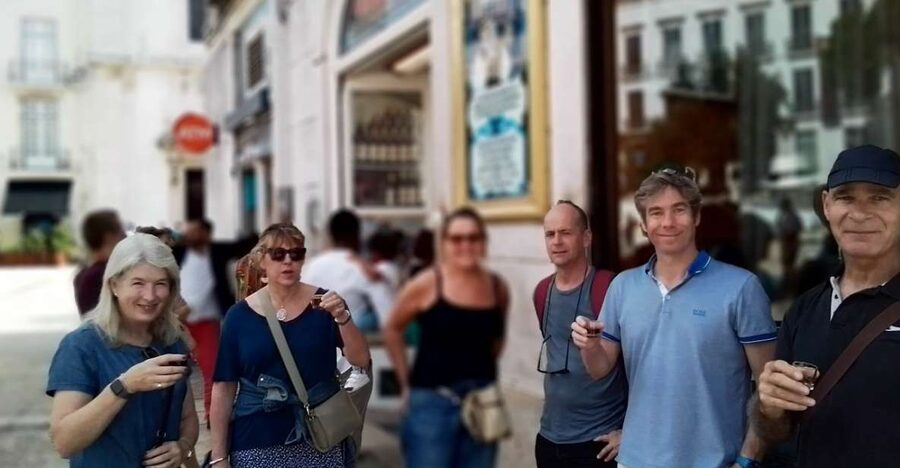
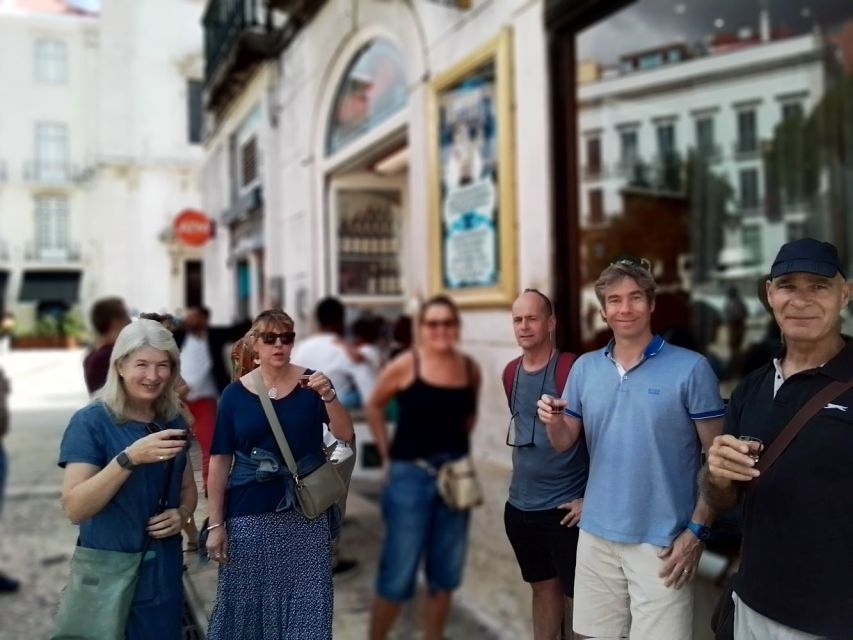
Your included access depends on the option you book, with entry to either Independence Palace OR Doll’s Hospital. You also get a Pastel de Nata or ginginha as part of the experience, which is a nice touch for a tour that otherwise focuses on secrets and stories.
You also get a practical flexibility layer, since you can reserve now and pay later, and there is free cancellation up to 24 hours in advance. That matters if your plans are still shifting, or if you are trying to fit one more activity into a short Lisbon stay.
Who gets the best value? People who like stories with specifics, and who want to see Lisbon beyond the usual postcard route. If your goal is only the biggest famous landmarks, you may feel this tour takes you too far into side streets. But if you enjoy “how did this place work, who used it, and what happened here,” it is a solid buy.
Who Should Book This Tour, and Who Should Skip It
This tour is a good match for couples, solo travelers, and small groups who like history with a little mystery. It also fits people who enjoy architecture details, because the guide repeatedly connects physical places to the stories you hear.
It is not suitable for children under 5, and it is not designed for people with mobility impairments. If you are unsure, take a moment to think about the walking you are comfortable with and how you handle uneven streets.
If you get offered the guide option in French or English, choose the language you can follow most comfortably. The experience depends a lot on the guide’s pacing and story delivery, and the guide’s live format is a big part of why this stays engaging.
Should You Book Secret Lisbon Walking Tour?
Book it if you want Lisbon with plot twists. This is the kind of walk where you learn about crypts, secret garden spaces, freemason hangouts, Fado origins, and even nighttime Roaring 20s energy, all in one coherent route that ends in a real civic landmark.
Skip it if you want only bright, easy sightseeing or if you cannot handle heavier historical topics. It is also best for travelers who enjoy walking and standing for a couple of hours.
If your Lisbon plan has room for one guided experience that goes beyond the obvious, this is a strong choice for your time.
FAQ
How long is the Secret Lisbon Walking Tour?
The tour lasts 2.5 hours.
What is the group size for this walking tour?
It is a small group, limited to 8 participants.
What languages are available with the live guide?
The tour is offered with a live guide in French and English.
What does the tour price include?
Entrance is included for either Independence Palace or Doll’s Hospital, plus a Pastel de Nata or ginginha.
Where does the tour end?
The tour concludes at Praça do Comércio, the former site of the Royal Palace.
Can I cancel for a full refund?
Yes. You can cancel up to 24 hours in advance for a full refund.
Do I have to pay right away to reserve my spot?
No. You can reserve now and pay later, meaning you pay nothing today.
Is the tour suitable for young children or limited mobility?
It is not suitable for children under 5, and it is not suitable for people with mobility impairments.
More Walking Tours in Lisbon



More Tours in Lisbon





More Tour Reviews in Lisbon
Not for you? Here's more nearby things to do in Lisbon we have reviewed











Lisbon City Tours, side by side.
 ★ 5.0Lisbon City Center Tour – The Unmissable LisbonTickets from $322,234 traveller reviews
 ★ 4.7Sintra, Pena, Regaleira, Cabo da Roca & CascaisTickets from $2319,656 traveller reviews
 ★ 4.1Jerónimos Monastery Entrance TicketTickets from $2114,164 traveller reviews
 ★ 4.8History, Stories and Lifestyle Walking TourTickets from $2910,902 traveller reviews
 ★ 4.5Sunset Boat Party Cruise with DJ and Open BarTickets from $2710,378 traveller reviews
 ★ 4.7Pena Palace, Sintra, Cabo da Roca, & Cascais DaytripTickets from $919,981 traveller reviews
 ★ 4.6Oceanário de Lisboa Entrance TicketTickets from $299,943 traveller reviews
 ★ 5.0True 4Hour Private Tuk Tuk Tour: Discover Lisbon with a Local!Tickets from $1088,008 traveller reviews
More useful lists for this tour