
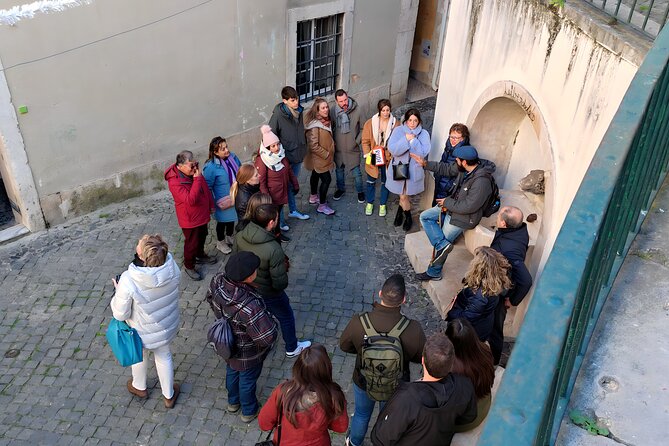
Review · ALFAMA TOURS
Alfama Tour in Lisbon Old Town
Lisbon’s Alfama feels like a living maze. This 2.5-hour walking tour threads you through old streets, iconic miradouros, and centuries of local lore, guided in English. I also like that the tour is pay what you want, so you are not locked into a stiff price for a quick hit of sightseeing.
What really makes this one work is the mix of stops you might miss on your own, from fountains to plazas to the edges of old walls. You get plenty of story time, and guides such as Hugo and Cecelia have been singled out for turning details into something you actually remember.
The main consideration is physical. Expect steep grades and lots of stairs, so wear solid shoes and plan for a slower pace in the uphill stretches, especially if you are not used to Lisbon hills.
Key highlights worth aiming for
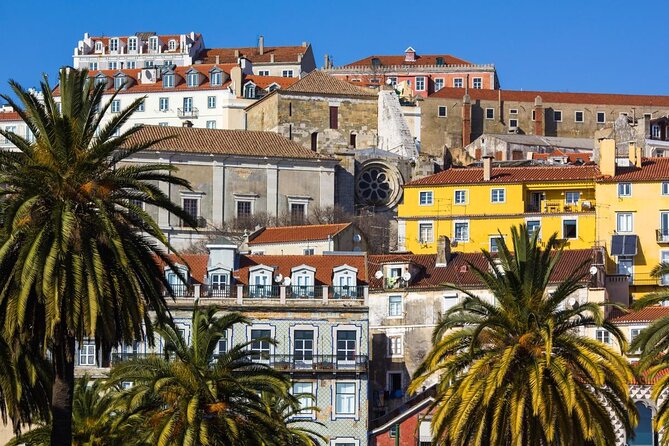
- Pay-what-you-want in a small group (up to 25), with English guidance and a mobile ticket
- Three classic viewpoint stops, including Portas do Sol, Santo Estêvão, and Santa Luzia
- Old Alfama fountains and plazas, tied to medieval water systems and the Fernandina wall
- Church stops tied to local traditions, including the area used for Popular Saints festivities
- Guide storytelling that goes past street facts, with examples like Fado and saudade from guides such as Hugo
Why this Alfama walk feels different from a checklist tour
Alfama is the part of Lisbon where postcards stop being enough. The streets twist, walls seem to appear out of nowhere, and every turn hints at someone else’s era. This tour leans into that feeling by building the walk around landmarks that connect to the district’s older layout, especially water sources and viewpoints.
I like that it is not just a photo tour. The structure gives you enough time at each stop to listen, ask questions, and get your bearings in a neighborhood that can otherwise swallow your sense of direction.
And since it is tip-based, the guide’s performance matters. The reviews show a clear pattern: guides like Laura, Jessica, Belen, and Nina get called out for pacing, answering questions, and making architecture and street history make sense without a lecture vibe.
You can also read our reviews of more tours and experiences in Lisbon.

Price and value: cheap base, real worth in the tip
The listed price is low, about $3.62 per person, but this is not meant to be a fixed fee experience. It is pay what you want, and a tip at the end is welcomed and expected.
Here is the practical way to think about value: you are paying for a guide who can help you read Alfama while you walk it. If you show up, listen, and get value from the context, you should budget for a meaningful tip. If you want a strict “cheap and done” sightseeing model, this one may feel like it is nudging you to pay fairly for the effort.
Also, note the one clear paid element that can add cost: Lisbon Cathedral is referenced as not included, and entry there is listed as 5€. The rest of the stops are free, including the fountains and viewpoints.
Starting point: where you meet and how to get oriented fast
You meet at R. dos Bacalhoeiros 12A, 1100-070 Lisboa. It is near public transportation, which is a big deal in Alfama, where getting turned around can cost you time. The tour ends in a different location, so plan to keep your phone charged and your next step flexible.
If you are coming late, this can be a time trap. Reviews mention that starts can be easy to miss, especially in a cluster of churches nearby. Your best move is to look for the guide setup early and be ready to confirm you have the right group.
Stop 1: Casa dos Bicos and the blue umbrella vibe
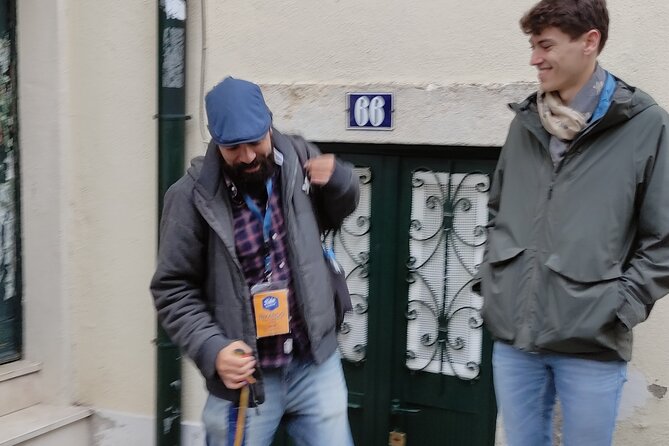
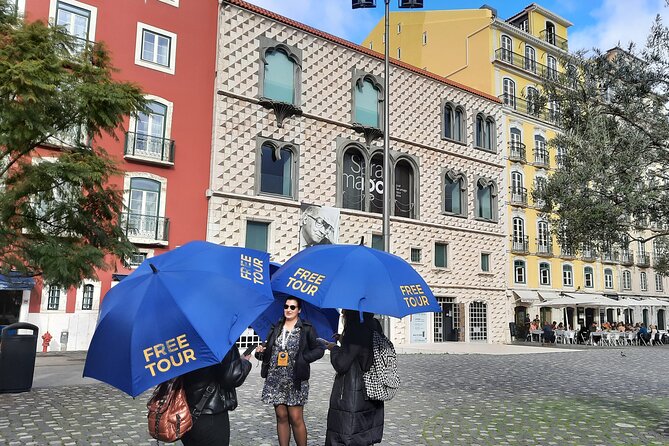
The walk kicks off around Casa dos Bicos, Museu de Lisboa, and the tip is simple: look for the blue umbrellas. This is a useful opener because it gives you a recognizable landmark to anchor your route before you start threading through smaller lanes.
You get about 15 minutes here, and admission ticket is not included. That matters if you were hoping to step inside right away. Think of this stop as a “start your story here” moment, not a full museum visit.
Why this works: it helps you shift from wandering to learning. Once you have the opening context, the rest of Alfama starts to click.
Stop 2: Chafariz d’El Rei, medieval water in plain sight
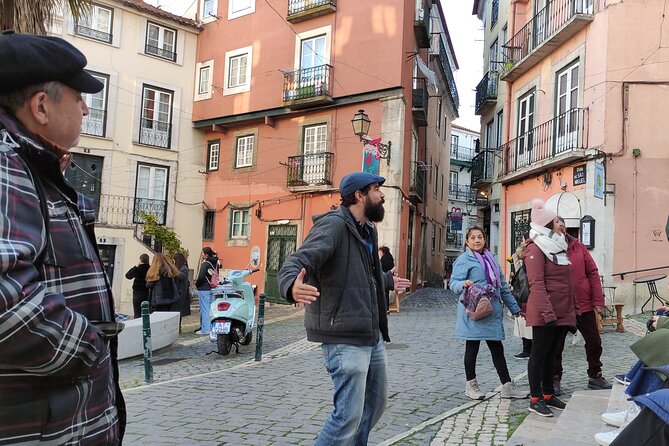
Next up is Chafariz d’El Rei, a fountain tied to early public water in Lisbon. The big idea here is that the hillside water system shaped where people gathered and how neighborhoods functioned.
This one is short, around 10 minutes, and it is free. The upside is you can focus on what it means historically without feeling stuck at one place. The caution is that fountains can look similar if you are rushing, so use the guide’s explanation to connect the fountain to the hillside and the older street logic.


Stop 3: Largo do Chafariz de Dentro and the Fernandina wall link
Then you hit Largo do Chafariz de Dentro, a central plaza in Alfama. The history angle is that it was once called Chafariz dos Cavalos (Horse Fountain), and the current name ties to its position inside the Fernandina wall.
It is another 10-minute stop and free. The payoff here is mental map building. Even if you never plan to study walls and street layers, this kind of explanation helps you understand why Alfama looks the way it does: old defenses and water points shaped the neighborhood’s spine.
If you are the type who gets impatient with “history talk,” this is still worth it because you will feel the logic when you keep walking.
Stop 4: Largo de São Rafael, old wall atmosphere
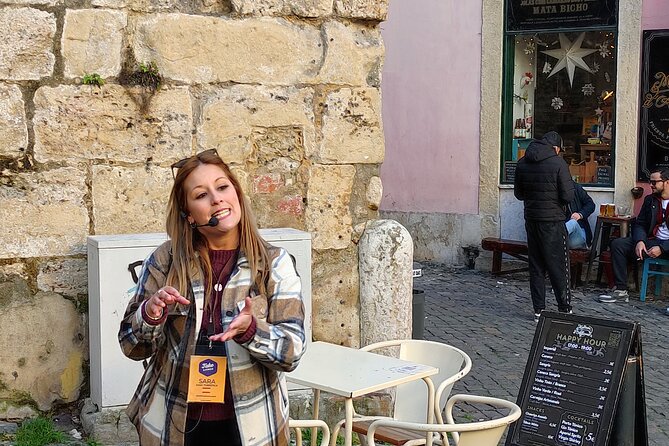
Largo de São Rafael sits next to ancient walls, and the tone is more reflective than factual. It is a 10-minute stop and free.
This is one of those moments that matters because Alfama can feel like constant movement. A short pause near the walls gives your legs a break and gives your brain time to absorb what you have already learned. If you are trying to balance sightseeing with comfort, this is a good stop to slow down and take a breather.
Stop 5: Largo do Salvador, where stories cross cultures
Next is Largo do Salvador, another free plaza stop with a storytelling focus. You get about 10 minutes here, and the purpose is to connect cultural threads to the everyday shapes of the neighborhood.
Some guides add extra layers through their narration. One review highlighted how stories can connect Lisbon to broader chapters like colonization, dictatorship, music, and migration, using Alfama as the “place where you can see fingerprints of change.”
This stop is easy to skip if you are only after landmarks. Don’t. This is where the tour shifts from “what is this” to “why does this matter.”
Stop 6: Igreja de São Miguel and Popular Saints festivities
You then reach Igreja de São Miguel, a key church and square tied to the Popular Saints festivities. Expect about 15 minutes here, free of charge.
This is a practical stop even if you are not traveling during festival season. Churches and squares are where Lisbon’s rhythm lives, and guides often use them to explain why communities gather where they gather.
If you care about architecture, this is also a good place to look upward and notice materials and details while someone explains what you are seeing.
Stop 7: History of Lisbon mural by Nuno Saraiva
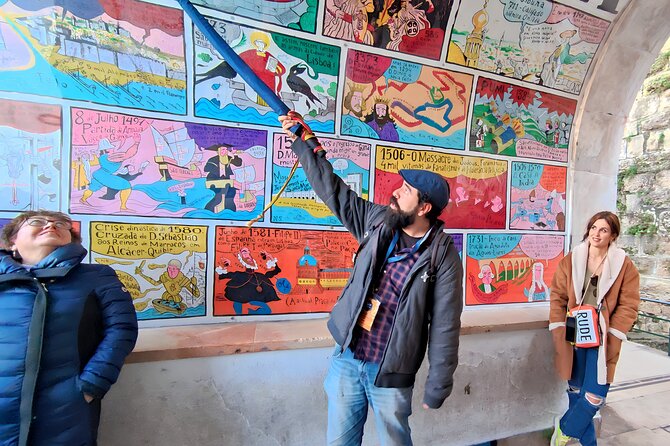
A brief 10-minute stop follows at the History of Lisbon mural by Nuno Saraiva. It is free, and it functions like a visual timeline.
Why murals help: you get a second way to understand the city beyond spoken explanation. Even if you only catch part of the story during the walk, a mural sticks because you can re-find it in your memory when you later look at the city map.
Stops 8 to 10: Miradouros, the Alfama balconies you came for
Here is the part you feel in your body, then remember in your photos: the viewpoints.
Miradouro de Santo Estêvão
You walk through the mazy Alfama lanes and reach the Church of Santo Estêvão Viewpoint. Plan about 15 minutes. Free entry, and the value is in the route, not just the view.
Miradouro das Portas do Sol
Then comes Miradouro das Portas do Sol, described as one huge balcony overlooking Alfama. Around 10 minutes, free.
This is a classic spot for a reason. If you have not figured out which streets you walked, this viewpoint often makes the neighborhood legible again.
Miradouro de Santa Luzia
Finally, Miradouro de Santa Luzia gives a more romantic terrace feel. About 10 minutes, free.
My advice here is simple: pick one framing and stick with it for a few minutes. If you rush, you will end up with photos that look like you sprinted through a dream.
Stop 11: Lisbon Cathedral (Sé de Lisboa) outside focus, entry not included
You end near Lisbon Cathedral, Sé de Lisboa, the oldest and most important church in the city, with construction dating back to the 12th century. Expect about 15 minutes, and you will not go inside. Entry cost is listed as 5€ and is not included.
This is where you should decide what you want. If you only care about seeing the neighborhood context, the exterior stop is enough. If you want interior time, you would need to arrange separate entry, since this tour does not include it.
It is also a good place to learn why the cathedral matters in Lisbon’s story. Even without stepping inside, the setting gives you a strong sense of the district’s spiritual and civic importance.
Stop 12: Church of St. Anthony, a fitting final note
The final stop is Church of St. Anthony, with the idea that you are in front of Lisbon’s “most cherished saint.” It is about 15 minutes and free.
This last church stop works because it adds a local, personal ending rather than cutting straight to an exit. If you are already thinking about food, music, and local rhythm, this is a gentle way to close the loop.
The guide factor: why names like Hugo and Belen keep showing up
This is one of those tours where the guide changes the experience from “nice walk” to “I get it now.” Reviews repeatedly praise guides for storytelling clarity and for shaping how you see the area.
A few examples you can use to choose what to look for:
- If your guide is Hugo, you might hear extra cultural threads like Fado and an explanation of saudade, plus a broader sweep through Alfama’s layered past.
- If your guide is Cecelia, Belen, Cláudia, or Laura, reviews highlight strong narration, architecture and history explained clearly, and good group pacing.
- Some guides also sing or add performance energy. Cecelia is mentioned for being entertaining, even as a singer.
You can’t control which guide you get, but you can control how you show up. Bring questions. When the guide slows down for shade or safer footing, take the moment, not your phone.
Food and drink: no inclusions, but ginjinha may appear
The tour explicitly does not include food or beverages. That said, several reviews mention ginjinha tasting, including a doorway stop and one named seller, Dona Alice, described as selling homemade ginjinha in chocolate cups.
So the practical takeaway is this: you may get a chance to try it, but you should expect to pay on your own. Bring a small amount of cash or a card you trust, just in case you want to join the tradition.
If you have dietary limits, plan to skip tastings without feeling awkward. A good guide will work around your choice.
How hard is it really? Steep hills, smart pacing, and shoe choice
Moderate physical fitness is suggested. Based on review feedback, the real challenge is the combo of steep grades and lots of stairs.
To handle it well:
- Wear walking shoes with grip.
- Pace yourself on the first uphill climb. If you burn out early, the viewpoints feel like punishment.
- If you need breaks, take them. Reviews note that some guides were patient and adjusted pacing for older walkers and mixed groups.
If you are traveling with someone who hates stairs, this may not be their favorite Lisbon experience. But for many people, the payoff at the miradouros makes the climb worth it.
Who this tour suits best
This is a great fit if you:
- Want an English-guided walking tour that teaches as you go
- Enjoy neighborhoods with real street texture, not just big monuments
- Want viewpoint time without doing the hard work of figuring out routes
It might not be ideal if you:
- Need a fully accessible itinerary with minimal stairs
- Want a tour that includes a meal or long breaks with food
- Are looking for a short, flat stroll
Quick FAQ
FAQ
How long is the Alfama tour?
It runs about 2 hours 30 minutes (approx.).
What time does the tour start?
The provided start time is 3:30 pm. The tour also offers morning or afternoon time choices.
Where do I meet the guide?
The meeting point is R. dos Bacalhoeiros 12A, 1100-070 Lisboa, Portugal.
Is the tour in English?
Yes, it is offered in English.
Does the tour include tickets or entry fees?
Lisbon Cathedral entry is not included and is listed as 5€. Other listed stops are free, and admission ticket details are noted per stop.
Are food and drinks included?
No. Food and beverages are not included.
What kind of ticket do I get?
You get a mobile ticket.
How big is the group?
The maximum group size is 25 travelers.
Is the tour difficult?
You should have a moderate physical fitness level, and expect steep walking grades and stairs.
Are service animals allowed?
Yes, service animals are allowed.
Should you book this Alfama tour?
I think you should book it if you want a guided Alfama walk that makes the neighborhood readable. The combination of free viewpoints, fountain history, church and plaza stops, and guide storytelling is exactly what helps you enjoy Alfama instead of just surviving it.
If your number one goal is to minimize walking effort, you might choose a different Lisbon plan. But if you can handle hills with good shoes, this is a strong use of an afternoon, and the tip-based approach means the experience is more about the guide you get than about a rigid script.
More Tours in Lisbon





More Tour Reviews in Lisbon
Not for you? Here's more nearby things to do in Lisbon we have reviewed



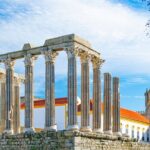





Alfama Tours, side by side.
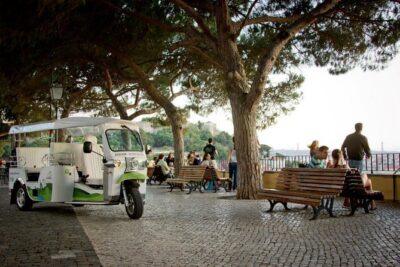 ★ 5.0Private Lisbon Sightseeing Tuk-Tuk Tour: Alfama, Belém & MoreTickets from $524,277 traveller reviews
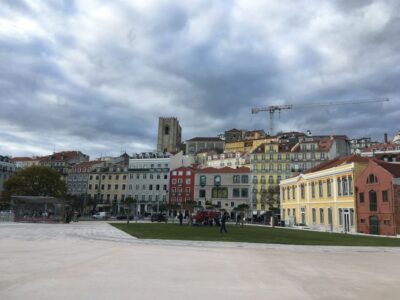 ★ 4.8Hills, Alfama, and Mouraria Tour by Electric BikeTickets from $253,438 traveller reviews
 ★ 4.9Best of Lisbon Walking Tour: Rossio, Chiado & AlfamaTickets from $232,700 traveller reviews
 ★ 5.0Lisbon Small-Group Food Tour with 18 Tastings in Alfama DistrictTickets from $1261,967 traveller reviews
 ★ 4.5Lisbon E-Bike Tour Commerce Square, Mouraria and AlfamaTickets from $301,688 traveller reviews
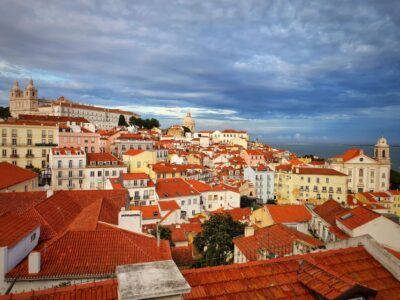 ★ 5.0Old Town TukTuk Tour and Scenic Viewpoints in AlfamaTickets from $35974 traveller reviews
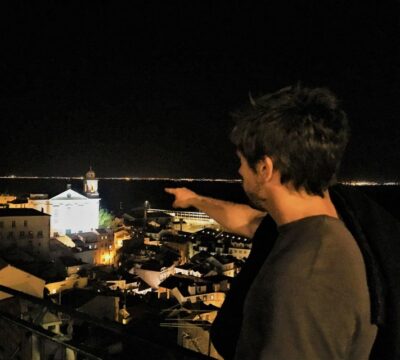 ★ 4.4Alfama Tour and Live Fado with Traditional DinnerTickets from $58970 traveller reviews
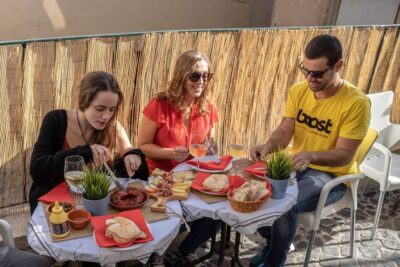 ★ 4.8Segway Food Tour of Alfama and Old Town LisbonTickets from $90770 traveller reviews
More useful lists for this tour