
Review · LISBON CITY TOURS
Winner 2025 Undiscovered Lisbon Food & Wine Tour by Eating Europe
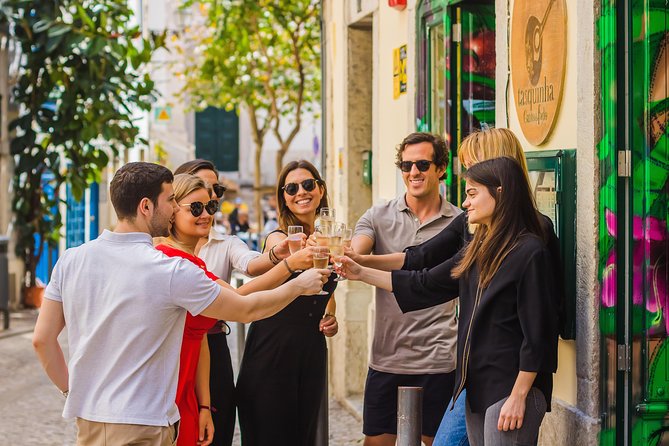
Lisbon tastes better when you have a map. This 3.5-hour small-group food and wine tour strings together classic taverns, Mouraria’s multicultural lanes, and a stop at a top Fado house setting. You get seven tastings across five eateries, with history told while you eat, not after you’re already full.
Two things I really like here are the lineup of dishes, from bifana to codfish at a Fado house, and the way the guide ties the food to Lisbon’s neighborhoods, like Moorish influence and the Fado birthplace area of Mouraria. One practical drawback to plan for: expect some stairs and hill walking, and the tour ends in a different spot than where you start.
Key takeaways before you go

- Seven tastings, five eateries: you actually sample a broad range, not just a couple of token bites.
- Mouraria focus: you’ll spend real time in Lisbon’s oldest, multicultural lanes, tied to Fado’s origins.
- Fado-house time with food: VIP access happens while you’re eating Portuguese classics.
- Easy-to-skip decision points: most drink pairings are optional within your tastings, but extra drinks cost extra.
- A thoughtful finale: you’ll end with pastel de nata no matter where the tour finishes.
Praça dos Restauradores: where the walking tour vibe starts
The meeting point is Praça dos Restauradores, right in the downtown orbit where it’s easy to connect by public transportation. This matters because you do not want to spend your limited Lisbon hours hunting for the start while your stomach does the booking.
From there, the tour style is simple: short walks, a bunch of stops, and a guide who keeps you moving while explaining how Lisbon eats. This is the kind of activity that works well on a first full day, or right after you land, because it gives you a feel for where you should return later. With a maximum of 12 travelers, you should be able to hear the guide and ask quick questions.
Also, it’s offered in English, and you’ll get a mobile ticket. It’s not a huge, complicated logistics puzzle, which is a win when you’re juggling viewpoints, neighborhoods, and dinner plans.
You can also read our reviews of more food & drink experiences in Lisbon



Moorish influence and that old-church photo stop
Before you hit the first real meal, you’ll learn about Lisbon through one of its most iconic streets, including the Moorish influence that shaped parts of the city’s culture. You also get that classic Lisbon dining-city vibe, with references to traditional restaurants and theaters in the same general atmosphere.
Then you’ll pause for an unforgettable photo moment at one of Lisbon’s oldest and most important churches. No, it’s not a “stand here for 40 minutes” kind of church stop. It’s a quick, visual marker that puts you in the right mood: old Lisbon matters here, even when the theme is food.
This early section also helps you calibrate pacing. You’ll move from a history-rich street scene into food stops without turning it into a lecture marathon, and that balance is a huge part of why this tour gets such strong marks.
Ginjinha Popular: the tavern start, with chorizo and bifana

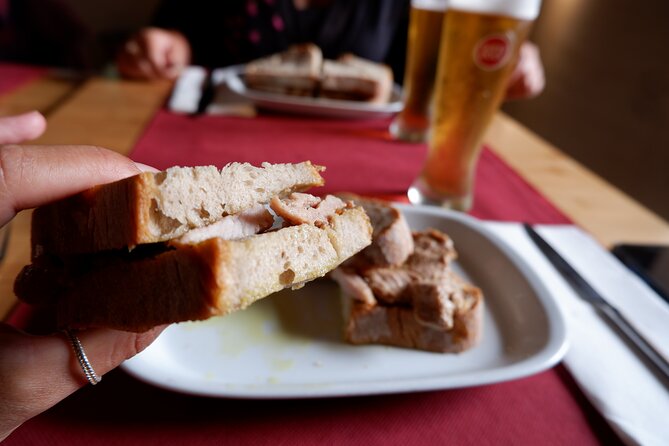
Stop 1 is Ginjinha Popular, and it’s built to give you a classic Portuguese tavern hit right away. You’ll taste two crowd-pleasers: fireman chorizo and bifana, a pork sandwich Lisbon does extremely well.
What I like about starting here is that it’s familiar fast, even if you’ve never eaten Portuguese food before. You get salty, savory, and comforting, and the guide frames the dish in a way that makes you want to try it again later on your own.
You’ll also pair it with your choice of beer or wine. The big takeaway for your planning: this is not just “sip a tiny taste.” It’s a proper tasting moment that sets the tone for the rest of the evening. At this stop, admission is listed as free, which keeps the whole experience feeling like it flows without extra costs jumping out at you.
Cantinho do Aziz in Mouraria: Mozambican flavors in Lisbon
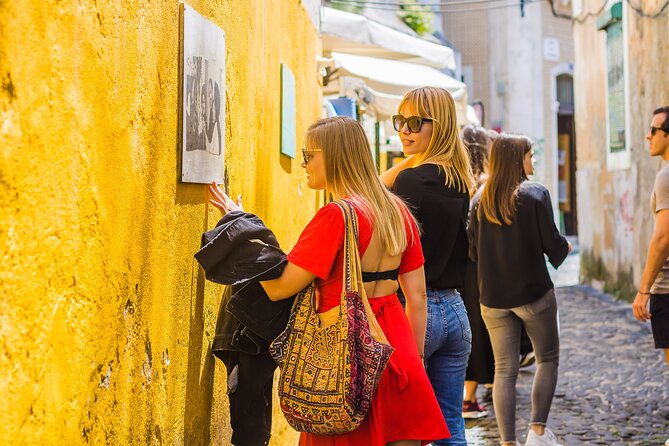
Next you’re headed into Mouraria, one of Lisbon’s oldest neighborhoods and the birthplace of Fado Music. The walking here feels like a change in tempo. Instead of just reading history from plaques, you see the texture of the area, including narrow streets and the neighborhood’s multicultural spirit.
You’ll also discover striking murals by Camilla Watson, which highlight local residents and the area’s living history. It’s one of those “quick photo, real context” moments that makes Mouraria feel like more than a point on a map.
Then comes Stop 2 at Cantinho do Aziz. Here the tour leans into Mozambican influence on Lisbon’s cuisine. You’ll sip an African beer and try chamuças, Portuguese samosas. This is one of the smartest parts of the itinerary because Lisbon’s food is not only Portuguese. Portugal’s ties with its former colonies show up at the table, and this stop makes that connection tangible.
Practical note: if you don’t like spicy or fried snacks, you should still try the bite. The tasting format gives you control, but you still get a real sense of how Mouraria blends cultures.
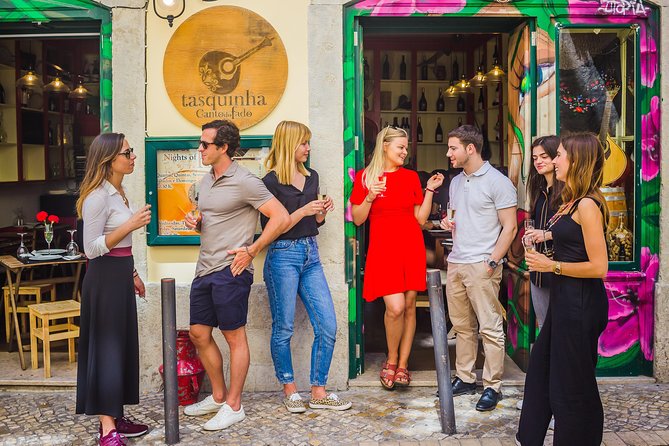
A Tasquinha Canto do Fado: VIP Fado-house energy with codfish
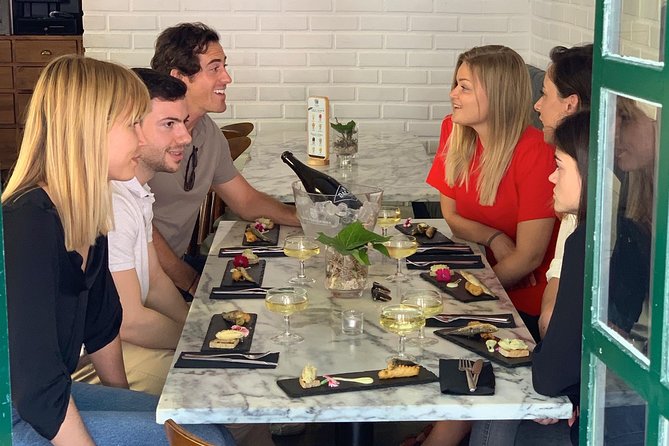
Stop 3 is where the tour turns from “food and stories” into a more emotional, Lisbon-at-night experience. You step into a traditional Fado house and get a tasting that includes both an octopus salad and the Portuguese classic bacalhau à Brás (codfish).
The cod dish is paired with wine or beer, so you’re not just eating carbs and fish. You’re eating a signature Portuguese flavor profile, then pairing it with the kind of drink Lisbon tends to keep nearby for long evenings.
And yes, there’s VIP access to the Fado house experience. That matters because Fado can feel hard to fit into your schedule if you’re trying to do it independently. Here, the pacing keeps you in the zone: you’re tasting, you’re sitting where the music energy happens, and the guide adds context so it lands instead of floating past you.
Diet check: there is octopus on the menu at this stop, so if seafood is a hard no, tell the company ahead of time. The tour data says they do their best to accommodate needs like vegetarian or gluten-free. It also says they cannot take responsibility for severe, life-threatening allergies, so if that’s your situation, you’ll need a careful plan.
If you’re lucky, your guide may be someone like Fred, Carlos, or Melissa, whose names come up repeatedly for being funny, fast-moving, and strong on both food and city context.
More Lisbon tours and experiences for the shortlist




São Jorge viewpoints and peixinhos da horta comfort food
After the Fado setting, the tour gives you a payoff for Lisbon’s dramatic geography. You’ll go to a viewpoint overlooking downtown Lisbon and the Tagus River. This is one of the city’s best outlook moments, and it’s timed well: you get your breath back before the next food stop.
Stop 4 at São Jorge includes peixinhos da horta, which translates to little fish from the garden. In practice, it’s breaded and fried green beans. The pairing is also a twist: a home-made wasabi mayonnaise. It sounds unusual until you eat it, then it makes sense as a modern flavor bounce within Portuguese comfort food.
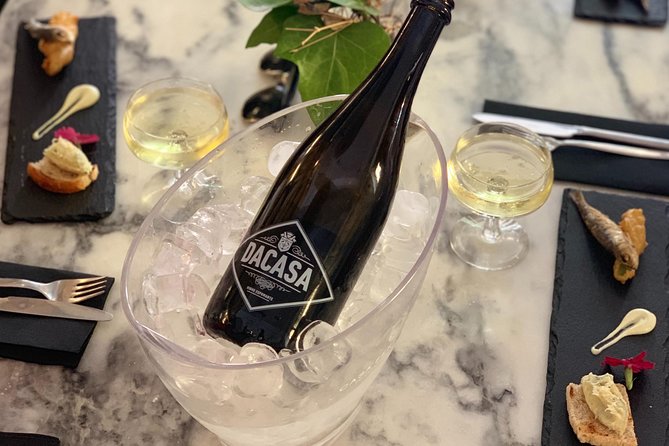
You’ll also try a Portuguese cheese board with sparkling green wine. That combo is a nice change from the heavier, main-dish feel you get in the Fado stop. It gives you variety and helps you keep pacing, especially if you’re not drinking much during the earlier stops.
At this point in the tour, you’ll feel the overall arc: bite, story, viewpoint, comfort food, then pastry finish. It’s designed so you’re not just stuffing yourself. You’re sampling across Lisbon’s style spectrum.
Santo António: the pastel de nata finish you can plan around
Stop 5 is Santo António, and it’s basically the “Lisbon, please be sweet” chapter. You’ll have pastel de nata tasting, which is the pastry most people associate with Lisbon for a reason.
Here’s the practical detail I appreciate: even if the tour ends somewhere different, the pastel de nata tasting still happens. That removes the “will we make it to the one last thing” anxiety when walking ends in another location.
If you’re trying to decide between this tour and another food option, the pastry ending helps. It’s a satisfying closure that feels like a full-circle Lisbon moment, not a random stop that could be skipped.
How long it really takes, and how much walking to expect
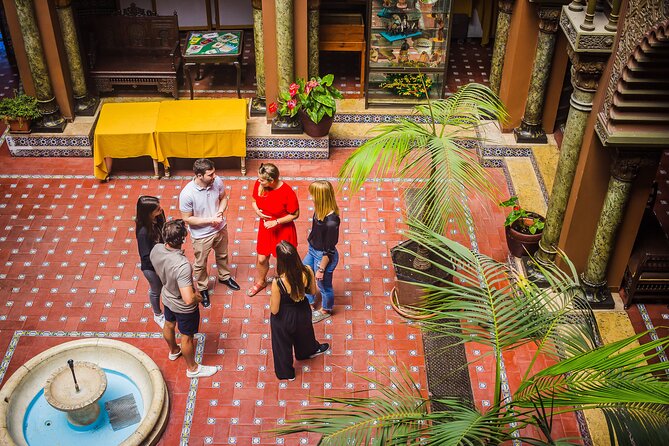
The stated duration is about 3 hours 30 minutes. In real-world terms, that usually means a mix of short walks and eating time, not a single marathon line up restaurants.
Your comfort level depends on hills and stairs. The tour data calls for moderate physical fitness, and the São Jorge area implies uphill movement. Some guides and participants also note the presence of stairs, so wear shoes you trust.
For me, this is the kind of tour where comfortable shoes are not optional. Lisbon is made of steps. If you treat it like a gentle stroll, you’ll probably feel it later. If you treat it like a planned walking tour with breaks to sit and eat, it feels well balanced.
Also, the tour is small, capped at 12 travelers. That keeps the pacing human. Nobody is wandering off to snack on their own while the group is waiting.
Value check: what $125.77 buys you in Lisbon food culture
At $125.77 per person, you should judge value by what’s included, not by the price alone. Here’s what you’re paying for in practical terms:
- Seven tastings across five eateries
- A guide who connects dishes to the city, including neighborhood context like Moorish influence and Mouraria’s Fado roots
- VIP access to a Fado house while you’re eating
- Pairings included with tastings at multiple stops, like beer or wine, plus sparkling green wine
- Food & the City insider tips to help you eat well after the tour
The main “not included” category is extra drinks and tips. That’s normal. But it can affect your final cost if you treat wine like an unlimited supply. The good part is that you can taste and pace without feeling forced into heavy spending.
One more value point: the itinerary lists admission ticket free at several stops. When a tour says it includes the moments you’d otherwise pay for, it tends to feel more honest. Even if your appetite runs ahead of the schedule, the tastings are meant to leave you satisfied, not starving.
Dietary needs, allergies, and the safe way to plan
If you have dietary requirements, this tour gives you a clear path: email or add a note at booking, and the team does its best to accommodate vegetarians, gluten-free guests, or other needs.
That flexibility is not just marketing. The tour’s pattern includes multiple different types of Portuguese and regional dishes across different eateries, which makes substitutions more feasible than in a single-restaurant meal.
That said, the data also sets a boundary: the experience isn’t suitable for severe or life-threatening food allergies to ingredients found on the tour, and the company cannot take responsibility for allergies or intolerances. So if your allergy is serious, don’t rely on “they’ll try.” Ask direct questions before you go.
If you’re vegetarian, you’re in a better position than with many seafood-forward Portuguese menus, since there are opportunities for non-seafood options across tastings. Still, treat your booking note as a must, not a maybe.
Practical tips that make the tour feel effortless
If you want this tour to feel smooth instead of chaotic, here are the moves that help most:
- Come hungry. The tour is built around multiple tastings, and you’ll enjoy it more if you start with room for surprises.
- Wear comfortable shoes for hills and stairs. Plan for some uphill movement in the São Jorge area.
- Pace your drinks. Wine and beer pairings show up more than once, so sip with intention.
- If you’re picky, say so in advance. The tour can adjust for some needs, and it’s always easier to handle ahead of time.
- Have your phone ready for the mobile ticket and quick check-ins.
Lastly, book early if you can. The tour is often booked about 46 days in advance, so the good time slots disappear first, like they usually do for popular Lisbon activities.
Should you book Eating Europe’s 2025 Lisbon Food & Wine Tour?
Book this tour if you want a fast, high-impact way to understand Lisbon through food, neighborhoods, and Fado energy. It’s especially good for first-timers who want a guided route that hits classic Portuguese flavors and adds the cultural layer you’d otherwise miss.
Skip it if your main goal is big museum time or zero walking. This is a walking food tour with hills, stairs, and multiple tastings. Also skip for severe, life-threatening allergies unless you’ve confirmed everything in advance, since the data sets limits.
If you do book, you’re likely to leave with two things you can use on day two: a short list of what to order again and a stronger sense of why Mouraria and Lisbon’s older layers matter. And if the guide is someone like Fred, Carlos, Melissa, or Gabi, you may end up with that rare tour experience where you feel like you’re eating with someone who genuinely loves the city.
Enjoy, then go chase your own dinner based on what you tasted.
More Food & Drink Experiences in Lisbon
More Tours in Lisbon






More Tour Reviews in Lisbon




Not for you? Here's more nearby things to do in Lisbon we have reviewed











Lisbon City Tours, side by side.
 ★ 5.0Lisbon City Center Tour – The Unmissable LisbonTickets from $322,234 traveller reviews
 ★ 4.7Sintra, Pena, Regaleira, Cabo da Roca & CascaisTickets from $2319,656 traveller reviews
 ★ 4.1Jerónimos Monastery Entrance TicketTickets from $2114,164 traveller reviews
 ★ 4.8History, Stories and Lifestyle Walking TourTickets from $2910,902 traveller reviews
 ★ 4.5Sunset Boat Party Cruise with DJ and Open BarTickets from $2710,378 traveller reviews
 ★ 4.7Pena Palace, Sintra, Cabo da Roca, & Cascais DaytripTickets from $919,981 traveller reviews
 ★ 4.6Oceanário de Lisboa Entrance TicketTickets from $299,943 traveller reviews
 ★ 5.0True 4Hour Private Tuk Tuk Tour: Discover Lisbon with a Local!Tickets from $1088,008 traveller reviews
More useful lists for this tour