
Review · LISBON CITY TOURS
Lisbon: History, Stories and Lifestyle Walking Tour
Lisbon from above feels like a movie. This 3-hour route strings together Bairro Alto storytelling, major viewpoints, and an iconic tram ride, all with a live guide. You cover hills without feeling like you are sprinting across the city.
I love the tight blend of big turning points and street-level detail, from the aftershocks of the 1755 earthquake to the Carnation Revolution connection at Carmo. I also like the practical rhythm of the tour, with built-in stops such as coffee and cake and photo breaks at miradouros.
One consideration: this is a walking-and-steps style tour, so bring comfortable shoes and plan for a few steep stretches.
Quick hits before you go
- Bairro Alto, 16th-century roots, plus the story of Lisbon’s shifts after 1755
- Miradouro São Pedro de Alcântara for sweeping views over Baixa and the Tagus River south bank
- San Roque Church for its austere exterior and eye-catching interior tiles, gilding, and art in Mannerist and Baroque styles
- Carmo Convent and Church for Gothic architecture and the 1974 Carnation Revolution link
- Santa Justa Elevator for a Gothic Revival monument and one of the best viewpoint stops in the city
- Alfama lanes for fado houses and the saint festival vibe, especially St. Anthony
Why Bairro Alto to Alfama is the smartest 3-hour route
Lisbon is a city of angles. Hills, viewpoints, and sudden drops into narrow streets do most of the work for you. This tour is designed to follow that natural flow, so you spend your time where Lisbon actually feels like Lisbon, not where you just check boxes.
In practice, that means you start high, work your way through historic layers, and finish in the oldest neighborhood rhythms. Along the way, the guide ties together architecture and events, so the places do not feel like disconnected postcards.
You can also read our reviews of more walking tours in Lisbon



Bairro Alto: old hills, renewal stories, and local texture
Your tour begins in Bairro Alto, a neighborhood with roots going back to the 16th century. This is one of the places where you understand Lisbon’s attitude: people keep building, rebuilding, and reshaping the city as life changes.
A key thread you will hear is what happened after the earthquake of 1755. The tour frames Bairro Alto as part of the renewal story, where families moved from areas like Baixa and nearby districts as the city rebuilt and re-thought where people should live. That context matters, because later you will notice how different neighborhoods feel “stacked” on top of one another.
It is also a good starting move because Bairro Alto puts you in the right mindset for walking uphill. Even before the big viewpoints, the streets already teach you how Lisbon’s layout works.
Miradouro São Pedro de Alcântara: the view stop that makes the walking worth it
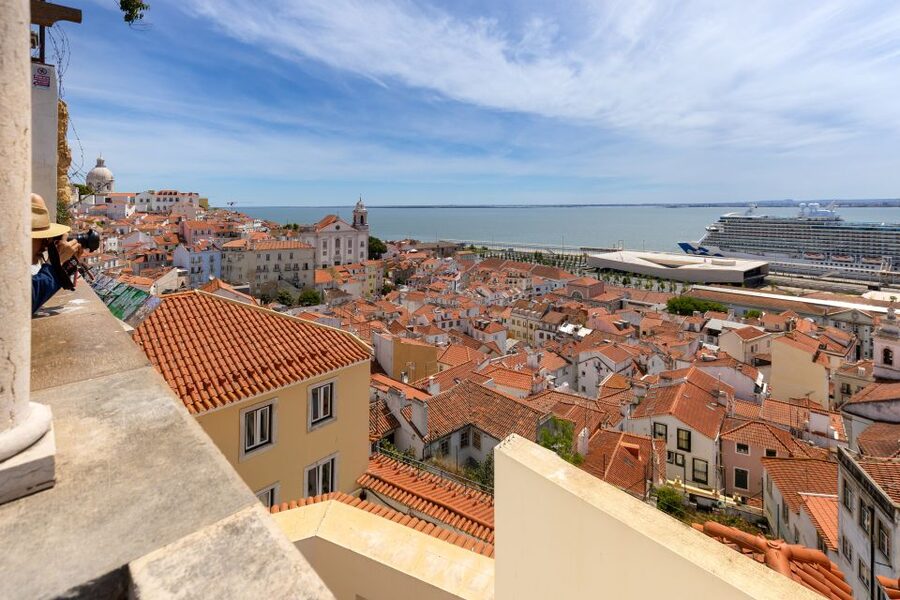
After Bairro Alto, you pass the garden of São Pedro de Alcântara and get one of Lisbon’s most reliable “stop and look” moments. This viewpoint gives you views over Baixa and the south bank of the Tagus River.
I like this part because it changes the whole scale of the trip. You move from street-level history to a city-wide perspective, and then the next stops feel more connected. Instead of “here is another church,” it becomes “this is where everything sits.”
If you photograph, this is where you can slow down. If you just want to rest, this is also where you can breathe before the next climb.
San Roque Church: an austere façade, then art overload
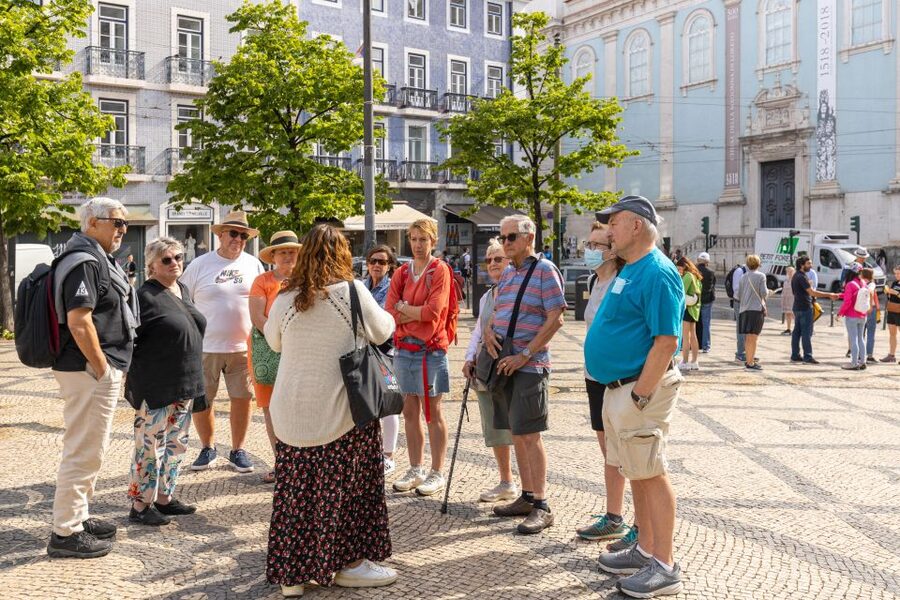
Next comes San Roque Church, built by the Jesuits. From the outside, the façade is described as austere, which is a helpful warning. Lisbon loves contrasts like that: plain outside, dramatic inside.
Inside, the church becomes a museum-like experience in its own right, with gilding, tiles, and paintings. The tour specifically calls out the mixture of Mannerist and Baroque styles, which is a good way to look at it. You do not just see decoration, you learn why it looks the way it looks.
One practical tip: if you are short on time in the future, this is the kind of stop that helps you decide what to revisit. You will get a sense of the level of detail Lisbon puts into interiors, even when the outside feels restrained.
Carmo Convent and Church: Gothic architecture plus real political history
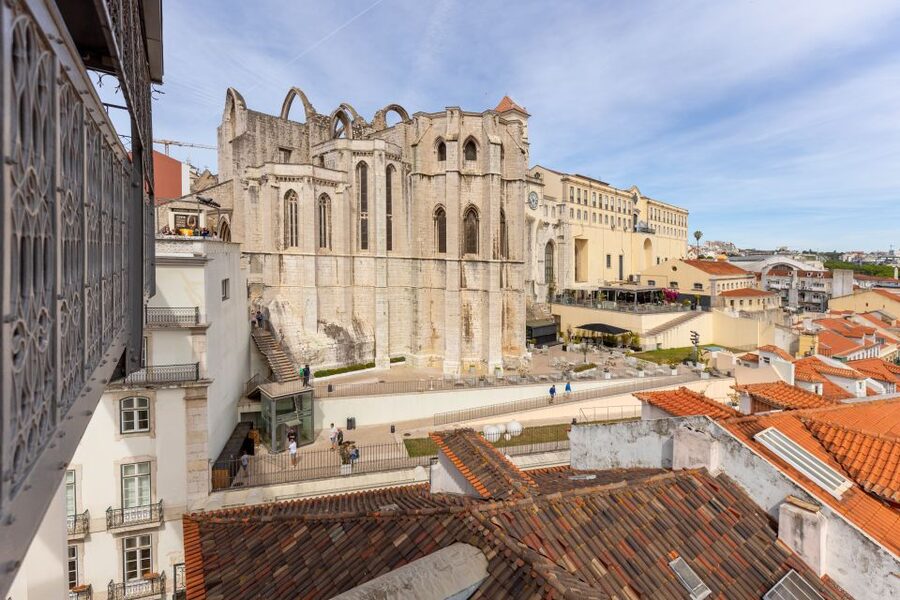
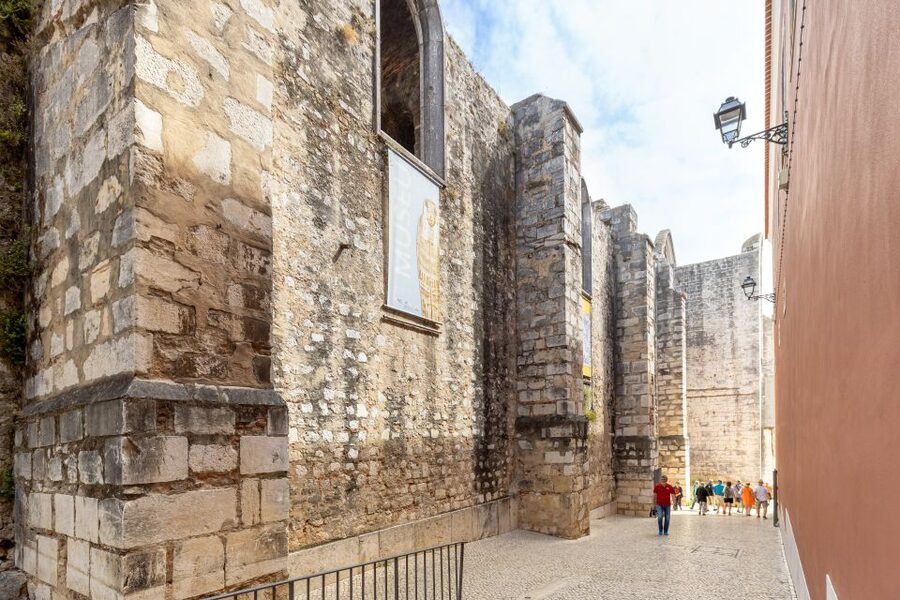
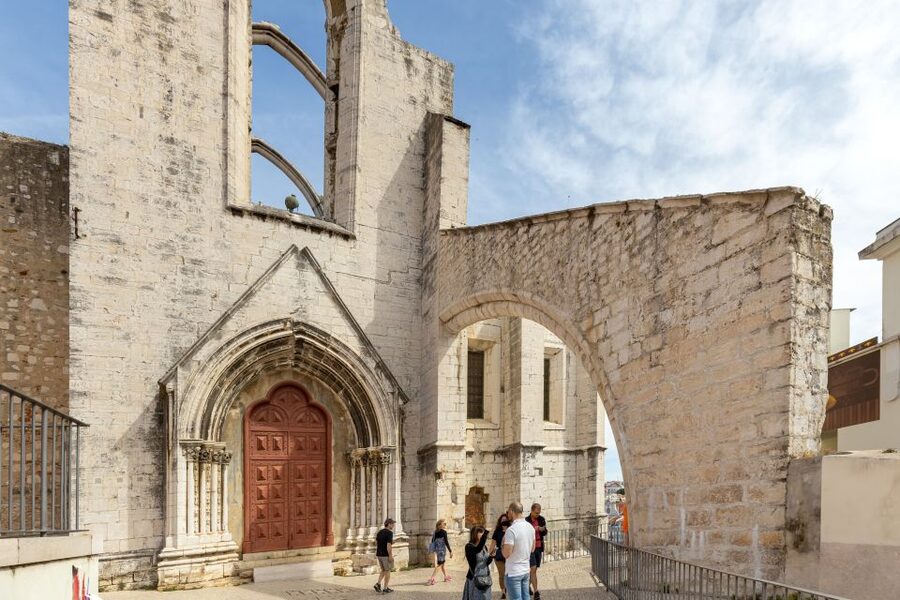
As the tour heads down the hill, you reach the Carmo convent and church. This is where you see Gothic architecture with clear historical importance. The tour also ties the site to the 1974 Carnation Revolution, the moment that ended nearly 50 years of dictatorship.
This is a powerful pairing: architecture you can see, and a political turning point you can understand. It is not taught as a distant textbook event. You are standing in a real location, so the story lands faster.
If you care about modern European history, this stop is one of the reasons to book. It makes the walk feel like more than sightseeing.
You can also read our reviews of more historical tours in Lisbon





Santa Justa Elevator: the monument viewpoint you will remember
Next is the Santa Justa elevator, described as an imposing monument built in the Gothic Revival style. Even if you do not ride it, the viewpoint association is the main reason it is included.
Lisbon has many miradouros, but this one is tied to a landmark structure. That makes it easier to map the city in your head. You start to understand how the neighborhoods connect across slopes, and how Lisbon’s “up and down” is actually a system.
Guides often use stops like this to summarize what you have learned so far. It is a natural moment to ask questions, especially if you want help picking where to return for a longer visit later.
Baixa in the middle: where the city’s core starts to click
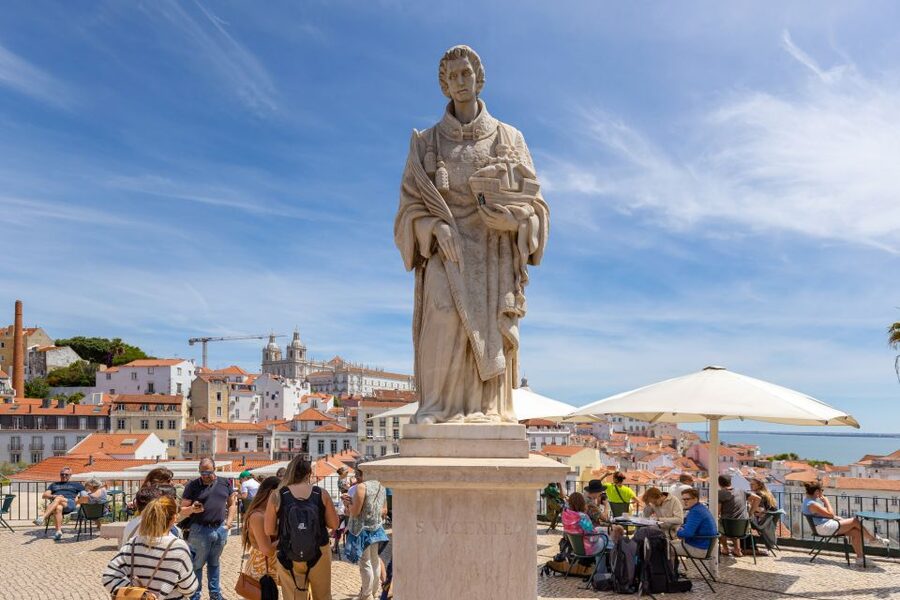
After Santa Justa, you see attractions in Baixa, the heart of Lisbon. Baixa is where the city feels most like a hub, and it is useful because it acts as a reference point for everything you already saw higher up.
Even without naming every single building, this is where the story of renewal after 1755 helps. You begin to see how Lisbon’s center and surrounding neighborhoods grew into their current shapes.
This middle stretch is also a good place for your feet to catch up. The pace can still feel active, but it tends to feel less like pure climbing.
Tram time to Portas do Sol: iconic Lisbon in motion
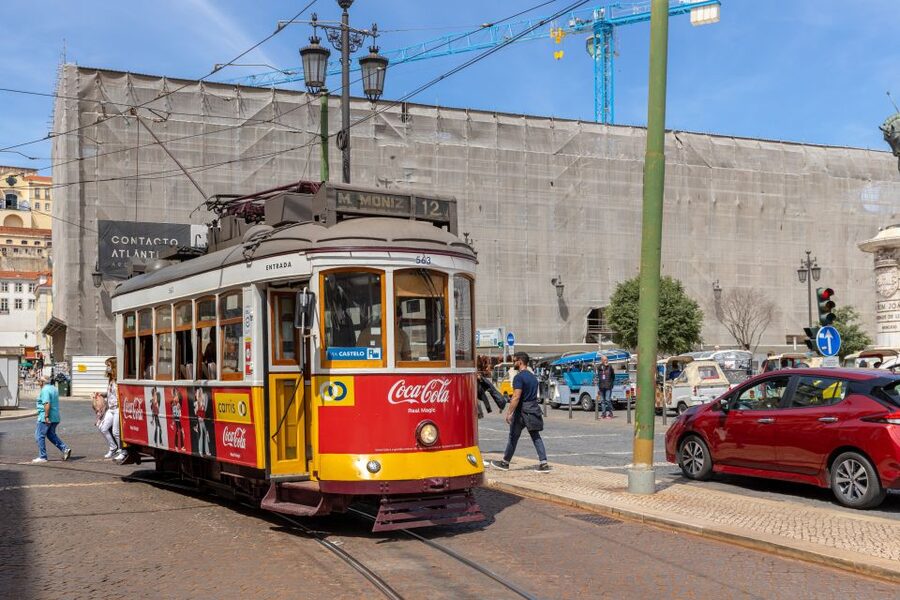
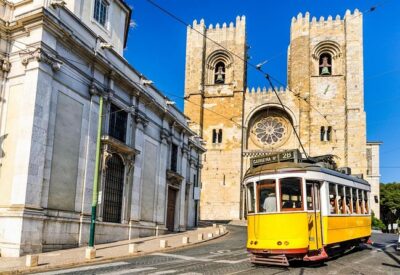
Then you take a ride on an iconic Lisbon tram. The tour’s version starts up from the castle area to Portas do Sol, which is a clever route choice because you get a moving viewpoint while traveling uphill.
This matters because Lisbon’s sights change every few steps, but trams let you “read” the city without constantly stopping. It is also a fun break from walking, and it helps you absorb the geography.
On at least some outings, the tour experience includes humor and flexibility from the guide. For example, one guide handled a tram breakdown and pouring rain by adjusting the plan without making people feel rushed. That is a good sign to look for in a walking-tour operator: they can keep the story going even when the city throws curveballs.
From Portas do Sol to Alfama: monasteries, pantheons, and narrow-street reality
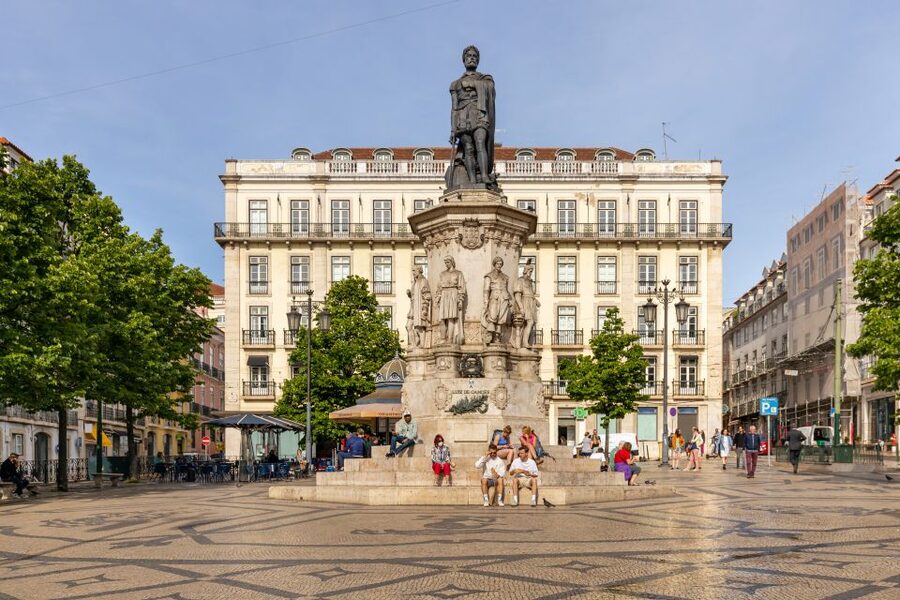
At Portas do Sol, you see the Monastery of São Vicente de Fora and the National Pantheon. Those stops give Alfama context. This part of Lisbon is not only romantic lanes and fado houses. It is also tied to institutions and monuments that shaped the city.
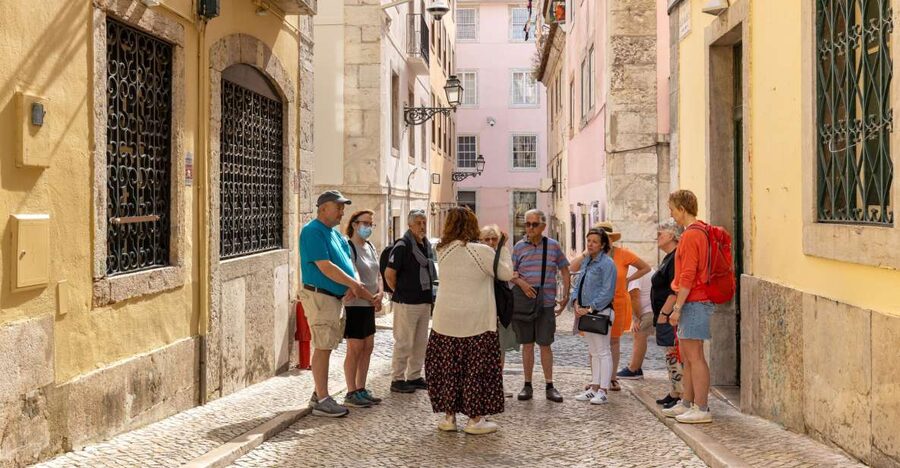
Then you move into Alfama, Lisbon’s oldest and most traditional neighborhood. The tour frames Alfama through what you will feel on the ground: narrow streets, long angles, and the presence of fado culture. It also points out the festival side of Lisbon’s identity, especially saint festivals, with St. Anthony called out as a big one.
If this is your first Lisbon visit, Alfama is the right place to end the “big learning” portion and shift into “wander-ready” mode. You will leave with a clearer sense of what you want to return for, whether that is fado, a longer architectural look, or just the street atmosphere.
Ending at Lisbon Cathedral: built in the 1100s, changed over time
The tour ends at Lisbon Cathedral, built in 1150, about three years after Lisbon was taken back from the Moors. That date anchors the story in a turning point that is older than many of the other landmarks you visited.
The tour also notes that the cathedral was subject to architectural changes over time. That is exactly what you should expect when you see it. Lisbon’s religious buildings often look like layered timelines, not single-era statements.
As a final stop, it works because you have already traveled through several different styles and historical moments. Ending with a building that embodies multiple eras makes the whole tour feel like one cohesive timeline.
Coffee, cake, and the kind of breaks that matter
This tour includes a coffee and cake stop. I like this because it is not just a snack for logistics. It is a chance to reset while you reflect on what the guide just connected for you.
From the tone in the guide experiences, many groups get something like pastel de nata or a local-style pastry pairing with coffee. One guide even accommodated a vegetarian preference by swapping the usual pastry choice for a vegan snack paired with espresso. That suggests the operators take the included break seriously, not as a rushed formality.
If you care about tastes, this is also a practical moment to ask what to eat next, since your guide has just shown you the parts of the city you will likely revisit.
Price and value: is $29 for a 3-hour tour a fair deal?
At $29 per person for a 3-hour walking tour, the value is strongest when you do two things.
First, you use the tour as orientation. Lisbon is hilly and visually repetitive if you do not know what you are looking at. A guided route that combines Bairro Alto, multiple viewpoints, churches, and Alfama helps you decide where to spend more time later.
Second, you take advantage of what is included. This is not only walking. It adds a live guide, a tram trip, and a coffee-and-cake stop. If you would otherwise spend time and money piecing those elements together, the package feels like a smart shortcut.
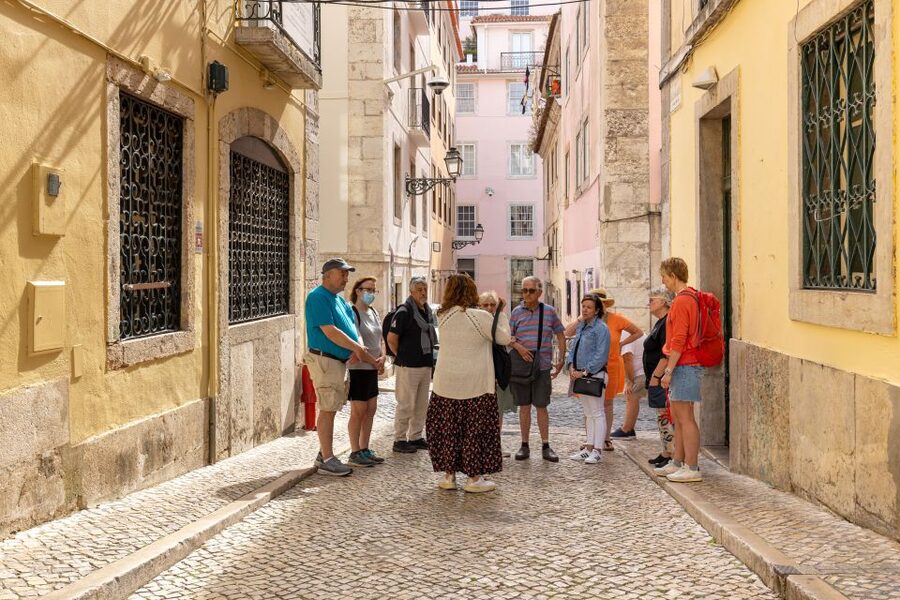
It also helps that the tour offers private or small groups. In reviews, guides are praised for adapting to conditions and keeping the pace comfortable. When a group is small, it is easier to hear stories, ask questions, and avoid getting swept along.
Who should book this tour (and who should skip it)
This tour is a great fit if you want a fast, story-driven introduction to Lisbon. You will enjoy it if you like history tied to places, and if you want a day that mixes viewpoints with real neighborhoods like Alfama.
You might skip it if you already know Lisbon well and only want deep specialization, like a full architecture course or a long fado evening. This tour is short on purpose. It is meant to get you oriented, then send you off to explore.
It also helps if you are comfortable with hills. The route is built around Lisbon’s vertical layout, and you will be stopping often, but you will still be walking.
Should you book this Lisbon History, Stories, and Lifestyle Tour?
If you are visiting Lisbon for the first time, I think this is the kind of booking that pays off immediately. You get a guided arc across Bairro Alto, standout viewpoints, major churches, and the tram and Alfama finish. You also walk away with practical context, not just names.
Book it if you want:
- a 3-hour overview that helps you choose where to return
- the viewpoint combo of miradouro garden time plus Santa Justa style landmark views
- a route that ends in Alfama so you can keep exploring after the tour
Skip it if:
- you do not want steps and steep stretches
- you prefer slower, longer neighborhood wandering with no tram or landmark checklist
Bottom line: at $29, with a live guide, tram ride, and coffee-and-cake included, this tour is a strong value way to start understanding Lisbon fast and the right way.
FAQ
How long is the Lisbon History, Stories and Lifestyle Walking Tour?
It lasts 3 hours.
What is included in the price?
The tour includes a live guide, a walking tour, a tram trip, coffee, and cake.
Do I need hotel pickup or drop-off?
No. Hotel pickup and drop-off are not included.
Where does the tour meet?
The meeting point may vary depending on the option you booked.
What languages are offered?
The live tour guide is available in Portuguese, Spanish, Italian, German, French, and English.
Is the tram ride included?
Yes, the tour includes a tram trip.
What is the cancellation policy?
You can cancel up to 24 hours in advance for a full refund.
More Walking Tours in Lisbon




More Tours in Lisbon





More Tour Reviews in Lisbon




Not for you? Here's more nearby things to do in Lisbon we have reviewed










Lisbon City Tours, side by side.
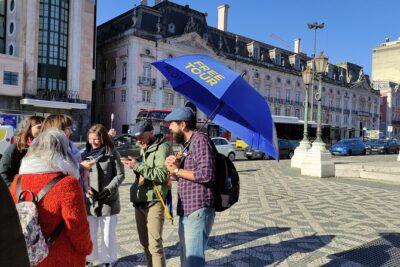 ★ 5.0Lisbon City Center Tour – The Unmissable LisbonTickets from $322,234 traveller reviews
 ★ 4.7Sintra, Pena, Regaleira, Cabo da Roca & CascaisTickets from $2319,656 traveller reviews
 ★ 4.1Jerónimos Monastery Entrance TicketTickets from $2114,164 traveller reviews
 ★ 4.5Sunset Boat Party Cruise with DJ and Open BarTickets from $2710,378 traveller reviews
 ★ 4.7Pena Palace, Sintra, Cabo da Roca, & Cascais DaytripTickets from $919,981 traveller reviews
 ★ 4.6Oceanário de Lisboa Entrance TicketTickets from $299,943 traveller reviews
 ★ 5.0True 4Hour Private Tuk Tuk Tour: Discover Lisbon with a Local!Tickets from $1088,008 traveller reviews
 ★ 5.0Sintra and Cascais Small-Group Day Trip from LisbonTickets from $607,018 traveller reviews
More useful lists for this tour