
Review · LISBON CITY TOURS
Private Tour for small groups of 7 Days in Portugal from Lisbon
Seven days, five regions, real planning. This private Portugal week strings together Lisbon’s Baixa rebuild story, Sintra’s palaces, and Douro Valley wine stops, with guide help that keeps logistics painless. I especially like how the route hits iconic sights without turning every day into a mad sprint, and how you get time in places with a strong sense of place, like Alfama and Pinhão. The main drawback is simple: it is a lot of moving and a lot of walking, so you will want comfortable shoes, and some major entrances are ticketed separately.
I also like that the experience is built for a small private group, so you are not trapped in a shuffle of strangers. When my group had questions, the guides, Miguel and Juan, were attentive and focused on making sure the day actually felt smooth, not just scheduled. You get mobile tickets, too, which helps when you are bouncing between towns.
One more thing to consider: the schedule is packed enough that you will spend less time lingering than you might like in some spots. If you hate time pressure, plan to treat “fewer photos, better moments” as your strategy, especially in Sintra and Porto.
Key highlights that shape the whole trip
- Lisbon’s anti-seismic Baixa street grid built after the 1755 earthquake
- Sintra’s mix of palaces and views, with options based on what you want to see most
- Fatima chapels and basilicas focused on the key sacred sites, including the tombs
- Douro wine country with tastings tied to the Pinhão landscape and a major producer visit
- Porto’s standout visuals, from São Bento tile art to São Francisco’s gold-leaf details
- Évora’s big moments, Temple of Diana area, Chapel of Bones, and a cork workshop visit
Entering Lisbon’s old heart, Baixa to Belém
The tour starts in Lisbon at 9:00 am from Praça do Marquês de Pombal 8, and it is a smart way to beat the day’s first crowds in the historic core. From the jump, you get a guided sense of how Lisbon rebuilt itself after disaster, not just a list of monuments.
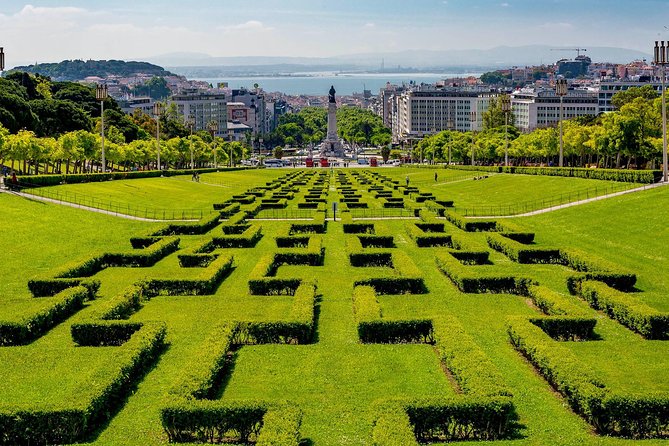
Day 1 begins in Baixa de Lisboa, the downtown grid designed after the 1755 earthquake. What I like here is the explanation itself: the streets were planned with anti-seismic thinking, straight lines and right angles, organized around the axis of Rua Augusta. Even the craft-themed street naming is part of the story, from shoemakers to gold workers, so you feel the city’s “original logic” instead of just walking past it.
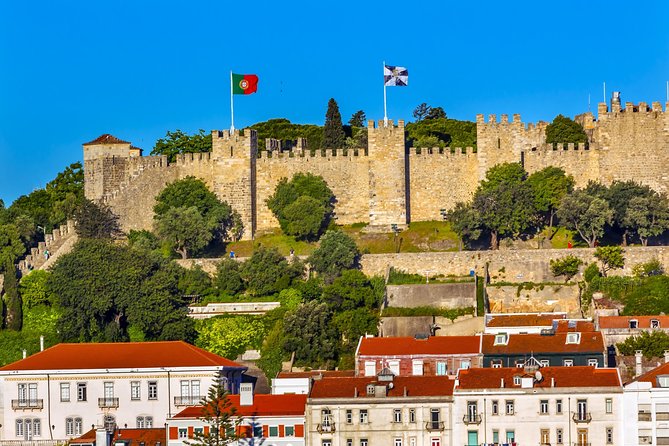
Next comes Castelo de São Jorge, a long-lived stronghold that traces back through different eras. The guide frames it as one of the last major vestiges of the Arab presence in Lisbon, with Romans also in the deeper background. If you want the views, you get the choice: you can go up and tour the castle area, or if you prefer not to spend time inside, you can use outside viewpoints like the Miradouro de Nossa Senhora do Monte. Either way, expect this to be a photo stop and a neighborhood-orientation moment.
Then it is on to Alfama, Lisbon’s oldest quarter. I love this part because it is not “museum Lisbon.” You wander through tight lanes and small alleys, the old Medina style that served as a defensive system through centuries of changing control. And because Alfama is also where fado is tied to local origins, you get a cultural layer that makes the streets feel alive rather than decorative.
The day closes in the Belém area, starting at Torre de Belém with the surrounding Age of Discovery vibe. The tour connects the tower to the Golden Age of Portugal from the 16th to the 18th centuries, with sailors departing for the New World and attending solemn masses for protection. If you have ever wondered why this part of Lisbon feels so ceremonial, that link helps.
Belém also includes Pasteis de Belém territory. Even if you do not plan a full pastry detour, knowing the famous custard history matters here, because it is not just a snack stop. It is a cultural tradition tied to family choices and the endurance of a specific recipe.
Practical note: the castle and several Belém-related entries are marked as ticketed separately in the schedule. So think of Day 1 as a guided route where your guide handles pacing, while you budget for the paid entrances you choose.
You can also read our reviews of more private tours in Lisbon



Sintra’s palaces, Cabo da Roca, and the Atlantic edge
On Day 2, the tour shifts from city to castle country. Sintra is one of those places where the scenery comes at you fast, so having a guide who can steer your choices is a real benefit.
You start with Sintra’s historic center, built for walking and browsing. The tour nudges you toward the shops and side streets that feel like a living set. There is also time to grab sweets at Piriquita, especially the famous queijadas de Sintra and related treats. If you like tasting along the way, this is a good rhythm: stroll, look, eat, repeat.
Then comes the Sintra National Palace of Pena area. Here’s what I like: the guide does not force one palace pick. Instead, you get decision support on what to prioritize, including the option of Quinta da Regaleira and references to other dramatic sites around the same general region. The points made are helpful for planning what you actually care about: Islamic-era traces (like the Castle of the Moors idea), and the 19th-century romantic and revivalist spirit behind constructions like Pena.
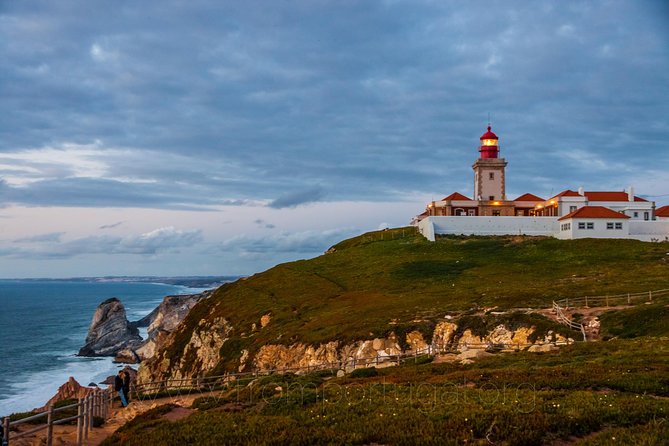
After Sintra, you head to Cabo da Roca, the spot often described as where land ends and sea begins. The guide frames it as part of the Sintra-Cascais Natural Park and encourages exploring the area around the lighthouse, including trails on foot with the right shoes. Even if you only have time for a viewpoint loop, this stop gives you a different Portugal feel, windswept and dramatic, with the coast doing most of the talking.
The schedule also includes coastal time at Cascais and the Estoril area. You get a pass by the Casino Estoril, tied to the 007 lore, and it is a fun pop of entertainment history while you are already enjoying ocean views along the coast.
Practical note: several palace tickets are not included. The upside is flexibility, you are not trapped into a single “pay or miss it” choice for everything. The downside is you should be ready to pay entry fees for the biggest hitters.
Fatima and Coimbra: sacred sites then old academic Portugal
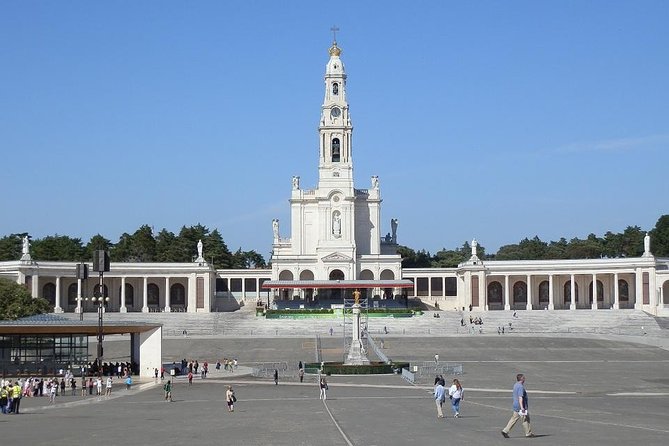
Day 3 takes you away from Lisbon and into a more reflective rhythm. The first stop is Fátima Sanctuary Museum, followed by the key places many visitors come for: the chapel of the Apparitions and the Basilica de Nossa Senhora do Rosário de Fátima.
What I like about this day is the way it focuses on the core sites. You do not just get a quick exterior photo. You understand what matters: the chapel tied to the Apparitions right within the sanctuary complex, and the basilica built in 1928 in neo-baroque style that houses tombs tied to children and Sister Lucy. The schedule also includes the mention of the Basilica of the Holy Trinity with seating capacity over 8,000. Even if you do not go inside every structure, you get a clearer sense of scale and purpose.
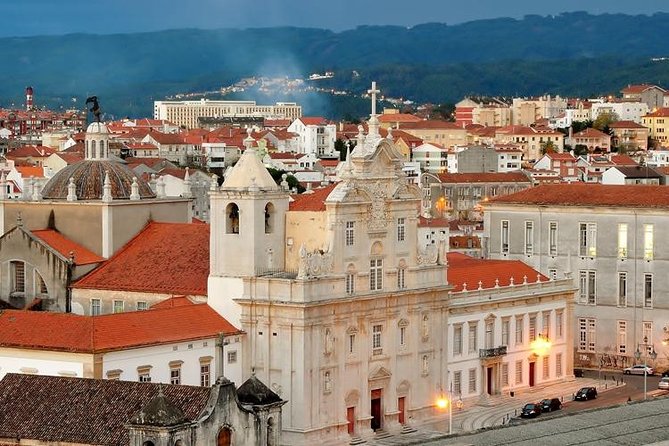
From Fatima, you continue to Coimbra, where the vibe shifts from sacred to scholarly. The tour includes a stop at the University of Coimbra, emphasizing the Joanine library. This is the kind of place you remember for details: built in the 18th century in what had been a former prison, decorated with frescoes by Mestre António Ribeiro and Vicente Nunes, and a portrait by Domenico Dupra. The fact that it is tied to an older institutional story, described as the oldest university in Europe, gives the visit extra weight.
Then you get time in Sé Velha de Coimbra and the historic center around it, with that classic “city-on-a-hill” feel where the river and the university presence shape the whole day. This is where you can pause with coffee, browse small places, and do the simple tourist thing well.
Practical note: the University of Coimbra entry is listed as ticketed separately. So plan around that cost if this is a priority.
Porto’s tiles, bookshop stairs, and port-cellar education
Day 4 is all about Porto. The route begins on Avenida dos Aliados, which helps you understand the city layout quickly. It is also a good mental transition, you are done with Coimbra’s old lanes and you are now in Porto’s more urban grand-street world.
First major visual hit: Livraria Lello. If you like architecture and bookstores, this stop lands well. The guide also connects it to popular culture, including the fact that JK Rowling lived in Porto when writing Harry Potter. Even if you are not a die-hard fan, the staircase and interior style are the point.
Then you move to São Bento Railway Station, one of Porto’s most famous interiors. The tour highlights the azulejo tilework, described as 20,000 pieces by Portuguese artist Jorge Colaco, creating scenes of Portugal in the north and the civilizations that passed through the region. This is the stop that often turns “I just rode through” into “wait, I need five more minutes.”
Next is Igreja de São Francisco, which becomes more fascinating once you hear the materials story. The church evolved through Romanesque, Gothic, and then baroque influences, and the tour notes the three naves with gold carvings, estimated to involve over 300 kilos of gold dust. It also includes the tree of Jesse, a wooden polychrome sculpture that the route calls out as among the best in the world. That is a strong claim, but the practical takeaway is this, you should budget time here because it is not a quick facade stop.
Finally, you head to Gaia for the Churchill’s port experience. The idea is not only to taste, it is to see how the wine is aged across cellars, and learn the process from vintage through to the final product. If you think you already know port, this is where the details can surprise you.
Practical note: Livraria Lello and Churchill’s entries are listed as ticketed separately. Plan for those costs if you want all stops included.
Douro Valley: Pinhão tiles, rabelos imagery, and a winery visit
Day 5 is where the tour leans into the wine story. It starts around Pinhão Railway Station, and the stop is designed for people who like atmosphere as much as they like facts. The station’s azulejos are described as depicting the landscape and life in the region, including port wine production, grapes, and the transport by rabelos boats to the port cellars in Gaia.
This matters because it gives you a visual map. When you later stand in wine country, the images you saw at the station become a mental shortcut for what you are looking at, vineyards, labor, and movement of the product.
Then you go to Quinta do Seixo – Sandeman. This is the main winery visit and tasting moment called out in the schedule. The pitch is straightforward: you see different aspects of winemaking, then taste a selection of wines. If you like structured tastings, this is one of the best reasons to choose this tour instead of going solo. A guide helps you connect what you drink to what you see.
Practical note: the winery visit is ticketed separately in the schedule.
More Lisbon tours and experiences for the shortlist




Aveiro canals, Nazaré wave lore, and Óbidos walls
On Day 6 you start heading back toward Lisbon, with a couple of side trips that keep the trip from turning into a simple straight-line return.
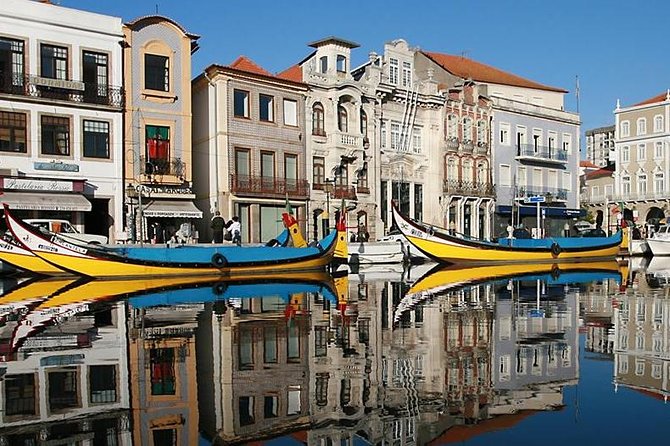
The first stop is Aveiro, known as the Portuguese Venice. The tour specifically calls out the idea of a Moliceiro boat trip to explore the canals, described as about 3 kilometers, and to understand uses tied to moliça seaweed and salt. If you want a break from stairs and castle ramps, this works nicely because you get movement with less physical strain.
Then you head to Nazaré for arts and local flavor, including artesanato e design de autor. The schedule also leans into Nazaré’s fame as a big-wave destination, noting the phenomenon of the Nazaré Cannon and the record-setting wave in 2013 linked to surfer McNamara, described around 30 meters.
There is also a cultural note about Nazaré’s iconic “seven skirts,” which adds color to the day beyond the sea view.
Your final stop of the day is Óbidos, including the Castle of Óbidos and time in the UNESCO-listed old town. This is a “slow down” place in the best way. The route emphasizes the medieval feel, the narrow streets lined with traditional shops, and the whitewashed houses inside the walls. It also ties Óbidos to royal history, including its use as a wedding gift from D. Dinis to D. Isabel and later association with the Casa das Rainhas until 1834.
Practical note: castle and other key entrances are listed as ticketed separately on certain days. If Óbidos and the castle matter to you, budget time for the ticketed parts.
Évora’s Roman remnants, Chapel of Bones, and a cork factory in Azaruja
Day 7 is a strong closer because it mixes major sights and an unusual hands-on stop that feels very local.
You start in Évora’s historic center, built up over centuries and described as a meeting point for artists supported by royal patronage. The stop references the Temple of Diana area next to the cathedral and also the Água da Prata aqueduct outside the city walls, with still-visible arches inside town. Even if you are not a classic Roman-architecture expert, this gives you a clear sense of scale and engineering history.
Then comes the big emotional stop: the Chapel of Bones. The schedule describes it as an ex-libris for Évora, with skulls and bones of 500 monks. That simple, direct framing helps you decide whether you want to linger. I find this kind of site oddly grounding, not scary, and it forces a pause in the middle of a day that is otherwise all monuments.
After that, you get something very Portugal in a different way: Cortiçar – Arte em Cortica, a cork factory visit linked to Azaruja. The guide story is specific. Cork is described as bark of a species of oak, valued because it is light, elastic, and resistant to fire. It also notes that cork is removed from trees grown for around nine years intervals and that Portugal is responsible for 55% of world cork production. For wine lovers, there is a key practical connection too, cork’s micro-oxygen exchange is tied to aging wine without harming the process.
The day ends with the Igreja de São Francisco in Évora. The route frames it as part of Franciscan history, describing the convent as the first house of the Franciscan Order in Portugal and noting an architectural evolution, with a remodeled temple by the late 15th century and three nave layout traces still visible.
If you want your final day to feel like Portugal beyond postcards, this pairing, bones plus cork, is a smart contrast.
Price and value for $1,652.87 per person
At $1,652.87 per person for an approximately seven-day private tour from Lisbon, the value question is really about how the day is organized. This is not just “see famous places” touring. You are paying for a guided route across multiple regions, including the logistics of getting you from Lisbon to Sintra and Fatima, north to Coimbra and Porto, then through Douro and back toward Lisbon with additional inland stops before returning.
Here is where it can feel especially worth it:
- Time saved on planning across Lisbon, Sintra, Fatima, Coimbra, Porto, Douro, and Évora
- Guided context that turns monuments into stories you can repeat later
- Wine experiences with built-in education, including port-cellar context in Gaia and a winery visit in the Douro Valley
- Small private-group feel, which is where you notice the difference in how fast the day flows
Where the price may feel heavy:
- You should expect that some key entrances are ticketed separately, like the castle and major museum or library stops noted as not included.
- The route is intensive. If you prefer slow travel and long pauses, you might spend the money and still feel rushed.
My practical take: if you want one planner and one guide to handle the thread, this price can make sense. If you want lots of free time per stop, you might prefer a shorter or more flexible trip.
Who should book this Lisbon-based private tour
This tour fits best if you:
- Want a Portugal highlights circuit that still includes enough detail to feel meaningful
- Like a balance of culture, architecture, and food and wine rather than only one theme
- Enjoy day trips but do not want to handle route research and ticket decisions yourself
- Appreciate guided storytelling, like Lisbon’s earthquake planning, Porto tile art, and cork and wine aging links
It might not be the best fit if you:
- Struggle with long days, walking, and tight timing between stops
- Expect every major entrance to be included in the price
- Want lots of downtime in each city rather than a “see, understand, move on” rhythm
Should you book it or not?
Yes, I think you should book it if you want one organized week that connects Lisbon, Sintra, Fatima, Coimbra, Porto, Douro wine country, and Évora, with real guide attention and memorable stops like São Bento tiles, port cellars, and the Chapel of Bones. You are paying for coherence, not just sightseeing checkboxes, and the guide experience matters here, especially with attentive service from Miguel and Juan.
If you are unsure, do this simple test. Make a list of your top three must-see priorities. If at least two match the tour’s big anchors, like Sintra, Douro wine, Porto sights, or Évora, you will likely feel the value fast.
FAQ
Is this tour private?
Yes. It is described as a private tour/activity, and only your group will participate.
Where does the tour start?
The tour starts at Pç do Marquês de Pombal 8, 1250-160 Lisboa, Portugal.
What time does it start?
It starts at 9:00 am.
How long is the tour?
The duration is approximately 7 days.
What language is the tour offered in?
The tour is offered in English.
Do I need mobile tickets?
Yes. The tour includes a mobile ticket.
Is free cancellation available?
Yes. You can cancel up to 24 hours in advance for a full refund. The cut-off times are based on local experience time.
More Private Tours in Lisbon


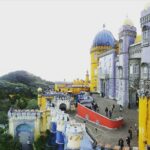
More Tours in Lisbon



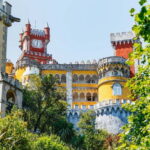
More Tour Reviews in Lisbon
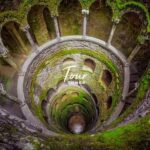

Not for you? Here's more nearby things to do in Lisbon we have reviewed









Lisbon City Tours, side by side.
 ★ 5.0Lisbon City Center Tour – The Unmissable LisbonTickets from $322,234 traveller reviews
 ★ 4.7Sintra, Pena, Regaleira, Cabo da Roca & CascaisTickets from $2319,656 traveller reviews
 ★ 4.1Jerónimos Monastery Entrance TicketTickets from $2114,164 traveller reviews
 ★ 4.8History, Stories and Lifestyle Walking TourTickets from $2910,902 traveller reviews
 ★ 4.5Sunset Boat Party Cruise with DJ and Open BarTickets from $2710,378 traveller reviews
 ★ 4.7Pena Palace, Sintra, Cabo da Roca, & Cascais DaytripTickets from $919,981 traveller reviews
 ★ 4.6Oceanário de Lisboa Entrance TicketTickets from $299,943 traveller reviews
 ★ 5.0True 4Hour Private Tuk Tuk Tour: Discover Lisbon with a Local!Tickets from $1088,008 traveller reviews
More useful lists for this tour