
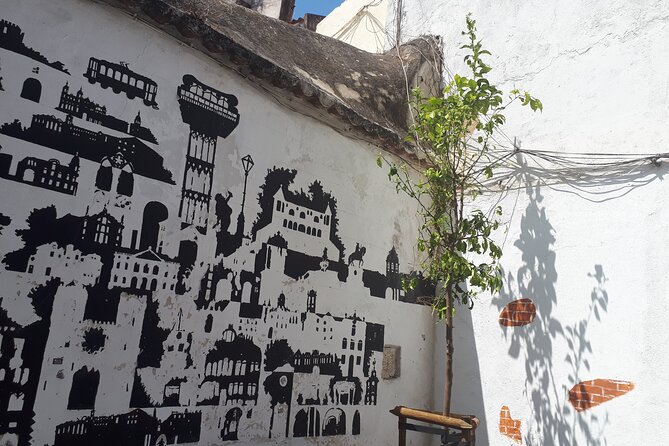
Review · LISBON CITY TOURS
Lisbon Street Art Tour
Street art turns corners into stories. On this Lisbon Street Art Tour, I love how you see major names like Shepard Fairey alongside Portuguese artists such as Vhils and Bordalo II. I also like that the walk is built around two neighborhood stops, Graça and Mouraria, where there’s plenty to discuss street by street.
You get a guided walkthrough with commentary on each work, including the artists’ own words when available, plus talk about technique and the social questions behind the art. One possible drawback: it’s a French live tour, so if you don’t speak French, your enjoyment will depend on how comfortable you are with the language, and it’s still a walking tour with comfortable shoes needed.
Key things I think you should notice first
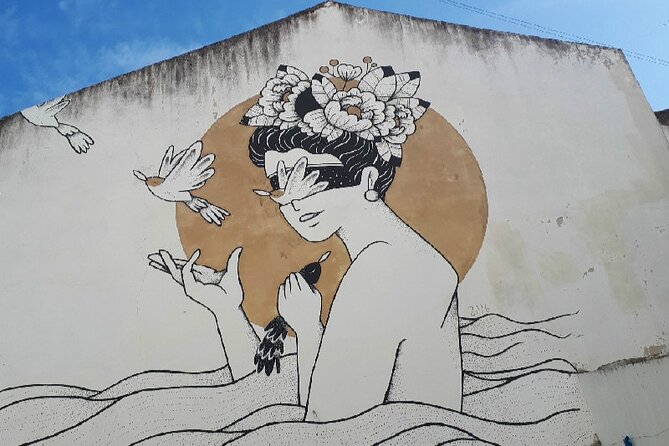
- Shepard Fairey, plus Portuguese street legends: You’ll look at major international work and connect it to Portuguese voices.
- Graça and Mouraria are the main course: The guide focuses on two neighborhoods so you see more than quick photo stops.
- Technique and meaning come together: Each artwork is discussed, including how it’s made and what it raises socially.
- Women in a male-dominated space: You’ll hear how women are changing a scene that has traditionally skewed male.
- A small-group feel with extras: Limited to 8 people, and the tour can include a pastel de nata or ginginha, plus a fado moment.
Walking into Lisbon’s street art, one wall at a time
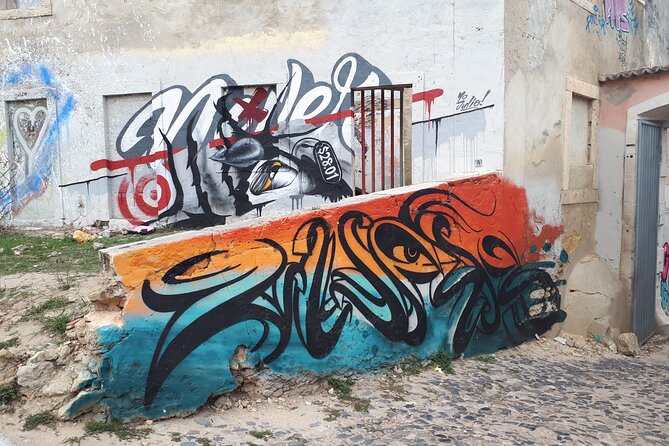
Lisbon street art is not just decoration you pass while moving on. On this tour, it becomes a conversation, because the guide links what you’re seeing to bigger topics, like the role of art in society and what art can say about politics and everyday life. That makes the experience feel more grounded than a simple gallery walk.
The setup helps too. This is a 2-hour street art walk for a small group (up to 8 people), so you’re not just herded through alleys. You have a better chance of hearing explanations, asking small questions, and actually noticing details you’d otherwise miss.
You’ll also keep your expectations realistic. The tour admits it is impossible to see all of Lisbon street art in one session. So instead of trying to do everything, it focuses on two neighborhoods with particularly strong collections. That focus is a big part of why this kind of tour works.
More Lisbon tours and experiences for the shortlist



Meeting point, pace, and what to pack
You meet your guide in front of the church. That’s simple, but it also means you should arrive a few minutes early and be ready to spot the group near the start point.
Bring comfortable shoes and water. This is a walk-based tour, and it’s not described as slow sightseeing with long sit-down breaks. If your feet tend to get tired easily, comfortable shoes are not optional.
One more practical note: it is not suitable for people with mobility impairments. So if you need step-free routes or limited walking, you’ll want to choose a different way to explore the city.
How the guide turns street art into a real lesson

What makes this tour more memorable is the way the guide handles each stop. You’re not just told the artist name and pointed toward a wall. For each artwork, the guide provides commentary and discusses techniques. When artists’ own words are available, they get used in the explanation, which adds context beyond the visual.
The discussions aren’t kept in a bubble either. The works raise questions about art in society, and you’ll talk through social and political issues. The tour also looks at the nature of art itself, which is a polite way of saying you’ll think about what street art is doing outside museums.
That matters for your experience because it changes how you look. Instead of asking, Is this cool? you start asking, Why is it here, and what is it responding to?
Graça walk: big murals, international names, and street art as message
The tour focuses on Graça for a reason: this neighborhood gives you a strong collection of street art to interpret, rather than a scatter of murals you only notice on your way to somewhere else. Here’s the vibe you should expect, based on how the tour is designed and what it emphasizes overall: you’ll move between pieces that feel like they belong to different conversations.
This is also where you’re likely to connect the international and Portuguese sides of Lisbon street art. You’ll see works by Shepard Fairey, alongside Portuguese street artists such as Vhils and Bordalo II. The value is not only that the names are famous. It’s that the guide helps you understand each piece as part of a broader story, with technique and meaning discussed.
And yes, you’ll see different sizes and styles. The tour approach is built to include both large murals and smaller works you might otherwise skip. That balance is part of the payoff, because it keeps you from thinking street art is always about huge walls.
A small consideration: because you’re walking and interpreting, you’ll get more out of the experience if you let yourself slow down. If you’re rushing and trying to just collect images for your feed, the tour’s strength, explanation and discussion, will be harder to enjoy.
Mouraria walk: Portuguese voices, plus tiles and sculpture
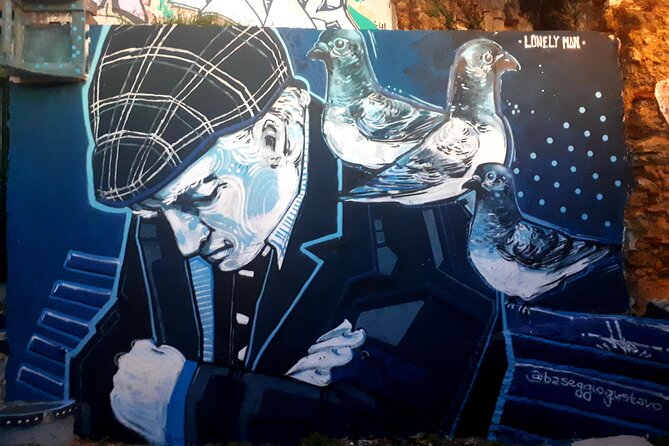
Then you move to Mouraria, the second neighborhood stop built into the 2-hour plan. Mouraria is often described as a place where the old quarter energy stays close to the walls, and this tour uses that setting well. The goal here is to keep the street art experience connected to the rest of public art in Lisbon.
That means you won’t ignore other forms of expression. The tour includes discussion of sculptures and the city’s famous tiles, the azulejos you’ll notice all over Lisbon. It’s a smart add-on because street art sits in the same public world as older decorative art. You start seeing how the city builds meaning in public spaces, across time.
Mouraria also gives the tour room to show you a range of artists beyond the headline names. You’ll see works by other street artists mentioned in the tour lineup, including TV Boy and Urban Solid. The tour also references artists like Joana Vasconcelos, Andrea Tarli, and Utopia, so you should expect variety rather than a single visual style repeating.





The artist list tells you what kind of thinking you’ll do

The tour doesn’t promise you one theme. Instead, it includes a mix of artists and approaches, and the guide uses that mix to prompt discussion. Here are the names you should know because they anchor what you’re going to see:
- Shepard Fairey
- Vhils
- Bordalo II
- TV Boy
- Joana Vasconcelos
- Andrea Tarli
- Urban Solid
- Utopia
What’s useful is that each work gets commented on. The tour is structured to help you connect technique to message, not just list artists like a quiz. If you like street art because it feels political, social, or personal, this format helps you connect those dots instead of guessing.
Women in street art: why this tour calls it out

One of the highlights is how the tour addresses women entering a traditionally male-dominated preserve. You’ll talk about that shift as part of the broader discussions the guide brings up with the artworks.
That piece is worth your attention because it changes how you look at the walls. You’re not only evaluating style or impact, you’re also noticing who is present, who gets represented, and how public art reflects who gets to speak in public.
It also makes the tour feel current. Street art evolves fast, and conversations about representation are part of that evolution.
The “extras” that make the walk feel like Lisbon, not just street art
This tour includes Lisbon specialities with your choice between Pastel de Nata (cream tart) or ginginha (wild cherry liqueur). That’s a nice touch because it gives you a taste of Lisbon culture while you’re already paying attention to place and texture.
A couple of practical notes so you can plan comfortably:
- Coffee and other hot or cold drinks are not included.
- If you want water beyond what you bring, you might have to buy it on the way, since drinks are not listed as part of the inclusions.
In at least some runs, the experience also adds a small fado element during the walk. One of the highlights from French bookings is that you get a fado singer who sings a few songs along the route. If you’re into music as a way to understand place, that kind of moment can turn a good tour into a memorable evening.
Price and value: what $41 gets you in 2 hours

At $41 per person for 2 hours, this tour is priced for a guided walking experience with a small group cap. The value isn’t just the street art. It’s the mix of:
- focused neighborhoods (Graça and Mouraria),
- guided commentary on multiple works,
- included Lisbon speciality (pastel de nata or ginginha),
- and the small group size (up to 8 people), which tends to make the explanations easier to follow.
You can also treat this as a cost-effective way to get oriented in older parts of Lisbon. You’re walking through areas where the public art is already there. A guided approach helps you notice and interpret it without spending hours researching each wall on your own.
The main thing to weigh is language. Because the live guide is French, you’ll get the most value if you can follow the explanations. If you’re not confident in French, the tour may still be visually satisfying, but you might feel like you’re missing half the point.
Who this tour suits best (and who may want another option)
This is a strong fit if you:
- like street art that comes with context, technique, and discussion,
- want to see big names alongside Portuguese artists like Vhils and Bordalo II,
- enjoy a walking tour where you actually stop often,
- want a small-group experience rather than a huge crowd.
This is likely not the best fit if you:
- rely on mobility accommodations, since it’s not suitable for mobility impairments,
- need an English-speaking guide, because the tour is listed as French,
- want a short, mostly silent stroll for maximum photos with minimal commentary.
Should you book this Lisbon Street Art Tour?
Book it if you want more than street art as decoration. This tour is designed for people who enjoy thinking about art as communication, and who like the guide explaining technique and meaning stop by stop. The Graça and Mouraria focus helps you see a range without trying to cover the whole city.
Don’t book it if French will block your understanding completely, or if walking for a couple of hours is not realistic for you. In those cases, you’d likely end up paying for something you can’t fully experience.
If you do book, bring comfortable shoes and water, and plan to slow down. The best part here is noticing how each work is explained, then letting those social questions shape how you see the walls around you.
FAQ
Where does the Lisbon Street Art Tour start?
You meet in front of the church.
How long is the tour?
The tour lasts 2 hours.
How much does it cost?
It costs $41 per person.
What language is the guide?
The live tour guide speaks French.
Is it a small group?
Yes. The group is limited to 8 participants.
What is included in the price?
The tour includes Lisbon specialities, either Pastel de Nata (cream tart) or Ginginha (wild cherry liqueur), plus the guided street art experience.
Are drinks included?
Coffee or other hot or cold drinks are not included.
What should I bring?
Bring comfortable shoes and water.
Is the tour suitable for people with mobility impairments?
No, it is not suitable for people with mobility impairments.
More Street Art in Lisbon


More Tours in Lisbon




More Tour Reviews in Lisbon
Not for you? Here's more nearby things to do in Lisbon we have reviewed












Lisbon City Tours, side by side.
 ★ 5.0Lisbon City Center Tour – The Unmissable LisbonTickets from $322,234 traveller reviews
 ★ 4.7Sintra, Pena, Regaleira, Cabo da Roca & CascaisTickets from $2319,656 traveller reviews
 ★ 4.1Jerónimos Monastery Entrance TicketTickets from $2114,164 traveller reviews
 ★ 4.8History, Stories and Lifestyle Walking TourTickets from $2910,902 traveller reviews
 ★ 4.5Sunset Boat Party Cruise with DJ and Open BarTickets from $2710,378 traveller reviews
 ★ 4.7Pena Palace, Sintra, Cabo da Roca, & Cascais DaytripTickets from $919,981 traveller reviews
 ★ 4.6Oceanário de Lisboa Entrance TicketTickets from $299,943 traveller reviews
 ★ 5.0True 4Hour Private Tuk Tuk Tour: Discover Lisbon with a Local!Tickets from $1088,008 traveller reviews
More useful lists for this tour