
Review · LISBON CITY TOURS
Lisbon City of Spies Tour
Bond and spies walk the same streets.
This Lisbon tour is built like a suspense novel, using famous squares and landmarks to explain why the city mattered during WWII, with stops tied to real spy tales like the story behind James Bond. You also get a downtown orientation as you move between major plazas, plus the bonus of a small group feel, so questions do not get lost.
I like two things most. First, the guide is a professional art historian, so the stories connect to the actual city around you, not just movie-style trivia. Second, you travel with a max of 15 people, which keeps the pace human and makes it easier to focus on details your guide points out, whether it is Jose, Filipa, or Ze.
One thing to consider: it is a walking experience lasting about 2 to 3 hours, and after the middle stretch you might start to feel it, especially in rain or when the tour runs closer to the long end of the time.
Key Highlights You Will Actually Feel
- Real-life James Bond connections tied to Lisbon’s sites, not just pop-culture name drops
- WWII espionage with names like the double agent Garbo and Arabel style references
- Downtown Lisbon overview by moving through major plazas from Praça do Comércio to Restauradores
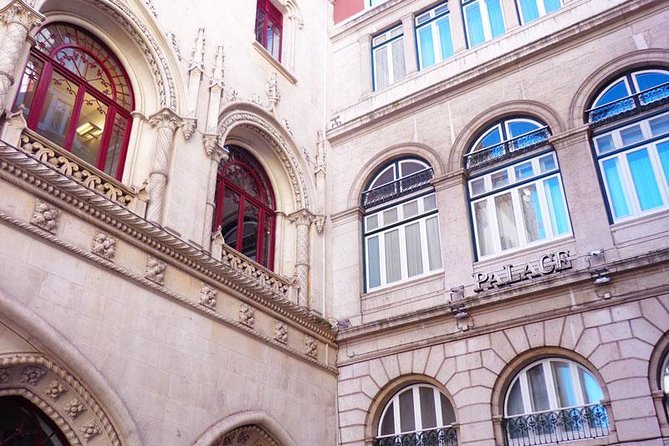
- Spy hotels and other key locations, so the intrigue has a physical address
- Free-to-enter public-square stops, which keeps the tour focused and budget-friendly
From Praça do Comércio to Restauradores, a Spy Walk With Real Context
If you like history that you can point at, this tour works. Lisbon is famous for light and tiles, but here you see a different side: a city where politics, business, and personal connections all tangled together during WWII-era intrigue. The format is simple. You meet downtown, walk from square to square, and your guide tells the stories that explain why these places mattered.
What makes it especially satisfying is the balance. This is not only about espionage mechanics. It also frames Lisbon’s role in the broader social and political picture, including Portugal under the dictatorship and what came after. That angle helps the spy stories land with meaning, not just drama.
You also get a real city benefit. Because the route runs through central Lisbon plazas, you end up with a mental map of where things are. That means later, when you want to wander on your own, you do not start from zero.
You can also read our reviews of more city tours in Lisbon

Price and Duration: What You Get for About $30
At $30.17 per person for roughly 2 to 3 hours, you are paying for guided interpretation, not museum entry. And the route is built on public squares and street-level landmarks, so you are not constantly paying extra for access.
This pricing feels fair if your goal is to learn fast and walk smart. For the same time you might spend on a self-guided stroll that only scratches the surface, this tour gives you a narrated storyline that ties locations together. The small group size is part of the value too, because it supports Q and A and keeps you from feeling like you are watching history through the back of someone else’s head.
Your Guide Matters: Art Historian Storytelling in English
The tour is led by a professional art historian guide. That matters more than it sounds. Art history training pushes you to notice place, setting, and how buildings and public spaces communicate power. On this walk, it shows up as explanations that connect why these squares and streets were important, and how Lisbon’s wartime position shaped the kind of intrigue you hear about.
Guides you might be assigned include Jose and Filipa, and some groups have also had Ze. In practice, the common thread is strong storytelling, clear pacing, and real answers when you ask follow-up questions. You should expect an English-language tour, with a style that mixes facts and narrative, and keeps the group moving at a pace that is generally workable for different ages.
Stop-by-Stop Itinerary: Lisbon Squares That Held Secrets
The tour follows a downtown path with a mix of longer plaza stops and shorter story points. Some stops have explicit durations and those are the ones listed most clearly. A few story segments are shorter, but still designed to be easy to follow while walking.
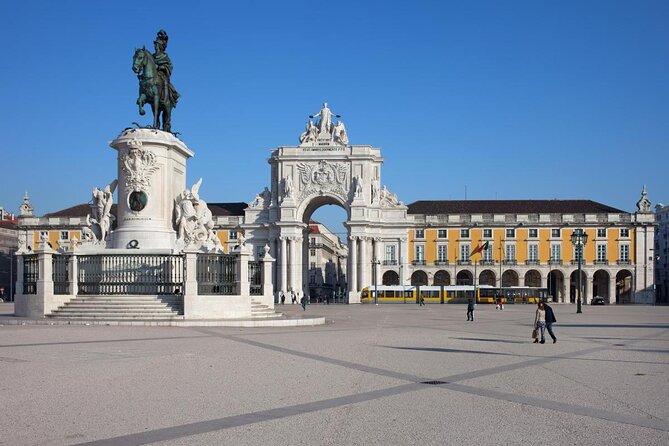
Stop 1: Praça do Comércio (Terreiro do Paço), the “Centre of Power”
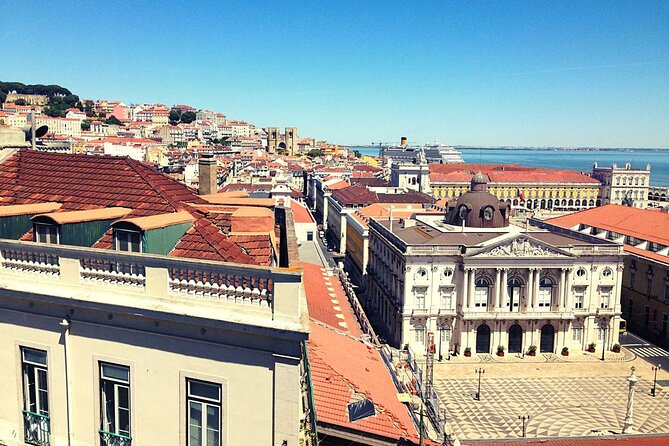
You start at Praça do Comércio, often called the Terreiro do Paço area, and the focus is how this place functioned as a center of authority. Expect your guide to set the stage here, using the square as a reference point for how power and movement shape what happens in a city.
Why this start is useful: it gives you a baseline. Before you hear about spies and secret networks, you understand the urban “gravity” of where you are standing.


Stop 2: Municipal Square, the Beginning of the Republic
Next comes Municipal Square, where the emphasis shifts to Portugal’s republican beginnings. This is a smart move because it widens the lens beyond WWII. If you only care about spy talk, it might feel like a detour for a minute, but it helps you see the political mood that formed the backdrop for later events.
This stop is brief, about 10 minutes, so it stays focused and does not drag.
Stop 3: The Jewish Gold and the Tungsten Story Point
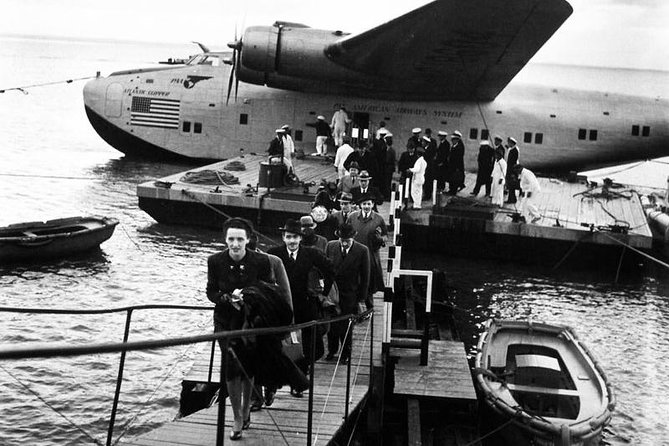
Then you hit a story segment described as Jewish gold and the tungsten traffic. This is one of those moments where the tour uses specific themes to explain why Lisbon attracted international attention during wartime. Even if you are not already deep into the topic, the way the guide frames it helps you understand that espionage often followed trade routes and economic pressure, not only coded messages.
Drawback to note: this is a topic-heavy portion. If you prefer lighter stories, you may want to pace yourself with water and pay close attention rather than skimming mentally.
Stop 4: Praça da Figueira, the Story of the Real James Bond
At Praça da Figueira, the tour leans into the “real James Bond” theme. This is the stop where the movie myth starts to meet real places and real wartime behavior. The goal here is not to make you believe Hollywood, but to show you how real-life intrigue can echo in popular culture.
If you are doing this tour because you like Bond, this is the payoff stop. It also works for non-Bond fans because it still anchors the story in Lisbon’s geography.
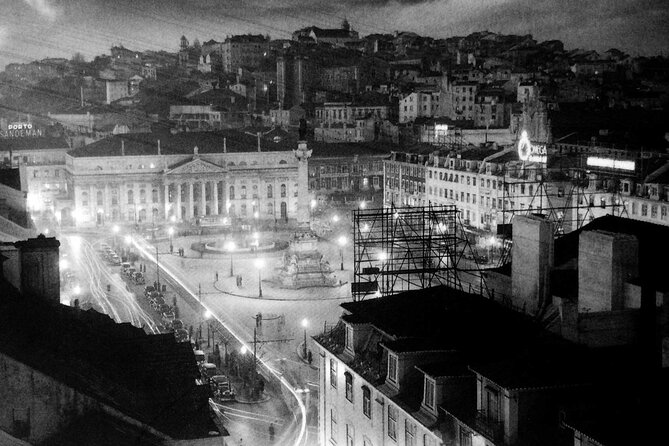
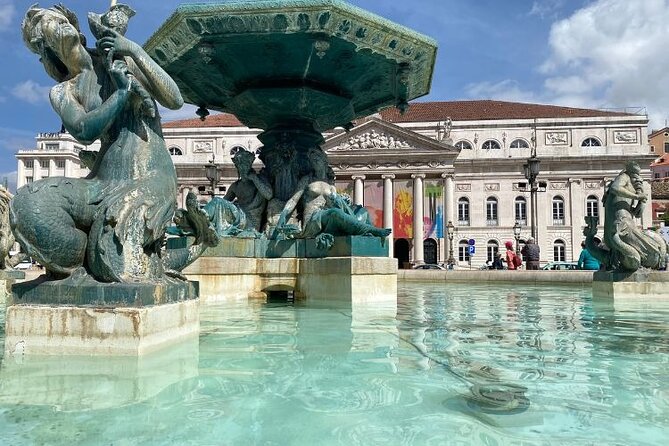
Stop 5: Praça Dom Pedro IV, Refugees and European Fashion Trends
Praça Dom Pedro IV adds social texture. The highlights include refugees and European fashion trends. That sounds like a surprising pairing, but it makes sense if you are tracking how war reshapes daily life, migration, and what people wear, buy, and communicate through.
This stop is about 15 minutes, long enough for your guide to connect the dots clearly without rushing.
Spy Hotels Stop, the Places Where Intrigue Could Hide
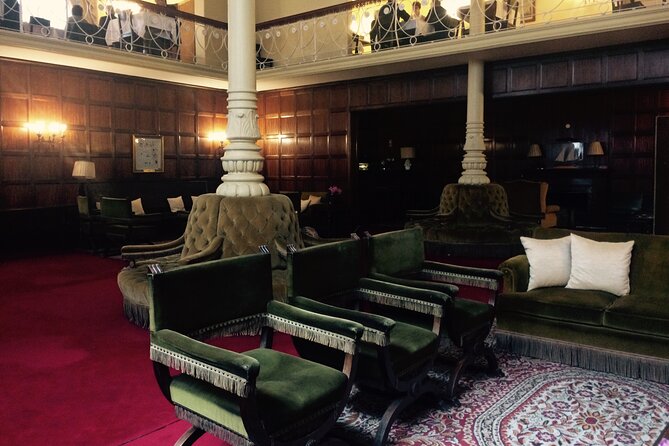
The route then includes a stop specifically described as the most famous spy hotels in Lisbon. This is where you shift from big-square politics to the kind of places where meetings, introductions, and casual conversations can turn into information exchanges.
This portion is memorable because it gives the stories a physical stage. You are not only hearing names, you are standing near the sort of buildings where those stories could plausibly unfold.
Stop 6: Praça dos Restauradores, the Garbo and Arabel Reference
Finally, you end at the Praça dos Restauradores area, with a highlight tied to the WWII double agent reference Garbo/Arabel. This stop wraps the arc with one of the most recognizable espionage names in the tour’s theme set, bringing the narrative back to wartime intelligence.
This is the last anchor point before you finish near Restauradores, so it works as a closing story that helps everything click together.
What the Tour Teaches About Bond Myths and WWII Reality
This tour does a good job of separating entertainment from context. The James Bond angle is there, but it is used like a doorway. When your guide talks about a “real” connection at Praça da Figueira, you get the idea that spy stories are rarely invented out of thin air. They grow from real situations, real movement, and real people navigating dangerous uncertainty.
The same is true for the Garbo/Arabel reference at Praça dos Restauradores. Instead of treating the name like trivia, your guide places it in the wider Lisbon setting, where international politics and business all influence one another. That is why the tour feels more satisfying than a simple list of famous agents.
One more plus: the guide’s framing extends beyond WWII. Some of the most useful value here is how the tour touches on life under Portugal’s dictatorship and the later period after. Even if your main interest is spies, this extra political context helps you understand why Lisbon could host so much intrigue without needing to read a textbook mid-walk.
Spy Hotels, Trade Stories, and Why Social Details Matter
It is easy to think espionage is only about letters, codes, and dramatic meetings. This tour nudges you to see a broader engine. Economic pressure and social change are treated as part of the spy ecosystem.
That is why those story points like Jewish gold and tungsten traffic feel important. Even without heavy technical explanations, they communicate the basic idea that wartime resources and trade routes pull attention from many countries at once. And once that pressure exists, hotels, introductions, and casual conversations start to matter.
The same idea shows up in the Praça Dom Pedro IV stop with refugees and European fashion trends. It is not random. It is how war reshapes everyday life, and how people carry signals, status, and information as they move through new neighborhoods.
How Easy Is the Walk, and What to Bring
The tour is designed to be walkable and generally works for older groups, but you still cover downtown on foot for about 2 to 3 hours. The pace is controlled, not sprinting, and the group stays small, which helps if you need a slower step for a moment.
Still, plan for fatigue after the midpoint. Some groups have noted they felt tired around the 2 hour mark. Rain can also change the comfort level fast, since you are outside in public squares.
My practical advice:
- Wear comfortable walking shoes with grip.
- Bring a light rain layer, even if the forecast looks decent.
- Keep water handy so you can focus on the stories instead of fighting thirst.
Who This Tour Fits Best
This is a strong fit if you want any of these:
- A fast way to learn central Lisbon, by walking through major squares you will likely revisit later
- WWII and spy-story interest, especially when you like real references such as Garbo and Arabel
- A narrative tour with a guide who connects political and social context, not only plot points
- A small group experience, so you can ask questions and keep the story flowing
It also works if you like cultural history. The art historian angle means the tour pays attention to place and setting, so you end up with stronger mental imagery of the city.
Should You Book the Lisbon City of Spies Tour?
I would book it if your goal is to see Lisbon with a sharper lens, not just a pretty one. For about $30, you get a guided walk that links famous squares to wartime intrigue, plus a downtown orientation that makes independent exploring easier afterward.
Book this tour if:
- You want spy stories grounded in real Lisbon locations
- You like WWII history with a Portuguese perspective and social context
- You prefer a small-group pace with frequent opportunities for questions
Skip it or consider another option if:
- You dislike walking for 2 to 3 hours, even at an easy pace
- You want mostly action and fewer political or social themes
FAQ
FAQ
How long is the Lisbon City of Spies Tour?
It runs about 2 to 3 hours.
What does the Lisbon City of Spies Tour cost?
The price listed is $30.17 per person.
Is the tour offered in English?
Yes, it is offered in English.
How large is the group?
The tour has a maximum of 15 travelers.
Where does the tour start?
The meeting point is Cervejaria Antártida Lisboa, Ala Poente do Palácio Real, Praça do Comércio R. C 20-23, 1100-038 Lisboa, Portugal.
Where does the tour end?
The tour ends at Restauradores, 1249-970 Lisbon, Portugal.
Are the stops free to enter?
The listed stops show free admission, with the itinerary noting admission ticket free for the squares.
Do I get a mobile ticket?
Yes, the tour includes a mobile ticket.
Is free cancellation available?
Yes, you can cancel for a full refund if you cancel up to 24 hours in advance.
Is the tour suitable for most travelers?
Most travelers can participate, and service animals are allowed. It is also near public transportation.
More City Tours in Lisbon


More Tours in Lisbon


More Tour Reviews in Lisbon
Not for you? Here's more nearby things to do in Lisbon we have reviewed








Lisbon City Tours, side by side.
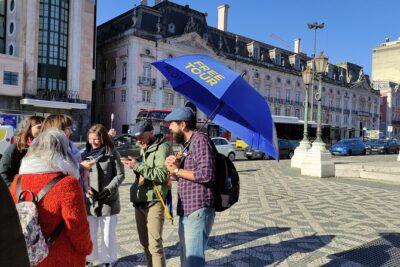 ★ 5.0Lisbon City Center Tour – The Unmissable LisbonTickets from $322,234 traveller reviews
 ★ 4.7Sintra, Pena, Regaleira, Cabo da Roca & CascaisTickets from $2319,656 traveller reviews
 ★ 4.1Jerónimos Monastery Entrance TicketTickets from $2114,164 traveller reviews
 ★ 4.8History, Stories and Lifestyle Walking TourTickets from $2910,902 traveller reviews
 ★ 4.5Sunset Boat Party Cruise with DJ and Open BarTickets from $2710,378 traveller reviews
 ★ 4.7Pena Palace, Sintra, Cabo da Roca, & Cascais DaytripTickets from $919,981 traveller reviews
 ★ 4.6Oceanário de Lisboa Entrance TicketTickets from $299,943 traveller reviews
 ★ 5.0True 4Hour Private Tuk Tuk Tour: Discover Lisbon with a Local!Tickets from $1088,008 traveller reviews
More useful lists for this tour