
Review · LISBON CITY TOURS
Lisbon Private Tour – The best introduction to the city
Lisbon is built in layers, and this walk shows you how fast. You start at the grand Praça do Comércio, then work your way through churches tied to Jewish, Moorish, and Christian chapters of the city. Two things I really like: you get Alfama and Mouraria covered in one half day, and the private guide helps you make sense of what you’re seeing instead of just moving from photo spot to photo spot.
The main thing to consider is that it’s a walking tour through hilly, historic streets, with short stops and lots of viewpoint time. If you’re expecting a slow pace, or you want food included, you’ll need to plan for comfortable shoes and a snack break on your own.
Key Highlights Worth Your Time
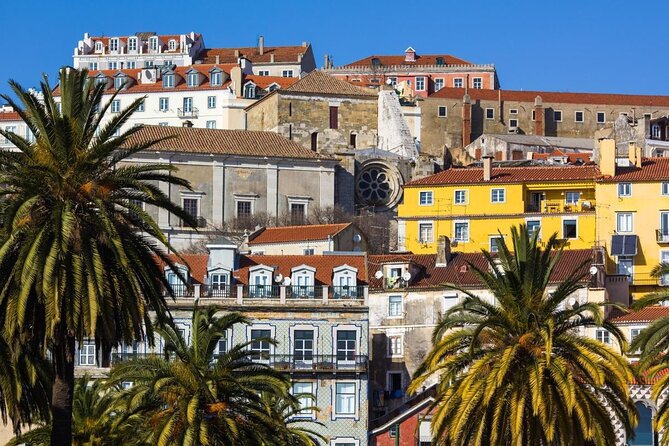
- Alfama + Mouraria in one tour so you leave with a mental map, not just memories
- Big orientation start at Praça do Comércio, then you fan out through old streets
- Layered faith sites where synagogues, mosques, and churches overlap in the same city fabric
- Viewpoints that do the heavy lifting at Portas do Sol, Santa Luzia, and Graca
- Fado culture cues at Calcada da Amalia and the Berço do Fado monument
- Family-friendly in practicality (most travelers can participate), with your guide setting the pace
Where You Start: Praça do Comércio and the Fast Track to Lisbon’s Layout
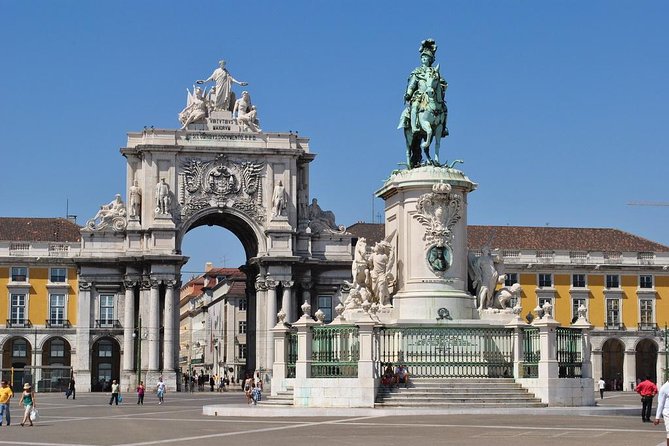
Your tour kicks off in Praça do Comércio, Lisbon’s biggest and most famous square. That matters more than you might think. Lisbon’s old center can feel like a maze once you hit the hills, and starting in a wide, open place gives your brain something to anchor on.
From there, your guide can point you toward how the city “funnels” from the river area up into the older quarters. You’ll also get a feel for what kind of streets you’re about to meet: tight lanes, steep grades, and those sudden turns where a church or viewpoint appears like a plot twist.
This is also where the private format earns its keep. If you have questions like Where should I go next? or What’s realistic for day two? you’re in the right spot to ask early, while you still have your bearings.
You can also read our reviews of more city tours in Lisbon


Igreja de Nossa Senhora da Conceição Velha: A Church on a Synagogue Site
One of the first stops is Igreja de Nossa Senhora da Conceição Velha. This church is famous for being built on the place of an older synagogue dating to the 1500s.
Why this stop works for a first-time visitor is simple: it shows you that Lisbon didn’t replace cultures one at a time. It stacked them. Even if you don’t know dates or names, you can look at the church and understand the idea of conversion and reuse in a very physical way.
The stop is brief, but it gives you a framework for the next religious-layer stop. And it’s the kind of detail your guide can explain in plain language, so you actually remember it later when you’re walking on your own.
Casa dos Bicos and José Saramago’s Foundation: Manueline Style Meets Modern Meaning
Next up is Casa dos Bicos, an old palace built in the famous Manueline style. The Manueline period is all about ornate design and sea-era Portuguese pride, and even a short look helps you spot why this style is recognizable across Portugal.
The building also now connects to José Saramago’s Foundation. That’s a smart pairing for a Lisbon introduction, because it’s not only about medieval walls and religious buildings. You’re also seeing how Lisbon honors literature and ideas in modern times.
If you’re the type who likes to understand a city beyond landmarks, this stop gives you that. You get architecture, plus a sense that Lisbon still creates culture, not just preserves it.
Lisbon Cathedral and the Old Mosque Connection

Lisbon Cathedral is another key moment. It’s described as the oldest church in Lisbon, built on the site of an old mosque.
This is the part where the tour stops being a random walk and starts becoming a story you can follow. You see a cathedral, but you also learn the deeper point: the city’s central religious sites changed hands, rebuilt, and reused across centuries. That helps explain why Lisbon feels both Catholic and complicated in an interesting way.
The practical benefit is that it gives you context for the entire surrounding area. When you understand why a site is where it is, you stop treating every street corner like a coincidence.
A Quick Pause at an Old Fountain (And Why Small Stops Matter)
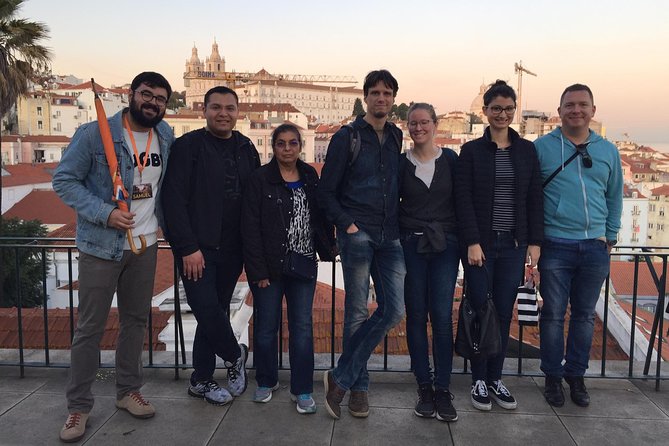
There’s also a stop for an old fountain built in the 1300s. It’s not a headline attraction, and that’s exactly why it’s useful on a short, three-hour itinerary.
Small historic elements like fountains tell you Lisbon wasn’t only built for show. It was built for daily life: water access, street rhythm, and public space. Even if you only spend a few minutes here, it breaks the walking into something more varied than church, view, church, view.
You can also read our reviews of more private tours in Lisbon






Alfama on Foot: Old Streets, Old Neighborhood Feel, and the Best Way to Learn the Hills
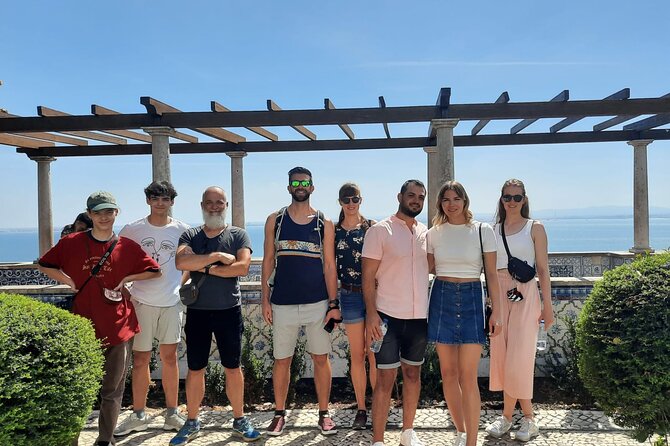
Then you hit Alfama, one of Lisbon’s oldest neighborhoods. The plan gives you time to walk around the streets of Alfama for about half an hour.
This is where the tour earns the tagline of an introduction. Alfama is the kind of place where you can get lost quickly, yet the fun is in the wandering. With a guide, you get that wandering without the frustration. You’re moving through the real texture of the neighborhood: narrow passages, corners that hide stairways, and views that pop up when you least expect them.
It’s also the portion where your shoes matter most. Cobbles and hills can slow you down, so the private pacing helps. You can ask your guide to slow near steps, or to take an alternate route if you want less climbing. The goal is to feel the neighborhood, not battle it.
Miradouro Das Portas do Sol: When a View Becomes Part of the Lesson
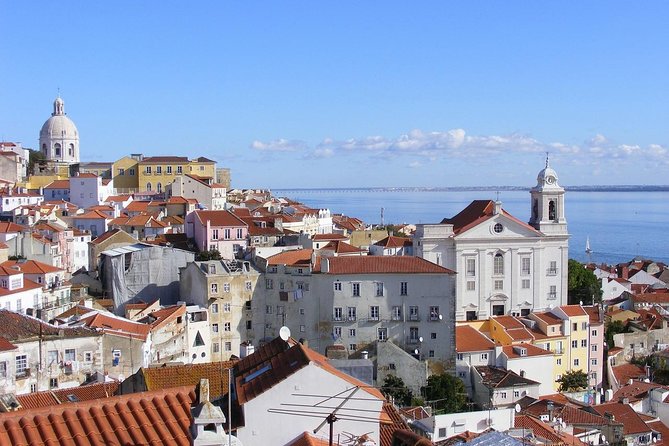
Next is Miradouro Das Portas Do Sol, one of Lisbon’s most beautiful viewpoints. You get about ten minutes here, which is the right length for a packed tour. Long enough to look, take in the city and river direction, and absorb what you’re seeing. Not so long that the group disappears into distracted photo time.
What you gain is orientation. You look out, then your guide ties it back to what you walked through: where Alfama sits, how the streets slope, and why certain angles give you the best views.
If you’re visiting during busy times, a good guide helps you avoid the worst bottlenecks. Even a small shift in timing can make your viewpoint experience feel calmer.
Miradouro de Santa Luzia: A Square That Feels Like a Postcard You Can Walk Through
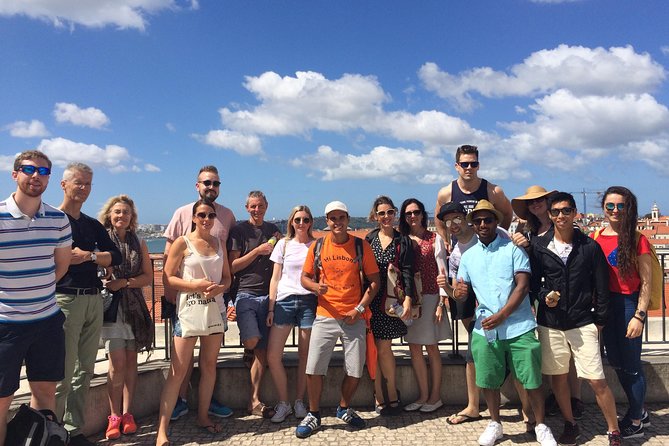
Miradouro de Santa Luzia comes next, another ten-minute viewpoint stop. You’ll spend time at a lovely square with a view on the back of Santa Luzia’s church.
This spot works because it gives you a different kind of framing than Portas do Sol. It’s not just scenery, it’s an arrangement of church, walls, and terraces that Lisbon does so well.
Also, a viewpoint stop is one of the best places to take a quick breather. If you’re walking uphill most of the morning, you’ll appreciate the built-in pause. Even without food included, you can at least reset your energy.
Calcada da Amalia: Fado Culture Under Your Feet
After the viewpoints, the tour shifts to culture you can literally step on: Calcada da Amalia. This is one of the most famous works with Portuguese stones, featuring the face of Amalia Rodrigues.
The tour frames her as the Queen of Fado, and even if you only know a few fado songs, recognizing her face makes the whole genre feel less abstract. Lisbon becomes a place where music is part of the street identity.
This stop is only a few minutes, but it’s one of those touches that sticks with people. It’s different from the usual monuments, and it gives you a “yes, this is Lisbon” moment in a small footprint.
Miradouro da Graca: Sophia de Mello Breyner Andresen and Another Perfect Angle
Miradouro da Graca is another ten-minute viewpoint stop. This is the one tied to Sophia de Mello Breyner Andresen, and that detail adds meaning beyond the view.
It’s a helpful reminder that Lisbon celebrates artists across eras, not only famous writers from long ago. The guide can connect the viewpoint to the city’s identity, and you’ll likely spot how the neighborhood’s geography shapes the feeling of fado and storytelling.
If you’re trying to decide where to spend your limited time, viewpoints like this are often the best “return on effort.” You put in the climb, then you get the payoff.
Mouraria: Moorish Roots and the Berço do Fado Landmark
After Alfama, you head into Mouraria for another walk around the streets, about thirty minutes. Mouraria is described as an area built by the Moors after Christians conquered the city, which gives you direct context for the neighborhood’s character.
This part of the tour helps you see that Lisbon’s culture isn’t one straight line. It’s a mix of influences, and the city still carries those traces in neighborhoods and street patterns.
Then you reach Monumento Mouraria Berço do Fado. This is a famous landmark tied to the idea of fado’s origins, and it helps you connect the music to place. You’re not only learning facts. You’re building a sense of how Lisbon’s creative culture took root.
There’s also a stop at a famous square built on the place of the biggest hospital in Lisbon. That kind of fact changes how you read the square. You stop thinking of it as only a scenic spot and start thinking of it as a historical crossroads.
The Real Value: Your Guide Sets the Tone (Sarah, Clayver, and Keiber)
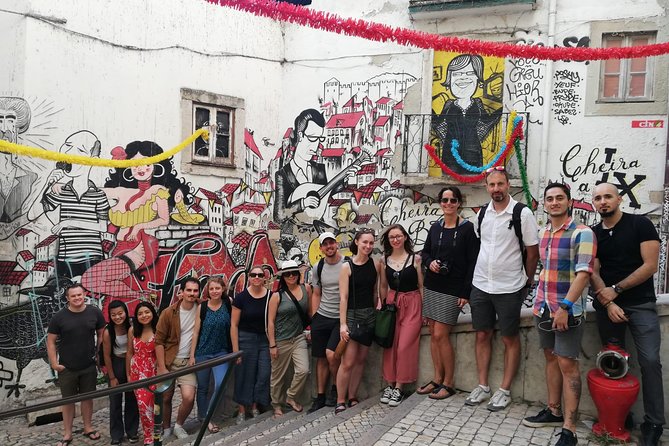
A private tour lives or dies on the guide. The best feedback you’ll see for Hi Lisbon Walking Tours is about guides who are engaging and flexible.
Names that come up with standout praise include Sarah, Clayver, and Keiber. In feedback, Sarah is described as insightful and engaging. Clayver is praised for being knowledgeable and flexible, including adapting to meet needs. Keiber is credited with providing an educational walk with off-the-beaten-path sites and a way to avoid cruise ship crowds.
Even if you do not meet those specific guides, the important part for you is what their strengths translate to: the tour doesn’t feel like a script. It feels like someone is showing you a city they care about, with a pace that works for your group.
What to do on your side: ask questions at the start, and keep asking when something surprises you. If you want extra time at a viewpoint, say so. If you want fewer steps, say so. This kind of tour is short, so steering it slightly makes your three hours more personal.
Price and What You’re Really Buying: $181.48 for Up to 6
The price is $181.48 per group, up to six people, for about three hours. That’s the kind of pricing that can be a smart move if you’re traveling with friends or family and want control over the pace.
The value boost here is that it includes a professional guide, and the listed stops note admission tickets as free. Since food and drinks aren’t included, you’re not paying extra for meals that you might not want.
Here’s how to think about value: you’re buying time plus interpretation. Lisbon is easier when someone points out the why behind the what. Without that, a short visit can turn into a list of buildings you forget.
One more practical perk: the tour uses a mobile ticket, and it’s offered in English. That reduces friction on the day, especially if you’re juggling other reservations.
Getting the Timing Right: Book Early and Plan for Endpoints
This tour is often booked around 63 days in advance on average, which is a clue that it’s popular as a first orientation. If you’re traveling in a busy season, it’s worth locking it in early so you don’t end up with just the less convenient time slots.
You’ll also want to notice that the tour ends in Praça da Figueira, not back at the original square. That’s usually a benefit because it places you in a central area to continue exploring. Just make sure you have a plan for transport or your next activity once the walk ends.
Before you go, I’d also plan for a simple reality check. Since food and drinks aren’t included, have water with you. If you’re prone to getting hungry during walking tours, consider eating a small snack before you start.
And yes, bring comfortable shoes. This itinerary mixes churches, historic streets, and multiple viewpoints, so your feet do most of the work in this tour.
Who This Tour Fits Best
This is ideal if:
- You want a strong first impression of Lisbon’s oldest neighborhoods
- You like walking tours but want someone else to handle the logic and context
- You want viewpoints and culture tied together, not separated into different tours
- You’re traveling in a group of up to six and can share the cost
It may not be the best match if:
- You dislike uphill walking or cobblestones
- You want long museum time or long indoor visits
- You need a tour that includes meals and longer breaks
Should You Book This Lisbon Private Tour?
Yes, if you want an efficient, high-impact introduction that helps you understand Lisbon instead of just seeing it. Starting at Praça do Comércio and then moving into Alfama and Mouraria is a smart route for first timers, and the combination of churches, historic layers, and major viewpoints makes your three hours feel full.
If you’re already comfortable navigating hills on your own and you only want one neighborhood, you might skip it. But if your goal is to get your bearings fast and leave with a sense of Lisbon’s story, this private tour is one of the better ways to do it in a short window.
FAQ
How long is the Lisbon private tour?
It runs for about 3 hours.
What is the price per group?
The price is $181.48 per group, up to 6 people.
Where does the tour start and end?
It starts at Praça do Comércio and ends at Praça da Figueira.
Is this tour private?
Yes. It is a private tour, and only your group participates.
What language is the tour offered in?
The tour is offered in English.
Does the tour include a guide?
Yes. A professional guide is included.
Are there admission tickets to pay for the stops?
The stops listed on the itinerary show admission ticket free.
What is the cancellation window?
You can cancel for a full refund up to 24 hours in advance of the experience start time.
More City Tours in Lisbon



More Tours in Lisbon



More Tour Reviews in Lisbon



Not for you? Here's more nearby things to do in Lisbon we have reviewed










Lisbon City Tours, side by side.
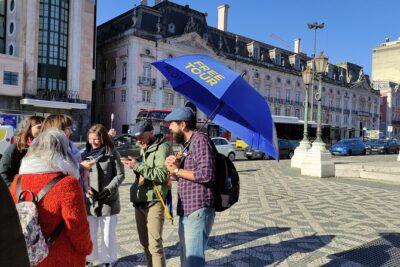 ★ 5.0Lisbon City Center Tour – The Unmissable LisbonTickets from $322,234 traveller reviews
 ★ 4.7Sintra, Pena, Regaleira, Cabo da Roca & CascaisTickets from $2319,656 traveller reviews
 ★ 4.1Jerónimos Monastery Entrance TicketTickets from $2114,164 traveller reviews
 ★ 4.8History, Stories and Lifestyle Walking TourTickets from $2910,902 traveller reviews
 ★ 4.5Sunset Boat Party Cruise with DJ and Open BarTickets from $2710,378 traveller reviews
 ★ 4.7Pena Palace, Sintra, Cabo da Roca, & Cascais DaytripTickets from $919,981 traveller reviews
 ★ 4.6Oceanário de Lisboa Entrance TicketTickets from $299,943 traveller reviews
 ★ 5.0True 4Hour Private Tuk Tuk Tour: Discover Lisbon with a Local!Tickets from $1088,008 traveller reviews
More useful lists for this tour