
Review · LISBON CITY TOURS
Lisbon: Street Art Tour
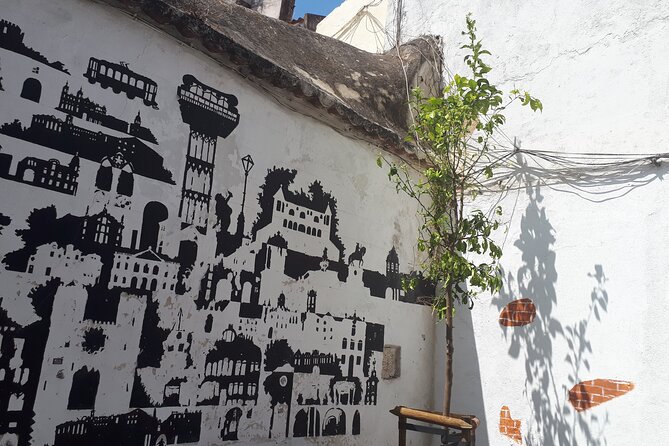
Street art turns Lisbon into an open-air museum. In about three hours, you move across neighborhoods and learn how street art changes with the streets it lives on, from fresh Bairro Alto walls to historic Graça corners. It is not just photos, it is street-level stories about art, place, and people.
What I like most is how the tour keeps things small and focused, so you are not lost in a sea of bodies. Second, I love the way guides bring the art to life with clear explanations and real context, including what street art means in Lisbon day to day.
One thing to consider is the walk itself. You need comfortable shoes and you must handle uneven or unpaved terrain, and the route is not suitable for wheelchair users.
Key things to know before you go
- You get a live street-art guide: The experience is led by someone who knows Lisbon walls and how to read them.
- Five neighborhoods in 3 hours: Bairro Alto, Chiado, Baixa de Lisboa, Mouraria, and Graça keep the pace moving.
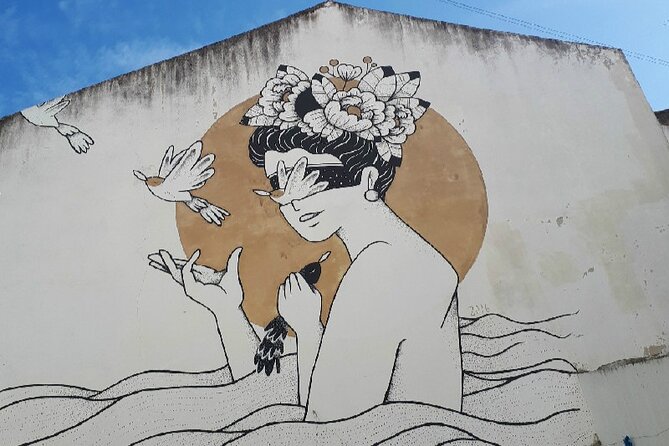
- Big murals plus small finds: You will see major works and also the tiny details most people walk past.
- Away from big crowds: The format is designed for a calmer, more personal feel.
- Expect hills and uneven ground: This is Lisbon on foot, so plan for the cobbles and slopes.
- English-speaking group tours: All guidance is in English.
Finding the art right away at the Interpress meeting point
The tour meets at R. Luz Soriano 67, in front of the Interpress building. It is an easy anchor point once you are in the area, and it helps you start without hunting down a mystery landmark.
From the start, you are in walking mode. That matters, because street art in Lisbon often sits in the narrow connections between sights, not in a neat line on a single boulevard. You will spend the time like a local does, moving from one block to the next, then stopping just long enough to really see what is on the wall.
If you have limited time in Lisbon, this format is also practical. Three hours is long enough to cover multiple areas, but short enough that you can still plan dinner, a view, or a tram ride afterward.
More Lisbon tours and experiences for the shortlist



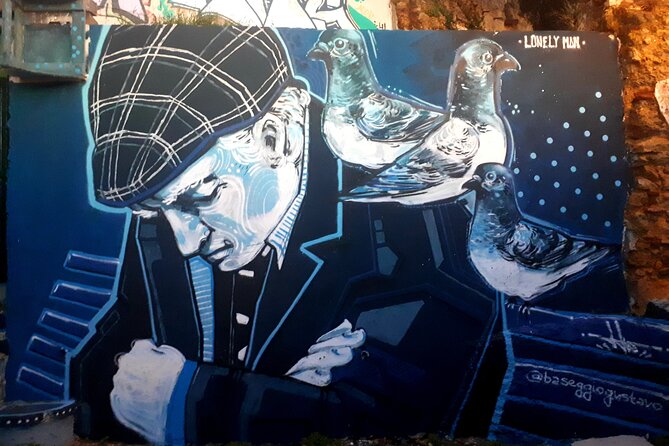
Bairro Alto murals, street sculptures, and a modern street-art mood
Bairro Alto is where the tour starts in earnest, with about one hour dedicated to this area. This is the neighborhood where street art often feels sharper and more current, and you can sense that energy as you walk.
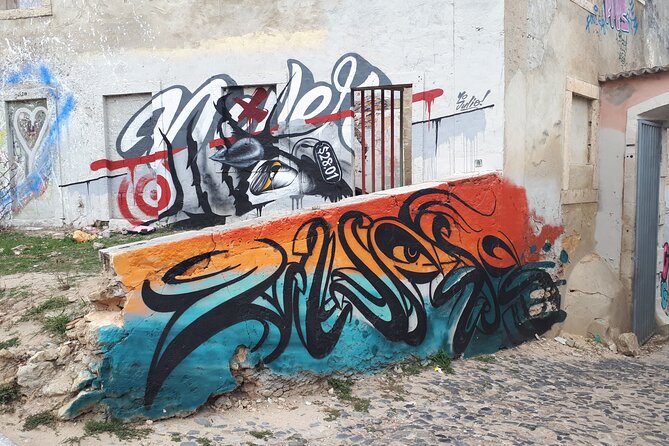
You will look for more than simple graffiti. The tour includes murals and street sculptures, so your eyes will shift from flat wall painting to shapes, textures, and three-dimensional work that catches light differently as you change angles.
A key value here is how your guide connects each piece to its setting. You do not just learn who made something, you learn why it fits here. Guides like Erica and Maria are often praised for story-first explanations that make the art feel like part of the neighborhood’s daily conversation.
Practical note: Bairro Alto streets can mean steep steps and short, uneven sections. If you are not used to hill walking, go slow on the first stretch. Your legs will adjust quickly.
Chiado and Baixa in short bursts that change how you see Lisbon

Next comes Chiado for about 20 minutes, then Baixa de Lisboa for another 20 minutes. These are shorter stops, but that can be a good thing. It prevents the tour from turning into one long photo stop and keeps you focused on what is most relevant in each pocket of the city.
Chiado often feels more refined than some of the surrounding neighborhoods, and that contrast is part of the point. Street art in a more classic, central area can look different, even when the style is similar. You start noticing how art can comment on the surroundings, not just decorate them.
Baixa gives you the downtown perspective. You are walking more open corridors and transitions where the walls feel like they carry the city’s regular flow. This is where you learn to spot street art as part of daily Lisbon movement, not as a separate attraction.
One drawback of these quick stops: if you are the type who wants to stare for 20 minutes at one piece, you will need to practice fast appreciation. The upside is that you get variety, and guides usually steer you toward details you would not spot on your own.
Mouraria: the neighborhood stop that makes street art feel personal
Mouraria gets about 30 minutes, which is long enough to slow down without dragging. This stop is valuable because it often changes the emotional tone of the walk.
Mouraria is described as charming, and on a street art tour, charm matters. It is the difference between seeing street art as a style and seeing it as a local voice. Pieces here tend to feel more connected to the rhythm of the streets you are walking.
What makes this stop especially worth your attention is the way a good guide points out how the community interacts with the art over time. In the tour, you are not only learning techniques and styles, you are learning how the neighborhood shapes what people notice and what gets remembered.
If it is raining, Mouraria can still work. Some guests specifically mention enjoying the tour even with a little rain, because street art is often protected by overhangs and you can keep moving. Just bring a light layer and plan for a slick step or two.
Graça historic district: big walls, small details, and Lisbon views
The final major stop is Graça, with about one hour in the historic district. This is a favorite segment for many people because the neighborhood experience adds something street art alone cannot.
Graça tends to reward looking up and looking around. You are moving through old streets, and the walls feel like part of a layered city. When a mural sits near viewpoints, it becomes more than a picture, it becomes part of the scene.
This is also where guides often make the tour feel like a complete narrative. They connect what you saw earlier to what you are seeing now. A strong guide, like the ones highlighted in reviews, tends to explain the social and political context behind street art, and then link it back to Lisbon’s neighborhoods and how those stories evolve.
Graça is also a practical reminder that Lisbon is hilly. You may feel the walking climb by the time you reach this portion. If your energy is limited, bring a quick water sip and focus on steady steps rather than speed.





Why the $40 price feels fair for a 3-hour guided walk
Street art tours can be hit-or-miss in other cities, usually because they end up as a quick highlight reel. This one aims higher: the guide walks you through neighborhoods and explains how culture and lifestyle shape what appears on the walls.
At $40 per person for about three hours, you are paying for three things:
- A live English guide who knows Lisbon’s street art scene
- A structured route that hits multiple districts in a single afternoon
- Time spent on context, not just locations
If you are visiting for the first time, that structure is the value. You leave with a better eye. Several guests say they started noticing pieces on the rest of their trip, because the tour taught them how to look for details.
Also, the tour is described as away from large crowds and groups. That matters. When a tour is calmer, you can ask questions and actually hear the answers. Guests repeatedly praise guides for responding to questions and speaking with clarity about art and neighborhood context, which is exactly what you want for $40.
What walking actually feels like, and what to bring
This is a walking tour, not a hop-on bus situation. You need comfortable shoes, and you should be ready for unpaved or uneven terrain. That is not a detail to ignore. Lisbon streets can shift from paved to rough quickly, and part of the charm is that the ground is real.
Oversize luggage is not allowed. If you are traveling with a suitcase, plan for a smaller carry or a bag that you can keep controlled while walking slopes.
It is not suitable for wheelchair users. If mobility is an issue, consider a different kind of tour or make sure you can handle uneven ground before booking.
For timing, you are out for three hours. You do not need a full day, but you do need your body ready to walk. Reviews also mention that the pace keeps it enjoyable even for first-timers, though it is still hills and steps.
How to make the most of the tour in real life
Here is how you get extra value from a street art route like this.
First, arrive ready to look up. Many street art details are not at eye level. If your brain keeps scanning for big murals only, you will miss the smaller pieces that guides often call out.
Second, ask follow-up questions. Guests mention guides answering lots of questions, and that is where the tour becomes more than sightseeing. If something interests you, get the meaning, the style, and the neighborhood connection in the same breath.
Third, bring your sense of humor and curiosity. Some guides are praised for story skills and a relaxed, fun tone. When a guide treats street art as an art form, not as vandalism or decoration, the whole walk feels better.
Finally, plan one extra stop afterward that matches the mood. If the tour gives you more respect for Lisbon street culture, you might want to return to an area for a second walk at night, when colors and light change how murals read.
Who should book this and who should skip it
This tour fits you if:
- You like street art and want more than just a list of murals
- You want Lisbon neighborhoods explained through their walls
- You enjoy walking and can handle uneven streets
- You want an English guide who can answer questions
Skip it if:
- You cannot do uneven or unpaved terrain
- You need wheelchair accessibility
- You dislike the idea of a hilly, neighborhood walking route
It also works especially well as an early Lisbon activity. It gives you a lens for the rest of the city, so you start spotting art even when you are not on the official route.
Should you book the Lisbon Street Art Tour?
I think it is a strong book if you care about art as culture, not just as images. The big reason is the guide factor. Across many comments, different guides are praised for storytelling, clear explanations, and linking the art to Lisbon neighborhoods and context. That is what turns street art from decoration into meaning.
The other deciding factor is the walking. If you can do uneven streets and hills, you will likely have a great time. If mobility is limited, you will struggle, and there are no soft adjustments built into the info.
If you want a memorable, different way to see Lisbon for $40 and you have three hours to walk, this is a smart choice.
FAQ
How long is the Lisbon street art tour?
The tour lasts 3 hours.
What does the tour cost?
The price is $40 per person.
Where do I meet the guide?
Meet your guide in front of the Interpress building at R. Luz Soriano 67.
Is the tour guided and in English?
Yes, it is a live guided walking tour, and the tour language is English.
What should I wear or bring?
Wear comfortable shoes. The route includes unpaved or uneven terrain, so plan for proper footwear.
Is the tour wheelchair accessible?
No. The tour is not suitable for wheelchair users.
More Street Art in Lisbon



More Tours in Lisbon





More Tour Reviews in Lisbon
Not for you? Here's more nearby things to do in Lisbon we have reviewed










Lisbon City Tours, side by side.
 ★ 5.0Lisbon City Center Tour – The Unmissable LisbonTickets from $322,234 traveller reviews
 ★ 4.7Sintra, Pena, Regaleira, Cabo da Roca & CascaisTickets from $2319,656 traveller reviews
 ★ 4.1Jerónimos Monastery Entrance TicketTickets from $2114,164 traveller reviews
 ★ 4.8History, Stories and Lifestyle Walking TourTickets from $2910,902 traveller reviews
 ★ 4.5Sunset Boat Party Cruise with DJ and Open BarTickets from $2710,378 traveller reviews
 ★ 4.7Pena Palace, Sintra, Cabo da Roca, & Cascais DaytripTickets from $919,981 traveller reviews
 ★ 4.6Oceanário de Lisboa Entrance TicketTickets from $299,943 traveller reviews
 ★ 5.0True 4Hour Private Tuk Tuk Tour: Discover Lisbon with a Local!Tickets from $1088,008 traveller reviews
More useful lists for this tour