
Review · LISBON CITY TOURS
Queer Lisbon Historical Tour
Lisbon tells a different story here. This Queer Lisbon Historical Tour stitches together LGBTQ+ Portugal across monuments, public spaces, and the political forces that shaped what was allowed to be seen. If you care about context, not just trivia, this tour gives you a clear path through the city.
Two things I really like are the stop-by-stop focus on how laws, religion, and political power affected everyday queer life, and the practical takeaway of an updated Queer Map of Lisbon (PDF). The pacing feels thoughtful, with frequent short pauses so you can absorb what you are seeing.
One consideration: it runs about 4 hours and you should have a moderate fitness level. Lisbon has slopes, and you will be on your feet for long stretches, plus the tour depends on good weather.
Key highlights you should know before you go
- A route built around real sites tied to homophobia, activism, church influence, and dictatorship-era control
- A clear arc from past to present, ending with contemporary queer organizing and immigrant energy
- A small group limit (up to 20), which usually means more room for questions and discussion
- A viewpoint break during the Bairro Alto/Bica area walk to reset your eyes on the city
- Finish at a queer-owned venue connected to Black queer resistance in Graça, through Criolense Kitchen Club
- English available, with a local guide who can also speak Portuguese
Why this queer Lisbon walk feels more meaningful than a typical tour
This is not just a tour of trendy neighborhoods or a list of famous names. The route links six major stops to a question that keeps coming up: who gets to belong, and who gets pushed out.
At the start, you move through a memorial space that frames the entire day. From there, the tour keeps widening the lens, looking at public demonstration, neighborhood experience, religious regulation, and dictatorship-era social rules. You are also asked to think about present-day inclusion, not just the past. That balance is why the experience feels grounded.
And because it ends at a queer-owned venue in Graça, it doesn’t leave you with only history. It gives you a next step for continuing the conversation in the neighborhood where contemporary organizing happens.
You can also read our reviews of more historical tours in Lisbon



Price and what you actually get for $72.29
At $72.29 per person for about 4 hours, the price is in the “reasonable for a thematic walking tour” zone. What makes it feel fair is the mix of guided storytelling and a tangible tool you can use after: the updated Queer Map of Lisbon (PDF).
You also get a local guide who offers Portuguese and English-speaking interpretation, which matters in Lisbon where many tours are either only one language or the translation can be uneven. Here, the structure is built for both.
You should also know what is not included. There is no dinner package. The tour ends at a venue, but you will be paying for your own food and drinks if you choose to stay for a meal. For value, that is normal, but it does mean you should plan your timing if you are hungry.
Meeting point, walking pace, and group size in Lisbon terms
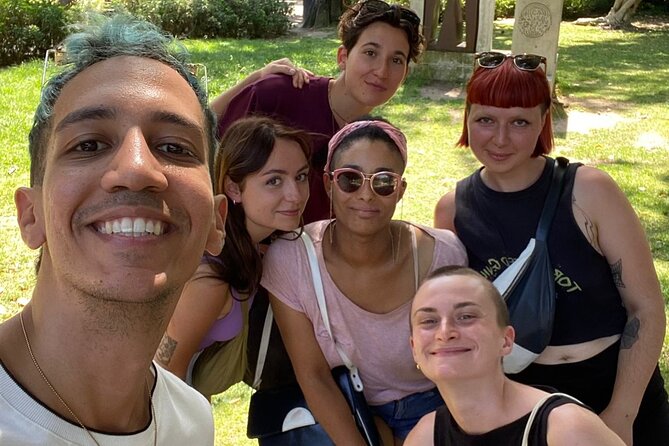
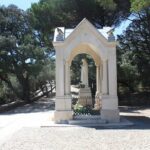
The tour meets at the Juniper tree arbor in Misericórdia (Lisbon 1250-095) and ends in Graça, Lisbon. That end location is useful, because it can set you up to keep exploring a queer-friendly neighborhood right after the guided portion.
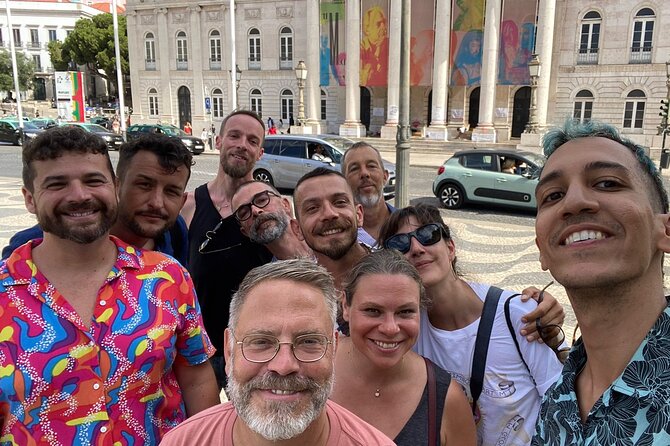
The group size max is 20 travelers, which tends to create a more human experience. You are not fighting for attention at every stop, and it is easier for the guide to steer discussion without rushing everyone along.
Expect a walking tour with Lisbon hills and a moderate fitness requirement. Shoes that work well on slopes help. Bring water, especially if you hit warm weather, and dress for the day since the experience requires good weather.
Stop 1: Príncipe Real and the monument that frames the whole LGBTQ+ story

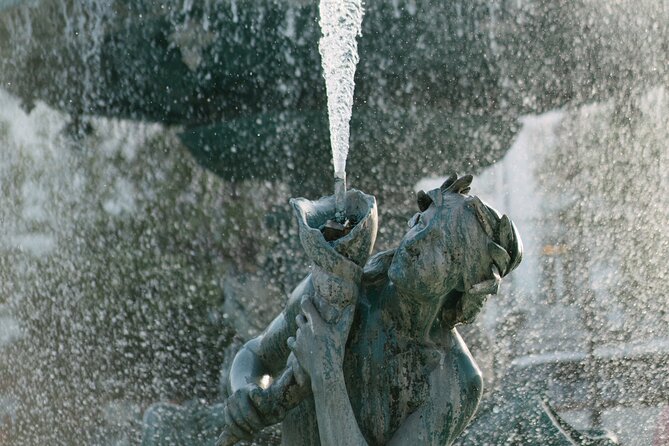
You begin in Príncipe Real at a monument honoring victims of homophobia. That sets the emotional tone early, and it works as more than a photo stop. The guide gives you an overview of LGBTQ+ movement beginnings in Portugal, including the first Pride March and public demonstrations.
I like this kind of opening because it anchors the rest of the tour in real stakes. You are not learning concepts in the abstract. You are learning how visibility and resistance show up in public space, and why memorials matter to that story.
This stop runs about 30 minutes, with admission listed as free. Short and focused is usually the right approach here. If you linger too long, you can miss the context that follows, which is where the tour really starts connecting themes.
Stop 2: Bairro Alto, Bica, and Cais do Sodré, where day and night change the rules
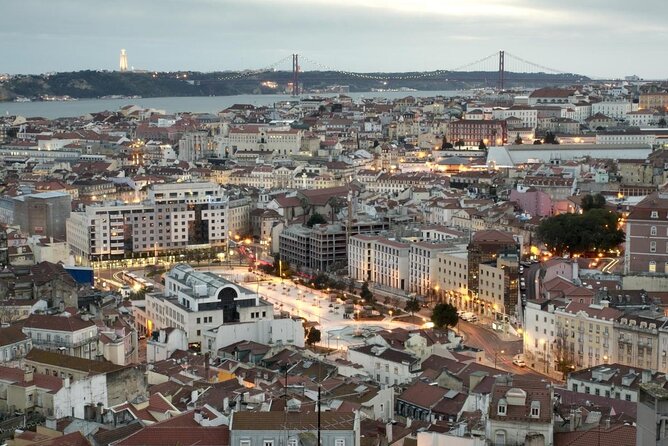
From Príncipe Real, you head into the Bairro Alto, Bica, and Cais do Sodré area. Along the way, you pause at a viewpoint where you can take in the city’s hills and the way neighborhoods sit on the slopes.
This stop is about more than views. The guide talks about how a queer neighborhood changes from day to night. You also discuss how access and privilege shape what people experience, and why that matters when you ask whether inclusion is truly for everyone.
A strong part of this stop is that it does not pretend social progress is automatic. It points to patriarchal and colonial mindsets that can still shape everyday behavior, even when the city feels welcoming on the surface.
Time here is about 20 minutes, and admission is free. It is a good length, enough to understand the theme without turning it into a long lecture.



Stop 3: Largo Trindade Coelho, Padre António Vieira, and religious control of sexuality
At Largo Trindade Coelho, you look at the monument of Padre António Vieira and connect it to the church’s role in regulating sexuality. The tour explains how religious institutions influenced societal attitudes toward homosexuality and toward any expression that strays from social norms.
This is one of the more intense stops, but it is also one of the most important. It helps you understand why social stigma can last even after laws change. Religious influence shapes what communities consider acceptable, and those expectations often filter into schools, families, and public life.
The stop lasts about 20 minutes, admission listed as free. Because the time is limited, the guide’s job is to hit the key ideas clearly. If you are the kind of traveler who likes to keep asking questions, this is also a stop where you may want to pause and think about what you already know about Portugal and how it fits into the bigger picture.
Stop 4: Largo do Carmo and the revolution site under dictatorship pressures
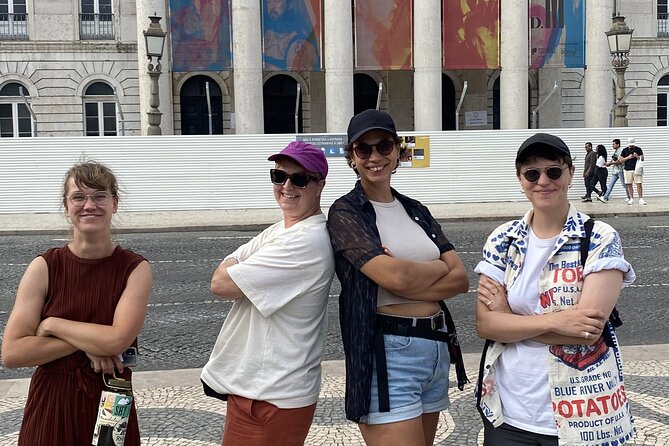
Next up is Largo do Carmo, tied to the site where the Portuguese revolution began. This stop connects political history to social control, focusing on dictatorship, described here as the longest-lasting in Europe, and how it shaped society’s mindsets.
The tour explains the strict family model that the regime promoted, a man, a wife, and happy children, with nothing different. It also highlights resistance by key LGBTQ+ figures during that time.
I like that this stop turns politics into something personal. Dictatorships are not just dates in a history book. They shape what people dare to say, love, and show in public. And by linking resistance to queer figures, the tour reminds you that oppression was met with organizing, courage, and risk.
This stop is about 20 minutes and admission is free. If you are short on time elsewhere in Lisbon, this is still worth fitting in because it provides context that can help you read the city better on your own afterward.
Stop 5: Prça Martim Moniz and what contemporary queer activism is challenging now
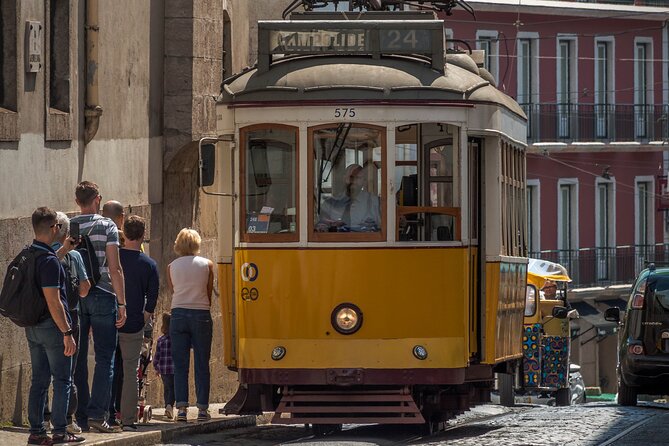
At Praça Martim Moniz, the tour shifts into the present. You talk about contemporary queer movements that challenge structures and raise questions about who has power and who gets to live openly.
The guide also brings up immigration and how immigrants bring new strength and perspectives to LGBTQ+ movements in Portugal. That matters, because queer history is not isolated. It grows through alliances, migration, and the realities of people building community in different conditions.
Time is about 20 minutes here, admission listed as free. It is the kind of stop that helps you avoid one common trap, seeing queer history as something trapped in the past. Instead, you see it as ongoing work.
If you are hoping the tour ends with a hopeful tone, this is where it begins.
Stop 6: Graça and São Vicente, finishing at Criolense Kitchen Club’s Black queer resistance
The tour ends in Graça & São Vicente, at a queer-owned venue. The focus at the finish is a tribute to the Black queer resistance connected to Criolense Kitchen Club and its presence in the Graça neighborhood.
This is a strong way to close because it links community, culture, and resistance. You get a sense of place, not just a lesson. And by centering Black queer resistance, the tour broadens the story beyond a single lens.
It is also practical. Once the tour ends, you are in an area you can keep walking, and you can choose whether you want to eat and recharge at the venue or keep exploring nearby streets on your own.
The final stop is about 20 minutes, admission listed as free. The point is to leave you with a meaningful destination, not to drag the tour longer than it needs to be.
The guide approach, and why this one tends to feel fun
The tour runs with a Portuguese and English-speaking local guide, and the vibe from past guests has consistently been positive: earnest, informative, and genuinely fun. That matters, because “serious topic” tours can sometimes feel heavy in a way that blocks learning.
Here, the tone seems to stay human. The questions that come up in conversation, like whether inclusion is truly for everyone, keep the story from becoming just a history lecture. And with a maximum of 20 travelers, discussion stays more manageable.
You do not need to know LGBTQ+ history before you arrive. The tour is built to explain the connections step by step, from memorials to religion to dictatorship to present-day organizing.
Practical tips so you have an easy, comfortable day
Here are a few things that will help you get the most out of the experience, based on what you will actually be doing.
Wear walking shoes with decent grip. You will be moving between stops and likely dealing with Lisbon slopes.
Bring a light layer if the weather turns. The experience requires good weather, so if it is a damp day, plan for the tour operator to adjust with a different date or a refund.
If you want to keep going after the tour, plan to be finished in Graça. That neighborhood positioning is one of the best reasons to book this at the right time in your Lisbon schedule.
Pack for comfort but not bulk. This is a compact walking route, and a huge bag can slow you down when you are stopping for explanations.
Should you book this Queer Lisbon Historical Tour?
Book it if you want a walking tour that treats LGBTQ+ history like real context, not like a checklist. I think it is especially worth it if you care about how power systems shape everyday life, because the route connects homophobia memorials, church influence, dictatorship social rules, and today’s activism.
It is also a good choice if you like tours that end somewhere you can continue the experience. Finishing in Graça at a queer-owned venue tied to Black queer resistance gives the day an aftertaste, not an abrupt stop.
Skip it or choose a different option if you know you have trouble with about 4 hours of moderate walking, or if you are traveling on a day with uncertain weather. Since it depends on good weather, choose a slot where you can be flexible.
If you want to see Lisbon through a more honest lens, with a guide who makes the topic approachable and keeps the pace friendly, this tour earns its strong ratings.
More Historical Tours in Lisbon



More Tours in Lisbon



More Tour Reviews in Lisbon
Not for you? Here's more nearby things to do in Lisbon we have reviewed










Lisbon City Tours, side by side.
 ★ 5.0Lisbon City Center Tour – The Unmissable LisbonTickets from $322,234 traveller reviews
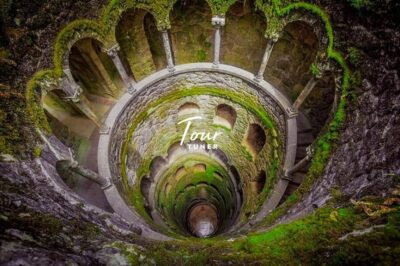 ★ 4.7Sintra, Pena, Regaleira, Cabo da Roca & CascaisTickets from $2319,656 traveller reviews
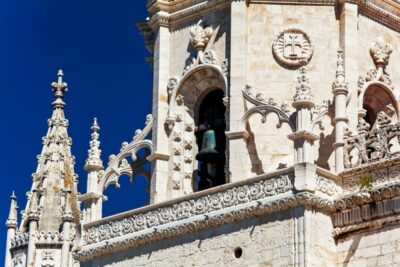 ★ 4.1Jerónimos Monastery Entrance TicketTickets from $2114,164 traveller reviews
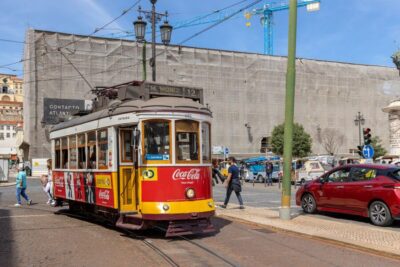 ★ 4.8History, Stories and Lifestyle Walking TourTickets from $2910,902 traveller reviews
 ★ 4.5Sunset Boat Party Cruise with DJ and Open BarTickets from $2710,378 traveller reviews
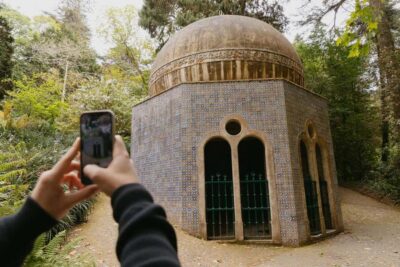 ★ 4.7Pena Palace, Sintra, Cabo da Roca, & Cascais DaytripTickets from $919,981 traveller reviews
 ★ 4.6Oceanário de Lisboa Entrance TicketTickets from $299,943 traveller reviews
 ★ 5.0True 4Hour Private Tuk Tuk Tour: Discover Lisbon with a Local!Tickets from $1088,008 traveller reviews
More useful lists for this tour