
Review · LISBON CITY TOURS
Private Tour – African History in Lisbon
African history is not a side note in Lisbon. It is built into the streets, the trade, and the city’s long relationship with the Atlantic world, from the 1500s onward. This private walk connects history, anthropology, and contemporary life in neighborhoods most visitors pass through without a second look.
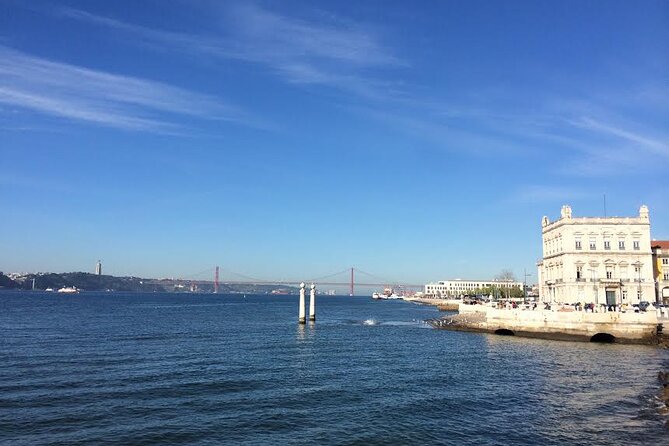
I especially liked how the route focuses on small, specific places, not just big museum stops. You spend real time around the fountain at Chafariz D’El Rei and the commerce areas near Praça do Comércio and Campo das Cebolas, where the city’s economic story is impossible to understand without African lives in the picture.
One thing to consider: the tour is offered in English, and on one date a guest reported the guide’s English was hard to follow. If you’re sensitive to slower or unclear narration, plan to ask a few questions early to confirm you’re catching everything.
Key highlights you should know
- Private, just your group: less rushing, more room for thoughtful questions.
- A route with meaning: stops track slavery, trade, and daily life through Lisbon’s older corners.
- Chafariz D’El Rei stop: an old fountain tied to water access for enslaved people.
- Alfama and Mouraria focus: neighborhood history alongside immigration and heritage.
- Guide Filipa Oliveira praised for empathy and patience in multiple reports.
- Free admissions at each stop so you are paying for storytelling, not ticket fees.
Why African History in Lisbon Changes How You See the City
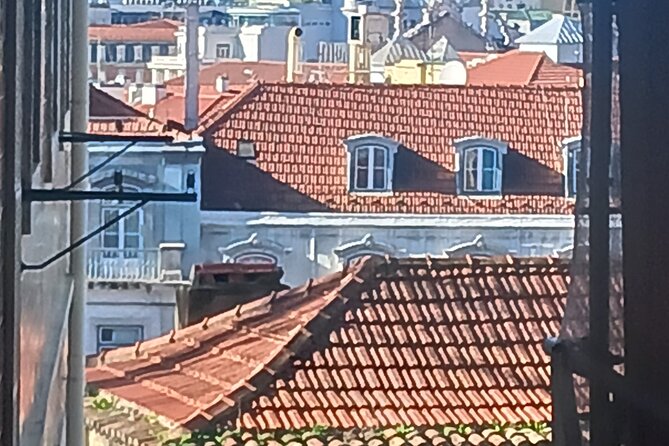
Lisbon is famous for hills, tiled facades, and the romance of the sea. What this tour does is force a different kind of clarity. You start to see the city as a trading hub, tied to ships, ports, and human lives moved across oceans. The tour frames slavery not as abstract history, but as a “latent reality” that shaped Lisbon’s economy and everyday structures.
That is why this tour feels practical, even if the topic is heavy. You are not just hearing big ideas. You are walking between landmarks where those ideas connect to real places: plazas, fountains, and commercial zones. The result is that your future Lisbon conversations will sound smarter, because the city will finally match the full story.
You can also read our reviews of more private tours in Lisbon



Price and time, what you are actually paying for
At $93.62 per person for about 2 to 3 hours, this is not a bargain in the way free self-guided walking is. But it is also not overpriced for what you’re getting: a private guide who ties multiple Lisbon locations together into one coherent theme.
Here’s the value math that matters for your planning:
- You get a private setting, so you can ask questions without losing your place in a larger group.
- You get a focused route. This topic is easier when you move stop to stop, because each place adds another layer.
- Every scheduled stop lists free admission, so you are paying mainly for guiding and interpretation.
It also helps that this tour is popular enough that bookings average about 46 days in advance. That often means guides keep their routes tight and responsive.
Meeting at Rossio and ending at Praça do Comércio
The walk starts near Lisboa Rossio, at R. 1º de Dezembro 125, and it ends at Praça do Comércio. That end point is handy because it is right in the city’s classic waterfront zone, where it is easy to grab a meal or connect to other plans.
A practical note: because the route is designed around central neighborhoods, it is well placed for public transportation. And it is a private experience, so you will not feel like you are being herded through stops like a timed museum visit.
The stop-by-stop route, what each place adds
This tour is paced like a story. Each stop is short, then you move on while the meaning is still fresh.
Stop 1: Lisbon proper, African heritage as a city story
Your first chunk is a quick orientation in Lisbon that sets the theme: African heritage in the city, and how enslaved people were part of Lisbon’s history and economy from the 16th century into later centuries. Even though it is only about 15 minutes, this start matters because it prevents the tour from becoming a random walk through unrelated landmarks.
What you’ll get here
- A framework that helps you interpret the later stops.
- The sense that slavery and commerce were not hidden, they were part of how Lisbon functioned.
What to watch
- Since the stop is brief, it helps to be ready with one or two questions so the guide can target your interests.
You can also read our reviews of more historical tours in Lisbon






Stop 2: Praça Dom Pedro IV, links to Black African history
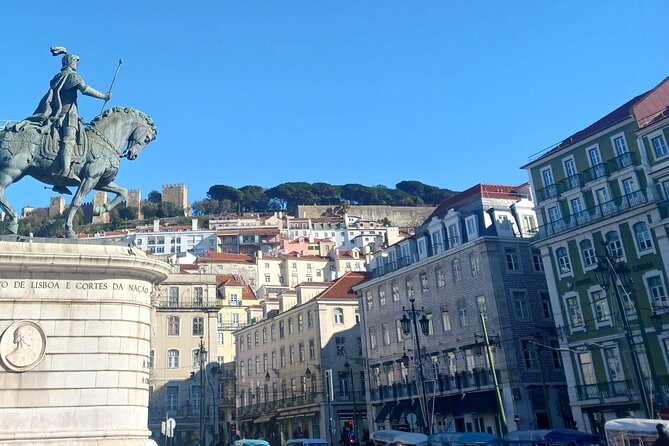
Next you head to Praca Dom Pedro IV, around another central activity area. This stop ties into Black African history and slavery across the kind of urban life that happened in major squares.
Why it works
Squares are easy to miss as “history places,” because they look generic on a map. Here, the guide uses the location to show how larger city spaces connect to the bigger Atlantic story.
How to get more out of it
If you like context, ask how the square functioned in the flow of people and goods. That kind of question turns a quick stop into a mental map.
Stop 3: Castelo, Alfama, and Mouraria, heritage in lived neighborhoods
Then comes the heart of the walk through Castelo, Alfama, and Mouraria. This is described as typical Lisbon territory where immigration and heritage are woven into the city’s identity.
This is one of the most important segments because it shifts the topic from trade and power into people and continuity. Instead of only focusing on the past, the tour connects what you see now to longer patterns of movement and cultural presence.
What you’ll notice on the ground
- The streets and viewpoints in this area naturally slow you down, which is good for reflective conversations.
- The route encourages you to look beyond postcards and ask who lived where, and why.
Potential drawback
If you dislike walking on hilly or older street segments, wear shoes with grip. One review specifically called out that comfortable walking shoes make a difference.
Stop 4: Chafariz D’El Rei, the fountain detail that sticks
At Chafariz D’El Rei, the guide points you to an old fountain in Lisbon tied to the idea that enslaved people had their own tap to draw water.
That kind of detail is exactly why this tour feels memorable. It moves the story from speeches into infrastructure. Water access, daily routines, and basic survival are where history becomes real.
What you’ll get
- A concrete example of how unequal systems shaped everyday life.
- A chance to connect “history” to a physical object you can still see.
Stop 5: Praça do Comércio, the main square and Lisbon’s core story
Next is Praça do Comércio, the city’s main square area, and a place connected to the broader history of Lisbon.
This is a longer stop at 30 minutes, which is useful because it gives time to connect the dots: commerce, movement, and the city’s role in larger economic systems.
Why the extra time matters
In a story like this, the meaning of a plaza depends on what came before and what comes after. The longer stop helps you absorb it rather than just glance and move on.
Stop 6: Campo das Cebolas, commerce, arrivals from the colonies
The walk finishes with Campo das Cebolas. This area is tied to commerce in Lisbon, including the arrival of enslaved people from the colonies, particularly from Africa. The stop is also described as a place with architectural remains and multiple layers of history.
What you’ll appreciate here
- It ties the earlier African heritage theme to Lisbon’s trade routes.
- It ends in a zone where you can feel the city’s “infrastructure of history,” not just its monuments.
Guide experience, Filipa Oliveira and the tone of the tour
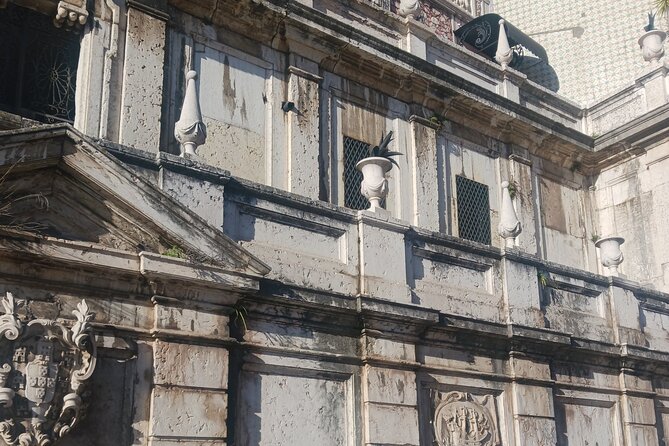
The name that comes up strongly in feedback is Filipa Oliveira. People describe her as patient when timelines shift and as someone who explains with empathy while staying grounded in facts.
That “tone” is important on this kind of topic. You want the history handled with respect, not like a lecture you survive. Multiple reports mention thoughtful conversation time because the tour is private. That private setup can make a difference if you like to ask follow-up questions instead of only hearing a set script.
One less positive note in the feedback also matters for your decision. On one date, a guest felt the English was difficult to understand. That does not mean the tour is consistently hard to follow, but it is a good reminder to plan for your own listening comfort.
What to expect from the walking pace
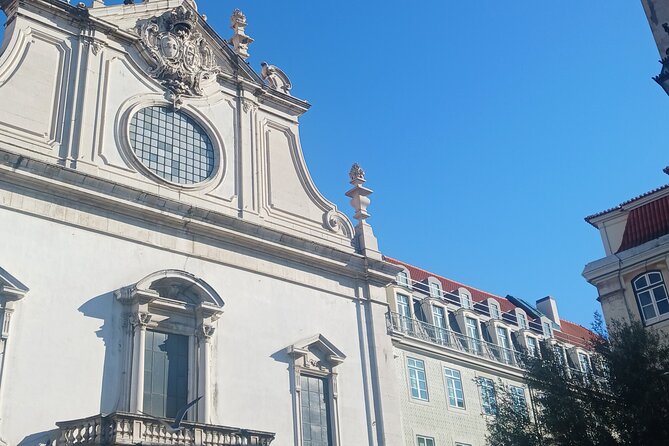
This is a walking route across central Lisbon, built around short guided segments. Plan on a light-to-moderate walk. Because the tour includes neighborhoods like Alfama and Mouraria, the streets can be uneven and the terrain can feel more demanding than flatter city areas.
My practical suggestion:
- Wear comfortable shoes with grip.
- Bring water, especially if you are touring in warmer months.
- If you need a slower pace, bring it up early. A private guide can often adjust within reason.
Free admissions at every stop, so your money goes to guiding
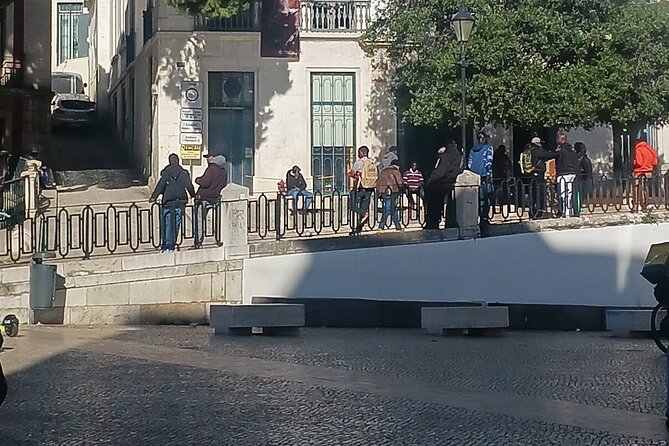
Each stop lists admission ticket free, which is huge for value. You are not spending the tour budget on museum entries you might not even care about. Instead, you are paying for interpretation, pacing, and connections between places.
This matters because the subject is specific. A guide can point out what to notice, what to question, and how to avoid treating the topic as a single tragic chapter. The tour’s structure is designed to keep the topic connected to Lisbon’s physical layout.
How to decide if this tour fits your Lisbon style
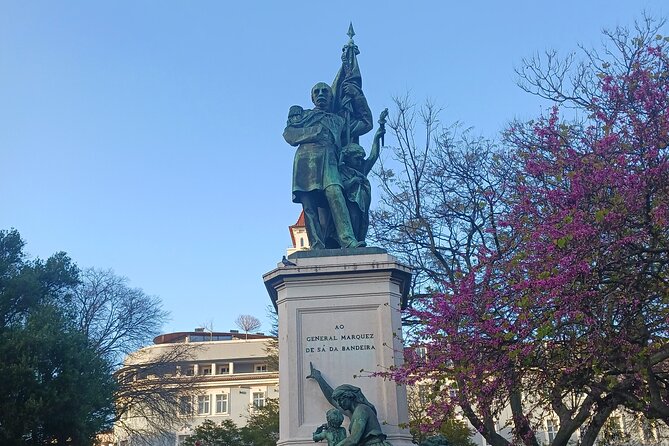
You should strongly consider this tour if you want:
- A walking tour with a theme that changes how you interpret Lisbon’s center.
- More than surface-level storytelling, with attention to how history shows up in everyday spaces.
- A private format where you can ask questions and pause for conversation.
You might hesitate if:
- You are worried about following the tour in English and you need crisp, easily understood narration.
- You prefer light entertainment tours and are not ready for a slavery and commerce focus. This is not a casual history stroll.
Should you book this African History Private Tour in Lisbon?
My take: yes, if you want Lisbon to feel more truthful.
At $93.62 per person for 2 to 3 hours, you are buying a focused private route that ties together plazas, neighborhoods, trade-linked areas, and one striking water-access story at Chafariz D’El Rei. The route also ends in a convenient central location near Praça do Comércio, so it blends well with the rest of your day.
Book it if you like walking, discussion, and context you can carry forward. If English clarity is a deal breaker for you, consider booking with confidence but arriving ready to ask a question early to confirm you are comfortable with the narration pace.
FAQ
How long is the African History in Lisbon private tour?
It runs about 2 to 3 hours.
What is the price per person?
The price is $93.62 per person.
Is this tour private or shared?
It is a private tour, so only your group participates.
What language is the tour offered in?
The tour is offered in English.
Where does the tour start and end?
It starts at Lisboa Rossio (R. 1º de Dezembro 125, 1249-970 Lisboa) and ends at Praça do Comércio (1100-148 Lisbon).
Do you need tickets for the stops?
The stops list free admission.
Is cancellation free?
Yes. You can cancel up to 24 hours in advance for a full refund.
Are service animals allowed?
Yes, service animals are allowed.
More Private Tours in Lisbon



More Tours in Lisbon



More Tour Reviews in Lisbon



Not for you? Here's more nearby things to do in Lisbon we have reviewed











Lisbon City Tours, side by side.
 ★ 5.0Lisbon City Center Tour – The Unmissable LisbonTickets from $322,234 traveller reviews
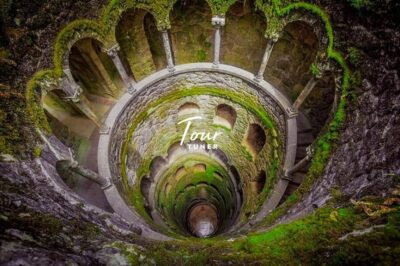 ★ 4.7Sintra, Pena, Regaleira, Cabo da Roca & CascaisTickets from $2319,656 traveller reviews
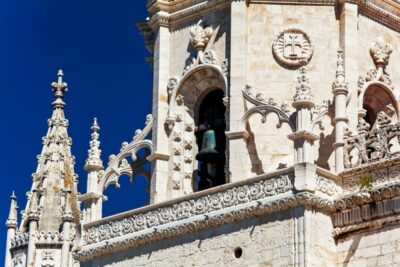 ★ 4.1Jerónimos Monastery Entrance TicketTickets from $2114,164 traveller reviews
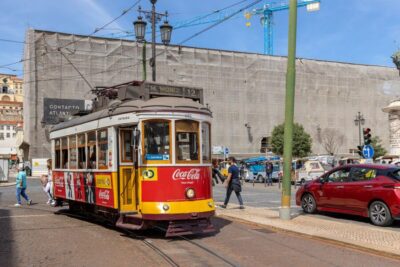 ★ 4.8History, Stories and Lifestyle Walking TourTickets from $2910,902 traveller reviews
 ★ 4.5Sunset Boat Party Cruise with DJ and Open BarTickets from $2710,378 traveller reviews
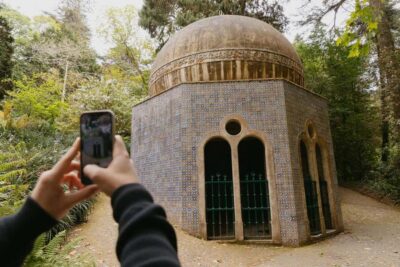 ★ 4.7Pena Palace, Sintra, Cabo da Roca, & Cascais DaytripTickets from $919,981 traveller reviews
 ★ 4.6Oceanário de Lisboa Entrance TicketTickets from $299,943 traveller reviews
 ★ 5.0True 4Hour Private Tuk Tuk Tour: Discover Lisbon with a Local!Tickets from $1088,008 traveller reviews
More useful lists for this tour