
Review · LISBON CITY TOURS
Private Lisbon Market Tour & Portuguese Cooking Class with Paula
Fish, spices, and a ferry ride to real Lisbon.
This is a private market tour in Almada plus an in-home cooking class with Paula, where you pick your menu and cook Portuguese and Portuguese-Goan dishes together. I like that it starts with shopping for real ingredients, not just cutting up produce from a class pantry. I also like the choice baked into the meal, you can go Portuguese or Goan for the main dish, so it feels personal rather than one-size-fits-all.
The main thing to consider is that this is an in-home experience. Paula has a cat, and because she lives with family, her home can run a bit cluttered.
Key takeaways
- Almada by ferry first: a quick hop from central Lisbon sets the local tone
- Market time with Paula: you walk, browse, and shop ingredients together
- A menu you actually choose: you select the Portuguese or Goan main, and starters are tailored
- Hands-on cooking in a home kitchen: practical technique, not a commercial demo
- Relaxed shared meal: you cook, then sit down together for coffee or tea
Why This Lisbon Cooking Class Happens in Almada
Lisbon gets most of the attention, but Almada gives you the calmer, neighborhood side of Portuguese life. You start across the river, then spend the morning or afternoon walking and shopping like you belong there, not like you’re clocking items off a tourist list.
You’ll also benefit from the “home kitchen” format. A cooking school setup can feel scripted. Here, the day is shaped around Paula, her routines, and the kind of food she cooks and buys often. That makes the instruction feel more usable, because it’s connected to how you’d actually shop and cook in real life.
One more practical point: the experience is private, meaning it’s only your group. That matters for questions, pace, and if you want recipe choices adjusted around what you like.
You can also read our reviews of more private tours in Lisbon



Getting There: The Cacilhas Ferry Start Makes It Feel Like a Day Trip
Your meeting point is at Dá Cacilhas (LG Alfredo Dinis, 2800-252 Almada, Portugal), and the start time is 10:00 am. Paula meets you right at the ferry stop in Cacilhas, then you head into town with a short walk, about 10 minutes.
The ferry portion is part of the charm and part of the logistics. It’s also a nice “warm-up” before you’re standing at a market. If you’re using Lisbon public transport, this area is still straightforward. You’re not wrestling with obscure side streets or confusing local bus routes.
Expect the day to loop back to the meeting point at the end, so you don’t have to figure out a separate drop-off. Total time is about 4 hours 30 minutes.
Paula’s Walk and Neighborhood Market Stop: What You’re Really Paying For
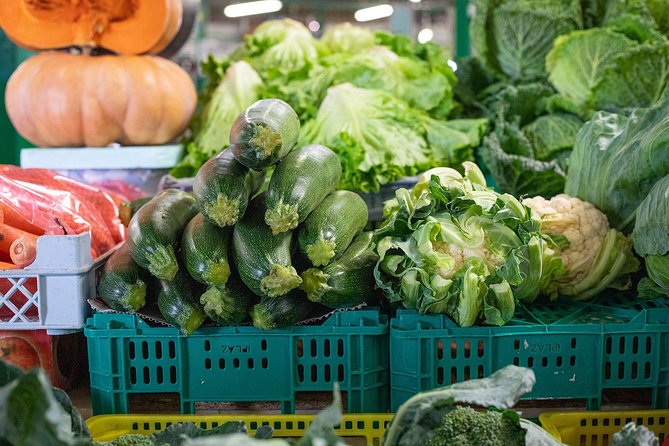
The market tour is not a quick photo stop. Paula takes you through the neighborhood market area where she has been shopping for decades. That alone changes the vibe. You’re learning what to buy and what to look for, because she already knows the rhythms of the stalls and how the locals use them.
What I like most here is that the market visit connects directly to your cooking. You are not buying ingredients “just because it’s included.” You’re selecting the food you’ll turn into your meal. That makes the rest of the day feel purposeful.
Also, the market experience is a social education. You’ll see multi-generational stall activity, and you’ll get a sense of how people in the area treat food as daily life, not a special event.
A small drawback to keep in mind: markets can be less tidy than supermarket aisles. This matters if you’re sensitive to smell, clutter, or crowded walking spaces.
Shopping for Portuguese-Goan Flavors: The Ingredients That Shape the Menu
Before you cook, Paula helps you move through the market with intention. You’re aiming for the basics that turn into recognizable dishes fast: seafood for cod and fish options, gram flour for Goan-style fritters, and spice ingredients like cumin seeds plus onion for those starters.
The typical cooking plan runs around 2 to 3 dishes. Starters often include:
- Pataniscas de bacalhau (traditional Portuguese cod fritters)
- Goan bojas (gram flour fritters with onion and cumin seeds)
Then you move to the main dish, and you get a real choice. Depending on what you and Paula decide, the main could be a Portuguese option like bacalhau com natas (cod with cream) or bacalhau a braz (cod with onions and peppers). Or you could choose a Goan main like a Goan crab curry.
If you like food with a story, this is where it shows. Portuguese cooking has its own patterns, and Goan cooking brings its own spice and flour base. You end up learning the differences through the actual steps you do at the cutting board and stove.
In Paula’s Kitchen: Hands-On Cooking Without the School Pressure
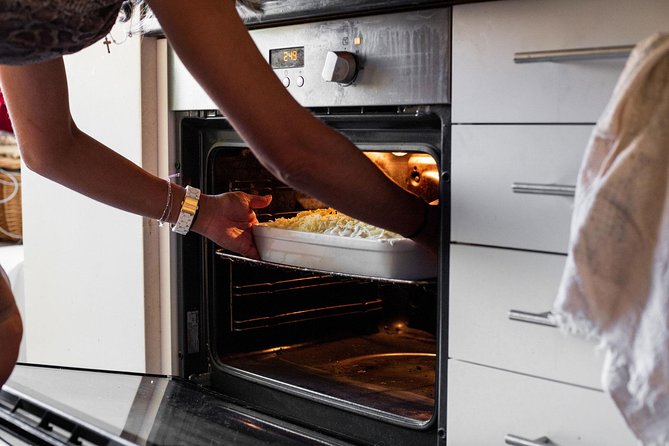
Once you reach Paula’s home kitchen, the day shifts from walking to doing. You cook with Paula’s guidance and precision, step by step. This is not a professional cooking school with a shiny studio layout. It’s more like you’re invited into someone’s real kitchen life, with her teaching you what she knows.
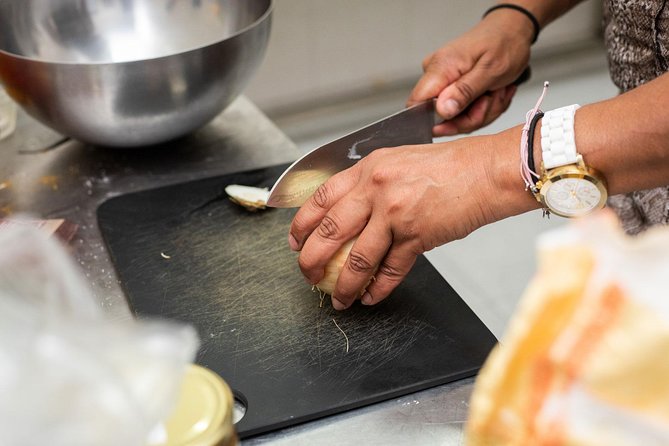
You’ll learn practical technique, including how to handle batter and frying for fritters, and how to build flavor for a main dish. Several people also mention getting instruction that goes beyond the recipe, like whisking technique and how to assess ingredients.
One standout is that Paula adapts the cooking to you. If you don’t want a certain approach or ingredient, she works around it. If you’re an experienced home cook, you’re still likely to pick up useful methods, like fish preparation basics that don’t always get taught in generic classes.
And yes, her cat is part of the household. That’s not a deal-breaker for many people, but if you have allergies or strong preferences about cleanliness, it’s something to think through before booking.
You can also read our reviews of more shopping tours in Lisbon
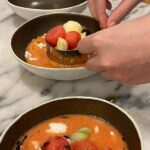
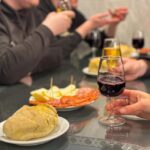




Starters and Mains: What You’ll Actually Make
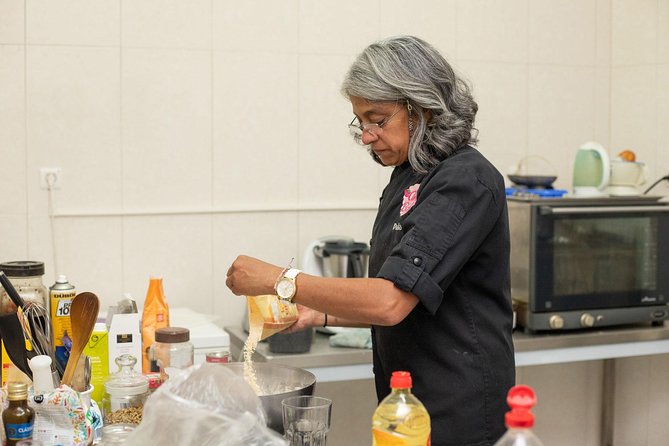
Here’s what you should expect to cook as the core of the experience.
Starter track: cod fritters or Goan gram flour fritters
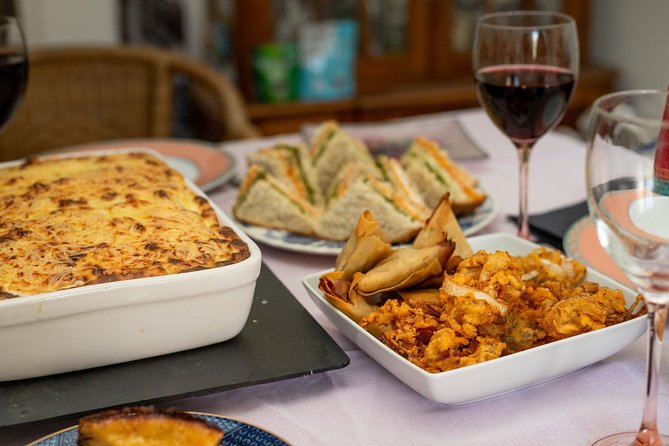
A very common starter pair is pataniscas de bacalhau and goan bojas. The cod fritters are Portuguese comfort food in fritter form. They rely on getting the batter right, and frying until the texture turns crisp on the outside without becoming heavy.
The Goan fritters use gram flour, plus onion and cumin seeds. You’re working with a different batter style and a different flavor profile, which is a fun way to see how “fritter” can mean very different things across cuisines.
Main choice: Portuguese cod or Goan curry
For the main dish, you get to choose your lane:
- Portuguese option examples: bacalhau com natas or bacalhau a braz
- Goan option examples: Goan crab curry (and the option of other Goan-style dishes depending on what’s selected)
That choice matters because it shapes how you’ll cook. A cod-with-cream dish leans into richness and saucing. A curry leans into spice and simmering structure. Either way, you come away with a method you can repeat, not just a one-time dish.
Dessert and Coffee or Tea: The Part That Makes It Feel Like an Actual Meal
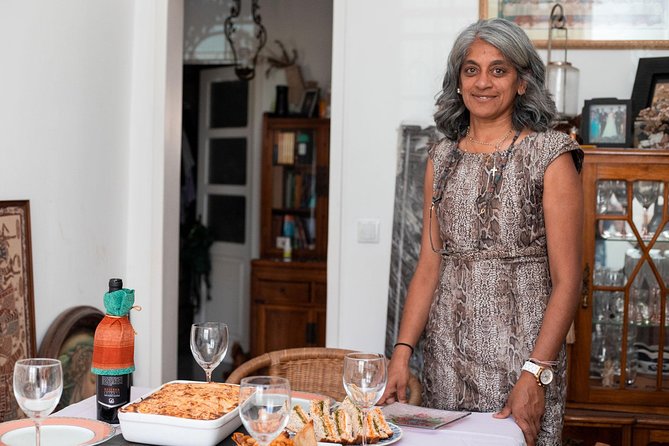
After cooking, you sit down to eat. The meal usually happens at Paula’s dining table, or sometimes at a nearby table across the street if her studio setup is being used for the day.
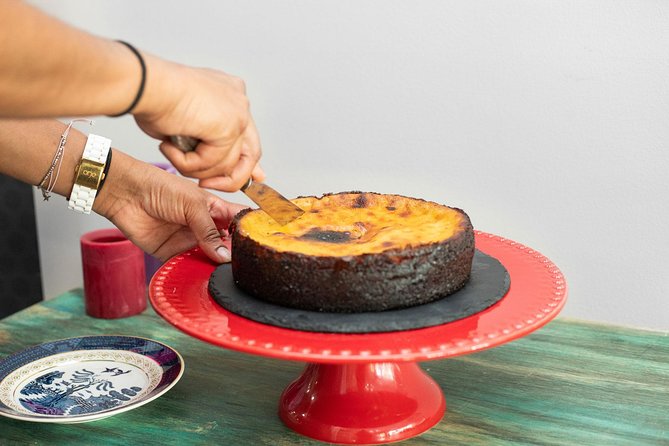
Dessert comes next, plus coffee or tea. In past sessions, people mention pasteis de nata and custard-style sweets as part of the finale, which makes sense for a Portuguese home cooking day. Since dessert is included but not listed as one single item, think of it as a sweet finish anchored in Portuguese tradition.
This shared eating time is where the cooking class becomes something else: conversation and community. People describe swapping stories, learning about Paula’s connection to the neighborhood, and getting suggestions for what to do next in Lisbon. It’s not a lecture, it’s a meal with context.
What the Instruction Style Feels Like: Patient, Personal, and Practical
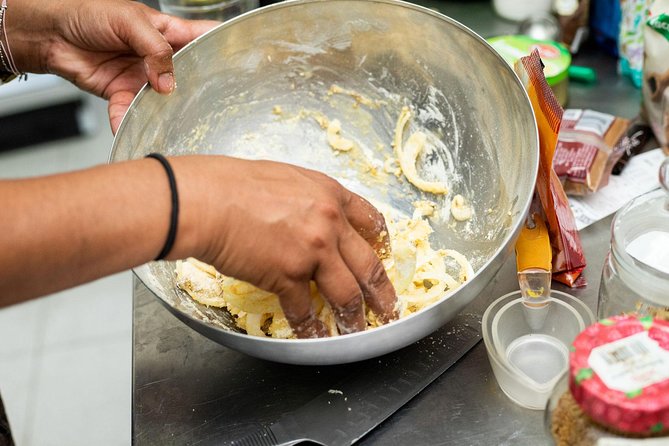
Paula’s teaching style gets repeated often: patient, inclusive, and focused on getting you results. Even people who cook regularly still report learning new techniques, which is a good sign. It means the steps aren’t just “mix and hope.” You’re being shown why something works.
If you’re traveling with kids, this format can also be a win. One family-style highlight is that Paula includes everyone and helps children stay engaged enough to try what they helped make.
The private format helps here again. In a larger group class, you can get rushed. Here, your pacing is tied to your group and Paula’s flow, not a clock that forces constant movement.
Timing, Group Size, and What to Pack for a Smooth Day
You’re looking at about 4 hours 30 minutes from start to finish. The rhythm usually runs like this: meet at Cacilhas, walk to the market, shop, cook, then eat together.
Because it’s an in-home experience, dress for comfort. You’ll be walking and standing during the market portion. If you can, wear shoes you don’t mind getting a little scuffed, because markets are not always dry-floor friendly.
A good idea is to come ready to taste as you go. The day is built around selecting ingredients and turning them into food, so you’ll likely be asked questions, shown comparisons, and encouraged to participate.
If you have dietary restrictions, you should plan to communicate ahead. Paula specifically asks you to message her through WhatsApp if you have questions about the menu or meeting location. That’s your best path to confirm what can be adjusted.
Price and Value Check: Is $99 for a Private Lisbon Cooking Class Worth It?
At $99 per person for a private group, the value comes down to three things: personalization, ingredient shopping, and the fact that you eat what you cook.
A “cheaper” cooking class can feel like a workshop where you leave with recipes but not much connection. Here, you’re paying for:
- Market shopping time with Paula, where your meal gets shaped at the source
- Private attention, meaning you can ask and adjust during cooking
- A home-cooked meal, including dessert and coffee or tea, not just tastings
Also, the experience is rated 4.8 with 89 reviews, and 96% recommend it. Those numbers are not proof of perfection, but they do suggest that most people leave feeling it was worth their time and money.
The one cost-value caveat is the in-home environment. If you’re expecting a spotless, hotel-style kitchen, you might find the reality different. That’s the tradeoff for learning in a real household.
Should You Book This Tour With Paula?
I think you should book it if you want your Lisbon food day to feel like a real local routine. This works best when you enjoy hands-on cooking, you like market walking, and you’re curious about Portuguese and Goan recipes side by side.
You might skip it if cleanliness and a totally tidy home environment are your top priorities, since Paula’s place can be cluttered and she has a cat. You should also consider whether you’re comfortable in a home kitchen rather than a polished cooking studio.
If you’re the kind of traveler who loves learning through doing, this is one of those days that sticks. You’ll leave with a stronger sense of how people in Almada choose ingredients, how Portuguese-Goan flavors show up in everyday dishes, and how good a meal can taste when you helped make it from scratch.
FAQ
Where does the Paula market and cooking experience start?
It starts at Dá Cacilhas, LG Alfredo Dinis, 2800-252 Almada, Portugal, where Paula meets you at the ferry stop in Cacilhas.
How long is the tour?
The experience lasts about 4 hours 30 minutes.
What time does it start?
It starts at 10:00 am.
Is this class private or shared?
It’s private. Only your group participates.
What language is the experience offered in?
The experience is offered in English.
What will we cook?
You will cook 2 to 3 Portuguese and Portuguese-Goan dishes. Starter options can include pataniscas de bacalhau and Goan bojas. You also make a main dish, choosing between Portuguese and Goan options.
Can I choose the main dish?
Yes. You can select between a Portuguese or a Goan main dish.
Do we eat what we cook?
Yes. After cooking, you sit down together to eat at Paula’s dining table (or a nearby table), and the meal ends with a sweet dessert plus coffee or tea.
Is Paula’s home pet-friendly?
Paula has a cat. The experience is an in-home setting, so the environment may be a bit cluttered.
What if I have questions about the menu or the meeting place?
You should communicate directly with Paula via WhatsApp.
Is it possible to cancel for a refund?
Yes. You can cancel for a full refund up to 24 hours before the experience starts.
More Private Tours in Lisbon



More Tours in Lisbon





More Tour Reviews in Lisbon



Not for you? Here's more nearby things to do in Lisbon we have reviewed









Lisbon City Tours, side by side.
 ★ 5.0Lisbon City Center Tour – The Unmissable LisbonTickets from $322,234 traveller reviews
 ★ 4.7Sintra, Pena, Regaleira, Cabo da Roca & CascaisTickets from $2319,656 traveller reviews
 ★ 4.1Jerónimos Monastery Entrance TicketTickets from $2114,164 traveller reviews
 ★ 4.8History, Stories and Lifestyle Walking TourTickets from $2910,902 traveller reviews
 ★ 4.5Sunset Boat Party Cruise with DJ and Open BarTickets from $2710,378 traveller reviews
 ★ 4.7Pena Palace, Sintra, Cabo da Roca, & Cascais DaytripTickets from $919,981 traveller reviews
 ★ 4.6Oceanário de Lisboa Entrance TicketTickets from $299,943 traveller reviews
 ★ 5.0True 4Hour Private Tuk Tuk Tour: Discover Lisbon with a Local!Tickets from $1088,008 traveller reviews
More useful lists for this tour