
Lisbon’s hills, solved with a tuk-tuk. I love the comfort-first ride that helps you cover steep neighborhoods without arriving totally cooked, and I also love how the miradouro viewpoints line up so you get postcard views in a tight, efficient loop. The tour mixes big-name sights with smaller church stops and street photo moments, so it feels like a full Lisbon sampler rather than a one-view wonder. One thing to consider: even with the tuk-tuk, there’s some walking for photos and viewpoint time, and it is not built for wheelchair users or people with severe back problems.
The price, at about $47 per person, looks fair once you factor in the time you save versus a full uphill walking day. You also get a live English guide and photo-friendly pacing, which matters in Lisbon where you can lose your bearings fast in the old lanes. If you want zero walking and zero stairs, plan carefully, because the viewpoints do come with steps and uneven ground.
Why This Tuk-Tuk Style Tour Works in Lisbon (Especially on a Tight Schedule)
Lisbon is famous for its hills, and most visitors underestimate how much that drains energy. This tour does the sensible thing. You sit down, ride up and down in a tuk-tuk, then step out in short bursts for the sights that actually need your feet and a camera.
You are not just sightseeing, you are getting Lisbon’s layout explained in real time. As you move through Alfama, Graça, and the central areas, the guide helps connect the dots between the viewpoints and the neighborhoods you’re looking over. That makes the photos more than selfies, you can actually understand what you’re seeing.
The other practical win is the pacing. You are not trying to rush between far-flung spots on public transport, and you are not spending your day “power walking” uphill. The tuk-tuk cuts that friction, so the tour stays fun instead of turning into a workout you did not ask for.
Miradouros and Panoramas: The Viewpoint Circuit You Will Remember
Lisbon viewpoints are called miradouros, and this tour treats them like the main event. You hit multiple terraces with different angles over the city’s red roofs, winding lanes, and the Tagus River.
A highlight is Miradouro da Senhora do Monte, one of the highest viewpoints in Lisbon. If you want skyline perspective, this is the stop that delivers the big-picture feel, because you can actually see how the neighborhoods spill down toward the river. Another essential moment is Miradouro das Portas do Sol, where you look over Alfama with its labyrinth of narrow streets and pastel-colored houses.
You also get earlier viewpoint time at Miradouro de Santa Luzia. This is a great place to slow down, take photos, and settle into the tour rhythm before the later higher stops. There’s a break built in here, and you get some guided time plus free time, so you can linger without feeling like you’re holding up the whole day.
You can also read our reviews of more tours and experiences in Lisbon.


What to do at the viewpoints (so you get more than photos)
Bring a camera, sure. But also bring patience for good angles. You will get the best results by stepping to the side a bit, not just standing dead center.
And plan to take a few minutes before you shoot. The views look “simple” until you realize Lisbon is all layers, rooftops, and perspective. A short pause helps you notice patterns, like which streets cut down toward Alfama and how the river frames the city.
Church Stops and Landmarks: Romanesque Lisbon Cathedral to Monastery Views
The tour is not only viewpoints. You also get religious and historic landmarks that anchor the neighborhoods you’re moving through.
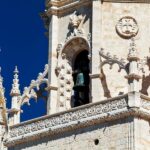
Right away, you start with the Church of Saint Anthony of Lisbon for a photo stop, then you continue to the Lisbon Cathedral. The cathedral is the oldest church in the city and a strong example of Romanesque architecture, so even if you’re just getting photos and a look around, it’s a meaningful stop. The guide passes by and explains what you’re seeing, which helps you understand why this spot matters in the city’s story.
After that, you head to the Museum of Lisbon – Roman Theater area. Expect more of a photo stop plus some visiting time, so you can get the context without it turning into a museum marathon. From there the tour swings you back toward scenic terraces.
Later you reach Monastery of São Vicente de Fora. This works well after several viewpoints because it gives the day a different texture: stone, structure, and a quieter sense of place. It’s the kind of stop where a guide’s narration makes your walk feel more intentional.
How the Guide Makes It Feel Personal (Belal and Abdul Stand Out)
A lot of tuk-tuk tours are about the ride. What elevates this one is the guide work, and the names show up clearly in standout experiences.
For example, Belal gets praised for being respectful, very helpful with historical perspective, and genuinely positive. One review also highlights how he takes photos at each landmark, meaning you are not scrambling to find a stranger who will actually press the button right. Abdul also receives strong feedback for courteous, easy-to-follow explanations and for helping guests with photos at sight stops.
The guide also tends to build in flexibility. You can typically pause for the amount of time you want at each viewpoint or photo location, so the day doesn’t feel like a rigid conveyor belt. That matters in Lisbon because the light changes fast, and you may want one more minute to get the best angle.
Finally, you get practical local tips as part of the tour, including suggestions for what to see and what to eat. That is not just trivia. It helps you plan the rest of your Lisbon day without guessing.
From Santa Luzia to Senhora do Monte: What Each Stop Feels Like
Here is what the “shape” of the day feels like, stop by stop, and what to watch for.
Church of Saint Anthony of Lisbon: a photo stop that sets the mood for historic streets. Keep your camera ready, because this is the kind of church façade you’ll want a clean shot of.
Lisbon Cathedral: Romanesque details are the point here. Take a moment to look at the imposing frontage, then wander briefly in the area to get a sense of how different eras sit side by side in Lisbon.
Museum of Lisbon – Roman Theater: this is more about orientation and seeing the area than committing to a deep museum day. If you are the kind of traveler who loves Roman layers, you’ll likely enjoy the context.
Miradouro de Santa Luzia: you get a break time, guided tour, and free time. This is where you reset. Let the guide point out angles, then spend a few minutes doing your own slow scan of the red roofs and street grid.
Miradouro das Portas do Sol: expect classic Alfama views. This stop is great for capturing the old-neighborhood character from above, especially the mix of pastel tones and the sense of the street maze.
Church of Our Lady of Grace: another photo and visit moment. It adds architectural variety so the tour doesn’t become a repeating cycle of terrace after terrace.
Miradouro da Graca: a further viewpoint stop that keeps the “high vantage” theme going. It’s ideal if you want different viewpoints without having to organize extra transport.
Miradouro da Senhora do Monte: the biggest “wow” stop in the skyline direction. If you only care about one major viewpoint in this tour, prioritize this one.
Monastery of São Vicente de Fora: a structural counterpoint after scenic stops. It’s a good place to stand back and take in the scale.
Lisbon Flea Market: you get sightseeing and a pass-by moment. This works if you like street color and people-watching, but it is not presented as a shopping hour. If you want to bargain like a pro, you may need extra time on your own.
National Pantheon of Santa Engracia: photo stop plus visit and sightseeing. The name itself signals a “big stop,” so even a short look can feel substantial.
Mural de Azulejos – Botto Machado: a dedicated photo stop for Lisbon’s famous tile art style. If you love azulejos, you’ll appreciate having a specific stop rather than it being a random sidewalk surprise.
Fado Museum: another photo and visit stop. Even if you do not go deep inside, it helps connect Lisbon’s music identity to the streets around it.
Alfama: photo stop, sightseeing, pass by. You feel the neighborhood’s maze energy in a compact way, and you get it while the guide frames what you’re seeing.
Commerce Square and Rua Augusta Arch: this is Lisbon’s “center stage” moment after the older hill areas. It gives you a different mood, open space instead of tight lanes.
Pink street: photo stop and sightseeing. It’s short, fun, and very photogenic, but it’s also the kind of stop you’ll probably use for pictures more than long lingering.
Time Out Market Lisbon: photo stop plus visit. It’s a good final reset point because you can snack or regroup right after the sightseeing run.
The overall effect is smart: the tuk-tuk handles the hard travel part, and your feet get used where they pay off most, viewpoints and landmark areas.


Price and Value: Is $47 a Good Deal for This Much Lisbon?
At about $47 per person, this is positioned as a “do a lot fast” experience. That’s not automatically good value, but here it actually makes sense.
You are paying for three things you would otherwise spend money and time on:
- Transport effort in a hilly city
- A live English guide who connects the sights so you understand more than you just see
- Multiple scenic and landmark stops that would require more planning if you did it alone
Also, entrance fees are not included. So if you plan to go inside every ticketed site, you’ll need extra budget. On the other hand, the tour includes photo stops and visiting time, so you can still enjoy many locations without paying for everything.
The included “skip the ticket line” detail can also matter depending on which stops you choose to enter. Just remember: “skip the line” helps, but it does not mean entrances are free.
For many visitors, the value comes from finishing the day not exhausted. Lisbon hills are real. This tour helps you keep your energy for dinner, a tram ride, or a second neighborhood walk.
Logistics You Should Know Before You Go
A few practical notes will help your day go smoothly.
Pick-up depends on the selected option, but the meeting point is by Time Out Market. The tour includes a private group setup and an English-speaking live guide.
This is a tuk-tuk experience, so the rules matter. No smoking in the vehicle, and no drinks in the vehicle. Bring comfortable shoes and expect some walking for photos and viewpoint time.
There’s also a clear suitability limit. It is not suitable for wheelchair users, and it is not suitable for people with severe back problems. It is also not suitable for pregnant women, and children must be older than 6.
If you are deciding what to pack, I’d keep it simple: a camera, a sun hat, and some cash for personal expenses. Lisbon weather can change, so check the forecast and dress accordingly.
Who Should Book This Tuk-Tuk Lisbon Tour, and Who Should Skip It
I’d book this if you want to see a lot of Lisbon without turning the day into a stair endurance test. It’s especially good for first-time visitors who want to get bearings fast, because you cover Alfama, Graça viewpoints, and major central Lisbon stops in one outing.
It also suits couples or friends who want a more flexible day than strict bus tours. The private group format and photo support from guides like Belal and Abdul make it feel more personal than you might expect.
I would skip it if you need full wheelchair access or if steep uneven ground could be a problem for your back. Also skip it if you are traveling with small kids under 6.
If you love deep museum time, this may feel short on ticketed entry. Entrance fees are not included, so you might need to add separate visits later if you want to go super far inside specific sites.
Should You Book This Tour? My Quick Call
Yes, I think you should book it if you want a smart, viewpoint-heavy Lisbon day with tuk-tuk comfort and strong guide support. The combination of Lisbon Cathedral, several miradouros like Santa Luzia, Portas do Sol, and Senhora do Monte, plus central landmarks like Commerce Square and Rua Augusta Arch makes it a strong “first or second day” pick.
If you can handle a bit of walking and you want efficient sightseeing without exhausting yourself on hills, this tour is a great way to spend your time.
If you need minimal walking or you fall into the listed medical and mobility limitations, plan something else.
FAQ
How long is the Lisbon tuk-tuk sightseeing tour?
The duration is 1 to 4 hours. You can check available starting times to match the length that works for your day.
Where does the tour meet?
The meeting point is by the Time Out Market.
What is included in the price?
Included are the tuk-tuk and a live guide (English).
Are entrance fees included for churches, museums, and monuments?
No. Entrance fees to monuments and museums are not included.
What should I bring?
Bring comfortable shoes, a sun hat, and a camera. You may also want some cash for personal expenses.
Is the tour wheelchair-friendly or suitable for back problems?
No. The tour is not suitable for wheelchair users or people with severe back problems.
Are there any rules during the ride?
Smoking in the vehicle is not allowed, and drinks are not allowed in the vehicle.
More Tours in Lisbon



More Tour Reviews in Lisbon
Not for you? Here's more nearby things to do in Lisbon we have reviewed









Lisbon City Tours, side by side.
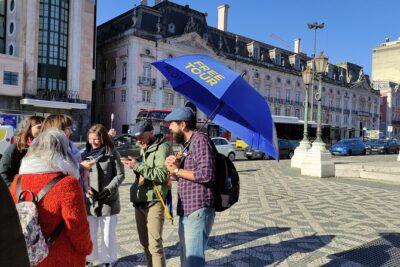 ★ 5.0Lisbon City Center Tour – The Unmissable LisbonTickets from $322,234 traveller reviews
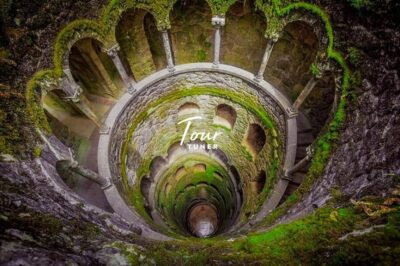 ★ 4.7Sintra, Pena, Regaleira, Cabo da Roca & CascaisTickets from $2319,656 traveller reviews
 ★ 4.1Jerónimos Monastery Entrance TicketTickets from $2114,164 traveller reviews
 ★ 4.8History, Stories and Lifestyle Walking TourTickets from $2910,902 traveller reviews
 ★ 4.5Sunset Boat Party Cruise with DJ and Open BarTickets from $2710,378 traveller reviews
 ★ 4.7Pena Palace, Sintra, Cabo da Roca, & Cascais DaytripTickets from $919,981 traveller reviews
 ★ 4.6Oceanário de Lisboa Entrance TicketTickets from $299,943 traveller reviews
 ★ 5.0True 4Hour Private Tuk Tuk Tour: Discover Lisbon with a Local!Tickets from $1088,008 traveller reviews