
Review · LISBON CITY TOURS
Lisbon: Tagus Estuary Nature Reserve Birdwatching Boat Tour
Birdwatching on the Tagus is a calm Lisbon reset. I like how the guide, Captain Carlos Cera, spots birds fast and helps you name them, and I also like that you get binoculars and life vests, so you can focus on the wildlife. The only real catch is that bird action depends on weather, sea conditions, and tides, so your exact species mix can vary.
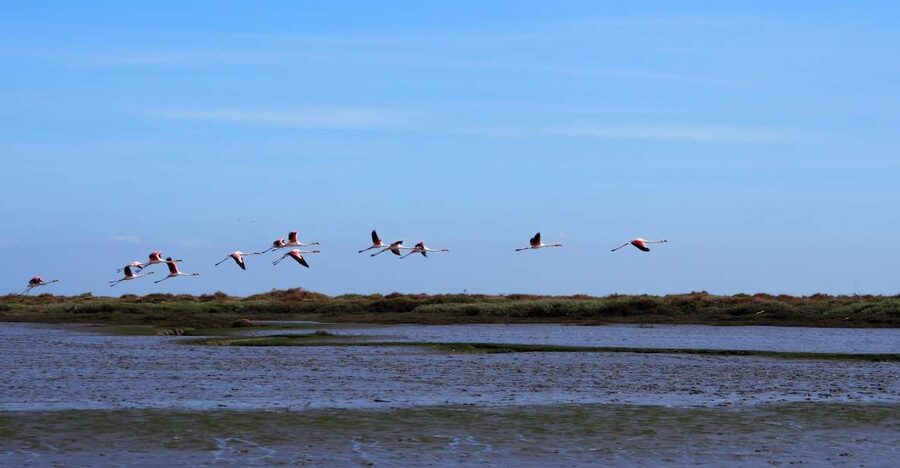
You’re heading just minutes from modern Lisbon, straight into a reserve that supports about 200 bird species, plus eye-popping counts like 12,000 flamingos recorded in 2024. You’ll cruise a speed-boat route through sheltered channels where the water can feel surprisingly quiet, which makes this a great nature break if your city days have been all steps and street noise.
Key things to know before you go
- Small group, big attention: limited to 10 participants, so questions do not get lost.
- A guide who reads the birds: Carlos points out behavior, not just names, and adjusts where you go.
- The estuary is the star: Tagus stretches across 32 km2, with 14,000 hectares protected.
- Binocular time is built in: you’re not left scrambling to find sights while the boat keeps moving.
- You’re close to Lisbon, but not in it: the scenery stays wild while the city stays behind you.
Why This Tagus Estuary Boat Tour Beats a City Walking Day
Lisbon is gorgeous, but it can also be nonstop. This tour is the opposite vibe: sit back, scan marsh and mudflats, and let the river do the storytelling.
What makes it worth your time is that you are not just taking a sightseeing cruise. You’re going into a protected estuary reserve with serious bird numbers behind it. Tagus is the largest estuary in western Europe, and it holds wintering populations that can reach around 120,000 birds. That scale matters, because it explains why, even when it is not peak season, you can still get multiple sightings in a short 3-hour window.
I also like the practical angle here. People on city breaks often end up doing huge walking days. This gives you an outdoors experience without turning your vacation into a gym routine. If your group includes non-birders, they usually still enjoy the scenery and the chance to see Lisbon from the water, then watch wildlife from a respectful distance.
You can also read our reviews of more boat tours in Lisbon
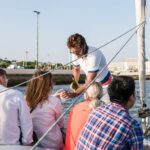

Meet at Onda Luso-Americana, Then Settle In for a 15-Minute Safety Briefing
You start at Onda Luso-Americana, next to the public artwork with that same name. The meeting point is easy to find visually, and it is a simple jump from Lisbon’s transit network, which is handy if you do not want to arrange a taxi just for a short tour.
Once you’re aboard, you get a safety briefing for about 15 minutes. This is not just box-checking. In calm conditions, you still want everyone comfortable with life vests and how the boat handles. Reviews consistently mention that life vests were worn and safety felt taken seriously.
If you show up with your basics ready, the rest feels smooth:
- Comfortable shoes (you might stand and shift your weight while scanning)
- Sunglasses and a camera
- A jacket or weather-appropriate layer, because estuary breezes can cut even on mild days
Bring your passport or ID card too, since it is required.
Parque das Nações Photo Stops: Fast Views, Then You Turn Toward the Wild
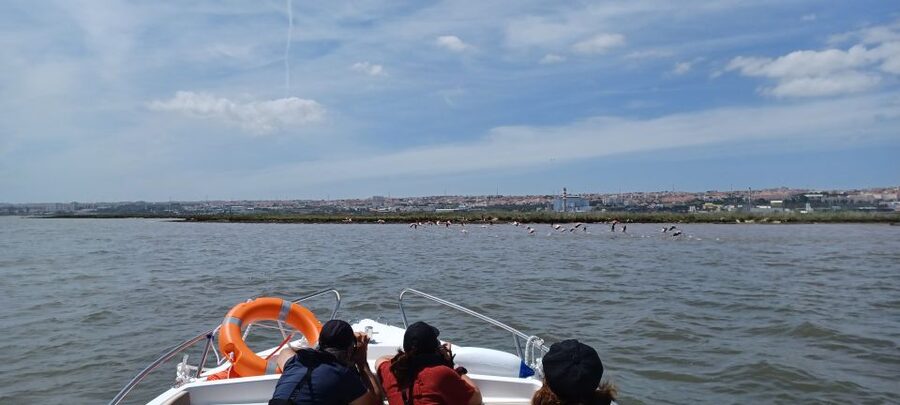
After the marina briefing, the cruise starts with a loop that lets you get oriented. You’ll pass and stop around Parque das Nações for about 30 minutes, with time for photo stops and guided commentary.
This part is useful even if you already know Lisbon’s waterfront. It gives you a quick “before and after” feeling. You see modern buildings and bridges, then you start transitioning toward the protected channels where the bird world takes over.
From a birdwatching perspective, this early segment also helps you get your bearings with spotting. You practice scanning water edges, looking for movement patterns, and paying attention to how the guide talks about habitat. That way, when the boat reaches more productive feeding areas, you understand what you are actually looking at.
And yes, you will also enjoy the sightseeing side. You get scenic views along the way without having to leave the water or rush across the city.
Bairro dos Pescadores 21: Where the Cruise Tightens Up for Bird Spotting
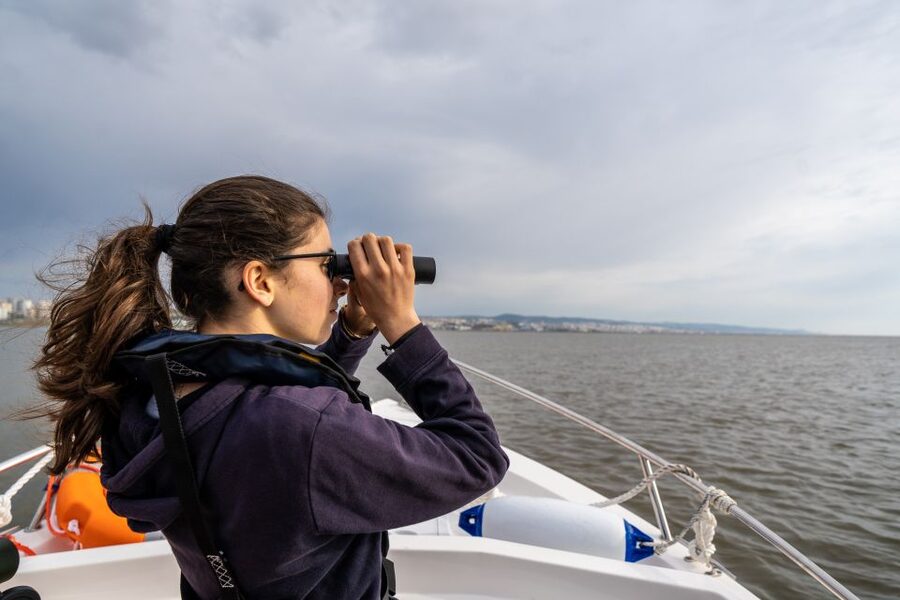
The next main stop is Bairro dos Pescadores 21. Expect another photo stop plus guided cruising and sightseeing. At this stage, you should start paying attention to how the guide positions the boat and chooses where to pause.
This is the stage where Carlos’s style becomes obvious. The best bird tours are not random. They are about timing and positioning. Reviews highlight that Carlos is good at finding birds and identifying them, and that he takes time to allow opportunities for photos while keeping a respectful distance.
If you’re traveling with people who need constant action, this is still worth it because the boat ride is comfortable in calmer water, and the guide keeps the conversation moving. For bird lovers, this is the moment when the tour starts to feel like real fieldwork, not just a scenic cruise.
Tip from the bird side: keep your camera accessible, but also keep your eyes up. A lot of good sightings are quick bursts of behavior, not long stationary poses.
Tagus Estuary Nature Reserve: 2.5 Hours of Mudflats, Wings, and Patient Scanning
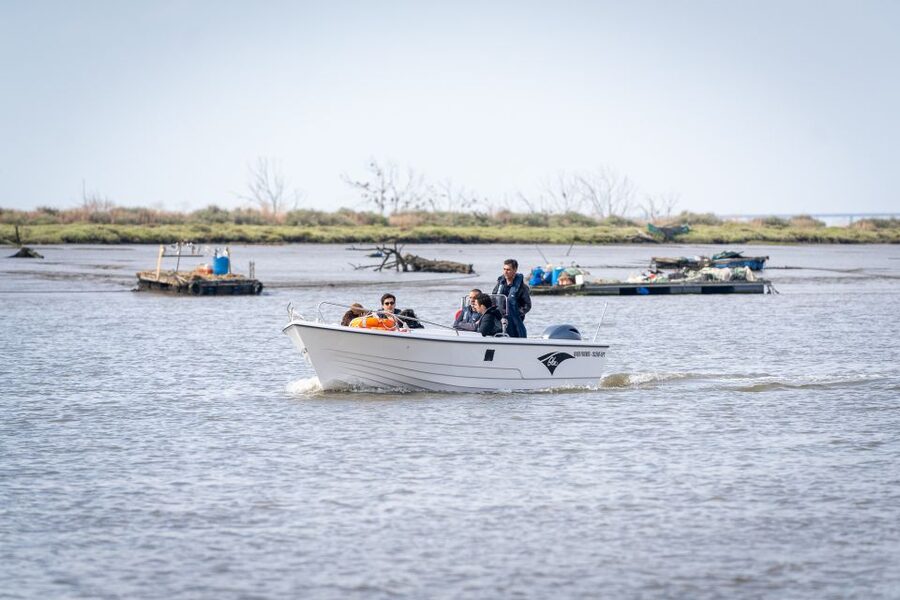
This is the heart of the tour: about 2.5 hours in the Tagus Estuary Nature Reserve. Here you’re in the protected 14,000-hectare zone where around 200 bird species have been identified.
The estuary’s big advantage is that it changes. Mudflats expose feeding zones, birds shift where they roost, and the whole place can go from quiet to busy depending on conditions. One review even points out that the guide used tides to time arrivals at exposed mudflats when birds came in to feed.
What you might see depends on season and what the birds are doing that day. Based on sightings people reported, common highlights include:
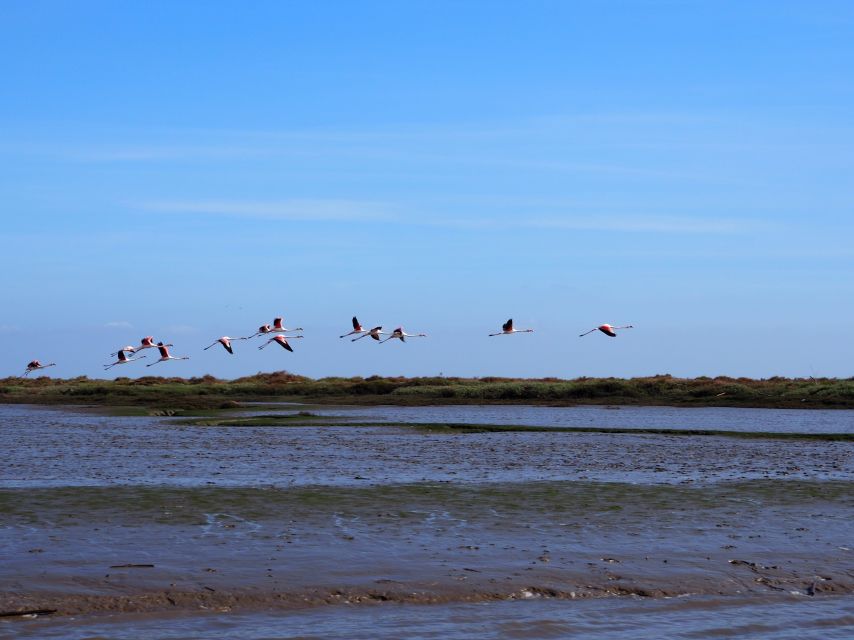
- Flamingos, including big movements when they’re in the area
- Spoonbills and avocets
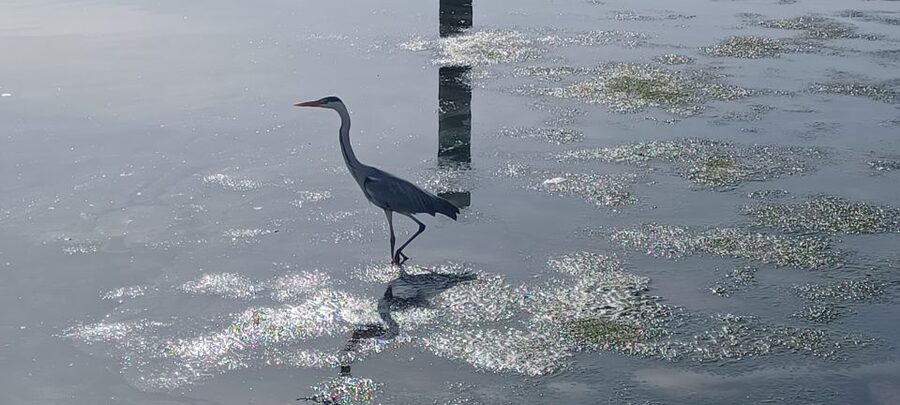
- Herons, including purple heron
- Ospreys
- Marsh harriers
- Ibis flocks, including black ibis reported by some visitors
- Egrets and other waders like little tern
Even if you do not know bird names, you still get value. Carlos’s explanations focus on habitat and behavior, which makes the sightings stick. Instead of just spotting shapes, you learn why they’re there and how they move.
Photo-wise, calm moments are gold. One review mentions that weather turned out perfect and the ride was calm for pictures. Another mentions that the guide is careful about distance, so you get views without disturbing wildlife.




Mouchao da Povoa and the Vasco da Gama Bridge Pass: Estuary Views plus Lisbon Geometry
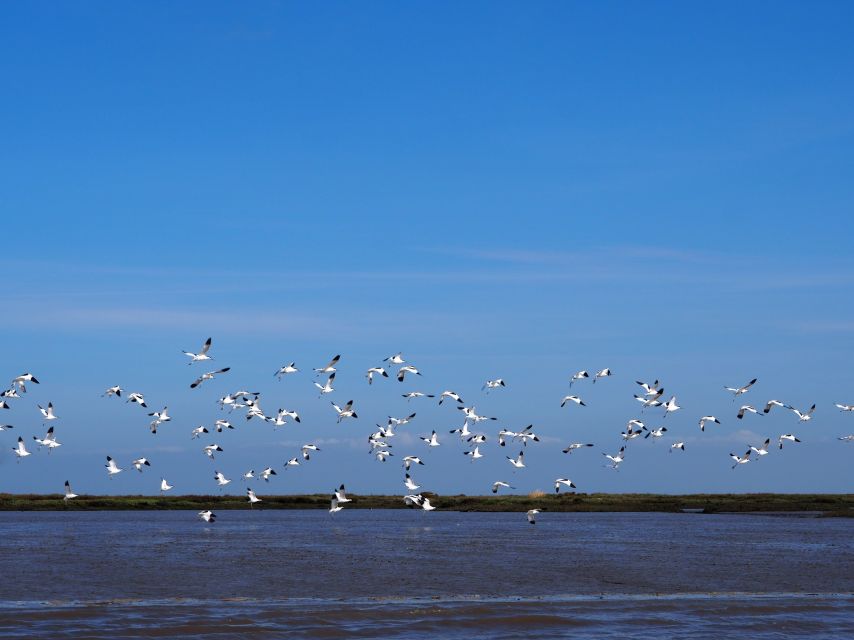
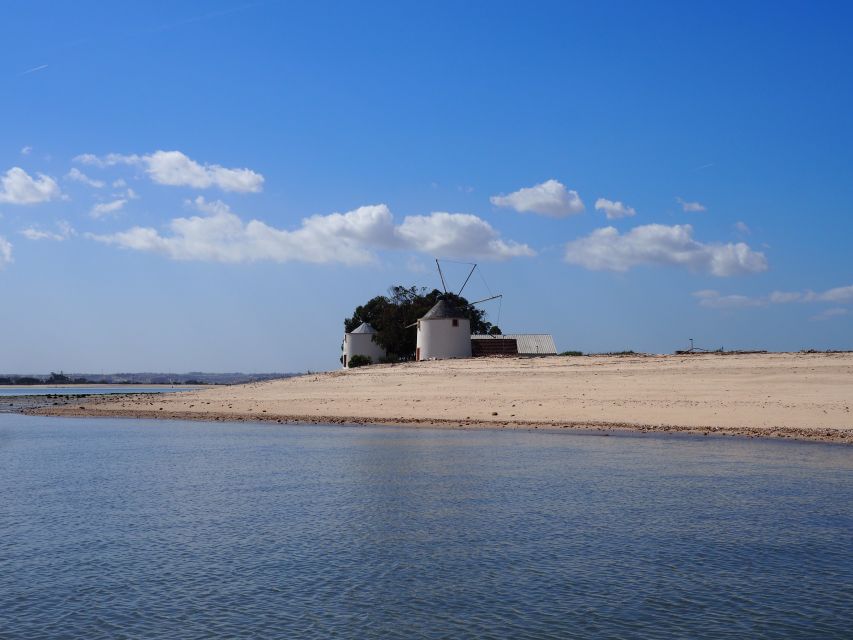
After the reserve time, the tour continues with Mouchao da Povoa, plus more guided cruising and wildlife viewing. You’ll also pass major landmarks such as the Vasco da Gama Bridge for sightseeing.
This portion matters because it rounds out the experience. You get one more chance to spot birds before heading back, and you also get that Lisbon “signature angle” from the river. The bridge pass provides a clear sense of scale: modern infrastructure nearby, but you’re still watching a living habitat.
If you like photography, this is a good time to switch lenses or settings. You’re moving from mostly close wildlife viewing to wider scenic compositions where birds might show up as smaller silhouettes against sky or water.
And if you’re traveling with mixed interests, this is the section that often helps everyone feel like they got their money’s worth. Nature people keep scanning for movement, while city-sightseeing fans get those recognizable Lisbon landmarks.
What Birds You’ll Actually Spot, and How Carlos Helps You Name Them
Birdwatching is not a factory line. You can have the right season, the right equipment, and still get a quieter day. The upside here is that Carlos is not just reading a checklist. He’s watching the estuary the way locals do.
Across many high ratings, people mention the same strengths:
- Carlos finds birds and helps identify them on the spot
- He explains habitats and behavior, so you understand what you’re seeing
- He takes time with questions and does not rush the group
- He keeps a respectful distance for wildlife, which supports better views and better ethics
If you are a beginner, this approach is a big deal. You do not need prior bird knowledge to get something out of the trip. You’ll learn patterns and names as they come, and binocular time gives you a fighting chance to make the ID stick.
If you are an advanced birder, you still benefit because the tour can deliver real diversity in a short period. Reviews report seeing 20 or more species in 3 hours, with some days even topping 30 different species.
One extra practical tip from the birding mindset: check tide timing when you can. If you’re trying to maximize feeding activity, tide can strongly affect what mudflats are exposed.
Tides, Season, and Fog: The Stuff That Changes Your Sightings
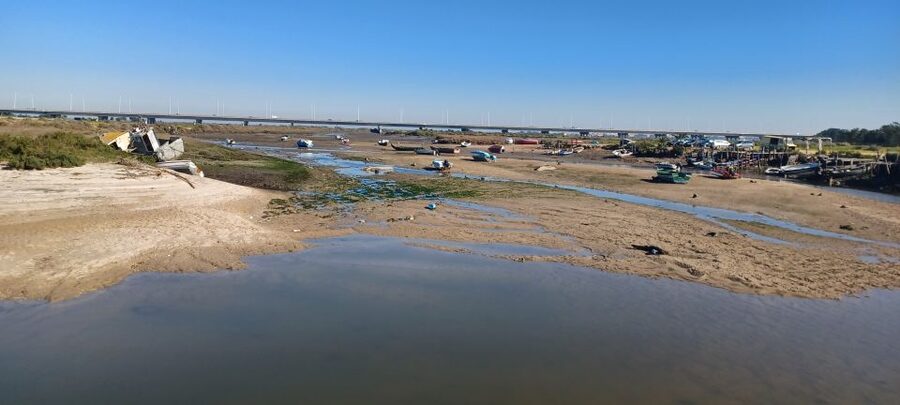
Plan for the fact that the Tagus Estuary is a real ecosystem, not a theme park. The tour runs under weather and sea conditions, and boat tours can be cancelled in case of foggy mornings or other unexpected weather.
Here’s the takeaway for your decision-making. Do not treat this as a guaranteed flamingo factory. Treat it as an experience built around the estuary’s rhythms. On different days, you might see different waders, different raptors, and different concentrations of birds.
Season matters too. Some reviews mention that summer was outside the best months for birdwatching because many birds had migrated, yet sightings were still excellent. Others mention that breeding season can mean fewer birds in the usual spots. Winter tends to be the heavy season for large wintering numbers, which matches the reserve’s recorded counts.
If you want the best odds, aim for a time when wintering birds are present, and when weather conditions are calm enough to cruise comfortably. If you are flexible, you can also choose a day where tides line up with your expectations for mudflat feeding.
Price and Value: What $58 Includes, What It Costs You to Bring
At $58 per person for a 3-hour outing, this sits in the midrange for Lisbon excursions. What makes it feel fair is that the essentials are covered:
- Fees and fuel
- Insurance
- Life vests
- Binoculars
- A guided experience in multiple languages (Portuguese, English, Spanish, and French are listed)
What it does not include is food and drinks. You can bring a picnic if you want. This is actually a smart option because you can eat on your own schedule instead of paying tourist prices for a sandwich you barely taste while scanning for birds.
So what is the real cost to you? Small things:
- Clothing and layers suitable for wind off the water
- A camera you can actually use while you’re watching, not just holding
- Potentially, your own binoculars if you prefer them, though binoculars are provided
One caution from the reviews: most say binoculars were provided, but a couple of comments suggest it can be tight if you are traveling with a larger family of optics needs. If you have your own binoculars, bring them. If you do not, the provided set should get you started.
What to Pack and How to Dress for a Comfortable 3 Hours
This is one of those tours where being comfortable makes the wildlife easier to enjoy. The estuary can feel cooler than you expect, and you may spend time looking upward, scanning forward, then looking down at the waterline.
Pack checklist based on what the tour requests and what works in practice:
- Passport or ID card
- Comfortable shoes
- Sunglasses
- Camera
- Biodegradable sunscreen
- Jacket and weather-appropriate layers
- Comfortable clothes that you can move in
- Binoculars, optional since they are included, but useful if you have your own
Also remember that there is a real chance of standing and shifting while you look out. Choose shoes that do not punish you after 30 minutes.
If you want your photos to come out better, clean your lens before boarding and avoid foggy breath on the camera housing. Wind off the water can dry things quickly, but sudden temperature changes can still mess with optics.
Who This Tour Suits Best, and Who Might Want a Different Plan
This tour is ideal if you love nature, birds, or simply want a break from Lisbon’s streets. It also fits mixed groups well because the water ride and the views keep non-birders happy, while birdwatchers get real guided help.
It is also a strong pick for people who do not want a huge step count. One review called it a lovely outdoor day that did not require thousands of steps, which I think is a fair summary. You get movement, but it is not the “walk until your calves protest” style tour.
If you’re traveling with kids, it can work too, since the experience is outdoors, the guide answers questions, and you are not stuck indoors in a museum. Just note that birdwatching rewards patience, so bring a camera or a bird spotting game to keep younger eyes engaged.
If you hate waiting for wildlife to do its thing, this may feel slower. But the guide helps by actively pointing out what to look for, and many sightings happen close enough to keep it interesting.
Should You Book This Tagus Estuary Birdwatching Tour?
I think you should book this if you want a real nature experience close to Lisbon, and you care about seeing and learning, not just checking a box. The key strength is the pairing of a small group with Carlos Cera’s bird-finding and identification style. That combination is what turns 3 hours on the water into a memorable story.
Book it especially if you:
- Want birds and explanations without needing to know birds in advance
- Prefer a calm outdoor break over a long day of walking
- Like photography and appreciate careful, respectful wildlife viewing
- Are open to a day where the exact species varies but the experience still delivers
The main reason to hesitate is unpredictability. Weather, sea conditions, and fog can change plans, and the bird lineup depends on tides and season. If you can handle that, you’ll be in great shape.
FAQ
Where do I meet for the boat tour?
You meet next to the artwork called Onda Luso-Americana.
How long is the tour?
The tour lasts about 3 hours.
How many people are in a group?
The tour is limited to 10 participants.
What is included in the price?
Fees and fuel, insurance, life vests, binoculars, and guided tours in multiple languages are included.
Are food and drinks included?
No. Food and drinks are not included, and you are welcome to bring a picnic.
What should I bring with me?
Bring your passport or ID card, comfortable shoes, sunglasses, a camera, biodegradable sunscreen, a jacket, and weather-appropriate clothing. Binoculars are recommended but not required since binoculars are provided.
What happens if the tour cannot run due to weather?
The tour depends on weather and sea conditions. If it is expected to be cancelled, you are contacted within 24 hours prior to try to reschedule. If it cannot be rescheduled, you receive a full refund.
More Boat Tours & Cruises in Lisbon

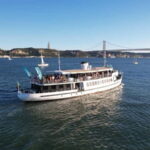

More Tours in Lisbon



More Tour Reviews in Lisbon
Not for you? Here's more nearby things to do in Lisbon we have reviewed








Lisbon City Tours, side by side.
 ★ 5.0Lisbon City Center Tour – The Unmissable LisbonTickets from $322,234 traveller reviews
 ★ 4.7Sintra, Pena, Regaleira, Cabo da Roca & CascaisTickets from $2319,656 traveller reviews
 ★ 4.1Jerónimos Monastery Entrance TicketTickets from $2114,164 traveller reviews
 ★ 4.8History, Stories and Lifestyle Walking TourTickets from $2910,902 traveller reviews
 ★ 4.5Sunset Boat Party Cruise with DJ and Open BarTickets from $2710,378 traveller reviews
 ★ 4.7Pena Palace, Sintra, Cabo da Roca, & Cascais DaytripTickets from $919,981 traveller reviews
 ★ 4.6Oceanário de Lisboa Entrance TicketTickets from $299,943 traveller reviews
 ★ 5.0True 4Hour Private Tuk Tuk Tour: Discover Lisbon with a Local!Tickets from $1088,008 traveller reviews
More useful lists for this tour