
Review · LISBON CITY TOURS
Lisbon Old town Tour
Lisbon’s oldest streets have a rhythm all their own. This Lisbon Old Town Tour centers on Alfama, with a focused route through the neighborhood’s major landmarks, plus the comfort of a small group of 15 or fewer. I like that the tour is built around real, walkable contrasts, from formal power at Praça do Comércio to the maze of streets that make Alfama feel lived-in.
What to watch for is the physical side of Old Lisbon. The route is described for people with moderate physical fitness, and you should expect uneven sidewalks and some steep sections in the Alfama area, so it helps to wear grippy shoes and go slow when the street tilts. On the plus side, it runs in all weather, so you are not stuck waiting for perfect conditions.
This tour is guided by a professional art historian, and the guiding style comes through in the feedback, especially the way guides keep groups comfortable and moving. Expect an easy flow of stops with plenty of context on what you are seeing, then you finish at the viewpoint that lets Alfama open up in front of you.
Key highlights worth your attention
- Small-group cap of 15 travelers or fewer, which helps the pacing and questions
- Alfama focus, with stops tied to landmarks you would likely miss on your own
- All stops list free admission, so you mainly pay for the guide, not site tickets
- Miradouro Das Portas Do Sol as the finale, for classic Old Lisbon views
- Pro art historian guide, with clear explanations in English
Alfama on foot: why this Lisbon Old Town route works
If you only have a day or two in Lisbon, this is a smart way to get oriented without trying to cram everything into one photo-stuffed day. The tour is short, about 2 to 3 hours, but it covers enough ground to make Alfama feel understandable. You start near the big civic heart of the city, then the route gently slides you into the older, tighter streets.
The itinerary is also designed like a story. You begin at Praça do Comércio, where the city’s formal center is set, then you work your way through churches and historic structures that mark how Alfama developed. By the time you reach the viewpoints, you are not just looking at scenery, you know what part of the neighborhood you are standing in and why it matters.
One more reason I like this format: the stops are practical. Each one is close enough to walk, and the tour keeps you moving in a steady sequence, instead of hopping around by taxi or bus.
You can also read our reviews of more tours and experiences in Lisbon.

Where the tour begins at Praça do Comércio (Terreiro do Paço)
You meet at Cervejaria Antártida Lisboa, at the Ala Poente do Palácio Real, Praça do Comércio, address R. C 20-23, 1100-038 Lisboa. The start time is 10:00 am, which is handy because you get into the Old Town while the streets are still manageable.
Stop 1 is Praca do Comercio (Terreiro do Paco), described as the everlasting centre of power. Even if you have never studied Portuguese history, you can still feel what this spot represents, because it is all about scale, symmetry, and the city’s official face. This is a good warm-up stop, and it sets expectations for the rest of the walk.
If you like a guided tour that helps you connect big-city Lisbon with neighborhood Lisbon, this opening matters. It is not random sightseeing. It is a clean starting point that helps you read the rest of the route.
Iglesia de Nossa Senhora da Conceicao Velha and Manueline architecture
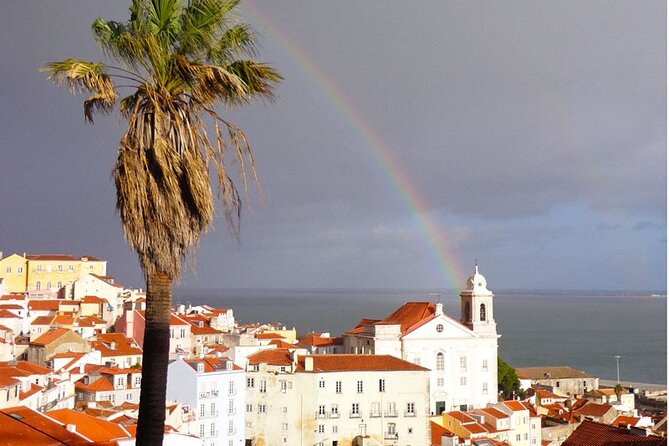
Right after the main square, you head to Igreja de Nossa Senhora da Conceicao Velha. The tour notes Manueline architecture, which gives you a clear lens for what to look for as you arrive.
This is one of those stops where a guide can change how you see the building. Without context, churches are easy to glance at and move on. With a pro art historian explaining what you are looking at, you are more likely to notice the style elements that make this church distinctive within the route.
The practical part is also good here: the stop is short, about 5 minutes, and the pace stays comfortable.
Casa dos Bicos and the 1755 earthquake survivor
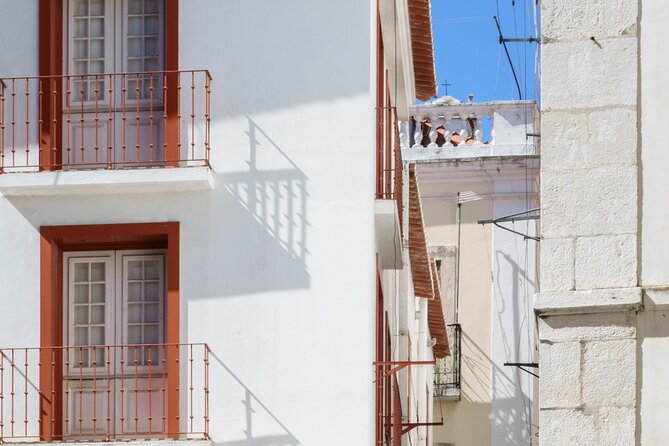
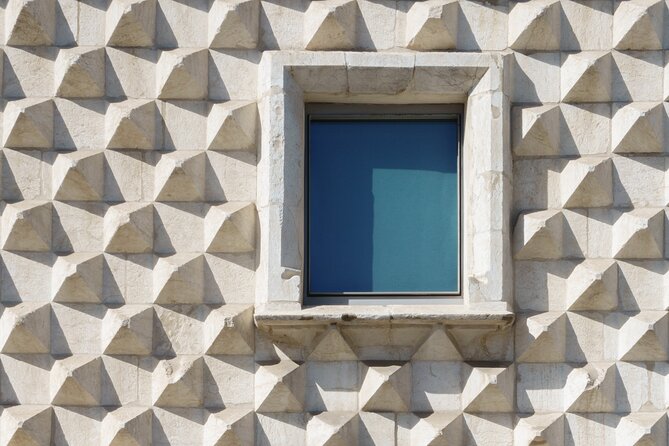
Next is Casa dos Bicos (Museu de Lisboa), described as a house that survived the earthquake of 1755. That one fact gives you instant stakes. You are not just walking past an old building, you are seeing a structure tied to a major turning point.
This stop also works well for people who like tangible history. It is the kind of place where the story is attached to the building itself, not something you only learn later in a book. And because it is listed as a quick 5-minute stop, it does not slow the whole tour down.
Lisbon Cathedral: seeing the oldest church in the city
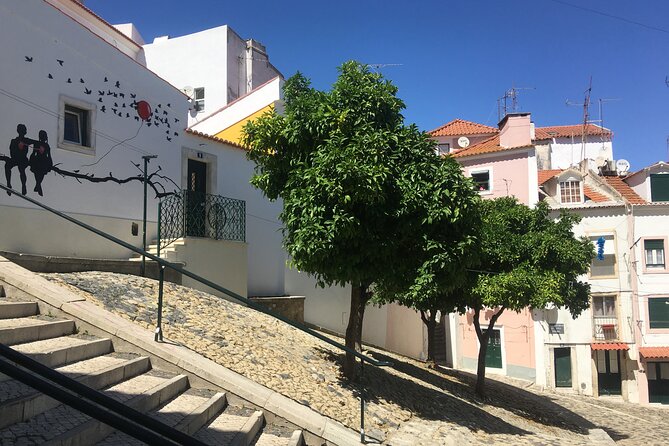
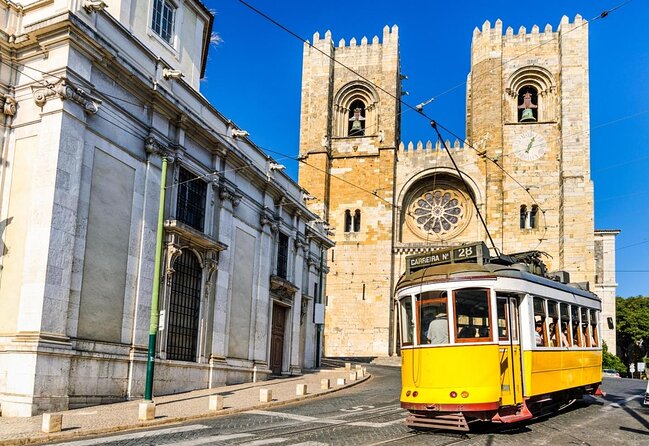
Stop 4 is Lisbon Cathedral, described as the oldest church in Lisbon. This is a big name stop, and it is placed in the itinerary at the point where you are transitioning deeper into the older heart of the walk.
Plan to spend your attention here on details that your guide points out. Since the stop is 10 minutes, it is enough time to look up, look around, and get the key context without feeling rushed.
This also helps you understand why Alfama is more than a view. It is a place where religious and civic power shaped the neighborhood over long stretches of time.


Igreja de Sao Miguel and the heart of Alfama

Then you move to Igreja de Sao Miguel, described as the heart of Alfama. The time listed is 5 minutes, so think of it as a quick, focused checkpoint before you transition to the streets themselves.
I love stops like this when I do neighborhood tours. They break up the walking and give you a clear visual anchor, so the maze-like alleys do not blur together. With a guide, you get meaning attached to what you see, and the heart-of-the-neighborhood description helps you stay oriented.
Maze-like streets and the soundtrack of Lisboa
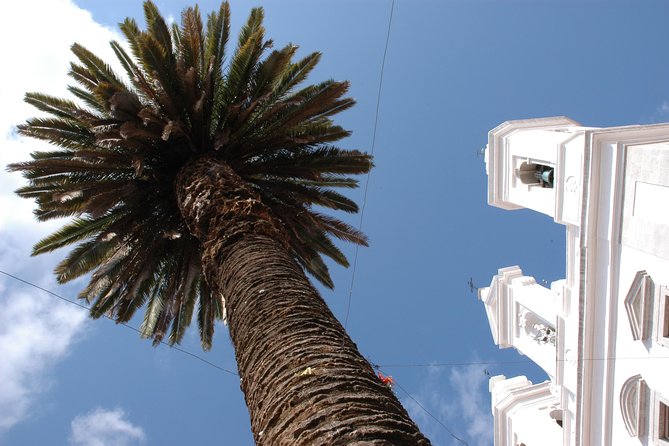
The route also includes time for the real Alfama experience: maze-like streets in one of Lisbon’s oldest neighborhoods, plus what the itinerary calls the soundtrack of Lisboa. That likely means you spend more time simply moving through the lanes, hearing the daily life that makes Alfama feel different from the wider streets in other areas.
This is where the small group size helps. When the group is 15 or fewer, you get less crowd friction and it is easier to follow direction as streets narrow. You also tend to get more room to stop for a question or a quick look, rather than being pulled along without time to process.
If you enjoy walking that feels like a guided stroll rather than a checklist, this part is the soul of the tour.
Largo do Chafariz de Dentro: a key meeting point
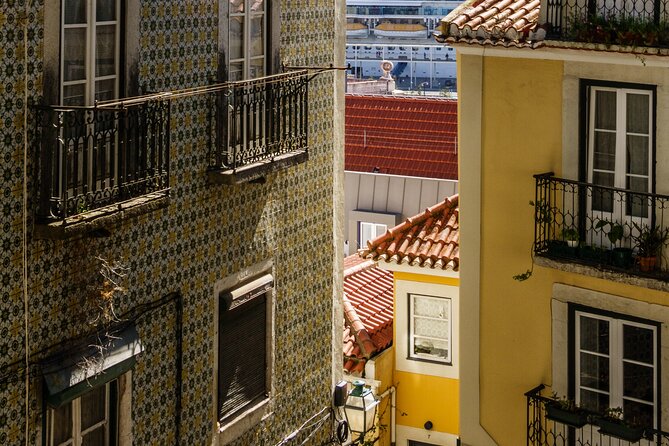
Stop 6 is Largo do Chafariz de Dentro, described as the meeting point of Alfama, with about 5 minutes on the schedule. This kind of square is a big deal in hilly, street-heavy neighborhoods. It gives you a breather, a reference point, and a place where you can feel how the lanes connect.
I like that the tour returns to an easy-to-sense focal point before the final climb to the viewpoint. It helps you pace yourself for what comes next, especially if the weather is warm.
Miradouro Das Portas Do Sol: the payoff view over Alfama
Finally, you end at Miradouro Das Portas Do Sol, a viewpoint described as offering breathtaking views over Alfama. The tour lists about 10 minutes here, and you finish at Largo Portas do Sol, Alfama, 1100-411 Lisboa.
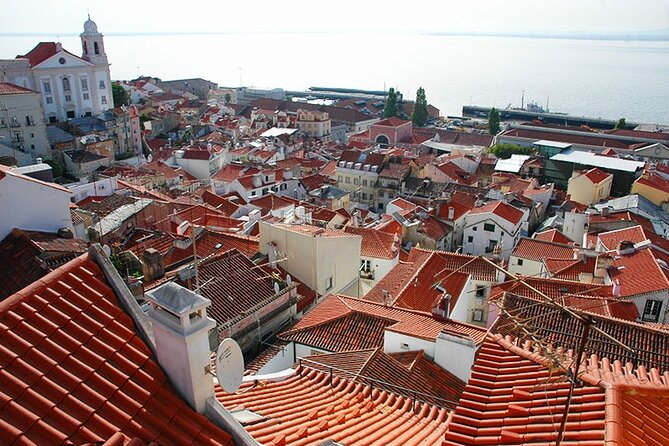
This stop is the “now I get it” moment. From a viewpoint, you can see how Alfama’s structure, rooftops, and winding streets relate to each other. After you spend time hearing the story behind the neighborhood landmarks, the view feels less like a postcard and more like a map.
Practical advice: take your time. If you rush, you will miss the layered feel of the neighborhood. If you want photos, plan on stepping slightly aside so you are not stuck behind other people.
Guides, pacing, and how the tour stays comfortable
The tour includes a professional art historian guide, and the feedback patterns are consistent about style. People describe guides as funny in a family-friendly way, and they also mention practical attention to comfort, like staying in the shade when the heat is up.
You can also expect easy interaction. The tour is in English, so if you want to ask a question about a church, a street, or why a place survived disaster, you should be able to get straight answers without feeling like you are slowing the group down.
Small group size matters here. With 15 or fewer participants, your guide can adjust pacing if someone needs a slightly slower step through the steep sections. It also makes it easier to hear explanations, especially when you are standing in noisy street corners.
If you are the type of traveler who likes to learn but hates long lectures, this works. The stops are short, the walking keeps you moving, and the guide uses the scenery itself as the lesson plan.
Free admission stops: what that means for your budget
The itinerary lists Admission Ticket Free for every stop. That is a rare setup for a paid guided tour, because it means you are not stacking additional entry fees on top of your guide price.
So the value is not just the low cost. The value is predictability. You can budget for the guide, plan your time, and not worry about scrambling for tickets at each site. It is especially helpful if your travel days are tight and you want everything to run on schedule.
Also, free admission can change your strategy. You might be more willing to spend the full stop time looking carefully, since you are not trying to “squeeze in the ticket” and rush to the next place.
Duration, start time, and how to plan your day
This tour runs about 2 to 3 hours and starts at 10:00 am. That makes it a good half-day anchor, especially if you want to see Alfama in daylight and then keep the rest of the day open for a tram ride, a museum, or a long meal.
Because it operates in all weather conditions, your planning should include rain gear and sun protection. Lisbon can switch from mild to hot quickly, and the walking style here means you will feel weather on your skin.
Moderate fitness is requested. You do not need to be an athlete, but you should be comfortable walking on uneven surfaces and handling a few steeper moments without panic. If stairs are a big problem for you, wear shoes you trust and go slowly.
Price and value: what you get for $29.96
The price is $29.96 per person, and it is hard to look at this as just a bargain ticket. The included parts are what make the value real: a professional art historian guide plus a route of major Alfama landmarks and viewpoints.
You also get an English-speaking guide, a mobile ticket, and a small-group cap. In practice, that combination usually means less waiting, less crowd chaos, and better chances to ask questions.
The free admission listing across the stops also keeps the total day cost cleaner. Even if you are on a tighter budget, you should not feel like you have to make constant tradeoffs between the tour and extra site fees.
If this is your first day in Lisbon, this price can be viewed as a way to buy orientation. You get a route you can later repeat on your own, plus context that makes independent wandering feel smarter.
Who should book this Lisbon Old Town tour
Book it if you want a guided walk that makes Alfama feel understandable, not just pretty. It is a strong fit for first-time visitors who want to see the major anchors, and for repeat visitors who want a more organized way to connect churches, squares, and viewpoints.
It also suits people who enjoy learning through on-the-street explanations. Since the tour is in English and the guide is an art historian, you should get clear, structured context as you go.
It might be less ideal if you dislike hills, narrow lanes, or steady walking. The moderate physical fitness note matters. And if you travel with kids, keep in mind children must be accompanied by an adult.
Should you book it?
Yes, I would book this Lisbon Old Town Tour if you want an efficient Alfama-focused introduction with thoughtful pacing. The strongest reasons are the small group size, the art historian guide, and the fact that the route is built around landmarks that you can connect to Lisbon’s identity, ending at Portas do Sol where everything clicks.
Skip it only if walking uneven, hilly streets for a couple of hours is hard for you. In that case, you might still visit these areas on your own, but the structured route and guided explanations are what you would miss most.
FAQ
How long is the Lisbon Old Town Tour?
The tour runs about 2 to 3 hours.
What time does the tour start?
The start time is 10:00 am.
Where is the meeting point?
You meet at Cervejaria Antártida Lisboa, Ala Poente do Palácio Real, Praça do Comércio, R. C 20-23, 1100-038 Lisboa, Portugal.
Where does the tour end?
The tour ends at Largo Portas do Sol, Alfama, 1100-411 Lisboa, Portugal.
Is the tour in English?
Yes, the tour is offered in English.
Is there an admission ticket cost for the stops?
The itinerary lists Admission Ticket Free for the stops included.
How many people are on the tour?
The tour has a maximum of 15 travelers.
What should I wear or plan for since it runs in all weather?
It operates in all weather conditions, so dress appropriately for weather and be prepared for walking.
Is confirmation provided after booking?
Confirmation is received within 48 hours of booking, subject to availability.
More Tours in Lisbon



More Tour Reviews in Lisbon
Not for you? Here's more nearby things to do in Lisbon we have reviewed










Lisbon City Tours, side by side.
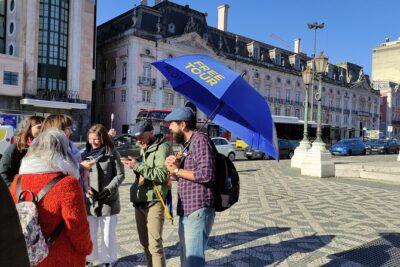 ★ 5.0Lisbon City Center Tour – The Unmissable LisbonTickets from $322,234 traveller reviews
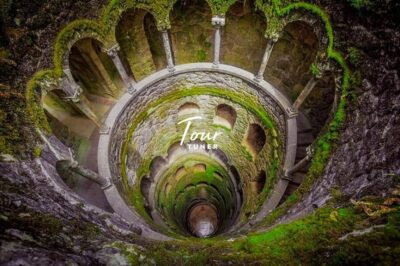 ★ 4.7Sintra, Pena, Regaleira, Cabo da Roca & CascaisTickets from $2319,656 traveller reviews
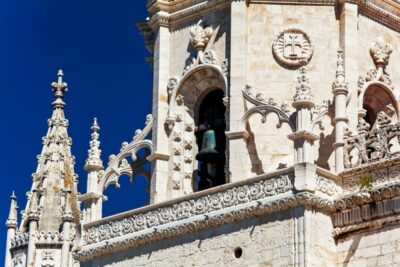 ★ 4.1Jerónimos Monastery Entrance TicketTickets from $2114,164 traveller reviews
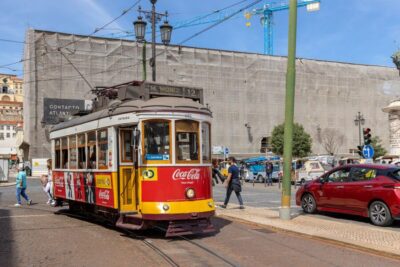 ★ 4.8History, Stories and Lifestyle Walking TourTickets from $2910,902 traveller reviews
 ★ 4.5Sunset Boat Party Cruise with DJ and Open BarTickets from $2710,378 traveller reviews
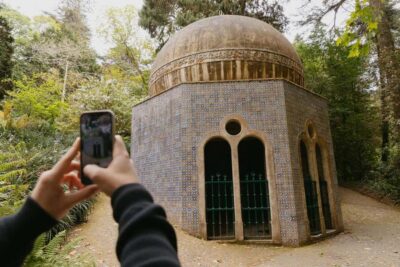 ★ 4.7Pena Palace, Sintra, Cabo da Roca, & Cascais DaytripTickets from $919,981 traveller reviews
 ★ 4.6Oceanário de Lisboa Entrance TicketTickets from $299,943 traveller reviews
 ★ 5.0True 4Hour Private Tuk Tuk Tour: Discover Lisbon with a Local!Tickets from $1088,008 traveller reviews