
Review · LISBON CITY TOURS
Lisbon: Highlights and Hidden Gems Tour
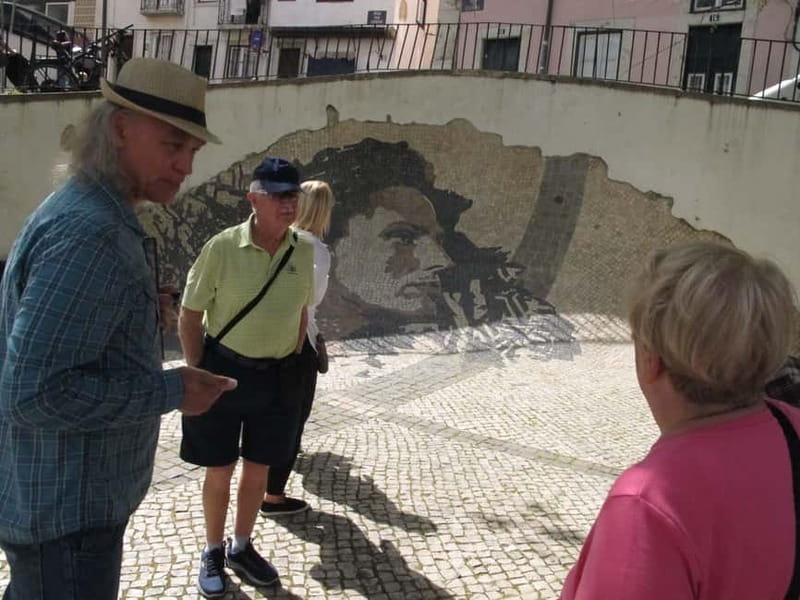
Lisbon reads like a 3,000-year diary. On this Lisbon Lives walking tour, I liked how the stories connect Roman ruins, Moorish walls, earthquakes, and street art into one easy route, guided by Peter. You get to see a portrait of fado legend Amalia Rodrigues and end in Praça do Comércio, where Lisbon’s major eras all point toward the same square view.
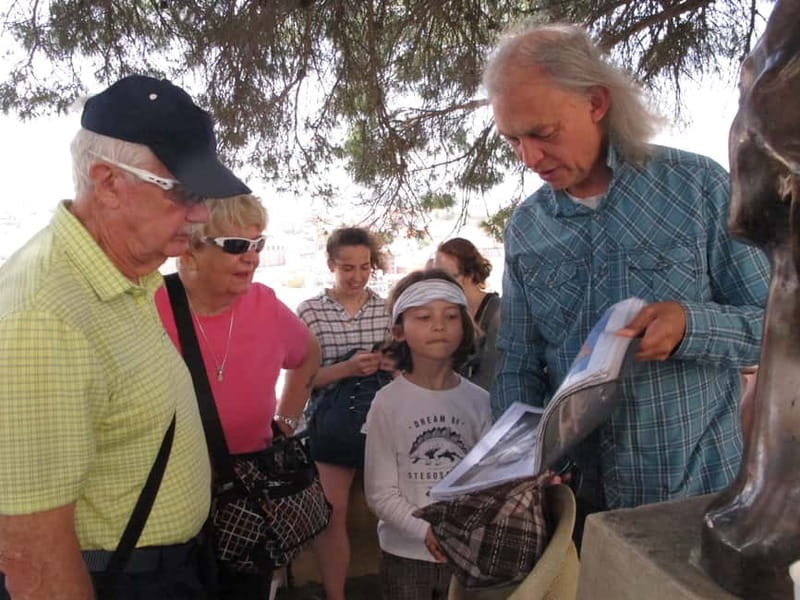
My favorite part is the way you walk right up to visible reminders of the 1755 Lisbon earthquake, including a buried street and the later earthquake-resistant building style. I also liked the pacing because the group stays small, limited to 8 people, so Peter can slow down for questions even inside tight lanes.
One drawback: this is very much a history-first walk, and it covers about 2.5 hours of walking. It is not a good match if you want a modern lifestyle tour, or if you need mobility-friendly routes, since it is not suitable for wheelchair users or people with mobility impairments.
Key highlights to plan around
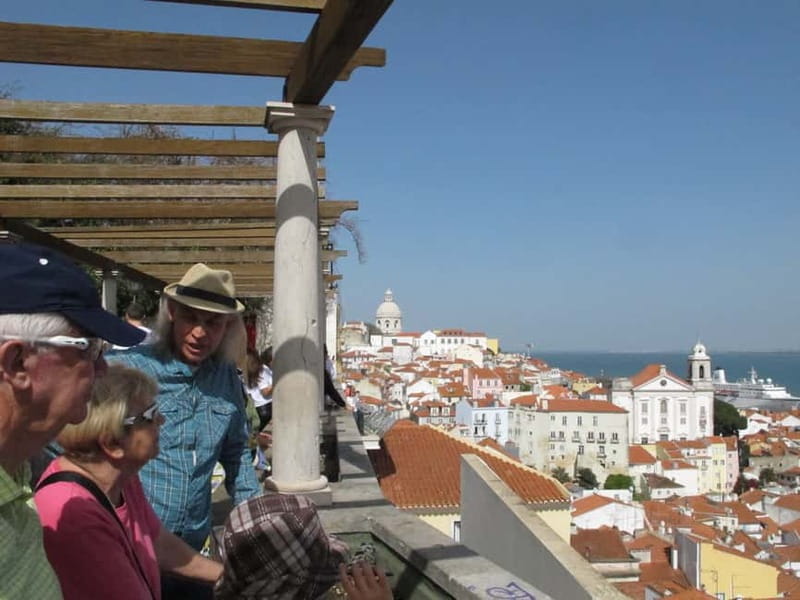
- Graça start with royal-burial context at the São Vicente area
- Amalia Rodrigues street art paired with Fado history on the move
- Roman theatre and medieval walls in the Castle zone
- 1755 earthquake evidence including a buried street
- Dictatorship-era prison traces alongside earlier layers
- Praça do Comércio finale on the ground where the Royal Palace once stood
Start in Graça: church, old worker housing, and São Vicente’s royal burials
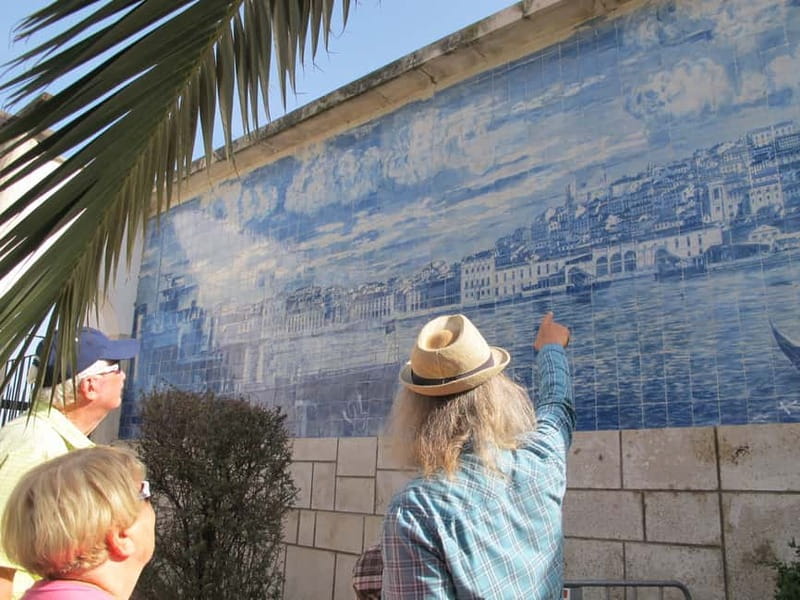
You begin in the Graça area, a neighborhood that helps explain why Lisbon feels both hilly and historical at the same time. The tour starts with a church and old workers’ housing, and right away you get the sense that Lisbon was not only built by royalty and explorers. It was built by regular people, then reshaped again and again by power, disaster, and rebuilding.
From there, you move toward the São Vicente monastery, and this is where the tour earns its depth. You learn that members of the Portuguese royal family are buried here, along with the Queen of England. Even if you are not a history buff, that detail puts Lisbon’s connections with other European powers in your hands. It also makes the later earthquake story feel less abstract, since you are standing in a place tied to real figures and real time.
A practical note, and it matters: this tour works best when you accept that you are going to be listening. The route is not just a highlight checklist. Peter uses the stops as anchors to explain what you are seeing, why it matters, and how each era left physical marks. If you prefer quiet sight-seeing with minimal story, you might find the narration heavy. If you like turning corners and suddenly understanding what you are actually looking at, you will love it.
You can also read our reviews of more tours and experiences in Lisbon.


Fado street art and the Amalia Rodrigues portrait you will remember
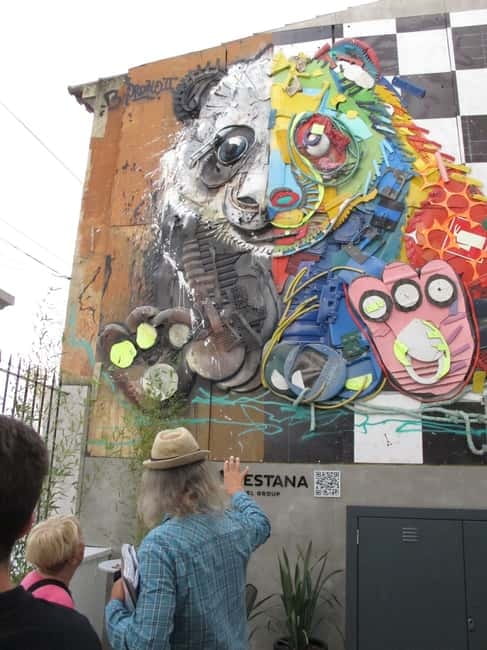
Lisbon has street art, but this tour treats it as more than decoration. You walk through sections known for art and symbolism, and one highlight is the portrait of singer Amalia Rodrigues. That stop feels like a small pause in the middle of big history, and it works because it ties emotion to place.
Peter also keeps the story grounded. Instead of treating street art like a random add-on, he uses it to point you toward the cultural side of Lisbon, especially through fado. You get to see how the city talks about identity on walls, not just in museums.
What I like for planning is that this portion helps you learn Lisbon’s visual language fast. Once you know to look for portraits, murals, and references, you start noticing them everywhere on your own afterward. The tour basically gives you a filter, so you can roam the rest of Lisbon with better instincts.
If you are short on time, this is another reason to consider doing it early in your trip. It helps you connect what you will later see on your own, and it also helps you choose where to return. The walk is about turning information into wayfinding.
Castle walls, Roman theatre, and the city’s harsher reminders
After the São Vicente area, you shift into the Castle zone, where medieval walls change the mood immediately. You wander through the area’s old city walls and get a strong sense of how defense shapes a city’s layout. Lisbon’s viewpoints make sense more quickly when you understand why this part of town was built to control access.
The tour also includes stops tied to Roman Lisbon, including the Roman theatre. That detail matters because it shows that Lisbon was already an important stop long before Portugal’s Age of Discoveries filled the headlines. You are not just learning that Romans were here, you are seeing a Roman structure built into the later city story.
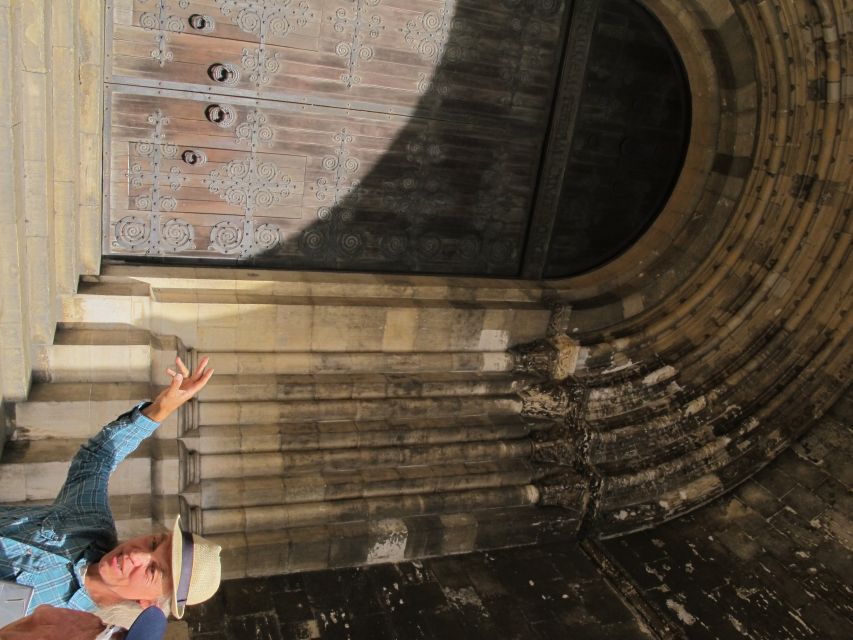
Next comes the cathedral area and its stables, followed by a look at a prison from the dictatorship period. That shift from cathedral stone to dictatorship-era confinement is a jolt, but it is also honest. Lisbon is not only pretty squares and tiled facades. It also has political chapters you can stand near and reflect on. Having that contrast built into the route makes the overall history feel real, not like a series of postcards.
One small benefit of the group size, limited to 8: when you enter smaller spaces, you can keep up without feeling lost. It is easier to hear, easier to ask questions, and easier to slow down when Peter wants to point something out. The tour feels structured, but not rushed.
1755 earthquake trail: the buried street and why Baixa looks the way it does
The center of the tour’s dramatic story is the 1755 Lisbon earthquake. You do not just get a short explanation, you get to witness the physical damage and the evidence of what happened. The tour includes a prison and other layers too, but the earthquake segment is the moment the city’s transformation becomes impossible to ignore.
You will see the damage connected to 1755, including a buried street. That is the kind of stop that changes how you picture the city. Instead of imagining a disaster from far away, you stand near a reminder that the ground itself holds history.
Then the tour links that trauma to rebuilding. You see earthquake-resistant building approaches in the Baixa district. This is where the tour becomes practical. You learn how Lisbon tried to survive another shock by redesigning how buildings worked and how the city moved forward. It turns an earthquake from a date on a timeline into a reason behind architecture.
If you are sensitive to heavy topics, it helps that the tour is balanced. It moves from earthquake facts to street art to the final grand square, so the mood does not stay grim for the whole walk. You also get breaks built into the route through different areas and different themes.
Timing also helps. A 2.5-hour format means you get the key sites without burning your whole day. If your legs are good and you have energy for walking, it is long enough to feel complete, but short enough that you still have time to explore after.
Praça do Comércio finale: why the Royal Palace site still anchors Lisbon
You finish in Praça do Comércio, one of the most beautiful squares in Europe. This is a smart ending because the square is open and bright after the tighter streets and wall-lined areas earlier in the tour. It gives you space to look around and connect the dots.
You also get context for the square itself. The Royal Palace once stood here, and the tour explains what happened on this site over the centuries. That background matters because Praça do Comércio can otherwise feel like a “pretty place to meet your friends.” Here, it becomes a focal point in Lisbon’s political and architectural story.
Peter also covers the meaning of the statues in the square. That kind of detail might sound minor until you try to interpret the scene on your own later. With the explanation, you stop seeing random sculptures and start seeing a designed message about power, maritime identity, and the eras Lisbon went through.
When I think about value, this ending is part of it. It gives you a visual payoff, and it also gives you something to remember when you walk away. After the tour, you can sit in the square and review what you learned, or you can use it as a launchpad into nearby areas.


Price, pacing, and who should book this small-group history walk
The price is $40 per person for about 2.5 hours, and in my view the value comes from focus plus a small group. You are not paying for transport or a vehicle. You are paying for a guide to connect multiple layers of Lisbon: Roman remnants, Moorish walls, cathedral areas, dictatorship-era traces, and earthquake evidence. That is a lot to compress into one walk without feeling like you are only seeing the surface.
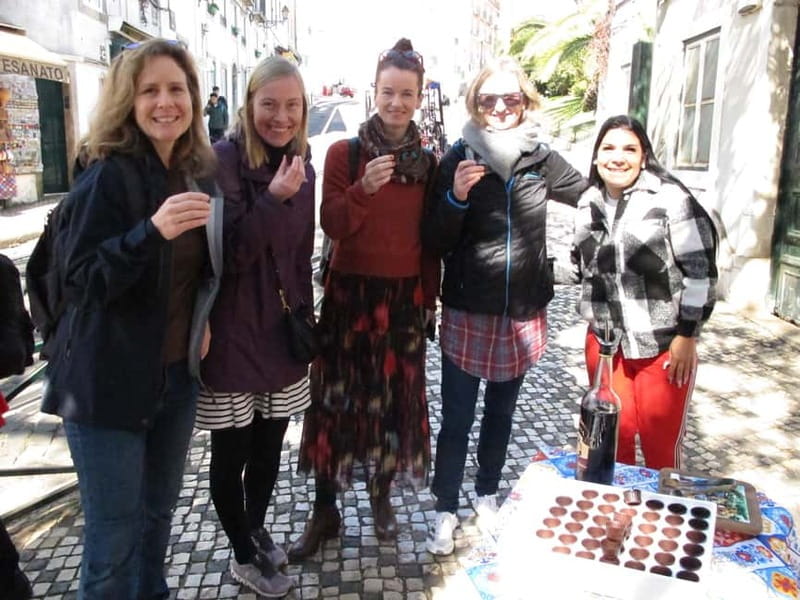
You also get a Lisbon specialty included in the price: pastel de nata (cream tart) or ginginha (cherry liqueur). That is a nice touch because it gives you a quick taste to anchor the cultural side of Portugal after the history-heavy stops.
The pacing is also built for listening. Reviews I read praised Peter for being prepared and organized, and they also liked that the tour is almost all history-based. So if your ideal Lisbon day is all modern neighborhoods, food markets, and nightlife, this might not be your best match. If you want to understand why Lisbon looks the way it does, you will feel rewarded.
Who this suits best:
- First-time Lisbon visitors who want a strong orientation
- Travelers who enjoy history tied to what they can see on the street
- People who like small groups, since it stays limited to 8
- Anyone who appreciates Fado culture and street art as part of the city’s story
Who might skip:
- Anyone needing wheelchair access or mobility-friendly routing, since it is not suitable for wheelchair users or people with mobility impairments
- Families with kids under 5
- People who dislike longer stretches of walking (this is about 2.5 hours)
If you do book it, my practical suggestion is to wear comfortable shoes and plan for a listening-heavy experience. Then, after the tour, build your day around what you learned. You will know what to look for, and you will waste less time guessing.
Should you book this Lisbon Highlights and Hidden Corners tour?
I would book this if you want a guided way to make sense of Lisbon fast. The mix of Roman theatre, medieval walls, São Vicente monastery burials, the Amalia Rodrigues street art moment, and the 1755 earthquake trail is a strong combination. It ends in Praça do Comércio with a clear, satisfying payoff, and the small group size keeps the experience conversational.
Skip it if you are mainly chasing modern Lisbon or you need an accessible route. This walk is history-driven, and it is built for people who can comfortably handle a 2.5-hour stroll.
FAQ
How long is the Lisbon Highlights and Hidden Gems Tour?
It lasts about 2.5 hours.
What is the price per person?
The price is $40 per person.
Where does the tour end?
The tour ends back at the meeting point.
Are there different start times?
Starting times can vary, so you need to check availability.
What is included in the price?
You get either pastel de nata (cream tart) or ginginha (cherry liqueur).
How many people are in the group?
The group is limited to 8 participants.
What languages is the tour offered in?
The live tour guide speaks French and English.
Is the tour wheelchair accessible?
No, it is not suitable for wheelchair users.
Is it suitable for children?
It is not suitable for children under 5 years old.
What kind of cancellation options are available?
You can cancel up to 24 hours in advance for a full refund. You can also reserve now and pay later.
More Tours in Lisbon




More Tour Reviews in Lisbon
Not for you? Here's more nearby things to do in Lisbon we have reviewed










Lisbon City Tours, side by side.
 ★ 5.0Lisbon City Center Tour – The Unmissable LisbonTickets from $322,234 traveller reviews
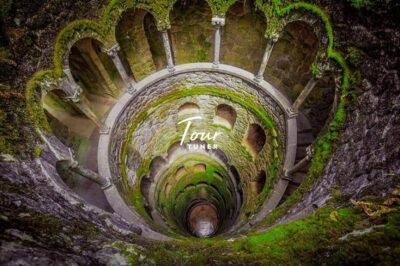 ★ 4.7Sintra, Pena, Regaleira, Cabo da Roca & CascaisTickets from $2319,656 traveller reviews
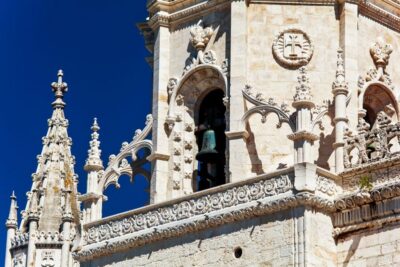 ★ 4.1Jerónimos Monastery Entrance TicketTickets from $2114,164 traveller reviews
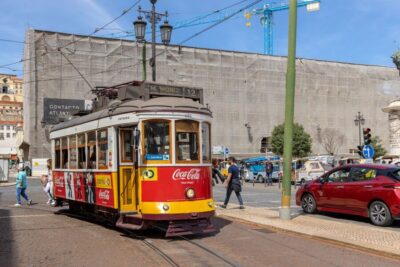 ★ 4.8History, Stories and Lifestyle Walking TourTickets from $2910,902 traveller reviews
 ★ 4.5Sunset Boat Party Cruise with DJ and Open BarTickets from $2710,378 traveller reviews
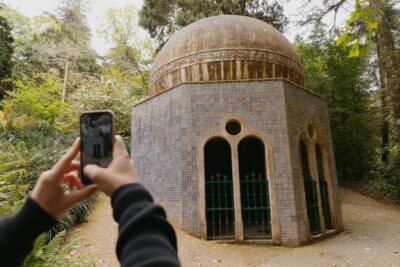 ★ 4.7Pena Palace, Sintra, Cabo da Roca, & Cascais DaytripTickets from $919,981 traveller reviews
 ★ 4.6Oceanário de Lisboa Entrance TicketTickets from $299,943 traveller reviews
 ★ 5.0True 4Hour Private Tuk Tuk Tour: Discover Lisbon with a Local!Tickets from $1088,008 traveller reviews