
Review · LISBON CITY TOURS
Lisbon: 3-Hour The Slave Trade – An Historical Walking Tour
Lisbon has a slavery story most tourists miss. What makes this tour different is how it links everyday city sights to the Atlantic slave trade, from Prince Henry’s era to Portugal’s long economic dependence on human suffering. I especially liked the African guide, Rui Fernandes, who teaches with history, political science, and economics, and the small group size that keeps questions in the open.
You’ll get a frank, fact-forward walk through city center streets, churches, public squares, and monuments tied to this past, with extra context on things like daily life for enslaved people in Lisbon and the role of Brazil. One possible drawback is the subject matter is heavy. If you prefer light, feel-good sightseeing first, this might hit hard right out of the gate.
Key highlights you’ll remember

- Start in Lisbon’s oldest-area feel at Largo do Chafariz de Dentro, then walk through Alfama-style streets
- A guide who connects the dots between economics, politics, and the slave trade, not just dates
- Real time for questions, so you can keep clearing up confusion as you go
- A short coffee and restroom break so you stay human during an emotionally intense tour
- A pace that works for most people, with only gentle walking and time to catch your breath
- A topic mass tourism rarely covers, which is exactly why it feels worth the time
Lisbon Slave Trade Walking Tour, what it actually is
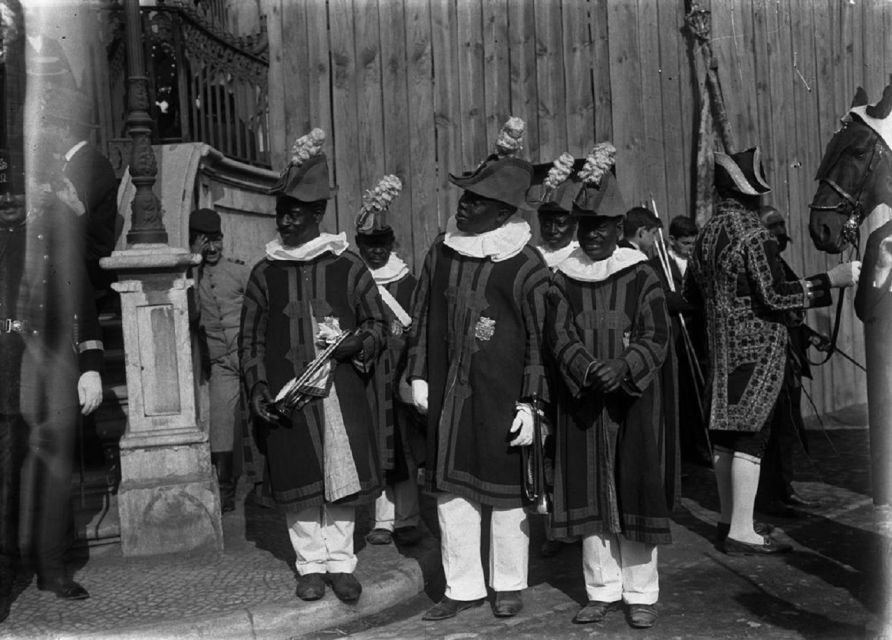
This is a 3-hour historical walking tour focused on Portugal’s role in the transatlantic slave trade, and specifically how Lisbon was shaped by it. The big idea is simple: you cannot fully understand Lisbon’s prosperity, monuments, and institutions without understanding the trade that fed them. The tour doesn’t treat slavery as a distant headline. It ties it to the streets you walk and the buildings you notice.
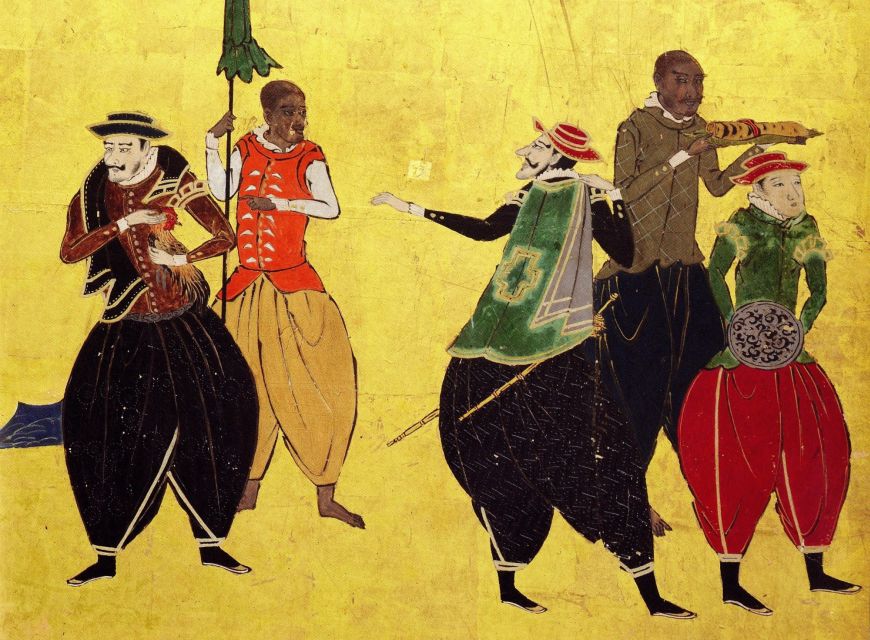
Expect a guided story that moves from the early 1400s, when Portuguese activity along the Atlantic took on the shape we now call the Atlantic slave trade, to the centuries that followed. You’ll also cover why the Iberian peninsula mattered for the early development of slavery, how the Age of Discovery fueled an expanding system, and why the Americas, especially Brazil, became central to profits.
And yes, this is a grim subject. But you’ll learn in a structured way, with visuals and careful explanation, so the history becomes understandable instead of a blur.
You can also read our reviews of more walking tours in Lisbon



Meeting at Largo do Chafariz de Dentro, then easing into Alfama streets
You meet at Largo do Chafariz de Dentro, a practical starting point that places you quickly inside Lisbon’s older, more atmospheric fabric. From there, the tour’s rhythm matches the neighborhood. Expect cobblestones and historic street texture, the kind of walking where the city feels lived-in, not staged.
Several guides on this theme can rush you through the hard parts. This one tends to go the opposite direction. Rui adjusts to the group, slows down when people need time to take in what they’re seeing, and keeps the narrative clear enough that even tough details land without overwhelming you.
One detail I appreciate is the tour is designed around comfort. Reviews mention the walk is mostly flat or gently graded, so this is often a good option even if you do not love steep hills. Still, bring comfortable shoes because Lisbon cobbles are Lisbon cobbles.
From Prince Henry’s era to the Atlantic slave trade, in human terms

The history begins in the first half of the 15th century, when Portugal, under Prince Henry the Navigator, helped set in motion what is now called the Atlantic slave trade. The guide connects this early phase to what followed: a system that transported enslaved Africans across the ocean to the Americas, lasting for about four centuries. The tour highlights the scale too, using the estimate of 12 to 14 million Africans sold into slavery.
What you’ll likely notice is how the guide frames the subject. It is not only about ships and voyages. It is about the logic that made the system work, and the institutions that allowed it to endure.
You’ll also hear how slavery developed and spread in ways tied to the Iberian context before it became deeply Atlantic in nature. And you’ll get an explanation of the trade’s mechanics at a level that stays grounded. That means fewer big, abstract speeches, and more clear cause-and-effect: exploration, profit, legal and political permission, then the day-to-day reality.
Churches, squares, and monuments that point back to slavery
This is a walking tour built around connections. You do not just pass landmarks. You stop and get told why specific parts of Lisbon matter to the story.
That might include churches and monuments tied to the city’s institutional power, or public squares where political and civic life unfolded alongside economic growth. It can also mean smaller back streets, where the city’s “ordinary” look hides past uses and older functions that helped feed the system.
One of the strongest parts is how the guide helps you read the city. Reviews mention attention to street names, building features, and the past uses of places that today look grand or neutral. That makes the walk feel like a guided decoding session. You start noticing patterns you would otherwise miss completely.
If you like history that stays attached to real places, this is where you’ll feel it most. If you came for only famous sights, you might find the tour spends more time on interpretive stops than on postcard photo moments. The payoff is a fuller understanding.
What “daily life” could mean for enslaved people in Lisbon
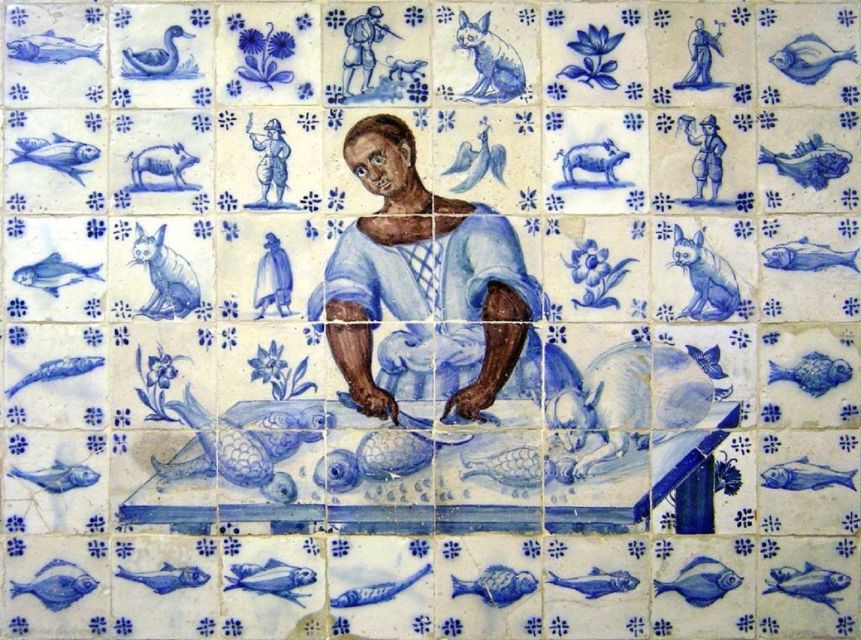
A lot of tours mention the slave trade in broad strokes. This one tries to put you closer to daily life by discussing how enslaved people experienced historical Lisbon. That includes topics meant to help you understand what life could look like when people were treated as property, not people.
The guide also connects Lisbon’s role to the wider Atlantic system. So the story is not only local suffering, it is also how Lisbon sat inside a transatlantic pipeline. You’ll hear about the importance of Brazil and why the Americas became a key destination for Portuguese involvement in the trade.
What I find most valuable here is the balance between moral clarity and historical detail. The tour doesn’t ask you to accept vague claims. It gives context, timeline, and reasoning, so you can see how everyday civic and economic systems could be shaped by something utterly inhumane.
You can also read our reviews of more historical tours in Lisbon





Portugal, Brazil, Africa, and the profit engine of empire
Once the tour reaches the “why it scaled up” part, the explanation becomes more political and economic. The guide covers the Age of Discovery as a turning point, but in a specific way, showing how exploration and commerce created the conditions for a long-term, profitable system.
Brazil gets special focus because it mattered. You’ll hear how the trade linked Portugal’s wealth and development to the labor extracted in Portuguese-linked territories. That connection is crucial because it explains why the trade lasted, not just why it started.
The tour also addresses Portuguese colonies in Africa and the struggle for liberation by African nationalists. That matters because it shifts the story out of the “only Europeans did everything” frame. It also emphasizes that resistance and political action existed throughout the system’s long life.
If you’re the kind of person who wants to connect history to present-day outcomes, this section is likely the one you think about on the walk back to dinner.
A short coffee and restroom break, so the story sticks
The tour includes one coffee break and one WC break. That might sound like a throwaway detail, but in a 3-hour tour about human suffering, it matters.
You get a pause that helps you regroup mentally without losing your place in the narrative. Reviews mention shade-finding on hot days and a nice café stop where people appreciated the break, including Portuguese pastry like pastel de natas.
Also, the break gives your group a chance to ask questions that might feel too disruptive during a stop at a monument or church. Rui tends to keep the questions flowing throughout the tour, so the coffee stop becomes part of the learning process, not an awkward intermission.
Pace, group size, and why small helps with hard history
The tour is designed for a small group, capped at about 6 participants. In practice, that means you are not a faceless row in a big crowd. You can ask direct questions, get follow-up answers, and hear how your own confusion compares with other people’s.
Reviews repeatedly highlight how Rui keeps an even pace and answers questions patiently. People also mention he remembers names and creates a group vibe where asking questions feels normal, not annoying.
There’s also a practical benefit: because it’s a smaller walk, it’s easier to hear street-level explanations and stop for a moment when something catches your attention. You’ll also find the tour’s tone is respectful and sensitive, which matters because this topic can connect to personal or family histories.
Price and value: $35 for a focused 3-hour history walk
At $35 per person for a 3-hour guided walk, this tour is good value for what you get. You’re paying for a specialty topic, a licensed local guide, and a structured learning experience tied to real places. You also get the small-group format, plus the included coffee and WC break.
The key value isn’t just the price. It’s the subject focus. Most Lisbon tours touch slavery only briefly, if at all. This one treats Portugal’s involvement as central, and it gives you the context to interpret what you see elsewhere in the city later.
If you like to build a “complete picture” of a destination, this helps. You’ll probably leave the tour noticing how the city talks about itself, and what it leaves out.
Who this tour suits, and who might think twice
This tour suits you if you want real historical context tied to Lisbon’s streets, not just museum highlights. It also suits you if you like asking questions. Rui makes space for that, and he answers in clear, careful explanations, supported by visual materials.
It’s also a strong choice if you care about the political and economic sides of history, because the guide’s background covers history alongside political science and economics. That combo makes the story feel less like a lecture and more like an explanation of how systems worked.
If you want an easy, carefree walk with light entertainment, this might not be your best first activity. The topic is severe, and you’ll likely feel it emotionally. Think of it like a necessary course, not a casual stroll.
Should you book this Lisbon slavery history walking tour?
I think you should book it if you’re the kind of traveler who wants Lisbon to make sense. The tour helps you understand why Lisbon looks the way it does, and why so much prosperity came with moral costs that were real, documented, and systemic.
Book it if you want a small-group experience with time for questions and a guide who can connect sites to the Atlantic slave trade without hand-waving. Skip it only if you strongly prefer purely scenic sightseeing, or if you know you need a break from heavy topics while you’re on holiday.
If you do book, bring comfortable shoes, arrive a few minutes early at Largo do Chafariz de Dentro, and come ready to ask questions. This tour is built for that.
FAQ
Where is the meeting point for the tour?
You meet your guide at Largo do Chafariz de Dentro.
How long is the Lisbon slave trade walking tour?
The tour lasts about 3 hours.
Is the tour offered in English?
Yes, the live tour guide speaks English.
What group size should I expect?
It is a small group tour, limited to a maximum of 6 participants.
What is included in the price?
The price includes a live tour guide and local taxes and fees, plus one coffee and one WC break.
What should I bring, and is anything not allowed?
Bring comfortable shoes. Pets are not allowed.
More Walking Tours in Lisbon



More Tours in Lisbon





More Tour Reviews in Lisbon




Not for you? Here's more nearby things to do in Lisbon we have reviewed












Lisbon City Tours, side by side.
 ★ 5.0Lisbon City Center Tour – The Unmissable LisbonTickets from $322,234 traveller reviews
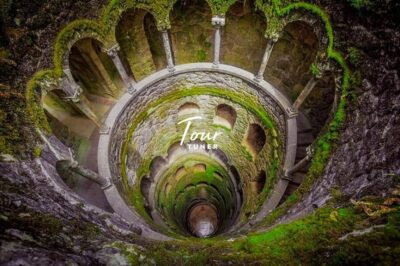 ★ 4.7Sintra, Pena, Regaleira, Cabo da Roca & CascaisTickets from $2319,656 traveller reviews
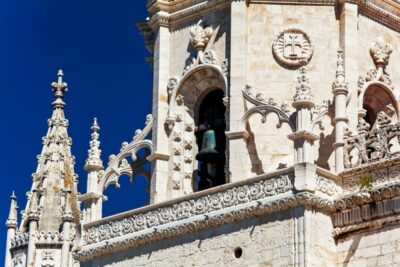 ★ 4.1Jerónimos Monastery Entrance TicketTickets from $2114,164 traveller reviews
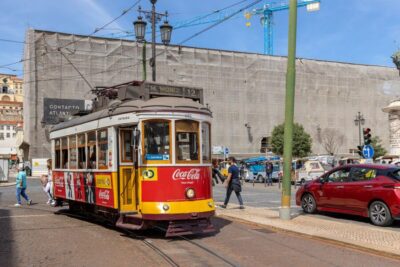 ★ 4.8History, Stories and Lifestyle Walking TourTickets from $2910,902 traveller reviews
 ★ 4.5Sunset Boat Party Cruise with DJ and Open BarTickets from $2710,378 traveller reviews
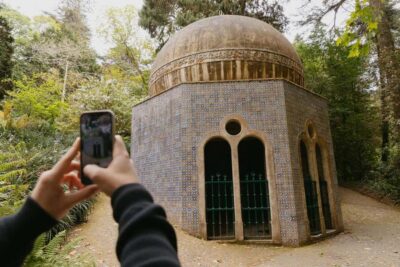 ★ 4.7Pena Palace, Sintra, Cabo da Roca, & Cascais DaytripTickets from $919,981 traveller reviews
 ★ 4.6Oceanário de Lisboa Entrance TicketTickets from $299,943 traveller reviews
 ★ 5.0True 4Hour Private Tuk Tuk Tour: Discover Lisbon with a Local!Tickets from $1088,008 traveller reviews
More useful lists for this tour