
Review · BELEM TOURS
Belém District and the Salazar Dictatorship Legacy – Private Walking Tour
Belém hides a darker Lisbon story. This private walk through the waterfront connects Discoveries-age landmarks to the 1940 exhibition and the Salazar years, so you read the stone like a document.
I like that Luís Maio turns the monuments into real explanations, including questions like who the carved explorers represent and why some parts of the display lack context. I also love that there’s a professional photographer guide built into the experience, so your photos come out better than the usual quick phone dash.
One drawback to plan for: this is a short, outdoor format with multiple stops, so if you want long interior time inside major sites, you will likely need to come back later on your own.
Key highlights to expect
- A Salazar-era story built around the 1940 Portuguese World Exhibition instead of a random chronology
- Stop-by-stop explanations that connect propaganda details to what you can see on the ground today
- Luis Maio’s tailored pace, including shade choices on hot days and patience in heavy rain
- Photo-friendly walking route, with a photographer guide helping you get better angles
- Two departure options (morning or afternoon) for fitting Belém into your Lisbon rhythm
- Easy transit by the river, with the tour ending near Belém Tower Garden and close to Algés connections
Belém is the classroom for Portugal’s hard-to-say years
Belém is usually sold as castles, towers, and postcard architecture. This tour gives it a second layer. You walk the same historic spaces, but the focus shifts to how the Estado Novo years and the 1940 exhibition shaped what Portugal wanted to show the world.
That matters because the waterfront can feel like “museum history” on the surface. Here, you learn how ideas were stamped into public spaces, from monumental shapes to the placement of symbols in squares and gardens.
The result is a walk that feels like pattern recognition. You start noticing details you would normally miss, like how certain monuments were tied to ideology, and how the story around them is not always complete.
You can also read our reviews of more walking tours in Lisbon



Your private format starts at Belem River Station
The tour meets at Belem River Station, Av. Brasília, 1300-598 Lisboa. From there, you move along a route that makes sense for a 3-hour loop, with multiple quick pauses so your guide can point out what to look for.
This is a private walking tour, meaning only your group goes with the guide. There’s also a minimum of 2 people per booking, so plan for that if you’re coming with a solo travel mindset.
One practical plus: the area is near public transportation, and you end at Belém Tower Garden, Av. Brasília, 1400-038. The end point being close to Algés train, tram, and bus stations makes it easier to keep your day moving.
Afonso de Albuquerque Square: from Discoveries icons to the 1940 backdrop
Your first stop is Afonso de Albuquerque Square. You’re in the Belém zone where Discoveries-period themes appear, including elements tied to later displays such as the 1940 Exhibition, when the waterfront became a showcase for Portugal’s self-image.
The tour usually treats this stop like a setup. You learn what to look for, then you connect it to what you will see later. That way, you are not just walking through pretty streets. You’re collecting clues.
Time here is short (about 15 minutes), so don’t expect a lecture marathon. Expect more like, get your bearings fast, then build meaning stop by stop.
Vasco da Gama Garden: seeing what remains of old Belém
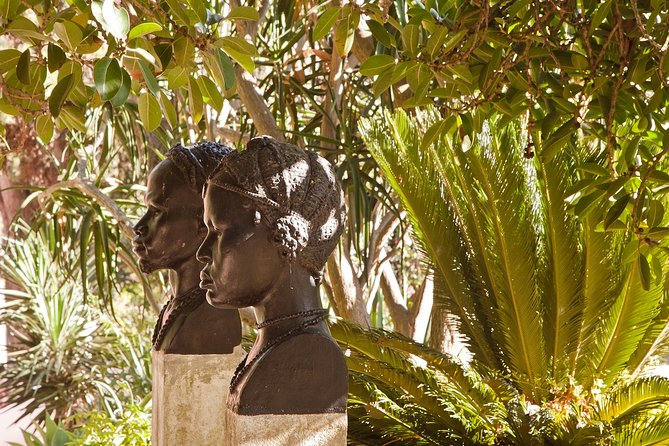
Next you visit the Vasco da Gama Garden. This is where you slow down just enough to think about what Belém used to be, and what got reshaped after major events like the 1940 exhibition.
The garden is described as part of “old Belém town, or what’s left of it.” That wording is the point. You learn that the waterfront story is layered, and some eras remain mainly through traces rather than whole structures.
A good way to use this stop: look for the contrast. In places like this, the guide helps you understand which parts are original, which are remnants, and which were repurposed or framed for a later message.
Mosteiro dos Jerónimos: late Gothic architecture with political meaning
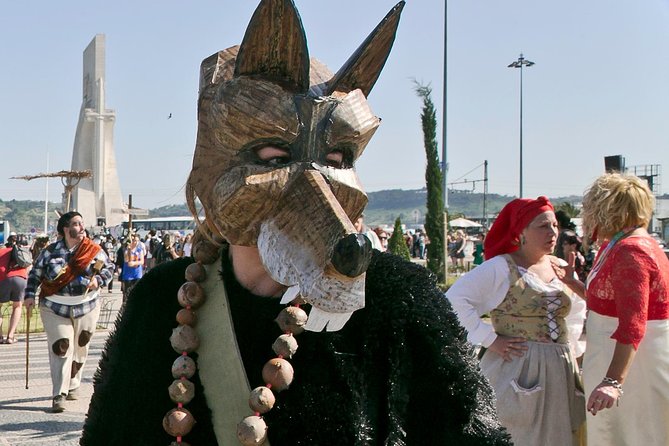
You then reach Mosteiro dos Jerónimos. The tour calls out the facade and interior spaces, with explanations focused on its historical and even mystical meaning.
Here’s why this stop can feel extra valuable on this specific tour: the guide links religious and architectural grandeur to the broader story the 1940 exhibition promoted. You’re not just learning “what the building is.” You’re learning why certain kinds of grandeur were useful for state messaging.
You’ll spend about 20 minutes here. I’d treat this as an exterior-first experience with interpretation. If your personal must-see is going inside for a long time, plan your own return visit so the walking-tour pace doesn’t compete with your ticket priorities.
You can also read our reviews of more private tours in Lisbon





Jardim da Praca do Imperio: the World Exhibition hub
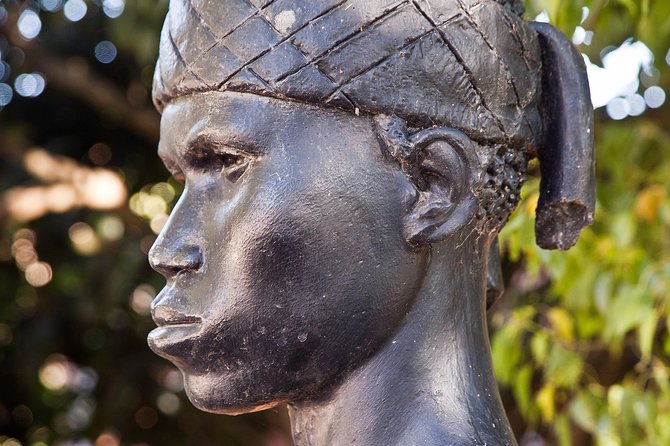
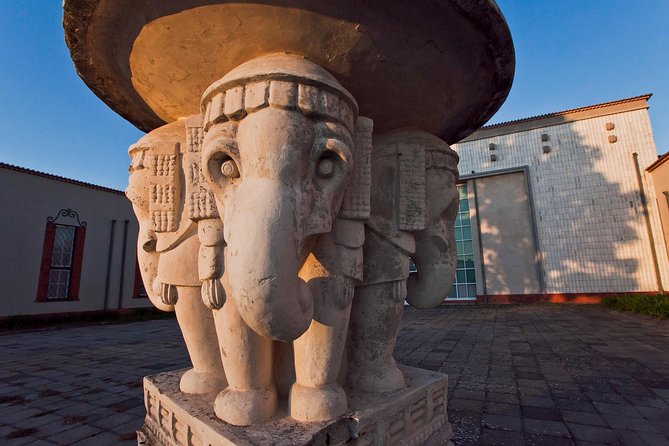
At Jardim da Praca do Imperio, you get the square as the “hub.” This was the center of the Portuguese World Exhibition, and the tour uses it as a practical way to understand the design language of the era.
Your guide makes quick stops by the heraldic flower beds, the monumental fountain, and the seahorses. Those sound like decorative details, but the idea is that state projects love symbolism. Even the landscaping can be part of the message.
Time is about 20 minutes, so focus on what your guide points at. This is one of those places where you would walk past and miss the story unless someone helps you read it.
Padrão dos Descobrimentos: icons, missing context, and the wind rose
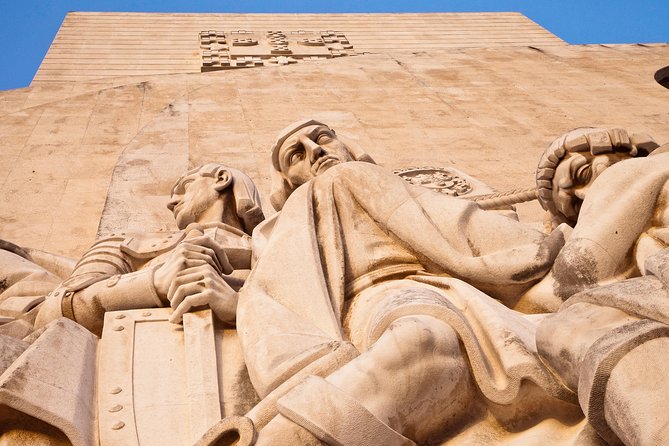
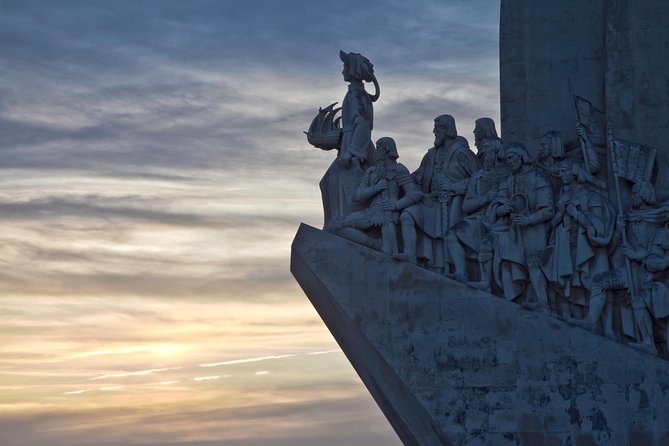
Then you walk around Padrao dos Descobrimentos, one of the big icons tied to the 1940 exhibition. This is where many visitors get a “wait, why isn’t this explained?” feeling.
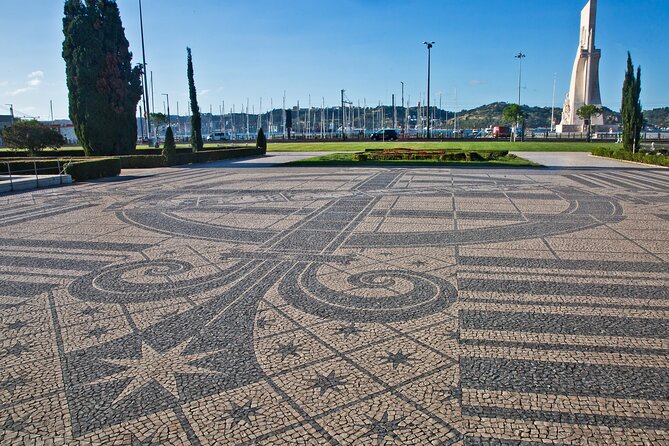
The tour pays attention to the details, including the wind rose that covers the pavement at the monument’s feet. That kind of ground-level feature is exactly where your eyes need training, and that’s what your guide supplies.
One thing I really like about this stop is the way it encourages questions. For example, the guide helps you think about who appears on the exploration monument, and why certain explanations are not obvious to the casual eye.
You get about 20 minutes, and that’s enough to notice the structure and symbols, as long as you engage and ask.
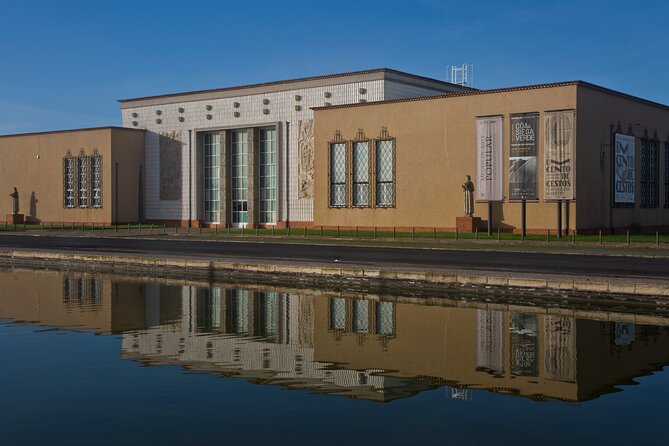
Museu de Arte Popular: a modernist oddity inside a political story
A short stop follows at Museu de Arte Popular. The tour describes it as a conundrum, a real oddity of Modernist Lisbon.
That’s a smart choice for pacing and meaning. After heavy ideas about dictatorship-era messaging, the museum stop gives you a different lens. You’re reminded that Lisbon’s “modern” layer did not develop in a vacuum. It moves alongside politics, institutions, and public culture.
Expect about 10 minutes. This isn’t designed to replace a deep museum day. It works as a quick shift in tone, so the next monument doesn’t feel like nonstop gravity.
Torre de Belém garden: the Discoveries age meeting the upper-class neighborhood story
Your final major architectural moment is Torre de Belem Garden near the Belém Tower area. The tour frames this as another great monument of the Discoveries Age, plus it links it to the Restelo upper class neighborhood that developed after the 1940 exhibition.
This is a good wrap-up stop because you end at the right emotional temperature. Earlier, you learned how ideology was promoted. Here, you see how the city’s built environment kept the story moving forward.
It’s about 15 minutes, then you finish at Belém Tower Garden. From there, the connections to Algés stations make it easier to leave without turning the end of your walk into a second mystery.
How Luis Maio makes the dictatorship legacy readable
What makes this tour work is the guide’s teaching style. Luís Maio focuses on explanations that feel practical, not abstract. You get context for daily life during the Salazar period, not just dates and names.
The tour also handles modern questions without turning the walk into a lecture. One of the most useful skills your guide demonstrates is answering your questions directly and adjusting how much detail you want. If you’re a history buff, you can go deeper. If you’re curious but not trying to read a textbook, the pace stays human.
I also like that he brings the 1940 exhibition to life as something built for an audience. The tour uses the exhibition to show how the regime crafted a heroic story of the Age of Discoveries and Portugal’s global empire. And it includes darker elements, like references to a human zoo tied to that show-piece display.
On top of that, you get specific examples that turn “propaganda” from a vague word into something concrete, like claims about government handling of artistic contributions, and other production stories connected to the exhibition.
What to do with the photos: better angles, better memory
This tour is built with photography in mind. Since a professional photographer guide is included, you can expect guidance that goes beyond pointing at a monument and hoping your shot works.
Practical benefit: you’ll likely come away with photos that show the monument in context, not just close-ups. That helps you remember what the guide explained, because you can match your image to the story you heard at that stop.
Still, don’t treat it like a full studio session. It’s a walking tour, so keep your phone or camera ready for short, specific moments when the guide directs you.
Pacing and comfort: the walking tour reality
This is about a 3-hour walk with multiple stops lasting roughly 10 to 20 minutes. That means your comfort choices matter.
The experience runs outdoors and it’s explicitly tied to good weather. If Lisbon decides to test your umbrella skills, your guide’s priority is keeping everyone engaged anyway, including finding ways to stay dry or avoid long sun exposure when it’s hot.
My advice is simple:
- Wear comfortable walking shoes (you will spend most of your time on your feet)
- Bring a light layer for changing river breezes
- If you care about interiors at Jerónimos or nearby museums, plan them outside the tour window, not during it
Also note the dress code is smart casual. That’s easy to meet, and it helps the tour feel like a guided experience rather than a sightseeing sprint.
Value and price: $33.55 for a private, guided, photo-assisted lesson
At $33.55 per person, this isn’t a cheap “walk and go” add-on. But it also isn’t trying to be an all-day, multi-transport package. For many people, the value comes from the combination:
- Private walking format (only your group)
- Local professional guide with detailed explanations
- Professional photographer guide included
- A focused theme (Belém through the Salazar dictatorship legacy and the 1940 exhibition)
The price also makes more sense when you look at what you are getting in return: interpretive context. You are not just collecting landmark names. You’re learning why certain parts of the waterfront carry specific political meanings, and why some stories feel oddly incomplete when you look without guidance.
One small cost consideration: parking is not included, and you may see a parking fee payable at tour check-in if you drive. If you’re using public transit, that concern fades.
Practical follow-up: how to build the rest of your Lisbon day
This tour ends near Belém Tower Garden, so you’re well placed to keep exploring the waterfront. You can also turn the political theme into a broader day plan.
If your interest spikes into the later story of repression and resistance, there’s a suggestion connected to the broader region: follow up with the Museum of the Resistance in Alfama. That’s not part of this walk, but it’s a logical extension if you want the next chapter after Estado Novo-era context.
And for the monument lovers: this tour gives you the exterior and meaning side. For “inside time,” add Jerónimos and any other museum visits as your own extra blocks.
Should you book this Belém and Salazar legacy walking tour?
Book it if:
- You want Lisbon that goes beyond postcards, especially the parts tied to the Salazar dictatorship and the 1940 exhibition
- You enjoy learning through walking, with quick, pointed explanations at real locations
- You want a private guide who can handle your questions and match your pace
- You care about better photos, not just “good enough” snapshots
Skip it or adjust your expectations if:
- You’re chasing a long list of timed museum entries. This experience is short-stop, outdoors-focused.
- You need lots of indoor time during the tour. Plan interiors separately so you don’t feel rushed.
If your main goal is to understand why Belém looks the way it does, and why some parts of the story feel quietly missing unless someone explains them, this is a strong match.
FAQ
How long is the tour, and can I choose a departure time?
The tour runs for about 3 hours. You can choose either a morning or afternoon departure.
What language is the tour offered in?
The tour is offered in English.
Is this a private tour, and is there a minimum group size?
Yes. It’s a private walking tour, and only your group participates. A minimum of 2 people per booking is required.
What is included in the price, and what is not?
Included: a local professional guide, a professional photographer guide, and the private walking tour. Not included: food and drinks, hotel pickup or drop-off, transportation to or from attractions. A parking fee may apply at check-in.
Where do I meet, and where does the tour end?
Meet at Belem River Station, Av. Brasília, 1300-598 Lisboa, Portugal. End at Belém Tower Garden, Av. Brasília, 1400-038 Lisboa, Portugal.
What dress code should I follow?
The dress code is smart casual.
What happens if the weather is bad or I need to cancel?
The experience requires good weather. If it’s canceled due to poor weather, you will be offered a different date or a full refund. Free cancellation is available up to 24 hours in advance for a full refund.
More Walking Tours in Lisbon



More Tours in Lisbon



More Tour Reviews in Lisbon


Not for you? Here's more nearby things to do in Lisbon we have reviewed










Belem Tours, side by side.
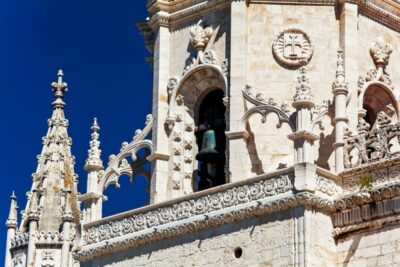 ★ 4.1Jerónimos Monastery Entrance TicketTickets from $2114,164 traveller reviews
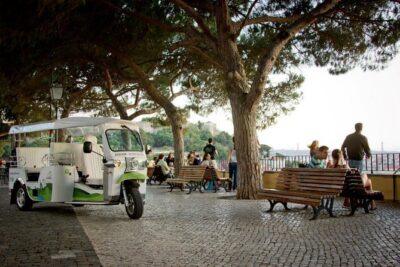 ★ 5.0Private Lisbon Sightseeing Tuk-Tuk Tour: Alfama, Belém & MoreTickets from $524,277 traveller reviews
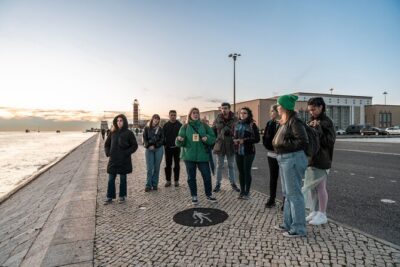 ★ 5.0Age of Discoveries Walking Tour in BelémTickets from $31,513 traveller reviews
 ★ 5.0Bike Tours Lisbon – Center of Lisbon to BelémTickets from $19686 traveller reviews
 ★ 3.7Jerónimos Monastery E-Ticket and Audio GuideTickets from $33660 traveller reviews
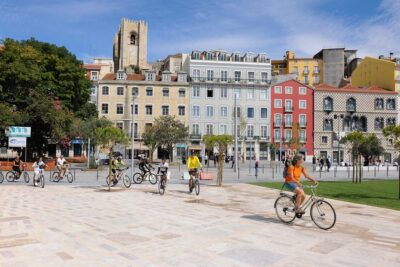 ★ 4.7Lisbon Bike Tour: Downhill Downtown Lisbon to BelémTickets from $45655 traveller reviews
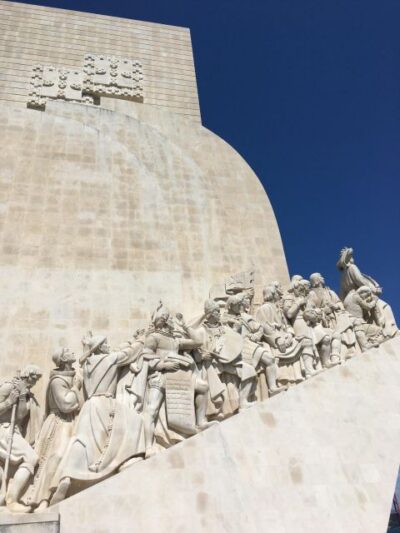 ★ 4.7Belem Walking Tour with Jeronimos Monastery TicketTickets from $61490 traveller reviews
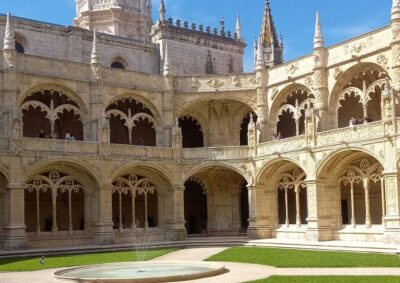 ★ 4.8Belem, Jeronimos Monastery, and Coach Museum TourTickets from $94478 traveller reviews
More useful lists for this tour