
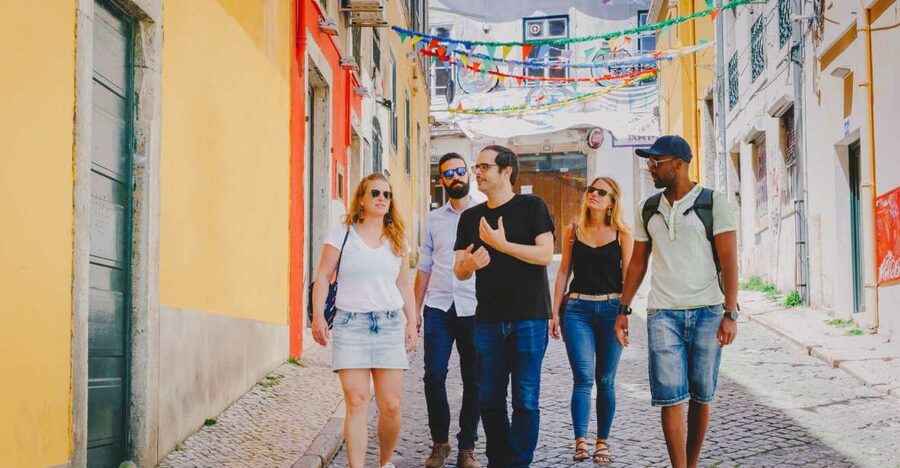
Review · ALFAMA TOURS
Best of Lisbon Walking Tour: Rossio, Chiado & Alfama
Lisbon gets real fast on foot. This 3-hour walk strings together the city’s big landmarks and neighborhoods, then adds food tastings to keep it fun and memorable. I particularly love the route, which links the political turning points from Restauradores Square and Carmo Square to the day-to-day culture in Chiado and Alfama. One thing to keep in mind: it is still a walking tour, so plan for about three hours on your feet.
If you like history with street-level details, this tour fits. Guides named Filipa, Martin, Carlos A, and Joana show up often in feedback for their pacing and for answering questions in a friendly, conversational way. I also like that you get built-in breaks through photo stops and viewpoints, not just nonstop talking. The only practical drawback is that entrances and on-site guiding at attractions are not included, so you should expect mostly outside viewing and photos, not museum time.
Key highlights you will feel immediately
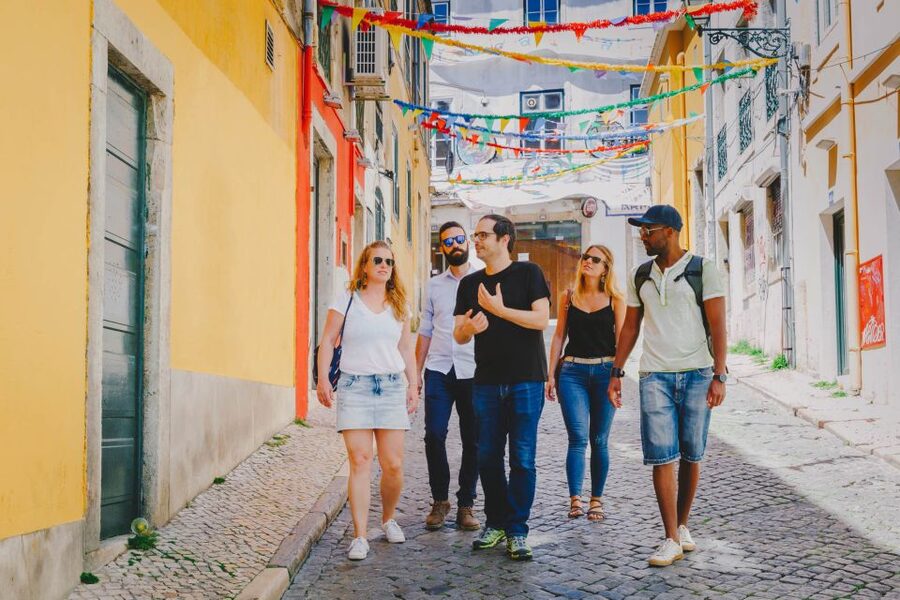
- Start in Rossio Square and orient yourself in both old and newer Lisbon
- Neo-Manueline details at Rossio Central Station that are easy to spot with a guide
- Carnation Revolution context tied to a real place, Carmo Square
- Chiado walking with purpose, including old cafés, theatres, boutiques, and bookstores
- Baixa after the 18th-century earthquake, rebuilt with new urban planning ideas you can still see
- Pastel de nata plus snack and wine tastings, with Alfama’s Fado vibe in the mix
Rossio Square to Rossio Central Station, where Lisbon starts making sense
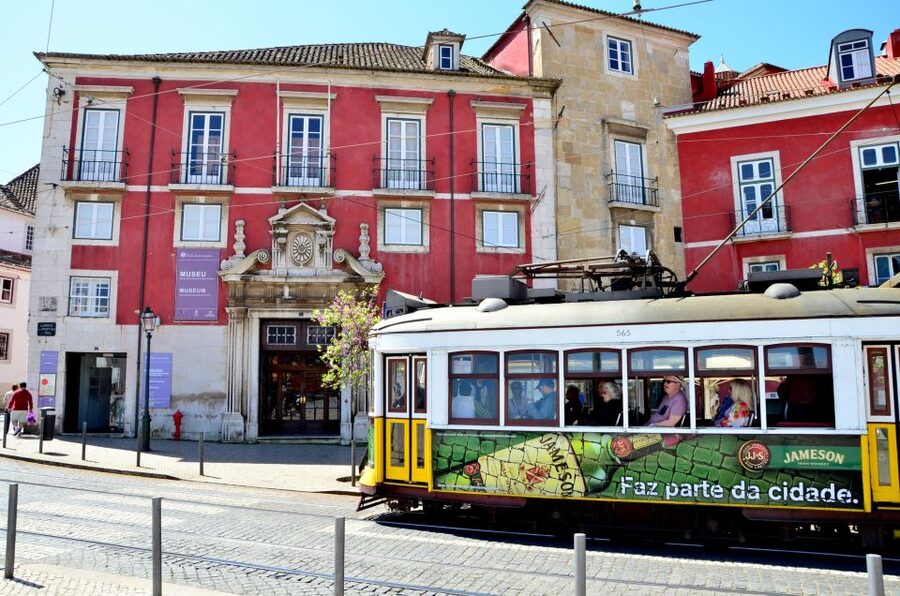
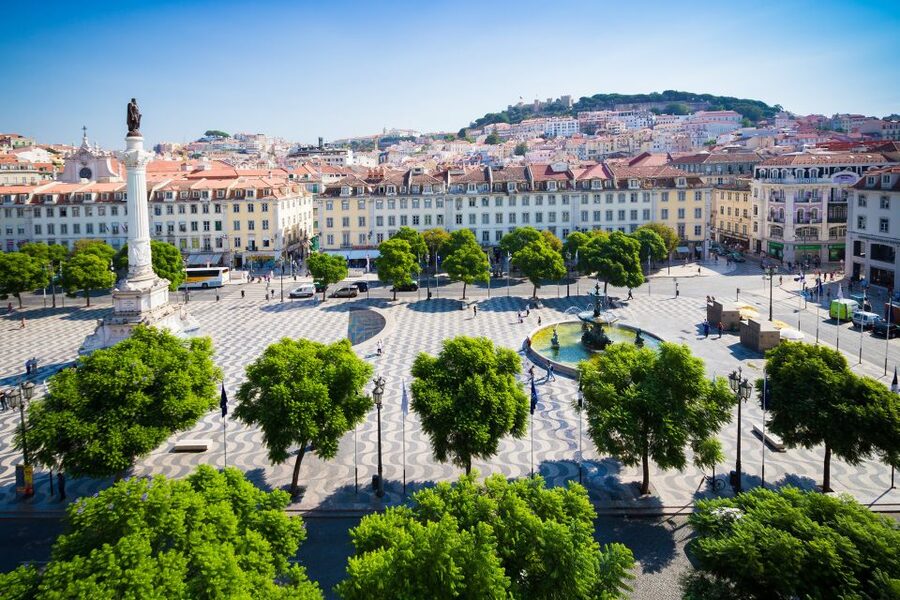
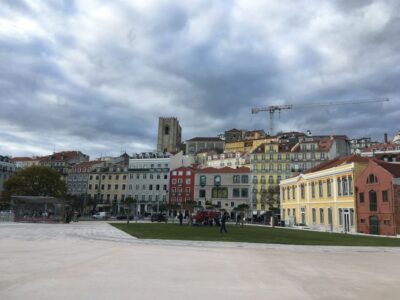
The tour begins at Rossio Square, by the statue of D. Pedro IV. It is a great meeting point because it is central to both the tourist core and the routes that lead into older neighborhoods. If Lisbon feels like a maze when you land, this is the kind of start that gives you a mental map.
From there, you will walk toward Rossio Railway Station area and keep an eye out for intricate neo-Manueline architecture at Rossio Central Station. This matters because it is not just decoration. It is Lisbon showing off, especially through ornate stonework that signals power and pride. Seeing it with a guide helps you notice features you might otherwise miss while you are busy just watching traffic and trams.
You will also hit quick stops around St. Dominic’s Square and take photos along the way. These are short, but they help you break the walk into manageable chunks, so the tour stays energetic instead of turning into a long lecture.
You can also read our reviews of more walking tours in Lisbon



Restauradores Square and the independence story in one stone obelisk
One of the most memorable parts is the segment around Restauradores Square. In the middle sits an obelisk that commemorates the restoration of Portugal’s independence from Spain. You do not need a textbook for this stop because the landmark is literally built into the plaza.
What I like here is how the tour connects that independence story to later, more modern events. You are basically walking through layers of Lisbon’s political identity, from state-level power to streets that later became symbols of change. It is a fast lesson, but it feels grounded because you are standing in the place where the story gets told.
The timing is also friendly. You get the key visuals and context without losing the rest of your day. That balance is what makes a short tour like this worth your time.
Largo do Carmo Square and the Carnation Revolution, explained where it happened
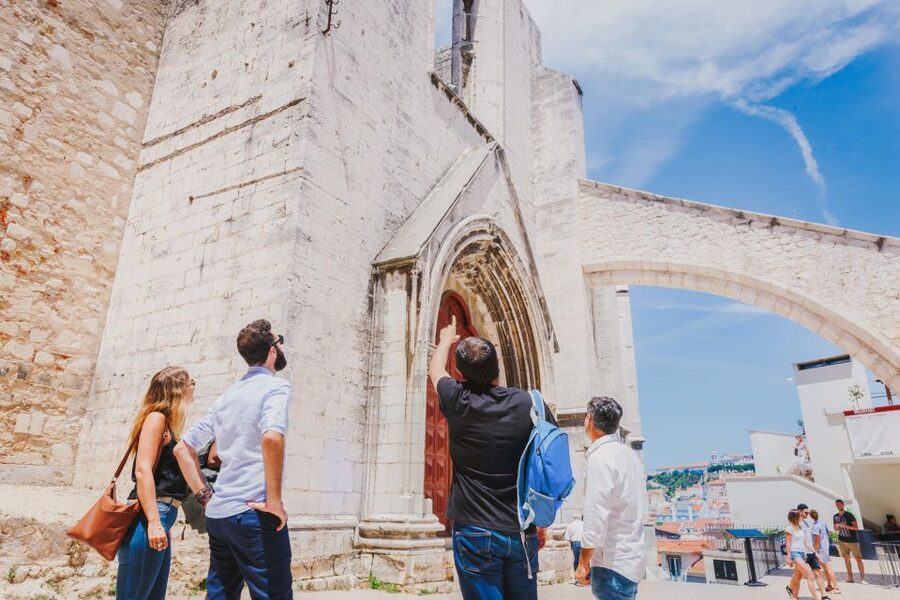
At Largo do Carmo Square, the guide puts the Carnation Revolution of 1974 into human terms. This movement ended 48 years of dictatorship, and the explanation lands best when you are looking at the surrounding streets, not reading about them later.
Carmo Square is also a good example of why guided tours can be more useful than apps. The facts are important, but the guide’s job is to connect the facts to why this corner matters. You leave with a clearer sense of how Portugal’s modern identity formed, which makes later stops feel more connected rather than random sights.
There is a viewpoint moment built into the walking flow as well, so you get your eyes a break. It helps, because Lisbon is not flat, and your legs and your brain both need a breather.
Chiado: old cafés, bookstores, and the charm you can actually walk through
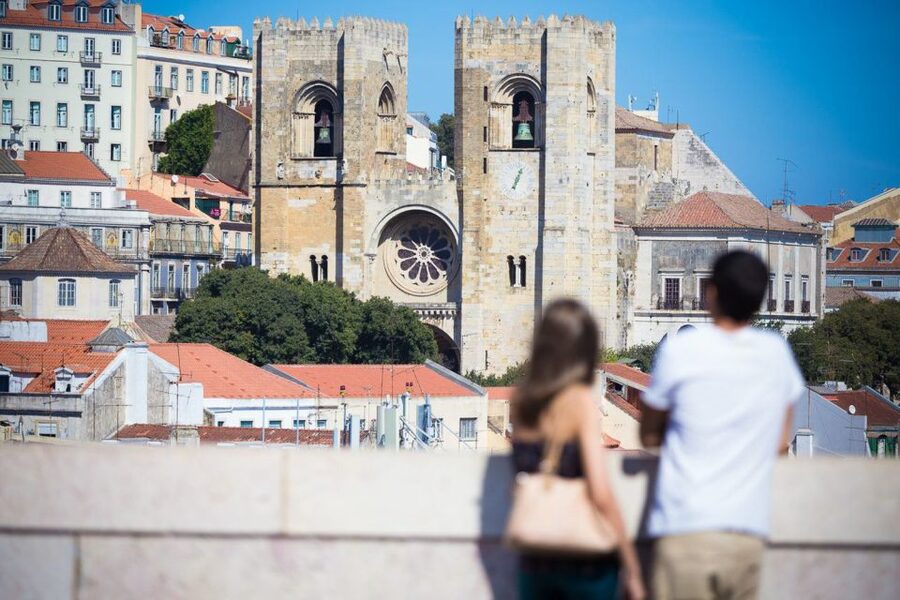
Chiado is where the tour shifts from political landmarks to everyday culture. You will pass through the neighborhood and learn what to look for: old cafés, boutiques, theatres, and quaint bookstores. The guide’s stories give these places more meaning, especially when you realize Chiado has long been associated with Lisbon’s artistic and social life.
I like that the tour keeps Chiado practical. You are not just staring at beautiful facades. You are learning what kind of neighborhood you are in, so when you come back later on your own, you will know what to prioritize. If you are the type who likes to wander with a plan, this helps.
Photo stops in Chiado are quick, but they work. You get a clean record for later, and you keep moving before the walk starts to feel like a checklist.
Baixa de Lisboa: earthquake rebuilding you can still see street by street
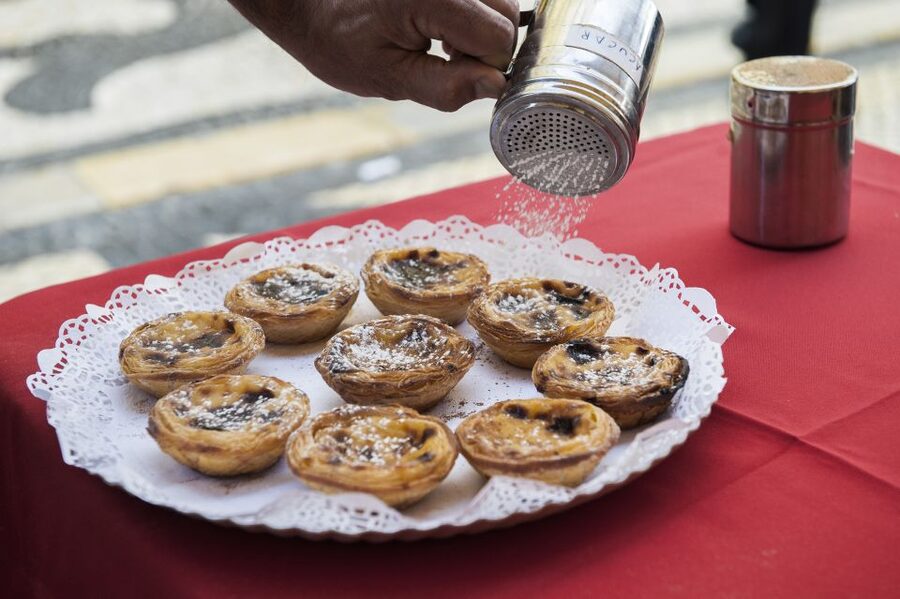
Baixa is the heart of the city, and it is also where Lisbon’s planning story becomes visible. This area was completely rebuilt after the 18th-century earthquake, following new rules of urbanism and what the tour describes as anti-systemic architecture. That phrase can sound abstract until you notice how the streets are laid out and how the rebuilding created a more orderly core.
Here is the practical payoff for you. If you are trying to understand Lisbon’s structure, Baixa gives you the spine of the city. Once you see it, you can better guess where you are in relation to other neighborhoods and hills. That makes your later independent exploring feel easier and less stressful.
There is also a food tasting stop in Baixa. It is short, but it helps keep energy up during the transition from central streets to the more winding, older parts of Lisbon.




Pastel de nata and wine tastings: why the breaks feel like part of the tour
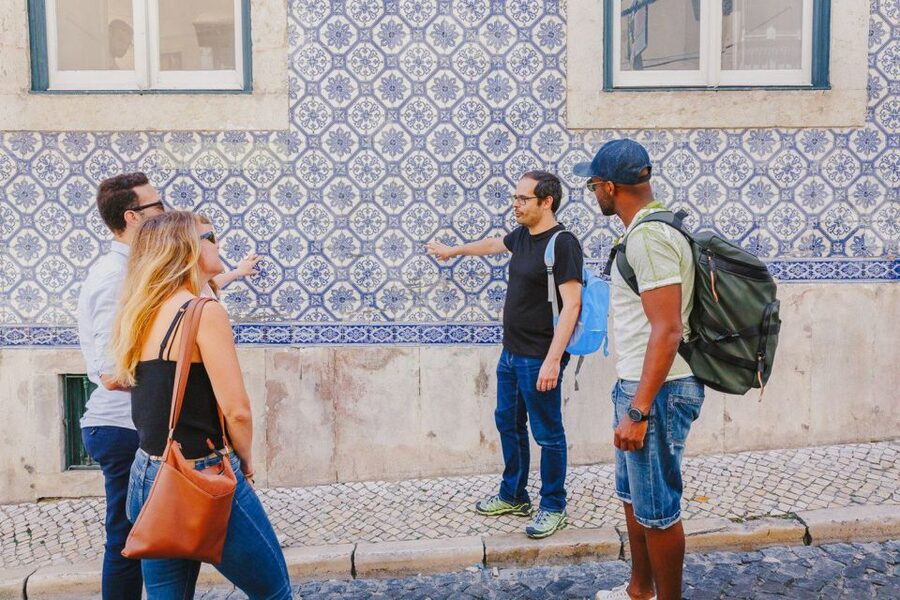
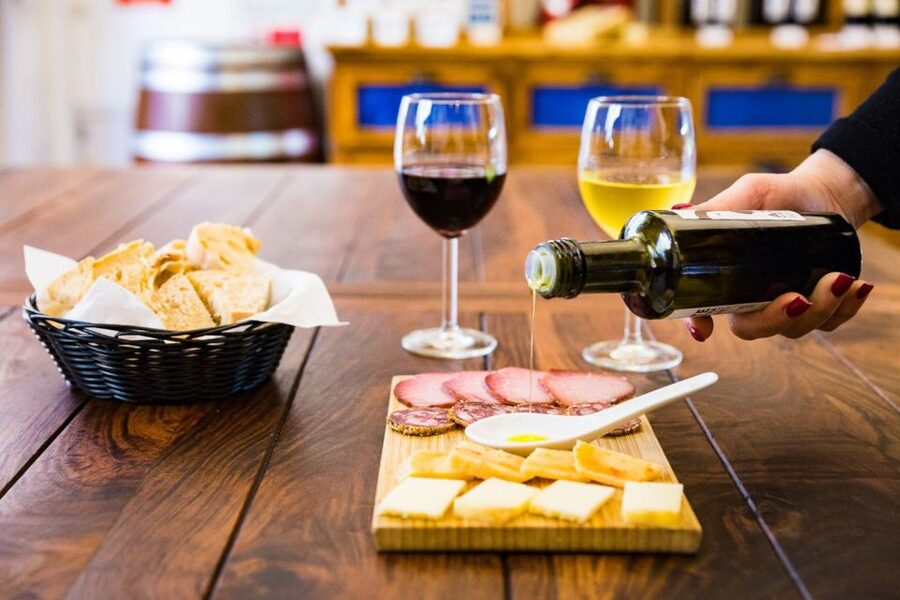
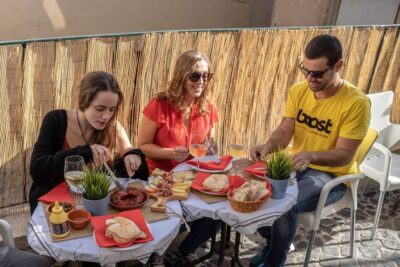
The included tastings are a big reason this tour rates so well. You get 1 pastel de nata (custard tart), plus 1 snack tasting and 1 wine tasting. At this price point, that is not just a perk. It is a built-in way to slow down, connect with local flavors, and make the neighborhoods feel more lived-in.
In feedback, the custard tart is often described as amazing, and the wine shows up as a highlight too. Even when the guide is the star, these stops are what make the tour feel like you are tasting Lisbon, not just photographing it.
Also, the tastings are placed where they make sense. You are not eating while still trying to read a street map in your head. You get a natural pause during the walk, so the tour keeps its rhythm.
Alfama: Fado energy, tiled facades, and wine in the oldest lanes
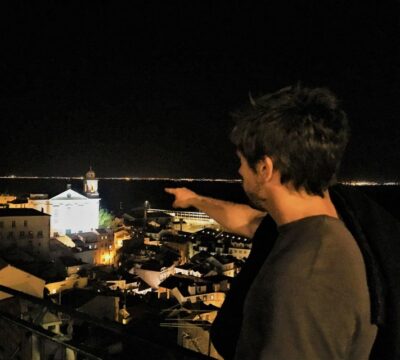
Alfama is where the tour leans into Lisbon’s older identity. This is the Moorish neighborhood side of the city, and it is famous for its winding streets. You will walk in alleys and streets that feel like they were designed to slow you down on purpose.
This stop also pairs well with the art of Fado, Lisbon’s unique musical genre. Even if you do not sit down for a full performance on this tour, you should notice the mood around you: the architecture, the tight streets, and the feeling that music belongs here. That context makes it easier to choose a Fado show later if you want one.
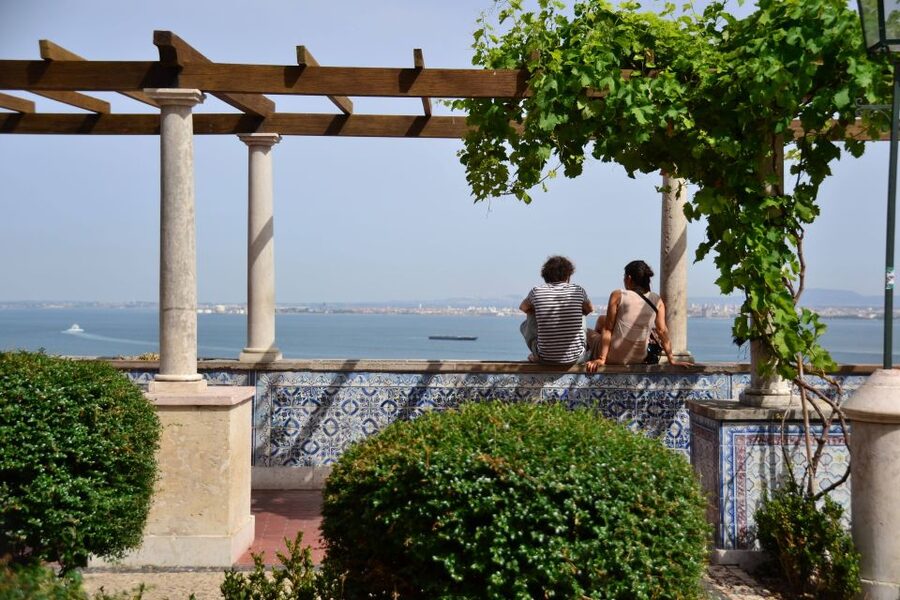
One neat detail that comes up in feedback: guides encourage you to ask why many buildings in Alfama are tiled on their facades. It is one of those questions that turns a pretty neighborhood into a meaningful one. If you remember to look for it during the walk, you will catch more than you would on a casual stroll.
The tour includes wine tasting and food tasting during the Alfama portion. In practical terms, this keeps you fueled while you handle uneven streets and small uphill sections that often come with Alfama.
Viewpoints and the walk ending at Terreiro do Paço, Praça do Comércio
You will have a couple of viewpoint moments during the tour. These are not just for photos. They help you understand how Lisbon’s neighborhoods sit against each other, especially when you realize one hill neighborhood feeds into another.
The tour finishes at Terreiro do Paço, also known as Praça do Comércio. You end at a wide, iconic space that feels like an exhale after narrow streets. The tour frames it as the former entrance hall of the city, which gives you a sense of Lisbon’s old geography, not just its modern grid.
It is a smart ending because this area works well for planning your next move. After the walk, you can decide where to go for lunch, a museum, a tram ride, or a relaxed evening without guessing as much.
Pace, shoes, and what to expect from a 3-hour format
This is a 3-hour guided walking tour, and that duration is a sweet spot. It is long enough to see Rossio, Chiado, Baixa, and Alfama as neighborhoods, but short enough that you should still have energy afterward.
The tour includes multiple photo stops and short guided segments. That matters because Lisbon requires you to shift attention constantly, between street views, architecture details, and uphill stretches. If you show up with comfortable shoes and comfortable clothes, you will enjoy it more and get less irritated when the street turns steep.
Language is English with a live guide. In feedback, guides are repeatedly praised for pacing and for being approachable. That usually means you will have time to ask questions without feeling rushed.
Value check: what you get for about $23, and when it is a smart buy
At $23 per person, the tour is aiming for “good orientation plus a taste of Lisbon,” not a pricey day of museum admissions. Since entrance fees are not included, you are paying for the guide, the route, and the tastings.
Here is the value logic I see:
- You get multiple neighborhoods and major squares in a single morning-length plan
- You get three food and drink moments built in, including pastel de nata and wine
- You get context for political and cultural Lisbon, including the Restauradores Square independence story and the Carnation Revolution at Carmo Square
If you are in Lisbon for a short trip and want to understand the city fast, this is a strong first-day choice. If you already plan to spend your time deep inside specific museums or guided attractions, you might prefer a tour that includes entrance fees. But for a first look, this one makes sense.
Who this tour is best for, and who might want a different option
This tour is a great match if you want:
- A guided walk that turns big landmarks into a connected story
- A practical way to learn what neighborhoods are where
- Food and drink stops that feel integrated, not tacked on
I think it also works well for first-timers who want to reduce decision fatigue. You get enough orientation that your self-guided walking later feels simpler.
It might be less ideal if you are hoping for long indoor visits or you dislike walking. The tour is built around outdoor viewing, photo moments, and short tastings, not long stays at paid attractions.
Final decision: should you book Best of Lisbon Walking Tour, Rossio, Chiado & Alfama?
I would book it if your goal is a smart, central introduction to Lisbon in three hours, with tastings and enough history to make the streets click. The repeated praise for guides like Filipa, Martin, Carlos A, and Joana suggests you will get clear, friendly explanations and good pacing, not a rushed script.
Skip it if you want a tour where entrance tickets are part of the package, or if you cannot handle a walking-first plan.
If you do book, I’d treat this as the framework for the rest of your days. After you walk Rossio to Alfama and end at Praça do Comércio, you will know where you are, what you just learned, and what to chase next.
FAQ
Where does the tour start?
Meet at Rossio Square, close to the statue of D. Pedro IV.
Where does the tour end?
The tour finishes at Terreiro do Paço, also associated with Praça do Comércio.
How long is the walking tour?
It lasts about 3 hours.
What is included in the price?
A local guide and walking tour are included, along with 1 pastel de nata (custard tart), 1 snack tasting, and 1 wine tasting.
Are entrance fees included?
No. Entrance fees and guiding at attractions are not included.
What language is the tour guide?
The live tour guide speaks English.
What should I wear or bring?
Bring comfortable shoes and comfortable clothes.
Are pets allowed?
No, pets are not allowed.
Is free cancellation available?
Yes, you can cancel up to 24 hours in advance for a full refund.
Can I reserve without paying right away?
Yes, you can reserve now and pay later.
More Walking Tours in Lisbon



More Tours in Lisbon



More Tour Reviews in Lisbon
Not for you? Here's more nearby things to do in Lisbon we have reviewed










Alfama Tours, side by side.
 ★ 5.0Alfama Tour in Lisbon Old TownTickets from $34,936 traveller reviews
 ★ 5.0Private Lisbon Sightseeing Tuk-Tuk Tour: Alfama, Belém & MoreTickets from $524,277 traveller reviews
 ★ 4.8Hills, Alfama, and Mouraria Tour by Electric BikeTickets from $253,438 traveller reviews
 ★ 5.0Lisbon Small-Group Food Tour with 18 Tastings in Alfama DistrictTickets from $1261,967 traveller reviews
 ★ 4.5Lisbon E-Bike Tour Commerce Square, Mouraria and AlfamaTickets from $301,688 traveller reviews
 ★ 5.0Old Town TukTuk Tour and Scenic Viewpoints in AlfamaTickets from $35974 traveller reviews
 ★ 4.4Alfama Tour and Live Fado with Traditional DinnerTickets from $58970 traveller reviews
 ★ 4.8Segway Food Tour of Alfama and Old Town LisbonTickets from $90770 traveller reviews
More useful lists for this tour