
Review · BELEM TOURS
Lisbon: Belem Walking Tour with Jeronimos Monastery Entry
Jerónimos Monastery can feel like a portal. This Lisbon Belém walking tour mixes skip-the-line entry with big architecture, key figures from the Age of Discovery, and a stop for the original Pastéis de Belém. You get a guided route that ties it all together, without spending your morning stuck in lines.
I like that the entrance ticket is handled for you, so you can focus on seeing the cloisters and church instead of waiting. I also like the built-in food break, because the real Pastel de Belém is not just a snack, it is part of the monastery story.
One thing to plan around: the Belém Tower is under restoration right now and cannot be entered, so you will mainly see it from the outside.
Key things you will notice right away
- Skip-the-line Jerónimos entry with your tickets pre-arranged and a guide meeting you at the monastery
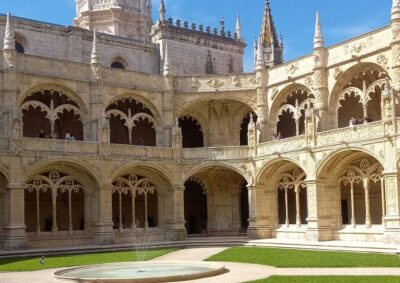
- Upper Cloister views where the whole complex makes more sense visually
- Church of Santa Maria de Belém and the tombs tied to the Avis dynasty and navigation era
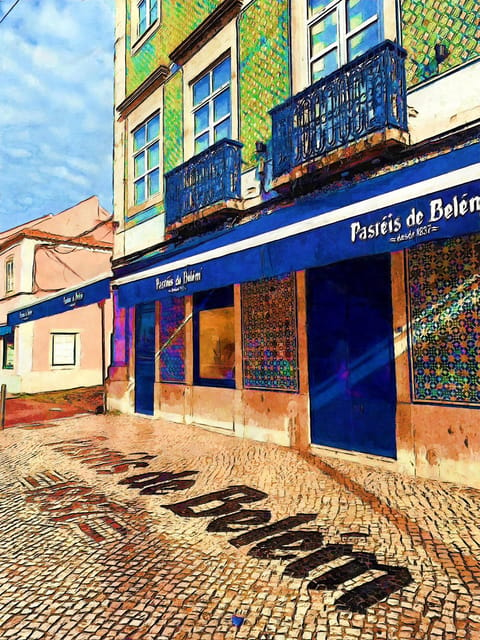
- Pastéis de Belém tasting stop tied to the original monastery recipe, sold in the same place since the mid-19th century
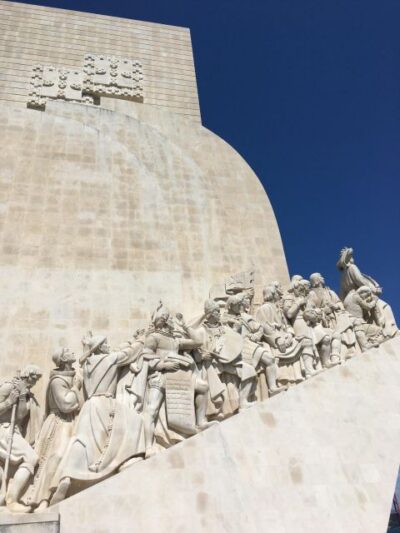
- Monument to the Discoveries (1960) with context for Infante D. Henrique and the 15th-16th century voyages
- Belém Tower exterior only while restoration is ongoing
Your morning entry at Jerónimos: how the skip-the-line pays off
The tour starts at Mosteiro dos Jerónimos, and your guide is positioned at the entrance area near where the queues usually form. The key win is simple: your entrance tickets are already purchased, and you use a separate entrance to get in faster.
This matters because Jerónimos is one of those places where signage and self-guided wandering can leave you staring at stone and carvings without a story. With the guide leading you through the same rooms, you get the “what am I looking at, and why does it matter” moments built into the route.
You are also entering at a practical time of day. The tour description has you stepping into the monastery building around 9:30 a.m., which is a smart move in Lisbon. You beat some of the densest crowds, and you start before the heat ramps up.
You can also read our reviews of more walking tours in Lisbon



Upper Cloister views and the Manueline design you actually can read
Once inside, you begin with the Upper Cloister. This is where the architecture becomes more than decoration. The cloister gives you perspective: you can see how the building is organized, how light moves through the space, and how the complex layers of style were meant to impress.
Your guide explains the meanings behind the construction and what it represented in society at the time. You learn how this complex connects to the Great Portuguese Navigations in the 15th and 16th centuries. In plain terms, it is not just a monastery, it is also a statement of power, faith, and global ambition.
The style name you will hear is Manueline. It developed in Portugal around the beginning of the 16th century and it blends late Gothic forms with Renaissance elements. Even if Manueline is new to you, you do not need to memorize the label. You will be shown where it appears and what to notice.
Chapter Room, refectory, and Fernando Pessoa’s tomb location twist
After the Upper Cloister, the tour moves through key areas in the lower section. This is where the visit turns from “look up, admire” into “learn the human details.”
You get access to spaces like the Chapter Room and the old Refectory. These rooms help you understand how the monastery functioned beyond the famous exterior. Then there is the detail that surprises many people: the tomb of Fernando Pessoa is located here, and it was moved to this space only in the 20th century.
That kind of information is exactly why a guided route can feel worth it. You are not just touring a museum display. You are getting the timeline behind the place, including what changed long after the Age of Discovery ended.
Church of Santa Maria de Belém: tombs of the Avis dynasty and navigation icons
Next comes the church: Santa Maria de Belém. It is described as a majestic building and a standout example of Manueline architecture at its height. Even from the outside, you can see why it is famous, but inside is where the guide’s framing really matters.
You will learn what the carvings and design elements were doing for the people who built and used this space. Then you connect the church to Portugal’s ruling houses and navigation era figures.
The church is where several prominent names are buried, including King D. Manuel I and his son, João III from the Avis dynasty. It also includes important figures tied to Portugal’s maritime expansion and literature, such as Vasco da Gama and Luís Vaz de Camões.
If you care about history that links leaders to ideas, this is the portion that ties it together. The monastery becomes a stage where politics, religion, and exploration all share the same walls.
Pastéis de Belém stop: how the custard tart becomes part of the route
Now for the practical break: you stop at Pastéis de Belém to try the real “custard tart from Lisbon.” The tour notes that the recipe was created by monks of the Jerónimos Monastery and that pastries have been sold in the establishment since the mid-19th century.
Even if you are already a fan of Portuguese pastries, I like this stop for one reason: it makes your pastry choice feel earned. You are not just buying something because it is popular. You are connecting it to the place you spent time learning about.
You typically get around 30 minutes here. That is enough time to eat, catch your breath after walking, and still stay on pace for the rest of Belém.


Empire Square Garden and the shift from sacred to civic Belém
After the monastery and church, the tour walks through the Belém area and includes a short stop near the Empire Square Garden. This part is lighter than the interior visits, but it helps you reset.
You are moving from religious architecture to the public monuments that commemorate Portugal’s exploration story. The physical change in setting matters. In Belém, the monuments are not random. They are spaced to create a route that points you through the narrative of Portuguese maritime history.
Monument to the Discoveries: 500 years later, and why it was built in 1960
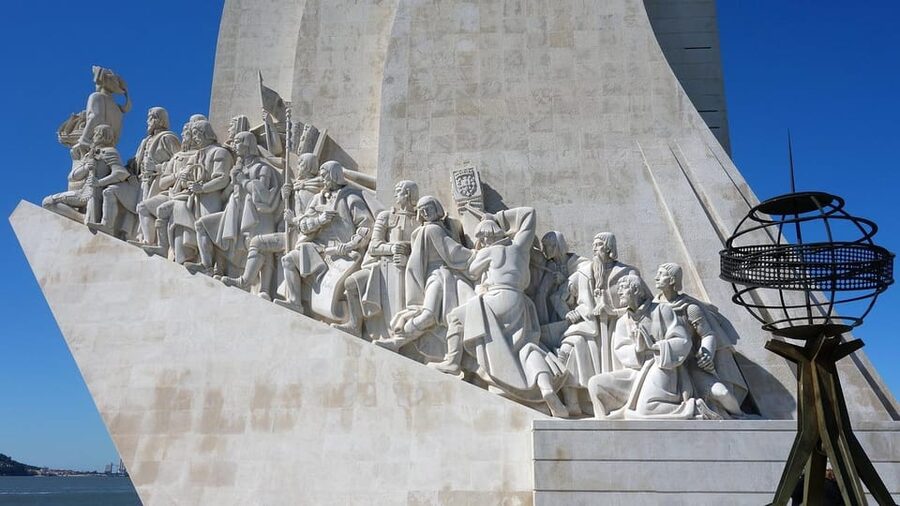
The Monument to the Discoveries is next, with guided sightseeing. It was erected in 1960 to commemorate the 500th anniversary of Infante D. Henrique’s death. Infante D. Henrique is presented in the tour as a central figure of the Portuguese navigations.
This is the moment where the tour gets extra useful if you like context. You see characters represented there who contributed to Portuguese culture spreading around the world. The guide’s job is to help you read what you are seeing, not just point at statues.
You also get about 20 minutes here. That is enough time for photos and for the explanation to land, without turning the day into a museum marathon.
Belém Tower exterior views during restoration: still worthwhile, just plan for less
Then you reach the famous Belém Tower. Together with the Jerónimos Monastery, it is described as a UNESCO World Heritage Site. Architecturally, it is another Manueline landmark, and it served as a defensive point against invaders trying to reach Lisbon.
But there is an important reality check built into this specific tour: the Belém Tower is currently undergoing restoration work and cannot be visited. That means your time here is mainly for guided exterior sightseeing and interpretation.
This can still be a good stop. You do not need to go inside to appreciate why it was built and how it functioned. Just adjust your expectations. Think of it as the final visual anchor tying back to everything you saw at Jerónimos, plus the maritime theme that runs through the whole walk.
Timing, walking pace, and what to pack for Lisbon weather
This is a 3 to 3.5 hour experience. You will do a mix of guided indoor time and outdoor walking between sites, including a short walk of about 15 minutes between stops in the Belém region.
Because it runs rain or shine, you should show up prepared. The tour description specifically calls for sunscreen and an umbrella. I also strongly recommend comfortable shoes, a sun hat, and comfortable clothes that handle both sun and sudden showers.
One more thing that affects comfort: the route includes areas you cannot fully avoid on foot. It is a walking tour, not a sit-down ride between landmarks.
Price and value: what $70 includes, and why it can feel fair
At $70 per person for about 3 to 3.5 hours, you are paying for three big things: time saved, guided interpretation, and included entry to a major site.
Here is what the tour price covers:
- Entrance tickets to Jerónimos Monastery
- The original custard tart (Pastéis de Belém)
- An expert English-speaking tour guide
What is not included:
- Lunch
- Transportation
So the real value question is whether you would otherwise spend your time waiting in line and trying to piece together the story yourself. With this format, you pay to avoid the queue and to get explanations that make the carved stone and complicated layout easier to understand.
Also, the reviews included names of guides like Luis, Leonardo, Federico, and Leo, with consistent praise for clarity, pacing, and answering questions. You cannot guarantee a specific guide, but the pattern matters: this is not a “point and go” tour.
If you are on a tight schedule and you want to turn Belém into something you understand, the pricing starts to make sense quickly.
Who should book this tour, and who should think twice
This works best if you like history tied to places you can see. It also helps if you care about architecture, because Manueline details are a major theme here.
It is also a strong fit if you want an English guide who can explain what you are looking at. A recurring theme in the feedback is that there are few signs inside the monastery and church, so a guide becomes the translator between stone details and meaning.
It is not suitable for people with mobility impairments or wheelchair users. If you need that kind of access, you should look for a different arrangement.
Final call: should you book this Lisbon Belém walking tour?
If Jerónimos Monastery is on your Lisbon must-see list, I would book this. The combination of skip-the-line entry plus a guided walkthrough of the cloisters, church, and key rooms helps you leave with real understanding, not just photos.
I would also book it if you want a built-in plan for Pastéis de Belém, because the tart here is tied directly to the monastery story. Just go in with one clear expectation: Belém Tower is under restoration right now, so you are viewing it outside rather than going in.
If you are flexible, walking is comfortable for you, and you want your morning in Belém to feel like a coherent story, this is a solid use of time.
FAQ
Where is the meeting point for the tour?
The guide waits in front of the entrance to Jerónimos Monastery, near the south entrance to the church. You should pay attention to the photo indicated for the exact meeting place.
What is included in the tour ticket price?
Entrance tickets to Jerónimos Monastery are included, along with an original custard tart from Pastéis de Belém. The tour also includes an expert English-speaking guide.
How long does the tour last?
The duration is listed as 3 to 3.5 hours.
When will the tour enter Jerónimos Monastery?
The description says the visit begins with entry into the monastery building around 9:30 in the morning.
Is Pastéis de Belém included, and how long do you spend there?
Yes, a Pastéis de Belém stop is included, with about 30 minutes allocated for the visit and tasting.
Can you enter Belém Tower on this tour?
No. The Belém Tower is undergoing restoration work and cannot be visited, so you get sightseeing based on the outside area.
Does the tour run in bad weather?
Yes. The tour takes place rain or shine, and you are advised to bring sunscreen and an umbrella.
Is the tour suitable for wheelchair users or mobility impairments?
No. It is not suitable for people with mobility impairments and wheelchair users.
Is there free cancellation, and how far in advance can you cancel?
Free cancellation is offered up to 24 hours in advance for a full refund.
Do you get to choose a private group option?
Yes, a private group option is available.
More Walking Tours in Lisbon



More Tours in Lisbon



More Tour Reviews in Lisbon
Not for you? Here's more nearby things to do in Lisbon we have reviewed










Belem Tours, side by side.
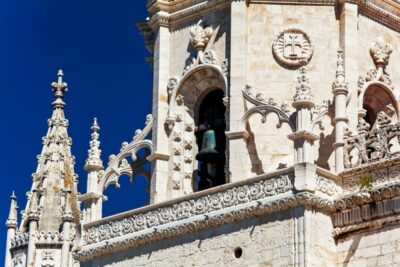 ★ 4.1Jerónimos Monastery Entrance TicketTickets from $2114,164 traveller reviews
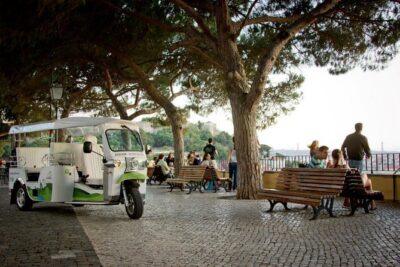 ★ 5.0Private Lisbon Sightseeing Tuk-Tuk Tour: Alfama, Belém & MoreTickets from $524,277 traveller reviews
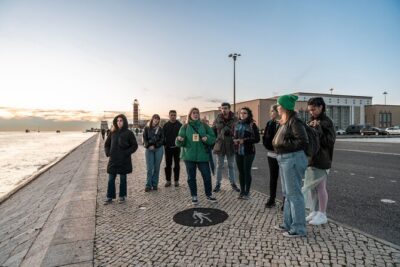 ★ 5.0Age of Discoveries Walking Tour in BelémTickets from $31,513 traveller reviews
 ★ 5.0Bike Tours Lisbon – Center of Lisbon to BelémTickets from $19686 traveller reviews
 ★ 3.7Jerónimos Monastery E-Ticket and Audio GuideTickets from $33660 traveller reviews
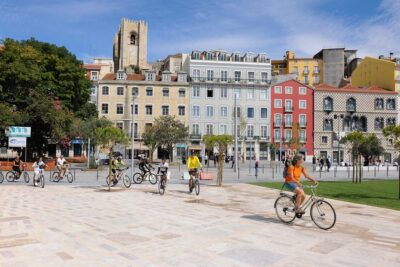 ★ 4.7Lisbon Bike Tour: Downhill Downtown Lisbon to BelémTickets from $45655 traveller reviews
 ★ 4.7Belem Walking Tour with Jeronimos Monastery TicketTickets from $61490 traveller reviews
 ★ 4.8Belem, Jeronimos Monastery, and Coach Museum TourTickets from $94478 traveller reviews
More useful lists for this tour