
Review · LISBON CITY TOURS
Private Tour “The Templars Treasure” to Tomar, Batalha and Alcobaça from Lisbon
Templar sites in one long Portugal day. This private tour strings together UNESCO World Heritage stops across Tomar, Batalha, and Alcobaça, with smooth round-trip hotel pickup that keeps logistics simple. You’re not juggling trains or timetables, and you’re seeing the big names tied to the Knights Templar and the orders that followed.
What I like most is the private-group pace. You get a dedicated driver/guide in an air-conditioned vehicle, plus bottled water and personal accompaniment the whole day. The second win is the lineup itself: Convento de Cristo in Tomar, plus the Gothic powerhouses of Batalha and Alcobaça, all in one concentrated route.
One thing to consider is time pressure. Entrance tickets are not included, and the day can get tight if road traffic spikes. There’s also a known wildcard: festivals can dramatically increase crowds and congestion around Tomar, especially during Festa dos Tabuleiros, so I’d plan your expectations accordingly.
Key highlights you will feel right away
- Private transport, not a seat lottery: Round-trip pickup and drop-off in Lisbon, with only your group in the vehicle.
- A clear order-of-knights story: From the Templars connected to Tomar to later religious dynasties in Batalha and Alcobaça.
- UNESCO stops, close and practical: You’ll spend your time inside the sites, not hunting buses and platforms.
- The day works best with an early start mindset: Start strong and expect some crowds at major monuments.
- Tickets and lunch are on you: Helps you budget, but you will want to plan food and admissions in advance.
- Your guide matters more than usual: On festival-heavy days, flexibility and planning make the difference.
Starting in Tomar, then running with the Templar thread
The day begins with pickup from your Lisbon hotel or nearby accommodation around 9:00am, then a drive of about 1 hour 30 minutes to Tomar. The route is part of the value here. You’re spending your energy on the sites, not on navigation, waiting, and schedule math.
Tomar is an important pivot point in Portugal’s religious and military story. It’s where you start seeing how the Knights Templar’s legacy became wrapped into later orders tied to Portuguese power. Even if you’re not a hardcore medieval buff, Tomar gives you the anchor you need. It turns the names you’ve heard into something you can actually connect to buildings you can walk through.
Practical note: the tour is designed to keep you moving across three major monastery sites in one day. That’s great for efficiency, but it also means you should go in ready for a full, active day rather than a slow wander.
You can also read our reviews of more private tours in Lisbon



Castle of Tomar and Convento de Cristo: where the Order of Christ takes form
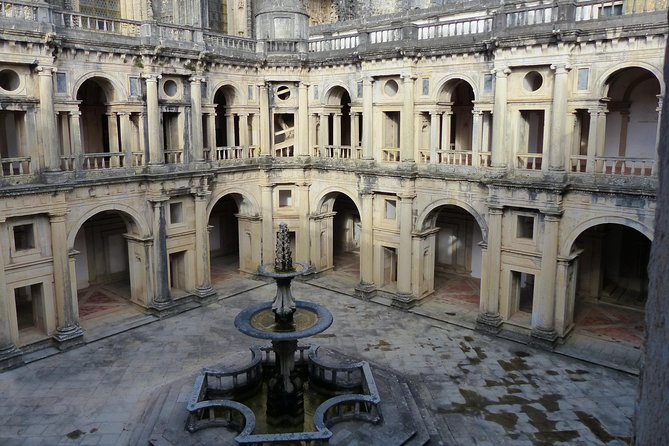
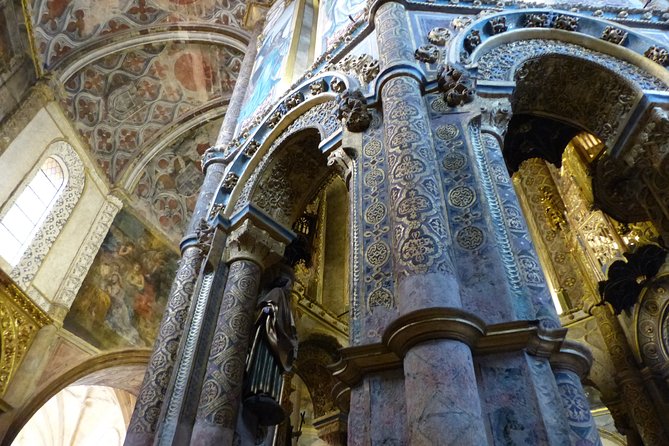
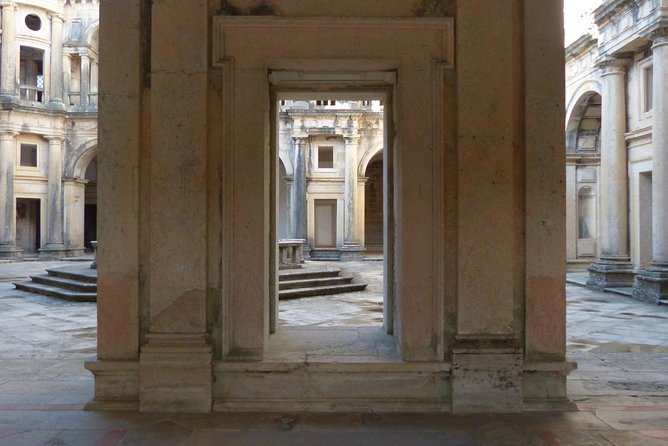
In Tomar, the focus is Convento de Cristo, a UNESCO World Heritage Site since 1983. You’ll also see the connected Castle of Tomar. This isn’t a “quick photo and done” stop, because the place is built like a sequence of power, faith, and architecture that evolved over time.
Here’s why the story matters when you’re standing in the rooms and courtyards. The Military Order of the Temple was created around 1118 in Jerusalem to defend holy places. When Portuguese forces were reconquering territory under Dom Afonso Henriques, lands of Tomar were donated to the order in 1160. The first Portuguese Grand Master, D. Gualdim Pais, ordered the construction of the castle, and later the convent became the seat of the order in Portugal.
So what you’re looking at is more than “old stones.” It’s a transfer of influence: Templar military-religious roots, then continuation and transformation into what became the Order of Christ.
Admission ticket is not included, so budget for it before you go. If you want to get the most out of the visit, ask your guide a question early, not when you’re at the exit. Convento de Cristo has layers, including art and devotional works that can become easy to miss if you’re not pointed at them.
Also keep in mind that this area can be affected by festival crowds. During Festa dos Tabuleiros, Tomar can draw huge visitor numbers and traffic can become a real obstacle. If your trip overlaps a festival period, treat “on-time” like a best-case scenario and stay flexible.
Batalha Monastery: Gothic drama tied to a specific promise
Next comes Mosteiro de Santa Maria da Vitória, often called the Monastery of Batalha. Like Tomar’s key site, this is also a UNESCO World Heritage Site (listed in 1983). What makes Batalha special is that it’s anchored to a named historical moment, not just general medieval grandeur.
Construction was ordered by King D. João I after a promise made on August 14, 1385 to Our Lady. The promise was tied to winning a battle, and the decisive clash happened at Aljubarrota, south of Batalha. The monastery is often described as a symbol of Portugal’s independence, and as a monument to the start of the Avis Dynasty.
Then there’s the architecture. Batalha is known for being one of the most imposing Gothic monuments in the Iberian Peninsula. In plain terms, you’ll feel it the moment you see the scale and the vertical energy of the design. This stop is where your day becomes more than historical context. It becomes a visual wow, and the guide can help you read the details instead of just admiring them.
You’ll spend about 1 hour here, and again, admission is not included. That hour can go fast because you’ll want to look around, take photos, and still have time for explanations. If you care most about the building’s story, lean toward letting the guide talk early in the visit. If you care most about atmosphere, give yourself room to pause and look up.
Monastery of Alcobaça: the Cistercian giant with the long church
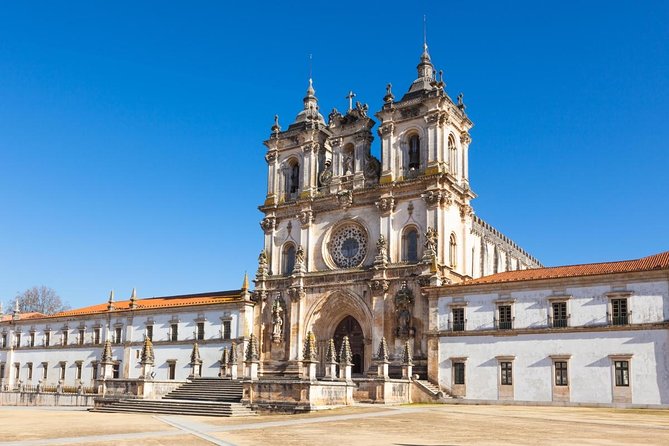
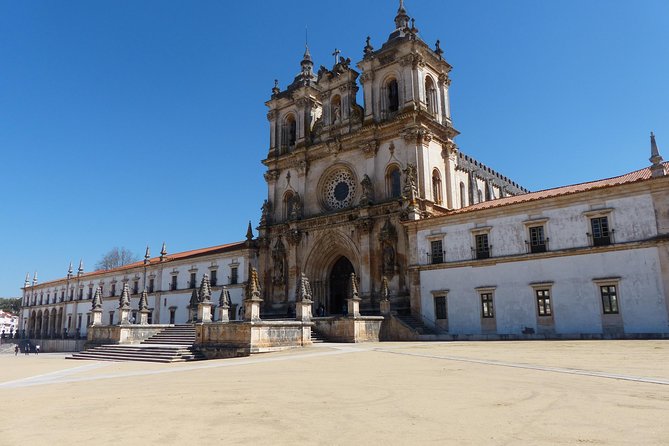
The final monastery stop is Mosteiro de Alcobaça. This is one of Portugal’s most important medieval monuments, and it has a reputation for being both grand and well preserved.
The Cistercian Order began construction in 1178. The monastery is described as the first Portuguese Gothic building, and the church was consecrated in 1252. You’re looking at a place where scale is part of the point, with the church noted as the tallest and longest in Portugal.
What I like about Alcobaça, even for people who don’t collect monastery brochures, is how the design supports the idea of disciplined monastic life. The information you’ll hear during the visit points you toward original dependencies of the monastic ensemble and the monumental church that defines the site.
It’s also recognized in a couple different ways in the tour info: it’s a UNESCO World Heritage Site and it was elected as one of the Seven Wonders of Portugal.
You’ll have about 1 hour here, and admission is not included. Like Batalha, this timing works best if you’re clear with yourself about what you want most: broad overview, specific architectural details, or the biggest “wow” moments.
After Alcobaça, you head back toward Lisbon for drop-off.
Private logistics from Lisbon, and why the day can feel full
From a comfort standpoint, this tour is built for people who hate transport headaches. You get a comfortable vehicle, air-conditioned, plus bottled water. The driver/guide provides pickup and drop-off at your hotel or accommodation in Lisbon and nearby.
The day is roughly 8 hours total, starting at 9:00am. That includes the transit time between sites, which matters because Portugal’s major monuments are not in the same neighborhood. The tour handles the moving part for you, which is a big deal if you’d rather spend your energy on stone, art, and stories instead of public transit.
You also get a mobile ticket, which is handy for managing admissions and timing once you arrive. And the operator notes a Clean & Safe Seal guarantee for the vehicle, which is useful if you’re thinking about comfort and cleanliness in transit.
The key practical catch: the tour does not include lunch. With multiple major sites in one day, it’s smart to plan where you’ll eat, or bring something simple if you want a buffer. You’ll be happiest if you don’t rely on finding food on impulse between timed monument entrances.
Finally, your drop-off can be different from pickup, as long as it is in Lisbon. That small detail can save you time if your hotel is not conveniently located.





Price and value: what $384.45 per person really buys
The price is $384.45 per person, for a private, guided day. The big value question is: are you paying for private access and logistics, or for a long list of included admissions?
Here’s what is included:
- Private transportation by air-conditioned vehicle
- Driver/guide
- Hotel pickup and drop-off
- Bottled water
- Personal accompaniment for the day
Here’s what is not included:
- Lunch
- Entrance tickets to monuments
- Any other expenses not covered in advance
So the tour is very much a convenience and guidance package. If you’re traveling with a small group and you want the freedom to keep moving without public transit stress, it can be a strong deal. If you’re a solo traveler, it may feel steep compared with shared buses, because the private structure still costs more.
Also note that group discounts are offered, which can improve the math for families or small groups. If you’re booking with friends, confirm how the pricing scales before you lock in, because that can turn a “maybe” into a “yes.”
My advice: treat the entrance tickets as part of your planning budget. Once you do, the remaining cost is mainly for comfort, timing, and a guide who can connect the buildings into a story.
How the guide experience can shift the whole day (Pedro’s example)
This tour’s strongest ingredient is the guide, but the day is long enough that small issues can snowball.
One detailed account names a guide, Pedro, as a lovely, flexible person. That same review also said Pedro seemed disorganized and not fully prepared with site information. The story connected to a huge real-world problem: Tomar was hosting Festa dos Tabuleiros, and traffic became intense. The group lost close to two hours of tour time because they could not leave the highway.
That’s not just bad luck. It’s a reminder that when a route has multiple UNESCO sites, time loss matters. In that specific case, the delay could not be fully recovered because the guide had another tour scheduled at 5:30.
The practical takeaway for you is simple: on festival days, ask your guide how they plan the order and access. In the company’s response to the same account, the operator explained the festival runs about 10 days every four years, with crowds estimated at more than one million visitors. They also explained that the guide favored starting with Tomar in the morning because the main parade, called o Cortejo dos Tabuleiros, happens in the afternoon and access to key areas would be harder.
So if your trip overlaps a special event in Tomar, expect the guide to either:
- gain time by adjusting the order and pacing, or
- lose time to traffic and work within fixed schedules.
You also get a window into the “Q and A” reality at these monuments. The company response mentioned one art-related question at Convento de Cristo about the author of the Polyptych of the Charola, stating it was supposedly executed from 1510 by Portuguese painter Jorge Afonso, a royal painter of King Manuel I. That kind of detail is exactly what a good guide brings, so if you care about art history, ask for those specifics early.
What to wear, what to bring, and how to keep the day enjoyable
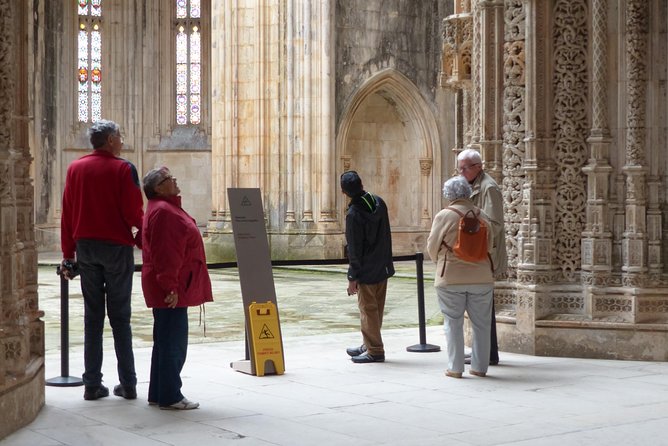
The tour includes water, but you still need to set yourself up for comfort, because monastery visits involve walking, looking up, and taking time. I’d show up ready for:
- Comfortable shoes for uneven stone and long viewing stretches
- A hat or sunscreen if you visit in warmer months, since outdoor courtyard time is common at these sites
- A plan for lunch, since it is not included
And if you want the tour to feel more personal, come prepared with at least two questions you care about. For example: how Tomar’s Templar legacy connects to the Order of Christ, or what you should look for in Batalha’s Gothic design. With a private guide, your curiosity becomes part of the experience instead of something you hold back.
Who this tour suits best, and who might want a different option
This is a great fit for:
- People who want UNESCO sites in one day without public transport stress
- Travelers who enjoy temple and monastery stories tied to specific historical moments
- Couples and small groups who value private pacing and a single vehicle
It may be less ideal if:
- You dislike long days and lots of moving between big sites
- You’re not comfortable budgeting for entrance tickets and then handling lunch separately
- You’re extremely time-sensitive about being back in Lisbon at a precise hour, because road traffic and festival crowds can impact timing
The tour is listed as most travelers can participate, and service animals are allowed, but the day is still a full schedule. If you have mobility concerns, it’s worth checking in with the operator before you book so your guide can plan the route and timing.
Should you book The Templars Treasure? My honest take
If you want a private, guided route that hits Tomar, Batalha, and Alcobaça, I think this tour makes sense. The value is in the logistics plus a guide to connect the dots between the Templars’ legacy and the later Gothic monuments that shaped Portugal’s identity.
My main caution is the timing risk. Festivals in Tomar, road congestion, and monument entry timing can compress the day. If your dates fall near a major local event, keep expectations flexible and lean on your guide to adjust the plan.
If you like your travel days practical, this is a smart way to spend one full day with three UNESCO-level stops and a clear historical theme, without turning your vacation into a transportation project.
FAQ
What time does the tour start, and how long is it?
The tour start time is 9:00am, and the duration is about 8 hours.
Are entrance tickets to the monasteries included?
No. Entrance tickets to monuments are not included. Lunch is also not included.
Do you pick up and drop off at Lisbon hotels?
Yes. Pickup and drop-off at hotels and accommodations in Lisbon and the surroundings are included, and you can request a drop-off location different from pickup within Lisbon.
Is this tour private, or will I share it with other groups?
It is private. Only your group will participate.
What language is the tour offered in, and is there a mobile ticket?
The tour is offered in English, and it uses a mobile ticket.
Can I cancel for free?
Yes. You can cancel up to 24 hours in advance for a full refund.
More Private Tours in Lisbon


More Tours in Lisbon



More Tour Reviews in Lisbon
Not for you? Here's more nearby things to do in Lisbon we have reviewed










Lisbon City Tours, side by side.
 ★ 5.0Lisbon City Center Tour – The Unmissable LisbonTickets from $322,234 traveller reviews
 ★ 4.7Sintra, Pena, Regaleira, Cabo da Roca & CascaisTickets from $2319,656 traveller reviews
 ★ 4.1Jerónimos Monastery Entrance TicketTickets from $2114,164 traveller reviews
 ★ 4.8History, Stories and Lifestyle Walking TourTickets from $2910,902 traveller reviews
 ★ 4.5Sunset Boat Party Cruise with DJ and Open BarTickets from $2710,378 traveller reviews
 ★ 4.7Pena Palace, Sintra, Cabo da Roca, & Cascais DaytripTickets from $919,981 traveller reviews
 ★ 4.6Oceanário de Lisboa Entrance TicketTickets from $299,943 traveller reviews
 ★ 5.0True 4Hour Private Tuk Tuk Tour: Discover Lisbon with a Local!Tickets from $1088,008 traveller reviews
More useful lists for this tour