
Review · LISBON CITY TOURS
Half Day Historical Walking Tour about the Slave Trade in Lisbon
Lisbon has a second history. This slave trade walking tour threads that story through Lisbon streets, from older Iberian slavery to Portugal’s Atlantic involvement, with key stops in Alfama. You get the big picture fast, without turning history into a museum lecture.
I like two things most. First, the tour is built for real street-level learning, with a tight route and lots of time to ask questions. Second, the guide, Rui Fernandes, brings clear explanations plus photos and historical documents that make the facts easier to hold onto.
One heads-up: the subject is heavy, and the walk is labeled moderate, so if you have walking limitations, this may not be the best choice.
Key takeaways before you go
- Small group, maximum 8 people: you should be able to ask questions and stay engaged.
- 3 hours, half-day feel: enough time for context, not so long that you lose the thread.
- Alfama plus Lisbon’s commercial core: history connects neighborhoods, not just monuments.
- Religion and institutions are part of the story: you’ll hear how enslaved people interacted with religious organizations.
- Stops linked to political change: the route doesn’t stop at the 1400s, it reaches the 1970s end of empire.
- A future memorial at Campo das Cebolas: memory and accountability are part of the walking experience.
Why Lisbon’s slave trade story belongs on your map
Portugal’s “Age of Discovery” gets a lot of postcard time. This tour gives you the other side of the same era, the one tied to profit, power, and human commodification. You’ll learn how slavery was practiced by different civilizations in Portugal over time, including Romans and Moors, then how Portuguese involvement grows in the mid-15th century Atlantic world.
What I like about this approach is that it doesn’t treat slavery like a single footnote. It frames slavery as a system that shaped Portuguese culture and left a long shadow in contemporary history. If you want to understand modern Lisbon more honestly, this kind of context helps.
It’s also rare to find a tour that treats this topic as central, not side-stage. Here, the route keeps returning to places where the city’s economy and institutions met enslaved people’s lives.
You can also read our reviews of more walking tours in Lisbon



Getting started at Largo do Chafariz de Dentro

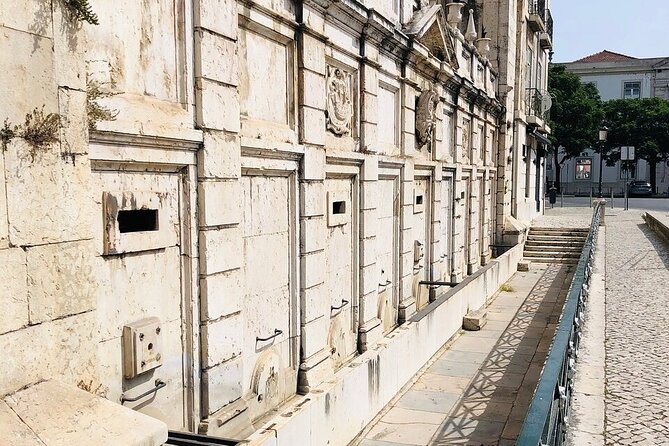
The tour begins at Largo do Chafariz de Dentro 30, 1100-605 Lisboa, and the first minutes are about setting the theme. Expect a straight introduction to what you’re going to see, and why each stop matters.
This is offered in English, and you’ll use a mobile ticket. The meeting point is also near public transportation, so it’s easier to fit into a normal day in the city. The group size is capped at 8, which usually means less shuffling and more direct conversation.
Rui Fernandes tends to bring a classroom level of preparation to the street. In my book, that matters, because sensitive history needs careful handling, not improvising.
Alfama: Lisbon’s oldest neighborhood and the long chain of slavery
Stop one of real substance lands you in Alfama, Lisbon’s oldest neighborhood. Here, you’re not just hearing about one moment in the Atlantic story. You learn how slavery existed across different periods and rulers, from earlier European presences to Islamic influence, then how Portugal’s role becomes significant as the Atlantic Slave Trade ramps up in the mid-15th century.
This is the kind of stop that changes how you see a neighborhood. Alfama is beautiful, old, and layered, and that layering can trick you into thinking the past is only architecture and stories. The tour pushes back, reminding you that systems of oppression also lived in those streets and social structures.
The practical payoff is that you start to connect dates to place. By the time you leave Alfama, the rest of the route feels less like random history stops and more like a map of how the city worked.
Campo das Cebolas and the memorial that’s still coming
Next up is Campo das Cebolas, where the route points to a future memorial location. The idea is simple but powerful: you’ll see the place tied to plans for a monument honoring the victims of the Slave Trade.
I like this stop because it forces you to think about memory, not just events. History can be erased, softened, or delayed. A memorial in the works is a reminder that recognition takes time, and that the city’s conversation about the past is still moving.
It also gives you a good mental reset before the tour shifts to Lisbon’s economic heart. You’re reminded that the story isn’t only about Portuguese sailors and trade routes, it’s about people whose lives were treated as property.
Praca do Comercio (Terreiro do Paco): when commerce and colonies met
At Praca do Comercio, also known through Terreiro do Paco, you visit the area that became Lisbon’s commercial center. Here, the tour connects the slave trade directly to colonial trade and the city’s role in the larger Atlantic economy.
This stop helps you see the mechanics. You’re not stuck in the morality lesson corner, because the guide talks about the economic and political forces behind human commodification. You start to understand how “business” and “empire” were braided together.
If you’ve only associated Lisbon with exploration and navigation, this is where the tone shifts. It becomes a story about money flows, institutions, and policy choices, happening right where you can stand today.
You can also read our reviews of more historical tours in Lisbon





Baixa, Rossio, and Restauradores: daily life in the margins of power
The route then moves into Baixa, Rossio, and Restauradores. These stops focus on day-to-day realities, including the lives of enslaved captives in Lisbon, from Africa and elsewhere around the globe.
This is one of the most useful sections for visitors who want more than a timeline. You’re learning how a city functions when slavery is part of its reality, including how people were present in ordinary urban life, not only in distant ports.
One reason this works well is the pacing. The walking is labeled moderate, and the tour uses scheduled stops so your brain can catch up. You also get real time to ask questions, and Rui Fernandes is the kind of guide who answers without dodging.
Igreja De S Domingos: religion, institutions, and power
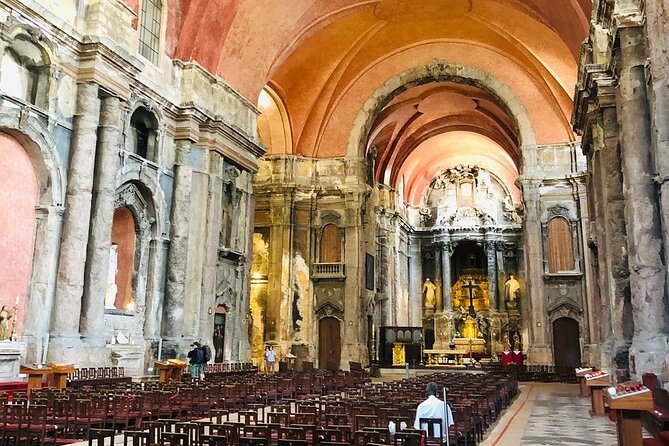
At Igreja de S Domingos, the tour turns to how Lisbon’s enslaved captives interacted with religious organizations. This isn’t just a “church history” detour. It shows you how religious institutions were part of the social fabric that could shape how people were treated.
From what the guide covers, religion isn’t presented as a separate world with clean boundaries. It’s tied to justification, social control, and everyday interactions. In other words, you get a fuller picture of how systems reinforce each other, including in theological and institutional ways.
This stop can be emotionally intense, but it’s also clarifying. You’ll leave with a more honest understanding of how belief systems and power structures can work together.
Largo do Carmo: from the 25th of April to the end of empire
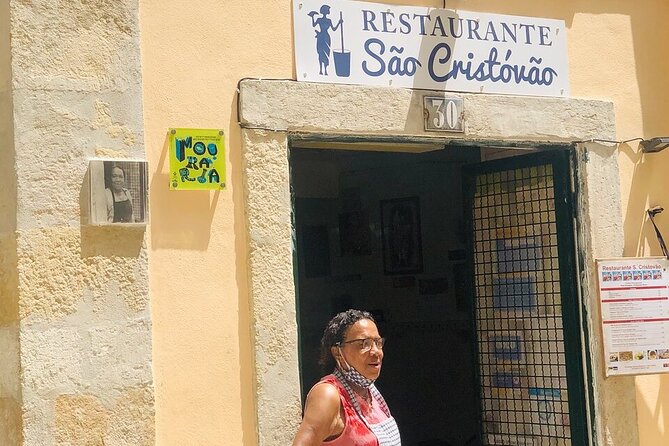
The final part includes Largo do Carmo, a location connected to the 25th of April coup and the later revolution. The tour explains how this political shift led toward the demise of Portugal’s colonial empire around the mid-1970s.
This ending matters because it stretches the story into modern history. It’s not just about the 1400s or the Atlantic ports. You see how the aftereffects continued and how political change altered Portugal’s global role.
It also helps you make sense of why today’s conversations about race, colonial memory, and responsibility can feel so charged. You’re leaving Lisbon with a clearer timeline for how empire came to an end, and how its legacy stayed behind.
Price and logistics: is $39.78 worth it for 3 hours of context?
The price is $39.78 per person for about 3 hours. That includes local taxes and a professional guide. Food and drinks are not included, and there’s no hotel pick-up or drop-off.
For value, I look at three things: time, guide quality, and what you walk away with. Here, the time is focused, the group is small, and the guide brings a lot of prepared detail. When a tour tackles a complex topic with sensitivity and factual grounding, that’s not a “maybe” expense, it’s a core learning choice.
Also, the tour gets booked fairly in advance, with an average lead time around 36 days. If you’re visiting in a busy season, you’ll want to lock it in earlier rather than last minute.
What to wear and how to pace your half-day walk
This tour is marked for moderate physical fitness and is not recommended for travelers with walking difficulties. The stops are planned, and the route is built for a half-day format, but you should still treat it as a real walking tour.
Wear comfortable shoes. Plan for city streets, uneven sidewalks, and the fact that Lisbon weather can change quickly. In one example from the guide’s style, Rui Fernandes keeps an eye on staying out of rain when conditions get rough, so you’ll likely appreciate the calm, practical tone.
Bring water if you think you’ll need it. Since food and drinks are not included, having something on hand can keep you comfortable, especially if you plan the rest of your day around this tour.
Who this tour suits best, and who might prefer something else
This is a strong match if you want Lisbon beyond guidebook highlights. You’ll enjoy it if you care about how Portuguese culture was shaped by Africa, and if you want a version of the Age of Discovery that includes the hard consequences.
It’s also a good fit for curious teens and older kids, as long as they’re willing to stay focused on serious material. The small group size helps, because it makes it easier to keep the conversation moving and answer questions directly.
If you want a light, entertainment-first outing, you might not love the tone. The subject is heavy by nature, and the tour doesn’t sugarcoat it. For some people, that’s exactly the point. For others, it’s better paired with downtime afterward.
Should you book this Lisbon slave trade walking tour?
I’d book it if you want an honest, place-based understanding of Lisbon’s legacy. The route hits the oldest neighborhood, the city’s commercial core, religious institutions, and political turning points tied to the end of empire. That mix makes the story feel connected instead of scattered.
I’d skip it if your priority is postcard-scenery without heavy context, or if you can’t handle moderate walking. In that case, you might prefer a different historical route and save this topic for a day when you can take it at a slower pace.
If you do book it, go in with one mindset: this is not just about learning words and dates. It’s about seeing how a city’s systems affected real human lives, and why that matters when you look at Lisbon today.
FAQ
How much does the Lisbon slave trade historical walking tour cost?
It costs $39.78 per person.
How long is the tour?
The tour lasts about 3 hours.
How many people are in the group?
The tour has a maximum of 8 travelers.
Where do I meet the guide and where does the tour end?
You meet at Largo do Chafariz de Dentro 30, 1100-605 Lisboa and the tour ends at Largo do Carmo, 1200-092 Lisboa.
Is the tour in English, and do I get a mobile ticket?
Yes, it is offered in English, and you receive a mobile ticket.
What is included, and what should I plan for separately?
Included are local taxes and a professional guide. Food and drinks are not included, and there is no hotel pick-up or drop-off.
Is it suitable if I have walking difficulties?
The tour is recommended for a moderate physical fitness level and is not recommended for travelers with walking difficulties.
What is the cancellation policy?
You can cancel for a full refund if you cancel at least 24 hours before the experience starts. If you cancel less than 24 hours before the start time, the amount paid is not refunded.
More Walking Tours in Lisbon



More Tours in Lisbon





More Tour Reviews in Lisbon



Not for you? Here's more nearby things to do in Lisbon we have reviewed











Lisbon City Tours, side by side.
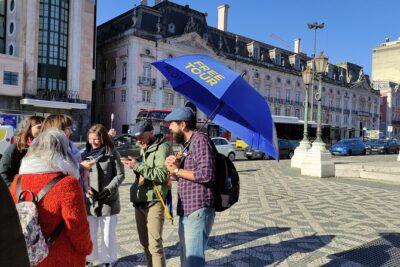 ★ 5.0Lisbon City Center Tour – The Unmissable LisbonTickets from $322,234 traveller reviews
 ★ 4.7Sintra, Pena, Regaleira, Cabo da Roca & CascaisTickets from $2319,656 traveller reviews
 ★ 4.1Jerónimos Monastery Entrance TicketTickets from $2114,164 traveller reviews
 ★ 4.8History, Stories and Lifestyle Walking TourTickets from $2910,902 traveller reviews
 ★ 4.5Sunset Boat Party Cruise with DJ and Open BarTickets from $2710,378 traveller reviews
 ★ 4.7Pena Palace, Sintra, Cabo da Roca, & Cascais DaytripTickets from $919,981 traveller reviews
 ★ 4.6Oceanário de Lisboa Entrance TicketTickets from $299,943 traveller reviews
 ★ 5.0True 4Hour Private Tuk Tuk Tour: Discover Lisbon with a Local!Tickets from $1088,008 traveller reviews
More useful lists for this tour