
Review · LISBON CITY TOURS
Lisbon by Night Tour: Fado Show and Dinner with Pick-up
Fado night makes Lisbon click. This 4-hour Lisbon by Night experience uses a small-group night walk, plus music stops, to explain how Fado grew from working neighborhoods into a national symbol. You get pickup and a guided path through the parts of town where the stories are painted on walls, tiled in azulejos, and still sung in small rooms.
Two things I especially like are the small group size (max 8) and the way the evening mixes city views with live music. The walk threads through Alfama, Bairro Alto, and Mouraria, then you end with a full dinner plus a live Fado show in Alfama.
One drawback to plan around: the night includes a considerable amount of walking, plus stairs to reach the restaurant. If you have back problems or mobility limits, this can be tough, and the evening also requires quiet during performances.
Key things to know before you go
- Hotel pickup and drop-off make a steep Lisbon night easier
- Max 8 travelers keeps the focus on you and your questions
- Fado history on the street through murals, tiles, and named places
- Multiple short music sets (about 10 minutes each) before the main show
- Alfama dinner plus live Fado in a small, local-feeling room
- Comfortable shoes and layers matter because it is hilly and weather can shift
Lisbon by Night Timing, Pickup, and the 4-Hour Flow

This tour starts at 7:30 pm, which is a great time to experience Lisbon after the day crowds. Daytime is for museums and viewpoints, night is for sound, texture, and atmosphere, and Fado belongs to that nighttime mood.
You get a practical perk right away: hotel pickup and drop-off within the Lisbon area. For a city with hills, that means you spend less energy on logistics and more on the actual evening plan. The tour runs about 4 hours, long enough to walk through several neighborhoods, but not so long that it turns into a marathon.
The group stays small, up to 8 travelers. That matters for Fado, because you are not just passing landmarks, you are learning how to listen to a style that can be subtle until someone points out what you are hearing.
More Lisbon tours and experiences for the shortlist


The Night Drive That Builds Context Fast
Before the walking really ramps up, you ride around at night. Several guides use the car time to set the stage, including what you will see when you step out. It is a good buffer period when you want your bearings and a quick sense of where you are in the city.
If your guide plays different Fado types during the ride, you are getting an easy listening lesson. One guide approach included pre-playing examples on a phone so you could recognize the main styles before you heard singers in person.
You might also get a night viewpoint stop along the route. That pause is useful because you will later be walking through narrow streets and looking at small details on buildings, so a wider view helps your brain put the pieces together.
And yes, you will likely hear Fado stories while you ride. Names like Vasco, Daniel, Juan, and Manuel show up in guide notes, and the common thread is that they focus on making the evening make sense, not just reciting facts.
Alfama, Bairro Alto, and Mouraria: Fado History Written into Streets
The walking part is where the tour earns its keep. You move through three neighborhoods tied to Fado’s evolution: Alfama, Bairro Alto, and Mouraria. Each area gives you a different angle on the music, from origins to popularity.
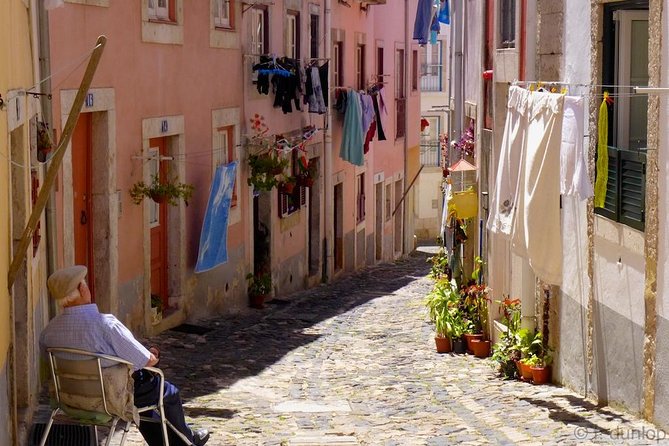
In Alfama, you are in Fado’s birthplace zone. That means cobblestones, old-house facades, and small Fado spots that feel woven into everyday life. You are not just strolling, you are learning how the neighborhood shaped the sound.
Bairro Alto is next, and it is an important contrast. This is where Fado started winning over the upper class, so the vibe changes from gritty streets to a more polished audience. During the walk, you pass Fado-themed landmarks that help you connect the neighborhood story to the music itself.
Mouraria rounds out the picture, and it is a place with specific named references tied to Fado’s roots. You also get a thematic walk through murals, tile panels, cobblestone decorations, and statues that are explicitly about Fado. Lisbon loves public art, and here it is doing cultural storytelling for you.
Rossio Station, Named Streets, and the Places You Can Find Again
A highlight of the tour is that it gives you names and locations you can revisit. That turns one night into a tool you can use on your next day in Lisbon.
You pass Rossio, including the Rossio train station area and a tribute statue to Fado. Even if you skip trains and platforms the rest of the trip, that statue gives you an anchor point for the story of Fado as a national cultural symbol.
Along the way, you also hear about the roots tied to specific streets and squares, including Rua do Capelão and Largo da Severa. These are the kinds of named places that make your second visit easier because you can follow the trail you learned on this night walk.
The route also includes references to Fado songs associated with sailors. That theme matters because it points to how working neighborhoods shaped subject matter for the lyrics and tone, long before Fado became a mainstream performance style.
If you like travel that gives you wayfinding, you will appreciate that this tour builds an internal map for Lisbon’s Fado geography.
Barrio Alto and the Aristocracy Shift
One of the most compelling parts is the explanation of how Fado changed audiences over time. Fado began in working-class struggles in Lisbon’s neighborhoods, then it caught the attention of aristocratic circles.
Bairro Alto is used as the turning point in that story. You learn why the music moved from local community spaces toward a bigger stage, which helps you understand why you see Fado as both intimate and iconic in Portugal.
This matters because it changes how you listen. If you only hear Fado as a sad performance, you miss how it also carries pride, identity, and social movement. The tour nudges you toward listening for that shift, not just the emotion.
And if your guide is the enthusiastic type, you might hear Fado described in a way that clicks immediately. Guides like Tania, Thiago, and Tiago are repeatedly praised for explaining the origins and types clearly.
More Lisbon tours and experiences for the shortlist





Short Music Stops Before the Main Show
You are not left waiting around with nothing happening. The package includes multiple musical live performances of about 10 minutes each during the tour.
These short sets are a clever structure. Instead of one long show you have to sit through without context, you get small music moments while you are also learning where the music comes from. Each set works like a footnote to what you just heard about the streets.
It also keeps the night moving. Lisbon hills mean you might arrive at the main venue tired, so having earlier music bursts spreads out the energy and builds anticipation.
If your schedule is packed, this format is a plus. It feels like you get more than one “taste” of Fado, not just one performance with dinner.
Alfama Fado Live Show and Dinner: What the Evening Feels Like
The final act takes place in Alfama, where Fado was born. The dinner and live show pairing is the heart of the tour, and it is designed to feel like you are spending the evening the way locals do, not like you are racing through a checklist.
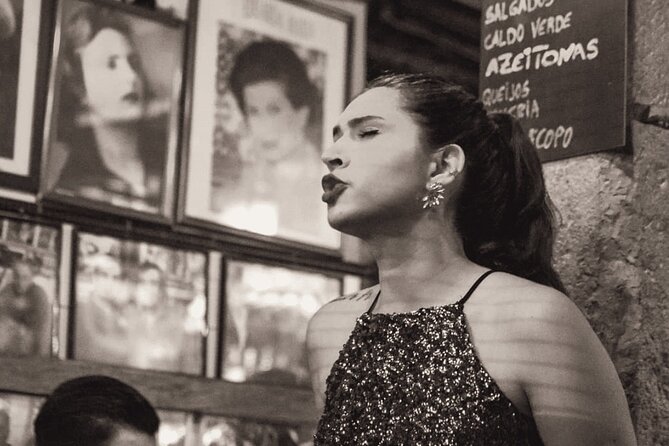
The restaurant experience is typically small and close to the performers. That intimacy is what many people want, because it turns Fado from background music into the main event. You will usually sit in a room where voices carry and you can feel the difference between styles.
There is an important practical detail to know: getting to the restaurant may involve stairs. One guidance note mentioned about 20 steps up to the restaurant with a handrail. If stairs are an issue, plan for it before you book.
Also, during the musical performances, the expectation is that everyone stays totally silent, including pausing from eating. Fado does not work like a casual bar sing-along, it needs that respect for the moment.
As for the show itself, you might see differences from night to night in how singers present. One common expectation is traditional Fado attire, but you could end up seeing performers in normal clothes instead. The music quality is still the focus, but your “visual expectation” may not match your mental picture.
Dinner Quality, Service, and What You Should Actually Watch For

Dinner is included, and it is part of the value. The evening is structured so you are not hunting for a meal after a long walk. It also means you can stay seated and keep listening to the pacing of the night.
Meal quality varies more than the music. Some dinners are described as delicious and generous, while others call the food average or even disappointing for the price. Your best bet is to go in expecting a solid tour meal, not a gourmet restaurant finale.
Service tends to be a mixed story as well. Many descriptions note good service and a cozy room, but at least one person ran into confusion about what exactly came with the dinner package. If you care a lot about drinks or specific extras, double check your inclusions in the booking details before you arrive.
One practical upside: in a small venue, dinner is rarely separated from the show in a way that breaks the rhythm. You eat, the performance happens, and you stay in the cultural flow of the evening.
Price and Value: Is $150 for Fado Worth It
At $150.18 per person, this is not a cheap night out. The question is not just whether you get a show, it is whether the total package reduces effort and improves access.
Here is what you are paying for, based on what is included: a professional guide, pickup and drop-off, a walking route across key Fado neighborhoods, multiple short live performances (around 10 minutes each), plus dinner and the main live Fado show. For many people, that bundling is the value. You get transportation, direction, and context.
But the pricing also becomes sensitive in two situations. First, if you end up seated far from the performers, the show can feel less satisfying. Second, if you strongly expected a more traditional, high-end, all-dressed-up presentation, some nights may feel more tourist-oriented or less “period accurate” than you hoped.
A smart way to judge value for yourself: ask if you want a guided Fado storyline you can carry into future visits. If yes, the guide-led structure is usually worth it. If you mainly want to eat and see a Fado set with zero explanation, you may feel the cost is higher than necessary.
Practical Tips: Shoes, Layers, Silence, and Fitness Limits
This tour involves a considerable amount of walking, including hill climbs. Comfortable shoes are not optional here. Lisbon night streets are uneven, and you will likely step from viewpoint to cobblestone lane to stair entry.
Wear layers. Even in summer, nights can feel cool once you move from open streets to indoor performance rooms. A layers tip also came up repeatedly, because temperature swings are real in Lisbon.
You also need a moderate fitness level. It is not recommended for people with back problems, heart conditions, or mobility handicaps. If those apply to you, skip the walking-based version and look for a more accessible option.
If you are bringing kids, know the rules. It is not recommended for children below age 6 because performances require total silence, including pausing from eating.
There is no strict dress code. Still, avoid slippers or beachwear. You are going to be standing and moving through old neighborhoods, and comfortable clothing will keep you focused on the night.
Who This Lisbon Fado Dinner Tour Suits Best
I think this is a strong match if you are a first-timer to Fado or Lisbon. The tour gives you immediate context and a guided listening framework. Instead of just hearing sadness, you learn why the music sounds the way it does.
It is also a good choice for couples and small groups who want an organized plan but still crave real neighborhoods. The small group size helps, because it is easier to ask questions and get personal attention.
If you love history as atmosphere, you will like the way the walk ties Fado to specific locations like Rua do Capelão and Largo da Severa, and to public art such as the Rossio Fado tribute.
The main people who should think twice are those who cannot handle stairs and steep walking. This is a night that respects silence, but it also demands physical effort.
Should You Book This Lisbon by Night Fado and Dinner Tour?
Book it if you want a guided Fado storyline, hotel pickup, and a finish in Alfama with dinner plus live music. The small group size and the pairing of street context with a real show are the strongest reasons to choose it.
Skip it if you want a fully flexible night where you roam on your own, or if your mobility is limited. Also think carefully if you have a strong expectation of front-row, perfect viewing, because seating can vary.
If you are okay with walking and quiet respect for the performance, this is one of the better ways to experience Lisbon’s Fado identity in a single night.
FAQ
What time does the tour start?
The start time is 7:30 pm.
How long is the Lisbon by Night Fado tour?
It lasts about 4 hours.
Is hotel pickup included?
Yes. Pick-up and drop-off are included within the Lisbon area, and the driver-guide meets you at your hotel or a central meeting point you choose.
What is the group size?
The tour has a maximum of 8 travelers.
What languages are available?
English, Spanish, and Portuguese are available all year round. More than one language can be spoken during the tour, up to two languages.
How much walking is involved?
A considerable amount of walking is involved, including uneven and hilly areas. It is not recommended for people with back problems, heart conditions, or mobility handicap.
Is there a dress code?
There is no special dress code. Comfortable shoes are recommended, and it is also advised not to bring slippers or beachwear.
Is this tour suitable for young children?
It is not recommended for children below age 6 because musical performances require total silence, including pausing from eating.
What does the ticket include?
Included are a professional guide, multiple musical live performances (around 10 minutes each), dinner and live Fado performance, and hotel pickup and drop-off.
What happens if the weather is bad?
This experience requires good weather. If it is canceled due to adverse weather such as heavy rain, you will be offered a different date or a full refund.
More Dining Experiences in Lisbon
More Tours in Lisbon






More Tour Reviews in Lisbon



Not for you? Here's more nearby things to do in Lisbon we have reviewed











Lisbon City Tours, side by side.
 ★ 5.0Lisbon City Center Tour – The Unmissable LisbonTickets from $322,234 traveller reviews
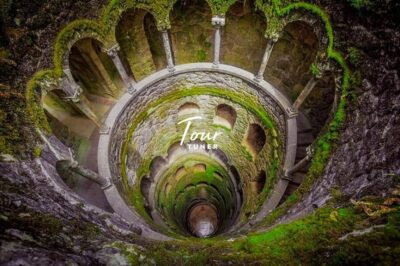 ★ 4.7Sintra, Pena, Regaleira, Cabo da Roca & CascaisTickets from $2319,656 traveller reviews
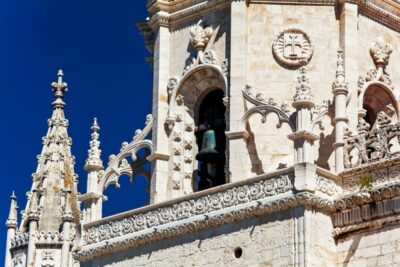 ★ 4.1Jerónimos Monastery Entrance TicketTickets from $2114,164 traveller reviews
 ★ 4.8History, Stories and Lifestyle Walking TourTickets from $2910,902 traveller reviews
 ★ 4.5Sunset Boat Party Cruise with DJ and Open BarTickets from $2710,378 traveller reviews
 ★ 4.7Pena Palace, Sintra, Cabo da Roca, & Cascais DaytripTickets from $919,981 traveller reviews
 ★ 4.6Oceanário de Lisboa Entrance TicketTickets from $299,943 traveller reviews
 ★ 5.0True 4Hour Private Tuk Tuk Tour: Discover Lisbon with a Local!Tickets from $1088,008 traveller reviews
More useful lists for this tour