

Review · LISBON CITY TOURS
Queer Lisbon Nightlife Tour
Lisbon at night tells a different story. This tour threads social history and today’s queer scene together, starting at Miradouro dos Barros and ending inside a queer-owned bar. I love that it pairs big themes like colonialism and dictatorship with real places you can actually point to. I also love the included Queer Map of Lisbon (PDF), so you can keep exploring after the last stop.
What I liked most is how the route balances atmosphere with explanation, not just hopping from bar to bar. One possible drawback is that you’ll be on your feet and outdoors for a good chunk of time, and the experience requires good weather to run.
Key Highlights You Should Know Before You Go

- Small group, max 15 people, which helps the conversation stay personal
- Three and a half hours from a 6:30 pm start, with planned stops and set discussion time
- Theme-based stops that connect queer life with colonialism, the Carnation Revolution, and immigration
- Two optional-feeling venue stops where tickets are not included, so bring extra cash for food or covers
- A free queer map PDF included, useful for planning your next nights in Lisbon
- English tour support with a local guide who speaks Portuguese and English
Why the 6:30 pm Start Makes This Tour Feel Different
This is not a late-night party bus. The tour begins at 6:30 pm, while the city still feels lively but not fully night-chaotic. You get a sequence of stops that make sense, with short introductions, then venue time, then more historical context, and finally a longer ending discussion.
If you like nightlife but also want a reason behind what you are seeing, this format works. You’re not just walking into bars, you’re learning what those spaces mean for Portugal’s queer and immigrant communities right now. And because the group is capped at 15, it’s easier to ask questions and keep your bearings.
You can also read our reviews of more nightlife experiences in Lisbon



Miradouro dos Barros: Viewpoint Start and a Colonialism Lesson
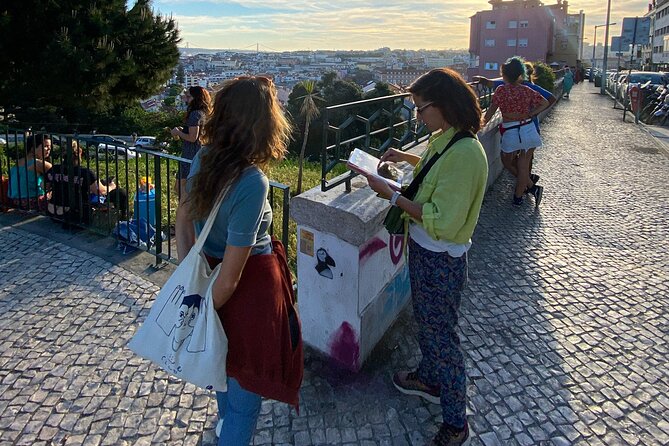
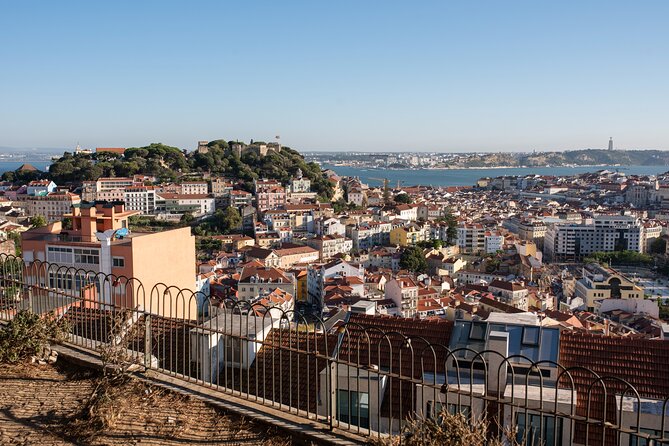
The tour kicks off at Miradouro dos Barros on Calçada do Monte. This first stop is a viewpoint gathering point, where you can take in Lisbon’s night setting and get your bearings fast. Then the guide sets the tone for the evening with a discussion of how colonialism has shaped Portuguese culture.
This is a smart opener for two reasons. First, it grounds the night in place, not just in nightlife. Second, it signals that the tour is going beyond entertainment to talk about power, identity, and cultural change.
You’ll also get a free admission ticket here, so it’s a straightforward start. The time is about 20 minutes, so you’re not stuck waiting around. Plan to arrive a touch early so you can settle in before the talk begins.
Damas: Where Portuguese Food Meets Queer and Immigrant-Led Change
Next is Damas, a space that combines a restaurant, bar, and concert venue. This is where Lisbon’s queer nightlife takes center stage in a very direct way, with queer voices and a sense of political presence.
One practical detail: this stop lasts about 40 minutes, and admission is not included. You should expect to pay for your own meal and drinks here (the tour notes that dinner is pay-your-own, and that aligns with what this stop is set up for). The good part is that Damas is framed as a place to savor Portuguese dishes, so you can treat this as a food stop, not just a social stop.
What I think makes Damas especially valuable for your money is the way it ties culture to community support. The tour describes Damas as supporting immigrants who are driving social and political change in Portugal. Even if you only catch part of that conversation, you’ll leave with a clearer sense of why certain venues matter, not just what is trendy.
Graca and Sao Vicente: The Carnation Revolution Mural Stop

After Damas, the tour moves to Graca and Sao Vicente for a brief mural stop. Here, you’ll see a mural dedicated to the Carnation Revolution. The guide explains the dictatorship, the historical context that led to the revolution, how it unfolded, and its lasting impact on Portuguese society.
This part works well if you want a quick hit of context without getting stuck in museum-mode. The stop is about 30 minutes, so it’s short enough to keep momentum, and it is grounded in a visible public artwork rather than a lecture with no place attached.
A small consideration: because this is a mural-focused stop and the time is limited, you’ll want to pay attention right away. If you drift into taking photos only, you may miss the thread the guide is building between past political change and the present queer landscape.
Má Lingua (or A Mata): Queer-Friendly Performance Spaces and Venue Pressures
Then comes one of the most interesting contrasts in the itinerary. You’ll visit Má Lingua or A Mata, both described as queer-friendly bars and cultural spaces where the queer community performs.
This stop lasts about 40 minutes, and admission is not included. In other words, you’ll likely pay any cover and also handle your own drinks. If you are budgeting tightly, this is the place to decide how much you want to spend, since the tour itself does not include the ticket here.
The conversation is also specific, not general. The tour frames this stop around the challenges faced by queer and immigrant-owned venues, including a wave of closures in 2024. That matters because it changes how you read the night. Instead of thinking, this is just where people hang out, you’re also being nudged to see how fragile community spaces can be, and how performances and gatherings can function as pressure release and political signal at the same time.
For you, the takeaway is simple: if you care about supporting the scene, the best time to do that is when you’re there, not later when you are tired and scrolling photos.





Drama Bar Ending: Contemporary Scene, Associations, Collectives, and Immigration

The tour wraps at Drama Bar, a queer-owned bar. This is the longest final segment at about 1 hour, and admission is included here.
This ending stop is built around discussion, not just hanging out. The guide talks about the contemporary queer scene in Portugal with a special focus on Lisbon, and highlights the role of associations and collectives that are leading important discussions and exploring potential solutions for the LGBTQ+ community. Immigration also comes up as a key ingredient in a decolonial perspective, shifting away from traditional norms toward broader and more diverse community needs.
If you have ever felt like nightlife tours can be too shallow, this is the part that fixes it. The longer time at the end gives the guide room to connect the dots: viewpoint to food venue, to revolution-era context, to performance spaces, and finally to what groups are doing today.
Also, since admission is included at the last stop, this is the easiest place to manage costs. If you want to stick to the tour price, you can focus your extra spending on the non-included stops rather than the finale.
What You Actually Get for the $66.08 Price
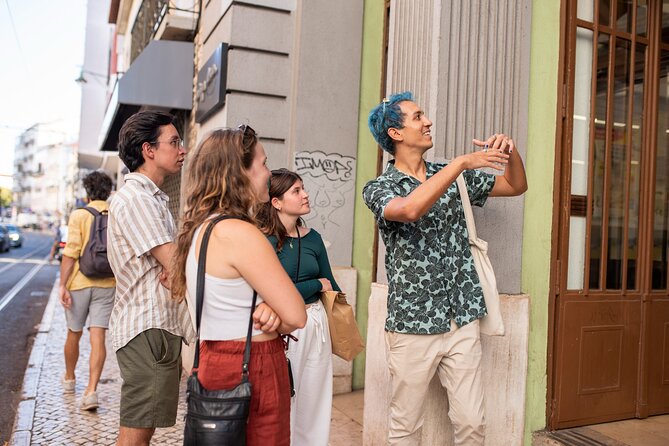
At $66.08 per person for about 3 hours 30 minutes, the value comes from three places: guidance, curated access, and planning help.
1) Portuguese and English-speaking local guide, plus an English tour format. That combination matters because you get a real local voice with enough language support to keep the conversation clear.
2) An included PDF map of Lisbon’s queer scene. This is one of the most practical add-ons on the whole itinerary. After your tour ends, you are not left guessing where to go next. You can use the map to plan a second night, or even to find daytime places you might otherwise miss.
3) Admission is included for at least the final bar stop. The tour also starts with a free admission ticket at the viewpoint. Not everything is included, but you do get at least some direct savings and friction removed.
What you should budget separately is also clearly stated. Dinner is on your own, and admission is not included at Damas and Má Lingua or A Mata. Translation: your real cost can rise depending on what you order and whether there is a cover at those venues. If you want to keep it close to the listed price, eat earlier or set a hard limit for drinks.
My rule of thumb for tours like this: treat the ticket as paying for conversations and access, then treat food and extra venue spending as your choice.
Logistics That Matter in Real Life
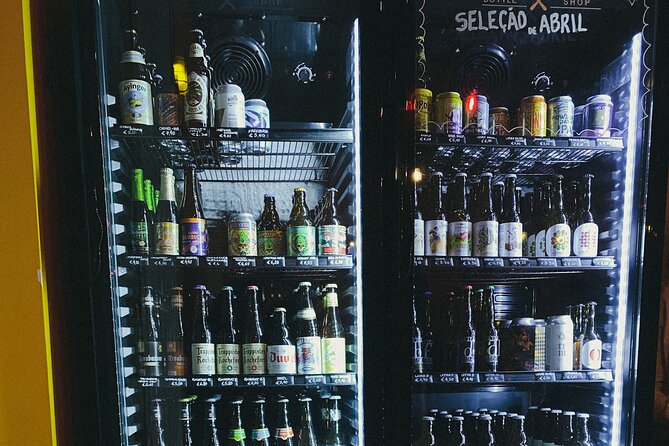
The tour uses a mobile ticket, and you’ll receive confirmation at booking. It’s offered in English, and the guide is Portuguese and English-speaking. The group size is capped at 15 travelers, which usually makes it easier to move through busy nightlife streets without losing the flow.
It’s also near public transportation, which helps if you do not want to rely on rideshare after the tour. Service animals are allowed, and most travelers can participate.
One more reality check: the experience requires good weather. Since some of the itinerary is outside, rain or strong wind could make you miserable, even if the tour tries to work around it. You’ll want to dress for night comfort and bring something you can tolerate for a few hours.
Who This Tour Suits Best
This is a great match if you want queer nightlife in Lisbon with context, not just a bar crawl. It also fits well if you care about how history connects to today’s community spaces, because the route explicitly covers colonialism and the Carnation Revolution alongside modern queer venues.
It’s especially good for:
- Solo travelers who want structure and conversation
- Couples or friends who want a planned start before branching out
- People who like nightlife but also like learning what makes places meaningful
It might be less ideal if you only want casual, go-with-the-flow drinking time. This tour includes set discussion segments and thematic stops, so it is not built for total downtime.
Should You Book the Queer Lisbon Nightlife Tour?
I’d book it if you want Lisbon nightlife with a conscience, and you don’t mind paying extra for food and any venue covers where tickets are not included. The included queer map is a strong practical reason to choose this, because it helps you extend the trip beyond the tour window.
I would pause before booking if you dislike outdoor time at night or you’re traveling when weather might be questionable. Since good weather is required, you’ll want to check the forecast and be ready for an alternate date or full refund if it gets canceled due to poor conditions.
If you like your Lisbon nights with both atmosphere and explanation, this one is a smart, value-minded way to start.
More Nightlife Experiences in Lisbon


More Tours in Lisbon




More Tour Reviews in Lisbon
Not for you? Here's more nearby things to do in Lisbon we have reviewed












Lisbon City Tours, side by side.
 ★ 5.0Lisbon City Center Tour – The Unmissable LisbonTickets from $322,234 traveller reviews
 ★ 4.7Sintra, Pena, Regaleira, Cabo da Roca & CascaisTickets from $2319,656 traveller reviews
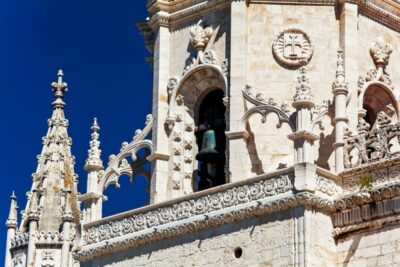 ★ 4.1Jerónimos Monastery Entrance TicketTickets from $2114,164 traveller reviews
 ★ 4.8History, Stories and Lifestyle Walking TourTickets from $2910,902 traveller reviews
 ★ 4.5Sunset Boat Party Cruise with DJ and Open BarTickets from $2710,378 traveller reviews
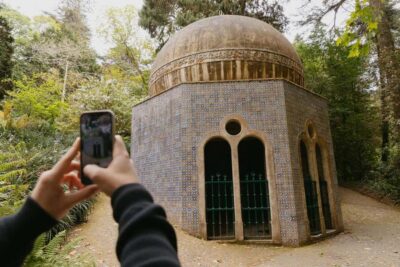 ★ 4.7Pena Palace, Sintra, Cabo da Roca, & Cascais DaytripTickets from $919,981 traveller reviews
 ★ 4.6Oceanário de Lisboa Entrance TicketTickets from $299,943 traveller reviews
 ★ 5.0True 4Hour Private Tuk Tuk Tour: Discover Lisbon with a Local!Tickets from $1088,008 traveller reviews
More useful lists for this tour