
Review · LISBON CITY TOURS
From Lisbon: Óbidos and Mafra Palace Private Tour
A walled medieval town meets a giant palace day. This private tour is one of the more satisfying ways to pack Óbidos and the Palácio Nacional de Mafra into about six hours without feeling rushed. I especially like how the day is built around walking, plus a real guide who explains what you’re looking at.
Two things I really like: you get a guided walk through Óbidos’ fortified streets, and you also get a guided visit inside Mafra’s enormous complex with time for photos. One thing to consider: Mafra can be closed on public holidays, so you may need a Plan B.
Because it’s private, you can set the pace, and you ride in an air-conditioned vehicle from your Lisbon hotel or cruise port. If you visit in July, Óbidos’ castle hosts a Medieval Market for two weeks, and the vibe changes in a fun, period-style way, though that market ticket is not included.
Key Points You’ll Care About
- Private guide for both towns, not a lecture on repeat
- Skip the ticket line for the Mafra palace complex
- Óbidos walls walk and time to wander the lanes, plus a chance to try ginjinha
- Mafra scale you can measure with your eyes, from 1,200 rooms to a 232 m corridor
- Holiday flexibility based on closures, with an alternate plan that keeps the day moving
Óbidos Walls and Medieval Streets, Where the Day Starts
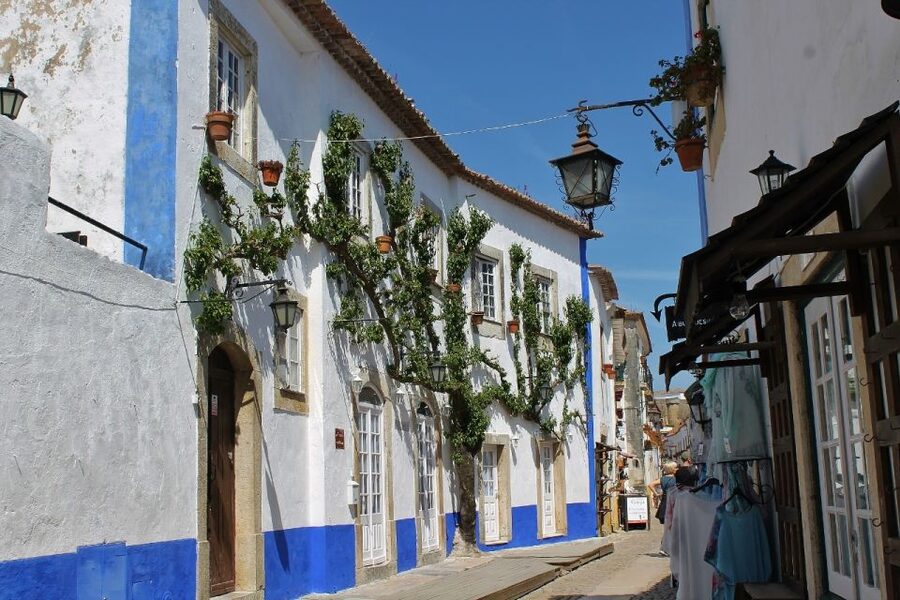
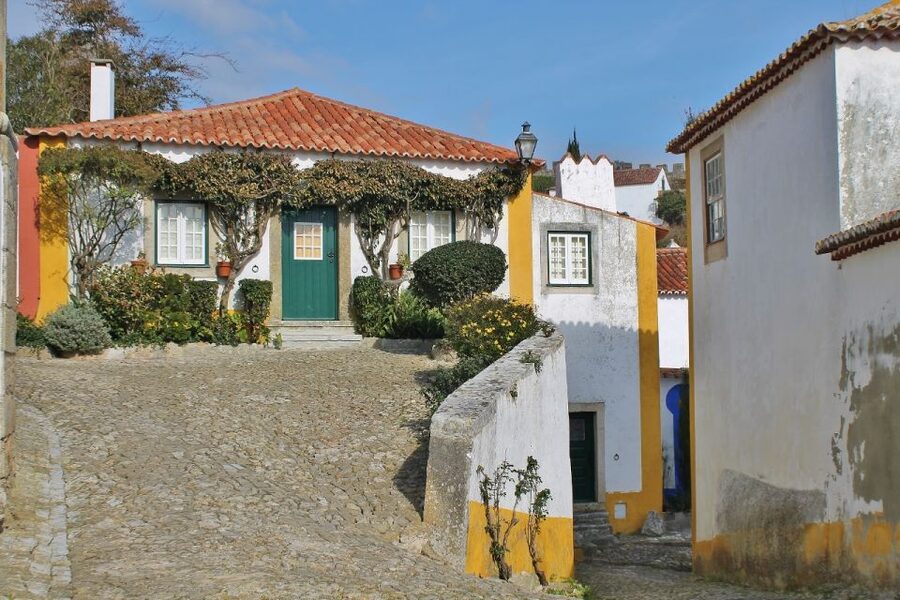
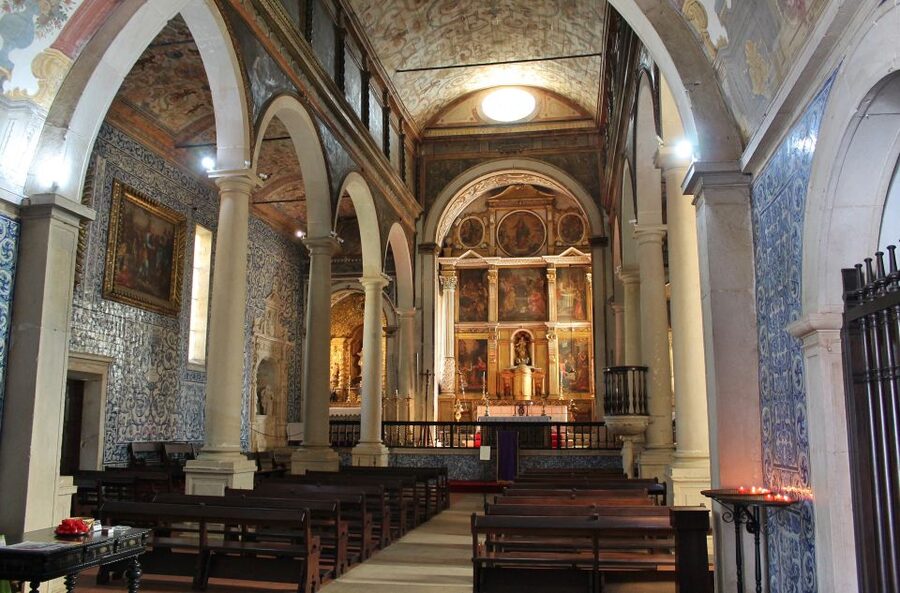
Óbidos is the kind of place that makes you slow down on purpose. You’re in a historic walled town, one of Portugal’s best-preserved “museum villages,” and it shows in the way the lanes feel like they still belong to the Middle Ages. The big win here is that you don’t just walk through. With a private guide, you get the story behind the stones.
The town’s origins go back to Portugal’s early nation-building. Óbidos was conquered by D. Afonso Henriques on January 11, 1148, and that date matters because it’s part of why the town is treated like living heritage. Your guide’s job is to make that timeline feel real, not like a textbook.
I like starting in Óbidos because it sets the tone quickly. You get about two hours here, including a break time and guided walking. That pacing is smart, since the old streets are narrow and you’ll want moments to look, rest, and browse.
What to expect as you stroll:
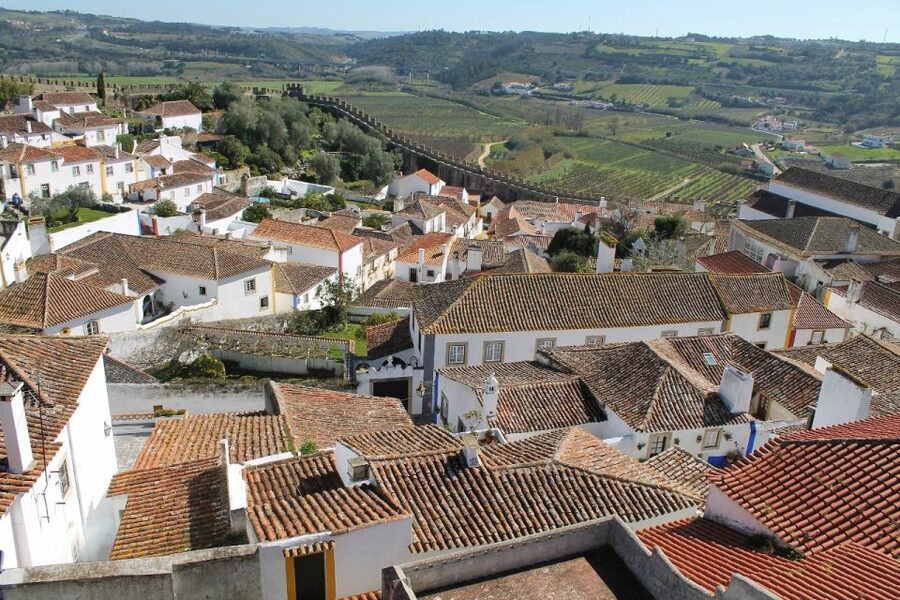
- Fortified streets and viewpoints where you can take in the town from above
- Local shops and crafts, the type you’re more likely to notice when you’re not herded through a crowd
- A food stop that’s built into the culture: walking around gives you an easy opening to try ginjinha and other local goods
One detail that stands out from guide feedback I’ve seen is the way the walls add an extra layer to the experience. Walking on top of the walls gives you a different angle on the whole town, and it also makes the visit feel longer than it is. If you enjoy viewpoints, don’t skip that stretch.
You can also read our reviews of more private tours in Lisbon



Private Guidance in Óbidos, and Why It Changes the Visit
A private guide matters most when the place is old and layered. Óbidos isn’t huge, but it’s dense with meaning. With a guide, you’re not guessing why a church is where it is, or why a street layout looks the way it does.
Two guide styles show up in real-world experiences: Rod (charismatic and well informed) and John (lively, with expansive knowledge and a careful driving approach). Both are the type who help you connect details to bigger themes, and that’s why people tend to rate this tour so highly.
Here’s the practical takeaway: use your guide to ask for cues. Where should you look for defensive architecture? What’s the best way to link today’s streets to the town’s medieval role? When you have one guide for your group, you can steer the conversation.
Also, because you have time built in, you can actually enjoy small things. Flowers, craft stalls, and the way the town feels dressed up for visitors are part of the appeal, but you’ll notice them more when you’re not constantly rushing.
Mafra Palace: One Complex, Four Functions, Thousands of Rooms
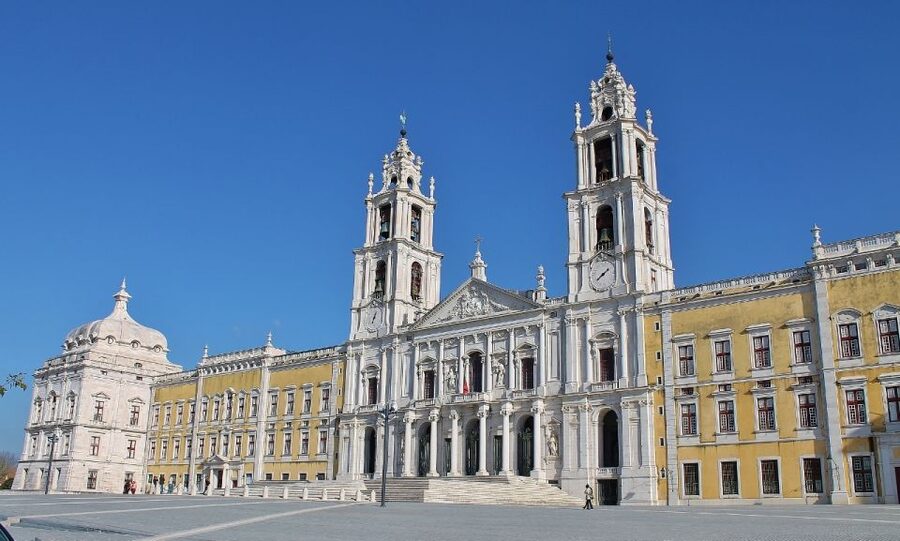
If Óbidos is a time machine, Mafra is the “time-machine lever.” The Palácio Nacional de Mafra is massive baroque architecture, and it’s not just big in a vague way. It’s big with numbers you can picture.
The complex was made possible by money flowing into Portugal from Brazil, which helped King João V fund construction on a scale that still surprises people. Work began on November 17, 1717, and the plan wasn’t one building. It was a full complex integrating:
- the palace
- the convent
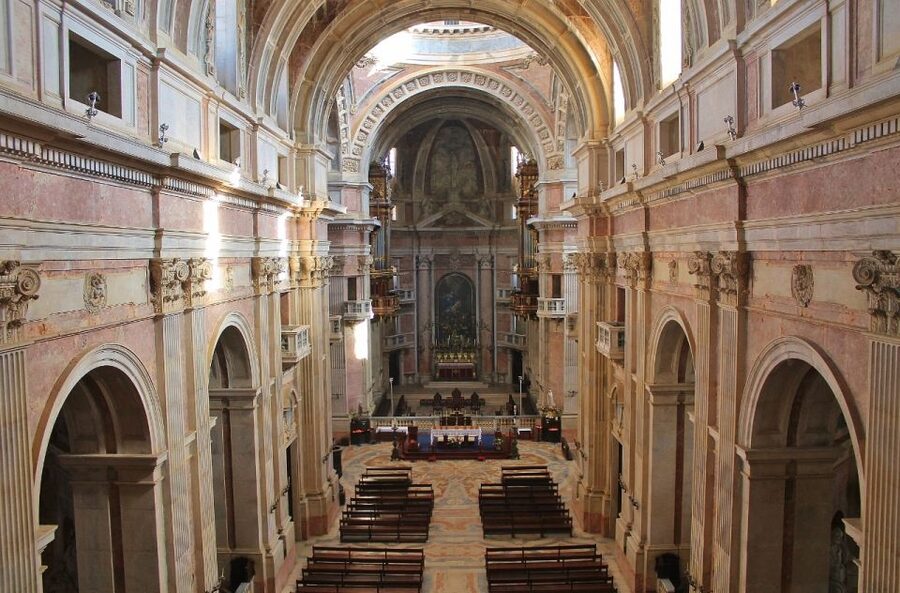
- the basilica
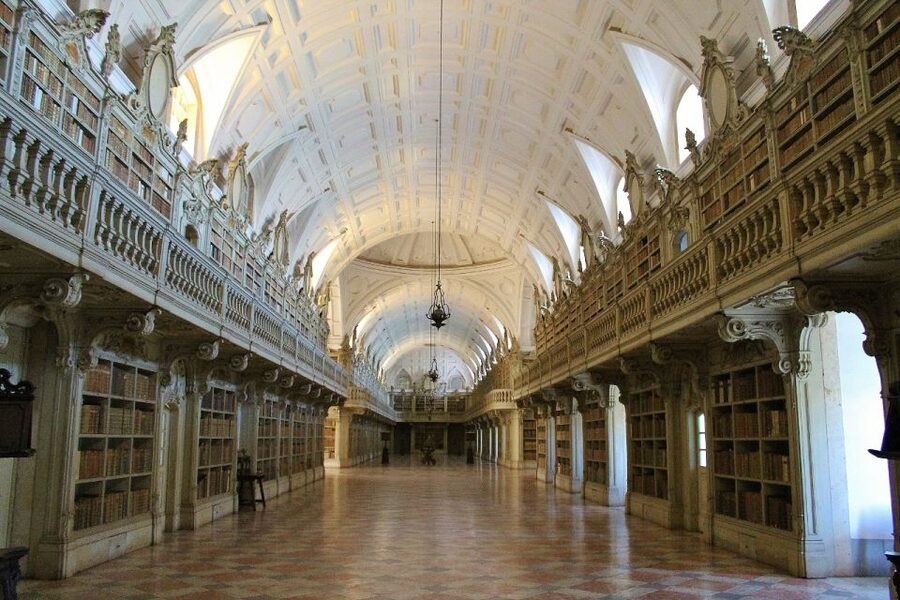
- the library
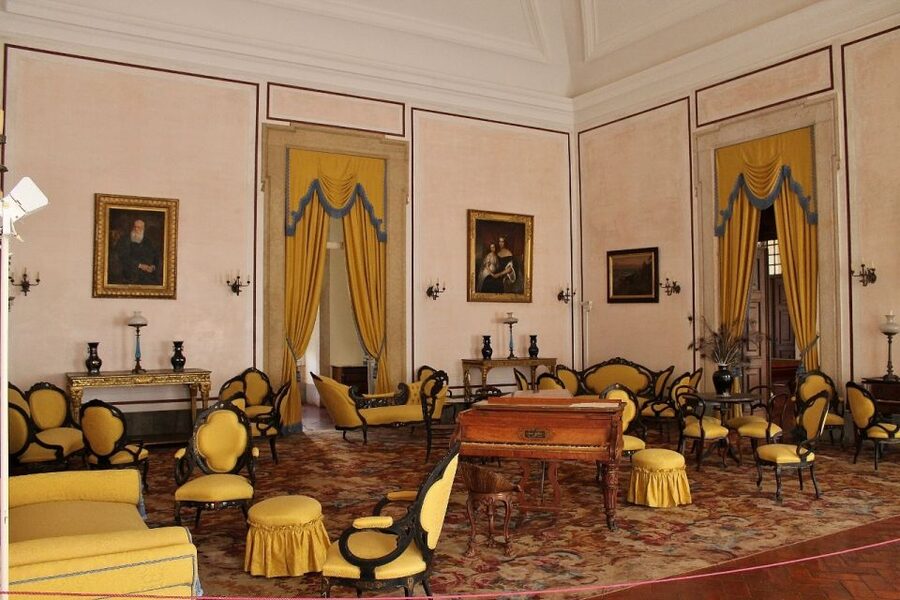
The scale is the point, and your guide explains it as you move. The complex covers almost four hectares, about 37,790 square meters. There are around 1,200 rooms, plus more than 4,700 doors and windows. There are also 156 stairways and 29 inner yards and courtyards. Even if you forget the exact counts, you’ll remember the feeling of walking through a place designed for ceremony and control.
Then there’s the detail people love to point out: the longest corridor in a palace at 232 meters, made of limestone and marble sourced from the Óbidos, Pêro Pinheiro, and Sintra regions. That’s one of those facts that turns into a real experience when you’re standing in the hallway and realizing how far it keeps going.
Your Mafra stop includes a photo stop plus a guided visit of about 1.5 hours. It’s enough time to see major spaces without feeling like you need a full day to recover afterward. And because the tour includes entrance to the Mafra complex and skip-the-line entry, you’re less likely to waste precious daylight on paperwork and queues.
Inside the Library and Basilica, the Real “Wow”
If you only care about the exterior, you’ll miss the best parts. Mafra isn’t just a grand facade. It’s also a place built for knowledge and worship.
The library is one of the big highlights. It holds more than 30,000 volumes, spanning from the 15th to the 18th centuries. When you visit, you’re not looking at a tidy museum display. You’re looking at the kind of institution that was meant to matter for generations.
Then look up and outward. Two massive towers flank the palace, framing the facade like a statement. The basilica is a centerpiece of that front design, with the basilica’s planning credited to the German architect Johann Friedrich Ludwig, commissioned by D. João V. That international mix, paired with the Portuguese setting and royal ambition, is one reason Mafra feels both local and grand.
Your guide’s job is to help you connect the dots: what you see on the outside, what function each building part served, and how the space was designed to impress.
When Mafra Is Closed, You Still Have Options
One caution I want you to keep in mind is timing. National monuments can be closed on public holidays or for special occasions without much notice, and that can affect this plan.
In one example of what to expect when closures happen: a guide named Rod led a switch to Queluz Palace and botanical gardens instead of Mafra when Mafra was closed on a public holiday. The group still got a strong day out, even though they missed the Mafra highlights.
So if your calendar puts you near a holiday, don’t assume everything will run exactly as planned. The best move is to be flexible about outcomes. That flexibility is part of the value of booking a private guide day, not just a fixed sightseeing route.




July Medieval Market in Óbidos: Plan for Extra Energy
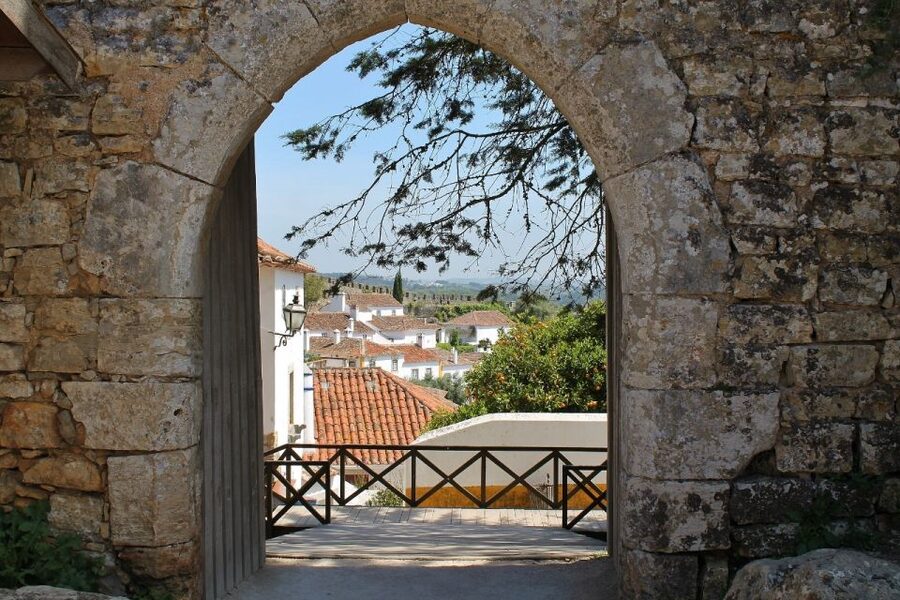
If you’re visiting in July, Óbidos can add a special layer. The castle hosts a traditional Medieval Market for two weeks. The town and surrounding area recreate medieval Europe with performers, stall workers, soldiers, minstrels, and daily parades.
It’s not included as a separate ticket cost in the tour you’re considering, so you’d need to pay separately if you want to go in. But even without paying for the market, the medieval atmosphere tends to spill into the rest of the town.
What matters for you: if you’re sensitive to crowds, the market period can make the streets feel more crowded and lively. If you love costumed history, it can turn Óbidos from beautiful old town to full-on stage set.
Timing From Lisbon, and How to Make the Day Feel Smooth
This tour is designed for a half-day feel. Your total time on the ground is about six hours, with hotel or cruise port pickup in Lisbon and return back at the end.
That timing matters because Óbidos and Mafra are both worth more attention than most “quick stops.” Two hours in Óbidos gives you walking time plus a break. About 1.5 hours in Mafra lets you see the complex without feeling you’re sprinting room to room.
Transportation is also part of comfort and energy level. You’re in an air-conditioned vehicle, and the driving approach tends to be careful, which helps when you’re doing lots of standing and walking on uneven streets.
Price and Value: What You’re Really Paying For
At $261 per group up to 2, you’re not paying per person in the typical bus-trip way. You’re paying for:
- a private guide (not shared commentary)
- air-conditioned transport
- skip-the-line entry for Mafra
- entrance fee to the Mafra complex
- pickup and drop-off in Lisbon
So the value question is: would you otherwise pay for a guide, plus separate tickets, plus the hassle of getting there on your own? Most people who choose this setup are trying to avoid wasted time and to get interpretation that makes the day feel coherent.
If you’re traveling as two, this format can be a bargain compared with paying separate individual guided visits. If you’re traveling solo, it can still be worth it, especially if you care about having a guide who can adjust pacing for your group. Just consider that private pricing means you might feel the cost more if you’re used to cheap group tours.
The biggest “value win” is Mafra. The palace complex is so large that walking through it without guidance can feel like getting lost in rooms. A guide helps you focus on what to look at first, plus it adds context like the corridor length, the library collection size, and the four-part design.
What to Bring and How to Prep
This tour is straightforward, but you’ll be walking. Bring:
- Comfortable shoes you trust on old stone and walls
- Sunscreen, since you’re outdoors for a good portion of the day
If you want the most from both sites, plan a light day: don’t rely on heavy coats or complicated bags. You’ll want free hands for photos, plus you might do some browsing in Óbidos.
Also, if you’re hoping to try ginjinha and browse local crafts, consider carrying a small amount of cash or a card you use at local shops. Even when the tour is well structured, small purchases are part of the charm.
Is This the Right Tour for You?
This day trip fits best if you want a guided “two-worlds” day: medieval streets first, then baroque palace scale second. It’s a great match for couples and small groups who:
- like walking and viewpoints (especially on Óbidos’ walls)
- want a guide to make history and architecture make sense fast
- care about saving time with skip-the-line entry for Mafra
- prefer private pacing over crowded tours
It might be less ideal if you only want photos and you dislike guided time inside museums and monuments. Mafra is built for deep looking, so if you want a pure stop-and-snap experience, you may find the guided elements slightly structured.
Should You Book Óbidos and Mafra From Lisbon?
Yes, book it if you want maximum contrast in one day, and you like the idea of having an expert point out what matters at each stop. The private format is the big reason people are happy with this tour: guides like Rod and John bring energy and specific explanations, and you get enough time to enjoy both places instead of treating them like checkboxes.
Before you commit, check your dates. If your trip lands near a public holiday, keep in mind Mafra could close and your plan might adjust. If you can stay flexible, this tour becomes a strong value: you get a clean logistics setup from Lisbon, and you leave with both a storybook medieval town and one of Europe’s most mind-bending baroque complexes.
FAQ
Where does the tour pick up in Lisbon?
Pickup is included from your hotel or your cruise port in Lisbon.
How long is the tour?
The duration is about 6 hours.
Is this a private tour?
Yes. It’s a private group experience.
What’s included in the price?
The tour includes a private guide, an air-conditioned vehicle, entrance fee to the Mafra Palace complex, and pickup and drop-off at your Lisbon hotel or cruise port. It also includes skip-the-ticket-line entry.
Do I get a guided visit at both places?
Yes. You’ll have a private guide for Óbidos and for the Mafra National Palace complex.
How much time do you spend in Óbidos and Mafra?
Óbidos includes break time, visit, guided tour, and walking for about 2 hours. Mafra includes a photo stop and a guided tour for about 1.5 hours.
Is lunch included?
No. Lunch is not included.
What about the Medieval Market in July?
During July, the Medieval Market entrance fee to Óbidos castle is not included.
What languages are available for the guide?
The live tour guide is available in English, Spanish, Portuguese, and German.
What should I bring for the day?
Bring comfortable shoes and sunscreen.
More Private Tours in Lisbon


More Tours in Lisbon




More Tour Reviews in Lisbon
Not for you? Here's more nearby things to do in Lisbon we have reviewed









Lisbon City Tours, side by side.
 ★ 5.0Lisbon City Center Tour – The Unmissable LisbonTickets from $322,234 traveller reviews
 ★ 4.7Sintra, Pena, Regaleira, Cabo da Roca & CascaisTickets from $2319,656 traveller reviews
 ★ 4.1Jerónimos Monastery Entrance TicketTickets from $2114,164 traveller reviews
 ★ 4.8History, Stories and Lifestyle Walking TourTickets from $2910,902 traveller reviews
 ★ 4.5Sunset Boat Party Cruise with DJ and Open BarTickets from $2710,378 traveller reviews
 ★ 4.7Pena Palace, Sintra, Cabo da Roca, & Cascais DaytripTickets from $919,981 traveller reviews
 ★ 4.6Oceanário de Lisboa Entrance TicketTickets from $299,943 traveller reviews
 ★ 5.0True 4Hour Private Tuk Tuk Tour: Discover Lisbon with a Local!Tickets from $1088,008 traveller reviews
More useful lists for this tour