
Review · LISBON CITY TOURS
Lisbon Highlights Guided Walking Tour
Lisbon tells its story in steps. This highlights walking tour stitches together the city’s big turning points, from the 1755 earthquake that reshaped everything to a satisfying finish at a top viewpoint for photos.
I especially like how it hits major landmarks without feeling rushed, so you leave with a mental map of central Lisbon. The guide work also gets high marks for being engaging and clear, and you typically get useful restaurant and sightseeing ideas to keep your day moving.
The main drawback is simple: you’re doing about 2 hours 30 minutes of walking on Lisbon streets, including hills. If you’re sensitive to slopes or uneven pavement, plan your pace and take breaks when the group pauses.
Key points at a glance
- 2 hours 30 minutes of central Lisbon highlights, great for a first or second day
- Small group size (max 20), so it’s easier to ask questions
- Stop-by-stop storytelling, including the 1755 earthquake and how it changed the city
- Photo-ready ending at Miradouro São Pedro de Alcântara
- Budget-friendly pricing at about $21.72 with a professional guide included
Price and Logistics: what $21.72 buys you (and what to plan)
At about $21.72 per person for roughly 2.5 hours, this is the kind of tour that makes sense when you want structure without paying museum-ticket prices. You get a professional guide, and the tour price includes all fees and taxes, while the stops themselves are listed as free admission moments.
You’re also not stuck in a giant crowd. This is capped at 20 travelers, which helps the guide keep the pace human and keep conversations possible when you ask questions. That group size also matches the style of Lisbon walking, where the best parts often happen at street level, not behind a velvet rope.
Two practical notes. First, it’s scheduled based on good weather, so check forecasts. Second, confirmation happens at booking time, and you’ll use a mobile ticket, which usually makes meeting up easier.
If you want an easy way to orient fast, this is a smart buy, especially since the tour is commonly booked ahead (around 43 days on average). If your trip dates are tight, book early so you’re not trying to hunt availability at the last moment.
Praça do Comércio and the 1755 earthquake reset
The tour starts at Praça do Comércio, the big square you can use as your “anchor point” for central Lisbon. It’s a natural first stop because it’s wide open, easy to gather, and it sets the tone for the stories you’ll hear all day.
In about 10 minutes, the guide focuses on the Great Earthquake of Lisbon and how it destroyed about 80% of the city. That number matters because it explains why Lisbon’s central streets and squares feel the way they do now. Even if you’ve seen pictures, this is the moment where the rebuilding story gives you context for everything you’ll walk past next.
What I like as a traveler: this kind of landmark framing turns “pretty buildings” into something you understand. You’re not just collecting sights, you’re learning the logic behind the layout.
Possible consideration: if you dislike disaster history, you might feel this stop is heavy at the start. The upside is that the guide uses it as a foundation, not a lecture that drags on.
You can also read our reviews of more walking tours in Lisbon



Arco da Augusta and Rua Augusta: triumph + a city designed as a grid
Next you’ll pop toward the Arco do Triunfo, the imposing arch connected to Augusta Street. The stop is short (around 5 minutes), but it’s focused on what the arch represents and why it matters to Lisbon. It’s one of those “look up” moments where a quick explanation makes the landmark feel less random.
Then you move along Rua Augusta, spending about 15 minutes here. The key idea you’ll hear is why this area was built as a grid. That detail is useful because it connects the quake-driven rebuilding with what you experience on the ground now. Streets feel purposeful when you understand they were shaped by planning decisions, not just by old-world growth.
Why this part is valuable: Lisbon can feel like a maze if you’re wandering alone. This stretch gives you a backbone of “this is where key lanes meet” so your later walks feel more confident.
If you want photos, this is a good area to pause and frame shots that include both the street and the surrounding architecture. The tour moves at a steady walk pace, which keeps you from losing the day to endless sidetracks.
Municipal Square and the end of Portugal’s monarchy
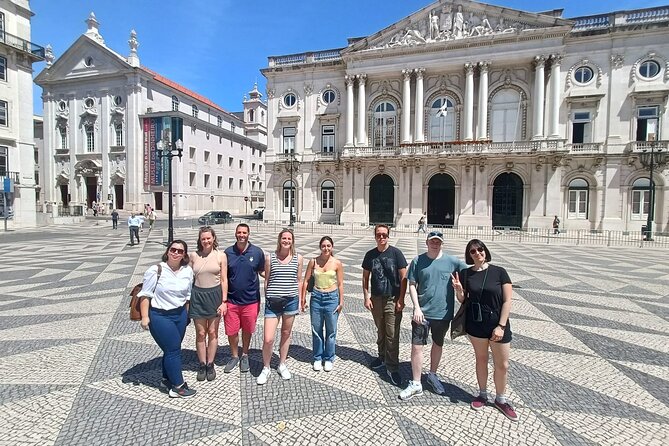
You then visit the Municipal Square, with city hall as part of the setting. The guide uses this stop (about 10 minutes) to explain the end of Portugal’s Monarchy. Even with no “museum” ticket involved, this is history you can relate to because it’s tied to civic space.
This is also a good mid-tour mental break. After the quake and rebuilding stories, you get a political turning point that helps explain Lisbon’s shift into the modern era.
What you might appreciate here: if you like understanding how power changes shape everyday life, this stop gives you a thread to follow. It’s a reminder that Portugal’s story is not only royal romance, it’s political change and public decisions.
Small drawback to watch for: the time windows are tight, so if you’re the type who loves long photo sessions at every corner, you may want to save extra exploring for after the tour ends.
Santa Justa Elevator: the Eiffel connection and a view-oriented finish
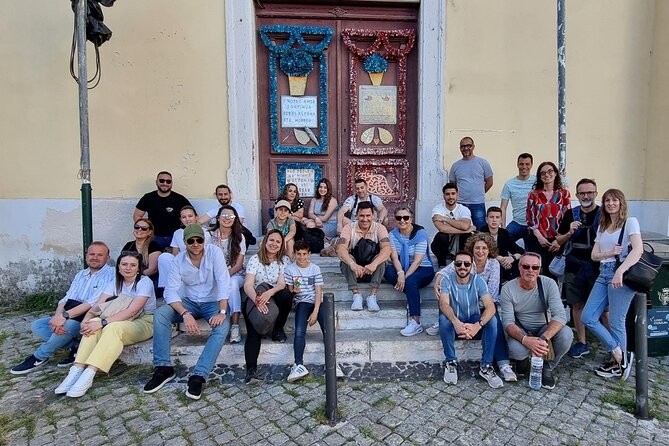
About 7 minutes in, you’ll reach the Elevador de Santa Justa. This one earns attention fast. The tour highlights it as the only elevator of its kind in Portugal, and the guide shares the connection to the Eiffel Tower.
Why this matters for you as a visitor is simple: Santa Justa is a Lisbon “symbol stop” that people recognize, but it’s much better when you know what makes it distinctive. You get a quick explanation, then you can decide if you want to explore it further on your own after.
Right after that, the route heads to Praca Dom Pedro IV, also known as Rossio Square. You’ll spend about 15 minutes here, and you’ll hear how the square has existed since the XIII century. The guide also tells the story tied to the escape of the Portuguese Royal family to a foreign country, plus references to Portuguese Stones.
My advice: Rossio is a natural pause point. Use the stop to look around at how the square feels as a hub, then tuck away what you learned so it clicks later when you wander Chiado.
Igreja de São Domingos, ginjinha, and Casa do Alentejo
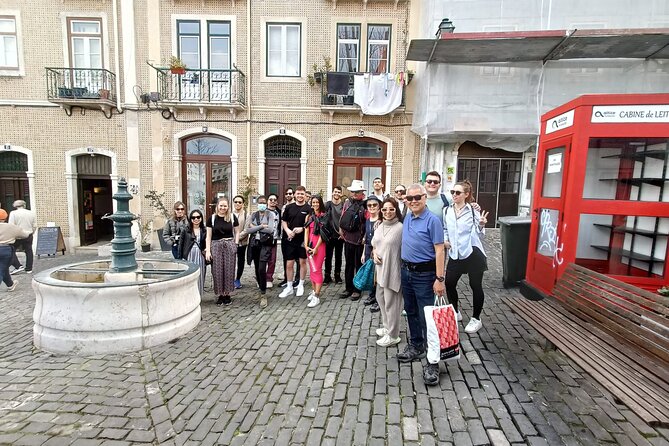
Now the tour starts getting more “alive” in the sensory way. You’ll see Igreja de S Domingos for about 10 minutes. This church is described as one of the most unique churches in the world, and the guide shares one of the saddest episodes in Lisbon’s history associated with it.
Because the stop is short, the guide’s job is to give you the essentials and point you toward what to notice. If you like churches mainly for architecture, you still get something meaningful here: the building connects to events that shaped the city’s emotional memory.
From there, you’ll stop at A Ginjinha for about 10 minutes. This is where the tour turns into a cultural crash course on ginjinha, the best-known liquor in Lisbon. The guide also explains why this shop became an institution in the city.
This is the sort of stop I like because it’s easy to handle during a walking tour. You get a story, then you can decide whether you want to try the drink on your own time.
Finally in this stretch, you’ll visit Casa do Alentejo for about 10 minutes. You’ll learn about Moorish influence in Portugal’s history through the building’s character. Even without going inside, a landmark like this helps you see Lisbon as a layered culture, not just a postcard city.
Consideration: these stops are tightly timed. If you want to linger, do it after the tour when the streets feel less like a checklist.
You can also read our reviews of more guided tours in Lisbon





Avenida da Liberdade and Rossio Station: big-city feel, then Portugal-only style
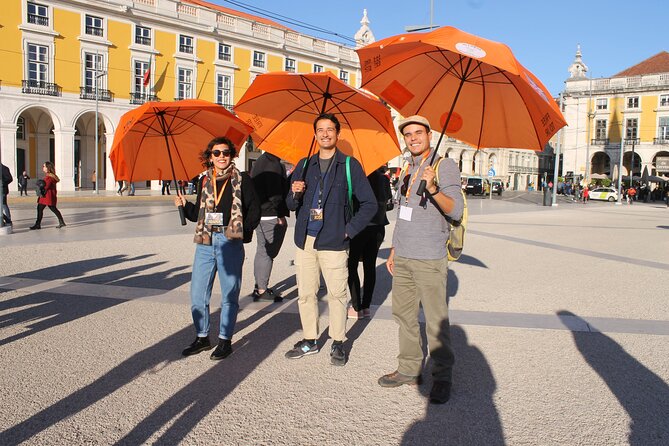
Next comes Avenida da Liberdade, Lisbon’s version of the Champs Elysees. The stop is brief (about 5 minutes), but it’s useful for understanding that the city isn’t all old squares and narrow lanes. You’ll hear when this avenue was built, which helps explain the shift in style and vibe as you move through central areas.
Then you’ll head to Estacao do Rossio for about 10 minutes. The guide focuses on Rossio Station as the first central station in Lisbon and mentions its magnificent architecture style, described as a style found just in Portugal. This is another “look up, then look around” moment. Stations in Europe often double as landmarks, and Lisbon’s is no exception.
Why I think this works on a walking tour: you get transportation history without it feeling like a transit lecture. It helps you understand why certain streets lead where they do, and it gives you a sense of orientation if you’re riding trams or using the train later.
Carmo Square and the unfinished church: dictatorship and revolution in one stop
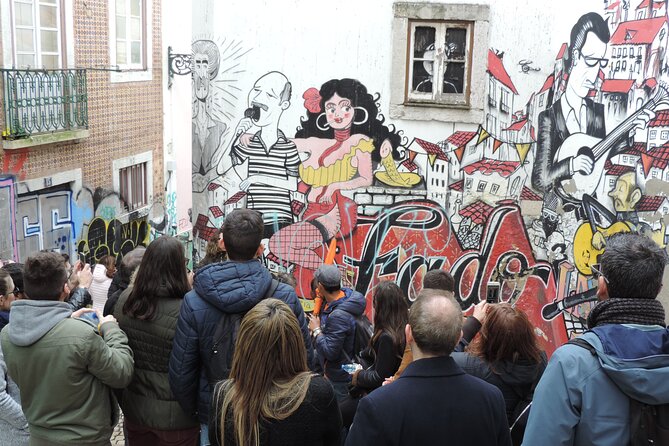
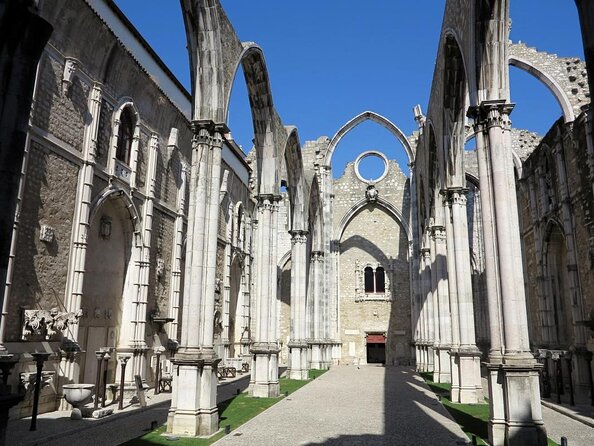
As you reach the Chiado area, you’ll see Museu Arqueologico do Carmo and spend about 15 minutes in the Carmo Square zone. The guide points out why the church is unfinished, and then ties it to stories about the Portuguese dictatorship and the revolution that ended it.
This is where the tour’s balance shows. Yes, you’ll hear about quake and monarchy and famous streets. But you’ll also connect those to the more recent political story that shaped everyday Portugal.
If you’re the type who likes to walk away with context you can explain to friends, this is one of the better stops. It turns a square you might otherwise pass by into a place with meaning.
Practical note: Chiado streets can feel busy and shop-filled. Use this stop as a mental reset, then plan where you want to wander when the tour ends.
Praca Luis de Camões to Miradouro São Pedro de Alcântara: writers, poets, and the best payoff
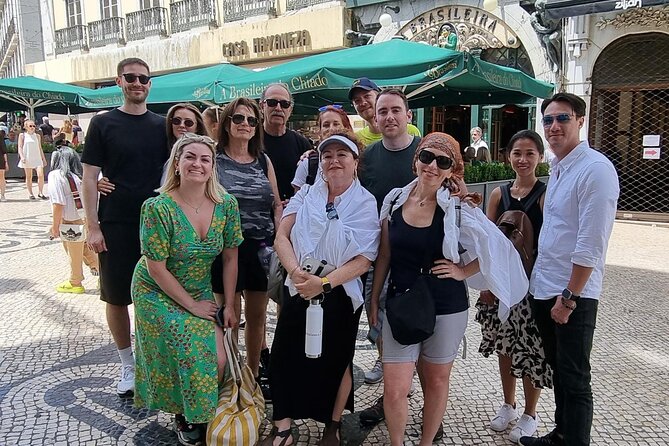
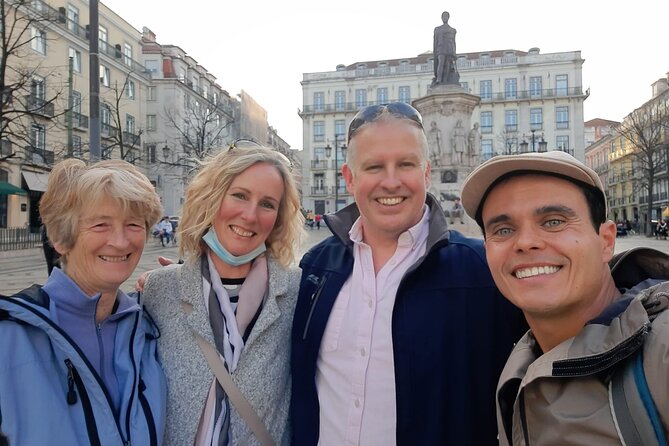
You’ll continue through Chiado and spend about 10 minutes at Praca Luis de Camoes. The guide points out the fancy shops, the famous Café A Brasileira, and explains why it became a meeting point for writers and poets in the XX century. You’ll also hear about Luis de Camões as one of Portugal’s key poets and how the square functions as a meeting point.
This stop is a good pairing with the Carmo story. You go from dictatorship and revolution to writers and poets, which shows how public life continues through art, not just politics.
Then the tour ends at the Miradouro São Pedro de Alcantara viewpoint, for about 10 minutes. This is where the tour cashes in. You’ll enjoy one of the nicest city views from here, and it’s an ideal spot to grab photos before you head off on your own.
Why the ending viewpoint matters: if you’re walking in the center, you want one final “release valve” stop where your legs can rest while you enjoy the view. Ending here also gives you a natural launch point for planning what to do next, since you can see the broader city layout from above.
Who this guided walk suits best (and who should think twice)
This Lisbon highlights tour is a strong fit if you:
- Want a first-day orientation that covers major central landmarks
- Prefer learning through street-level stories, not classroom-style history
- Like a guide who keeps a good pace and shares practical ideas, including restaurant suggestions
- Travel on a budget and still want quality guidance
The tour also works well for mixed ages. Guides on this route are frequently described as engaging with groups that range from teens to grandparents, which usually means they know how to keep the material clear and the pace comfortable.
If you should think twice, it’s mostly about physical comfort. Two and a half hours of walking on uneven Lisbon streets is not hard-core hiking, but it still takes effort. If you have mobility limits, you’ll want to consider whether the hills and cobblestones will be manageable at your speed.
Also, if you hate crowds, note the cap is 20 travelers, which is not huge, but it’s still a group setting. The small-group size helps, though.
Guides on this tour: what makes the experience feel worth it
A big reason this tour gets top marks is the guide style. Names that come up include Jose, Jose Guia, Shiri, and Telma (also referenced as Thelma), plus other guides praised for being friendly and story-driven.
What I’d take from that pattern for your expectations:
- Clear explanations that connect landmarks to real events
- A pace that feels right for a 2.5-hour walk
- Practical tips, including restaurant recommendations, so your sightseeing day feels easier to manage
In Lisbon, the difference between a so-so walk and a great one is often just this: does someone help you notice what you would otherwise miss. Here, the guide focus is exactly on those “why this exists” stories that stick in your head.
Should you book this Lisbon Highlights Guided Walking Tour?
I’d book it if you want a smart, budget-friendly way to get oriented in central Lisbon, learn how major events shaped the city, and end with a viewpoint that makes your photos look effortless. The price-to-time ratio is solid, you get a professional guide, and the route is built around landmarks that most visitors want to see anyway.
Skip it only if you strongly prefer self-guided wandering with zero structure, or if a 2.5-hour walking route through Lisbon hills sounds like a bad trade.
If you’re planning your first Lisbon day, or you just want a focused “greatest hits” overview, this tour is an efficient way to start. You’ll finish with a clearer sense of where you are, what happened here, and where to go next.
FAQ
How long is the Lisbon Highlights Guided Walking Tour?
It runs for about 2 hours 30 minutes.
What language is the tour offered in?
The tour is offered in English.
Where does the tour start and where does it end?
It starts at Praça do Comércio 574, 1100-148 Lisboa, Portugal. It ends at Praça Luís de Camões, Largo Luís de Camões, 1200-243 Lisboa, Portugal, next to the monument.
How much does the tour cost?
The price is $21.72 per person.
What is included in the ticket price?
The tour includes a professional guide and all fees and taxes.
Is admission included for the stops?
The itinerary lists each stop as free admission ticket moments, and the tour includes all fees and taxes.
What is the maximum group size?
This tour/activity has a maximum of 20 travelers.
What happens if the weather is poor?
This experience requires good weather. If it is canceled due to poor weather, you are offered a different date or a full refund.
Is there free cancellation?
Yes, you can cancel for a full refund up to 24 hours in advance of the experience start time. If you cancel less than 24 hours before, the amount paid will not be refunded.
More Walking Tours in Lisbon



More Tours in Lisbon





More Tour Reviews in Lisbon


Not for you? Here's more nearby things to do in Lisbon we have reviewed









Lisbon City Tours, side by side.
 ★ 5.0Lisbon City Center Tour – The Unmissable LisbonTickets from $322,234 traveller reviews
 ★ 4.7Sintra, Pena, Regaleira, Cabo da Roca & CascaisTickets from $2319,656 traveller reviews
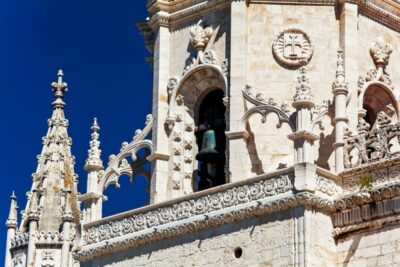 ★ 4.1Jerónimos Monastery Entrance TicketTickets from $2114,164 traveller reviews
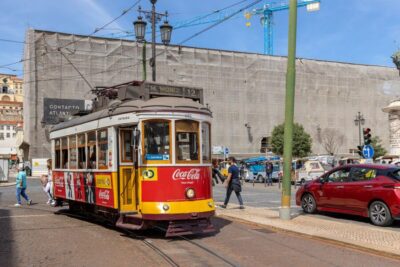 ★ 4.8History, Stories and Lifestyle Walking TourTickets from $2910,902 traveller reviews
 ★ 4.5Sunset Boat Party Cruise with DJ and Open BarTickets from $2710,378 traveller reviews
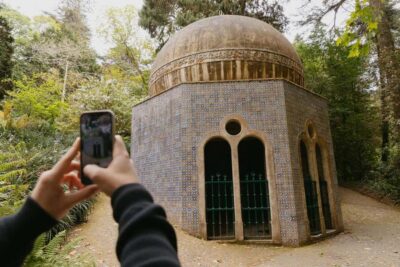 ★ 4.7Pena Palace, Sintra, Cabo da Roca, & Cascais DaytripTickets from $919,981 traveller reviews
 ★ 4.6Oceanário de Lisboa Entrance TicketTickets from $299,943 traveller reviews
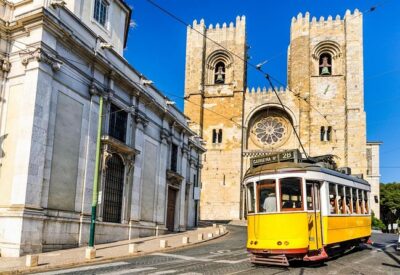 ★ 5.0True 4Hour Private Tuk Tuk Tour: Discover Lisbon with a Local!Tickets from $1088,008 traveller reviews
More useful lists for this tour