

Review · LISBON CITY TOURS
Best of Lisbon Small-Group Guided Walking Tour
Lisbon gets dramatic fast, and this walk connects the dots. In about 3 to 4 hours, you cover Baixa, Chiado, Alfama, and the waterfront area, with an expert local guide who ties the big landmarks to the stories that shaped the city. I especially like that the tour keeps moving, yet builds in pauses for photo moments and snacks, so it feels like sightseeing, not a checklist.
Two things I really like: you get included pastel de nata plus wine tasting and tapa, and you’re in a small group (max 14), which makes it easier to ask questions and follow along on tight streets. One practical drawback to consider is the walking. You’ll be on cobblestones and Lisbon does have hills, so you’ll want comfortable shoes and a moderate pace mindset.
Key Points You’ll Actually Notice
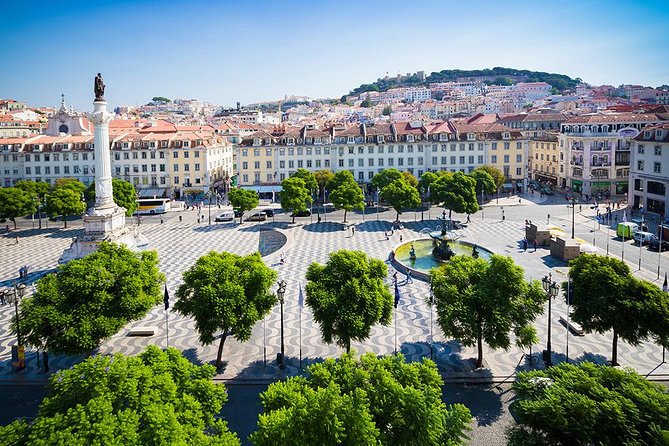
- Small-group feel (max 14): easier questions, calmer pace, and more guide attention
- Classic Lisbon food included: pastel de nata, wine tasting, and tapa, so you’re not searching for a snack mid-route
- Big history in short stops: Restoration War, the Carnation Revolution, and the 1755 earthquake rebuild, explained where you stand
- Views without a long detour: Santa Justa viewpoint and a panoramic pause near Miradouro Chao do Loureiro
- Neighborhood contrast: refined Chiado to old-world Alfama, all in one half-day loop
Where the Tour Starts: Rossio Square, City Nerve Center
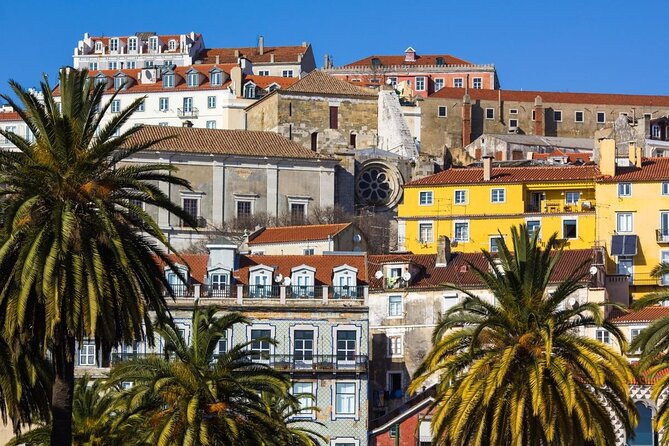
Most Lisbon walks start with a climb. This one starts with a stage.
You meet at Praça Dom Pedro IV (Rossio) in the Baixa area. It is Lisbon’s nerve center, all open space and steady foot traffic, with the kind of energy that tells you you’re in the right place. From here, your guide sets the tone quickly, so you understand what you are about to see before you get lost in the maze of streets.
This is a smart first stop because Rossio is a launchpad. You can orient your eyes as the tour moves outward, and it helps later when you decide where to go on your own. If you’re arriving in Lisbon and want a fast sense of direction, this is the right neighborhood to begin.
You also get your first taste of the tour style here: short explanations, then you’re walking again. It keeps momentum. If you hate standing around waiting for the next explanation, you’ll probably enjoy that.
You can also read our reviews of more walking tours in Lisbon



São Domingos Square and the Church Stops That Keep It Real
Next, you move toward São Domingos Square and the church there. This is one of those stops that doesn’t sound glamorous on paper, but it works on the ground. Lisbon is not just grand facades and view platforms. It is lived-in corners, older squares, and everyday places people pass through.
For me, these moments are what turn a highlights tour into a city tour. The guide’s storytelling gives the area context, and you start noticing patterns, like how the city layout and building styles reflect different periods.
Also, churches and squares are helpful walking breaks. Even when the tour is active, these stops let your legs reset while you keep learning.
Praça dos Restauradores and the Obelisk of Independence

Then you reach Praça dos Restauradores, dedicated to Portugal’s independence from Spain in 1640. In the middle stands an obelisk, inaugurated in 1886, marking battles from the Portuguese Restoration War with names and dates.
This is a great example of the tour’s value: it picks a concrete visual, the obelisk, and uses it to explain a complicated chapter of Portuguese history without turning it into a lecture hall. You’ll leave with the story attached to a landmark, not just a date you forgot later.
If you like history that feels connected to streets and architecture, this stop is a payoff. If you only care about photos, the obelisk and the surrounding square are still worth a few minutes.
Rossio Train Station, Manueline Details, and the Sintra Link
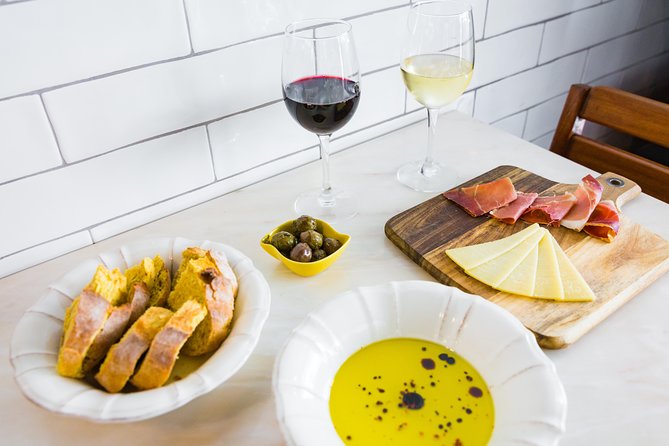
From the independence square, you head to Estação do Rossio. This is one of the most impressive buildings on Lisbon’s historic center, and the exterior is inspired by Manueline architecture. That style shows up in Lisbon in lots of symbolic ways, and seeing it in a train station makes it feel less like museum talk and more like a living city.
Your guide also connects the building to what it does. You learn about how the trains head into the tunnel toward Sintra, and how the engineering of the route made Portugal’s rail links possible. It’s one of those stops that rewards you even if you are not a train person.
A practical note: station areas can get crowded. The tour is small-group sized, so you should still manage without feeling swallowed.
Largo do Carmo and the Carnation Revolution Moment
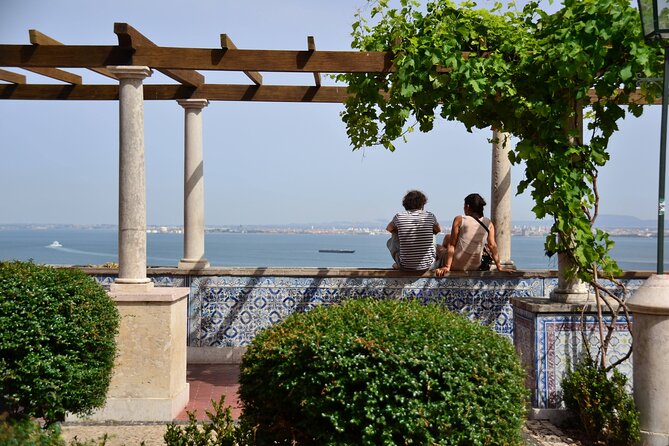
After the open-square energy, the tour shifts to Largo do Carmo, a small square linked to both an older convent history and the Carnation Revolution in 1974.
This is the emotional pivot of the route. The guide explains how Portugal’s previous dictatorial regime collapsed after 48 years. It’s not heavy in the sense of depressing details nonstop, but it is serious enough that you notice the space and the symbolism.
If you want to understand modern Portugal, this is one of the best stops on the whole walk. It ties Lisbon’s past to the political change that shaped daily life long after the fighting ended.
It also works as a mental reset before the tour moves toward more relaxed, scenic neighborhoods.
You can also read our reviews of more guided tours in Lisbon






Elevador de Santa Justa for the View Break

Next comes Elevador de Santa Justa. Even if you do not ride it, the area is worth it because it is a classic Lisbon viewpoint moment. The tour uses this stop to give you a high-position perspective, the kind that makes Lisbon’s hills and rooftops click into place.
You’ll often feel the tour “tighten” right around here: you have walked through several historic areas, and now you get that view that helps you picture where everything sits. It makes the rest of the walk easier to follow.
And yes, it is another reminder that Lisbon likes vertical living. Plan for stairs and uneven ground, especially if you’re traveling with slower mobility.
Chiado, Rua Augusta, and Lisbon’s Elegant Middle Layer

From the viewpoint area, the route reaches Chiado, then moves through the Rua Augusta corridor (the central street that anchors the downtown flow). Chiado is known for boutiques, theaters, bookstores, and vintage cafés, shaped in the 19th century for the city’s intellectual and wealthy elites.
What’s fun about covering Chiado as part of a walking tour is the contrast. You just moved through revolutionary history and viewpoint altitude. Then you land in a neighborhood that feels like polished culture and shopping streets, with plenty of places to pause.
Your guide keeps you moving, but you get time to observe the shopfronts and facades that survived over the years. Even if you do not plan to shop, it’s a lesson in how Lisbon preserves style while staying practical.
Rua Augusta then becomes your visual compass. It is a main artery in the city center, and walking it helps you understand how the downtown is structured for foot traffic and daily life.
Baixa Rebuilt After 1755: Urbanism You Can See
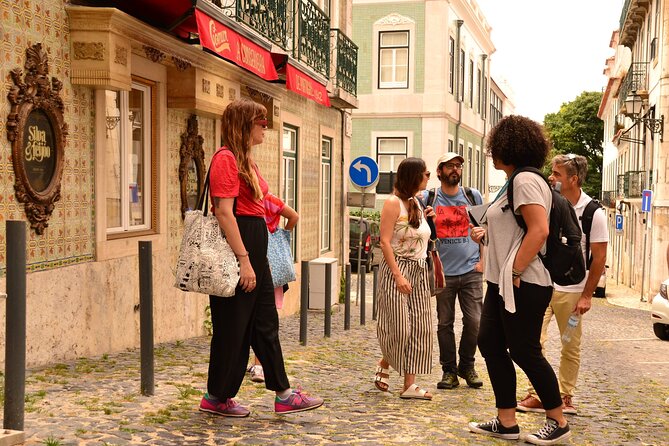
Now you hit one of the most important Lisbon stories, the rebuilding after the 18th-century earthquake. The tour spends time in Baixa de Lisboa, explaining how the area was rebuilt with new rules of urbanism and anti-seismic architecture, using innovative solutions for its time.
This is where the tour becomes more than a “pretty streets” walk. Lisbon’s rebuilding plans shaped streets, blocks, and how the city works. You can stand in downtown Lisbon and see the result in the way the area is laid out.
It’s also why this tour feels practical for future planning. Once you understand why the downtown looks the way it does, you’re less likely to get turned around later when you’re trying to reach viewpoints, museums, or transit hubs.
The tour adds another short scenic pause near Miradouro Chao do Loureiro for a panoramic view. It’s a smart pacing decision. After explaining a technical urban story, you get a visual reward.
Alfama: Moorish Heritage, Fado Mood, and Narrow Street Reality
Then the route shifts to Alfama, Lisbon’s oldest neighborhood, known for Moorish heritage and fado music. You’ll walk winding streets and pass fado restaurants tucked between alleys, and your guide explains how fado’s melancholic mood connects to Portuguese identity.
This part of the tour is less about architecture details you can Google later, and more about atmosphere you feel while you walk. Narrow lanes, steep bends, and small-scale street life make Alfama instantly different from Baixa and Chiado.
I also like that the tour doesn’t overpromise. You do not spend half the day waiting to get into one attraction. You move through the neighborhood and learn how to recognize the vibe, so you can keep exploring after the tour ends.
Important consideration: Alfama is where walking gets less forgiving. Cobblestones and hills are part of the experience. If you’re expecting a fully flat route, plan to take it slow and listen to your guide’s pacing.
Praça do Comércio, the Atlantic Welcome, and the 1755 Rebuild
The tour finishes at Praça do Comércio (also known as Terreiro do Paço). This square sits near the Tagus River, and it is where Lisbon historically welcomed travelers arriving from the Atlantic.
Your guide connects the space to the past royal presence. The Royal Ribeira Palace was located here until it was destroyed by the 1755 earthquake. After the earthquake, the square was remodeled as part of the rebuilding of the Pombaline Downtown.
This closing stop is a strong ending because it brings you back to the big picture. You’ve traveled from independence memorials and revolution sites to rebuilt downtown logic, then down into the riverfront context. Now you see how all those stories link to Lisbon’s role as a gateway city.
Once the tour ends, this is also a convenient spot to keep going on your own. The waterfront energy is obvious, and you’re already in the right place to continue with self-guided exploring.
Food, Wine, and Why the Included Stops Matter
A lot of walking tours are “free look, pay later.” This one is more generous, with pastel de nata, plus wine tasting and tapa, and snacks included. That matters because it protects your schedule.
If you’re only in Lisbon for a short time, it can be hard to fit food stops into a sightseeing plan without losing time. Here, the included bites are built into the route, so you can walk without constantly checking menus or searching for places that are open.
It also helps if you want a taste of Portuguese flavors early in the trip. You are not just collecting views. You’re getting the city’s food culture at the same time.
One more practical point: one of the guide experiences shared in feedback was about accommodating dietary needs like vegetarian requests. If you have food restrictions, it’s worth mentioning them ahead of time so the included sampling fits your needs.
Price and Value: What $23.94 Actually Buys You
At about $23.94 per person, the value here comes from three things.
First, you get a guided route that covers a lot of central ground in 3 to 4 hours. That’s a good length for jet lag days or first-day orientation, but it’s still long enough to feel like you learned real stuff.
Second, the group size is limited to up to 14 travelers. That usually means less chaos on narrow sidewalks and more personal question time. You’re not shouting over a crowd.
Third, the included food portion adds real money value. Pastel de nata plus wine tasting and tapa is not just a snack. It’s part of the pacing and the overall experience. You’re paying for guidance plus a small food itinerary.
Could you see these places on your own? Yes. But Lisbon is confusing if you do not know how to connect the history to the geography. This tour helps you understand what matters, where to stand, and what to remember.
Who This Tour Fits Best
This walking tour is a strong fit if you want:
- A first pass at Lisbon’s central layout, without hopping between far-flung stops
- A mix of squares, viewpoints, and neighborhoods, including Alfama and the riverfront
- Included food and a short wine tasting portion
- A guide-led story so you understand the why behind the where
It may be less ideal if you want a deep museum day or if your must-see list includes specific major churches and attractions not included as stops on this route. One thing to watch for is Lisbon Cathedral. This itinerary focuses on squares and viewpoints rather than listing it as a stop, so if it’s a priority, plan a separate visit.
Should You Book This Walking Tour?
I think it’s an easy yes for most first-time Lisbon visitors. You get an efficient sweep of the city’s key areas, strong photo spots, and included food that keeps the whole walk from feeling like just walking.
Book it if:
- You want orientation fast, especially on a first or early day
- You like history explained right where it happened
- You’re happy to do a half-day walk at a moderate pace
Skip it or plan extra time if:
- You want museum entry experiences (this route does not include museum or monument entry fees)
- You are traveling with limited walking tolerance and want fewer hills or fewer cobblestones
If you want to understand Lisbon quickly and taste it along the way, this small-group loop from Rossio to Praça do Comércio is a practical way to start.
More Walking Tours in Lisbon




More Tours in Lisbon





More Tour Reviews in Lisbon



Not for you? Here's more nearby things to do in Lisbon we have reviewed











Lisbon City Tours, side by side.
 ★ 5.0Lisbon City Center Tour – The Unmissable LisbonTickets from $322,234 traveller reviews
 ★ 4.7Sintra, Pena, Regaleira, Cabo da Roca & CascaisTickets from $2319,656 traveller reviews
 ★ 4.1Jerónimos Monastery Entrance TicketTickets from $2114,164 traveller reviews
 ★ 4.8History, Stories and Lifestyle Walking TourTickets from $2910,902 traveller reviews
 ★ 4.5Sunset Boat Party Cruise with DJ and Open BarTickets from $2710,378 traveller reviews
 ★ 4.7Pena Palace, Sintra, Cabo da Roca, & Cascais DaytripTickets from $919,981 traveller reviews
 ★ 4.6Oceanário de Lisboa Entrance TicketTickets from $299,943 traveller reviews
 ★ 5.0True 4Hour Private Tuk Tuk Tour: Discover Lisbon with a Local!Tickets from $1088,008 traveller reviews
More useful lists for this tour