
Review · ALFAMA TOURS
Alfama Walking Tour Lisbon
Lisbon climbs uphill, even on purpose. This Alfama walking tour strings together Rossio, Alfama viewpoints, and the Lisbon Cathedral area, with stories about how the city survived big destruction and rebuilt. You also get a short look at Lisbon’s famous theater from the street.
I especially like the price for the guidance. At about $0.35, you are paying for an expert local guide and legend-filled storytelling, not museum ticket fees, and the listed admissions at the stops are free.
One thing to plan for: it is a walk with hot-weather energy. The route includes hills and only brief time at each landmark, so bring sunscreen and a hat and be ready for a steady pace.
Key Points You Should Know
- Expert local guide with history, legends, and earthquake and rebuilding context
- Free entry at every listed stop, so your money goes to the tour experience
- Miradouro Portas do Sol viewpoint stop in the Alfama heart
- Multiple famous Lisbon icons, including the cathedral area and Castelo de Sao Jorge
- English mobile ticket plus confirmation at booking time
- Big group limit up to 100, so you will want to stay close to the guide
Starting at Praça Dom Pedro IV, then into Rossio and Alfama
The tour begins at Praça Dom Pedro IV (1100 Lisboa), an easy landmark to find and a solid “first anchor” before you start climbing. From there, the walk takes you through key areas that lead you toward Alfama, and that matters because Lisbon is not laid out for straight lines. You want context early, and you get it.
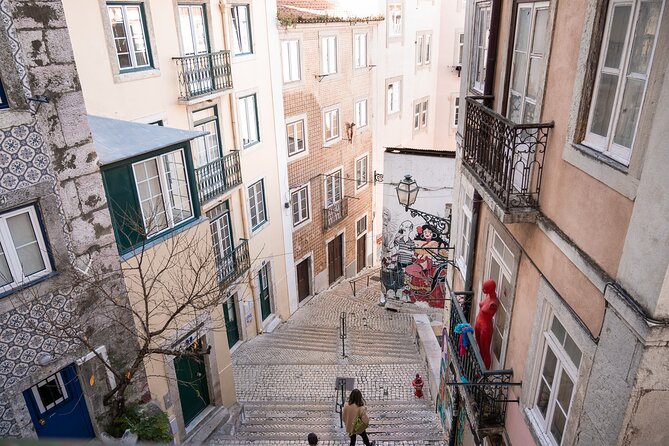
Right away, your guide frames what you are about to see: narrow streets, viewpoints, and why this part of Lisbon feels different from the flatter city edges. This is where I start to appreciate the tour’s focus on story, not just sightseeing. You are learning how Alfama’s streets, viewpoints, and major religious sites connect, and the guide ties it all back to Lisbon’s past destruction and rebuilding.
You also get a very practical benefit here. Since the walk is about 2.5 hours, you do not need a whole day to get oriented. If it is your first time in Lisbon, this is a fast way to understand what “uphill Lisbon” actually means, and where the best angles are for photos.
You can also read our reviews of more walking tours in Lisbon



Rossio to Miradouro Portas do Sol, where the views explain the hills
One of the tour’s best “value moments” is the stop near Miradouro Portas do Sol. Alfama viewpoints are not just scenic perks. They show you why people built homes where they did, and why the city’s shapes make sense when you look down and across.
At this point, you are walking through the part of Lisbon where streets bend, lines disappear, and you feel how the hills control movement. That is the real lesson. Even if you only spend a short time at each spot, the viewpoint stop gives your brain a map.
I like that the pacing includes enough walking to feel like you are actually moving through the neighborhood, but not so much that you are totally spent by the time you reach the landmark clusters. Still, plan to slow your steps a bit on the inclines. The guide will keep the group moving, and your best strategy is to take shorter steps and stay hydrated.
Tip I would follow: pack sunscreen and a hat. One guide style you may encounter is “friendly and funny but also practical,” meaning they will nudge you about the heat and encourage water breaks.
Teatro Nacional Dona Maria II, a quick outside look with big presence
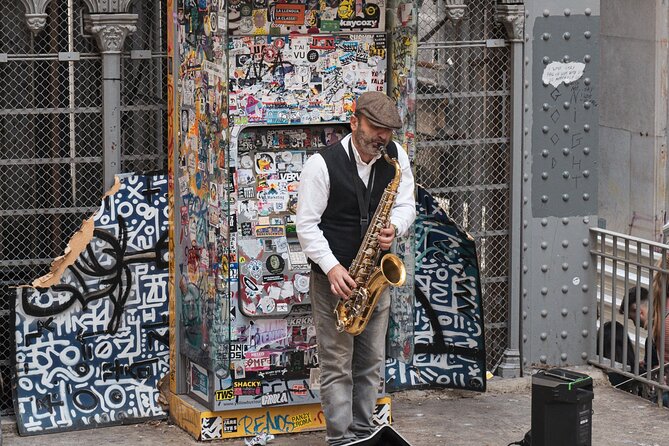
Next you get Teatro Nacional Dona Maria II, mainly from the outside. Expect a brief stop, not an interior visit, with the guide explaining why this theater is a big deal in Lisbon’s cultural identity.
Why this matters: if you skip it entirely, you miss a clue about Lisbon’s public life. Alfama is often pictured as old stone and small lanes, but Lisbon also has stage life, civic culture, and an ongoing sense of performance. Getting the outside view here helps the story feel more complete.
This is also a “breather” stop in the middle of moving days. It is short, so you are not stuck in one spot, but it gives your legs a chance to reset while your guide keeps the narrative rolling.
Igreja de S Domingos, going inside for history and context
Then the tour shifts from street-level landmarks into the inside of Igreja de S Domingos. This stop is where you get the kind of moment that makes a walking tour worth it, because churches are built to reward attention. Your guide goes inside and shares history and facts, and you get time to look around rather than only snapping photos and moving on.
Even if you are not a “church person,” I think this is a strong stop because it anchors the tour in a human timeline. The guide connects the setting to Lisbon’s survival and change over time, and you start to understand why so many major structures ended up concentrated around older centers.
The only consideration here is simple: religious spaces can have active schedules. If you arrive during something ongoing, follow your guide’s cues and be respectful with your volume and movement.
Castelo de Sao Jorge, a short visit that sets up return trips
Castelo de Sao Jorge is the big name on the walk, and you do not spend a marathon amount of time here. The stop is listed as brief, but it is still valuable because it puts you on Lisbon’s highest dramatic viewpoint zone.
What I like about this quick format is that it can help you decide what to do next. If Castelo de Sao Jorge is on your must-see list but you are unsure about how much time you want to commit, this short stop gives a taste and a sense of layout. It is like trying on the idea before buying the full experience.
One extra detail that helps you appreciate the stop: you are told the area has evidence of occupation going back to very ancient times, with fortifications dating back to early centuries before the common era timeline commonly cited for the rest of Europe. That long arc makes the castle feel less like a single monument and more like a continuous strategic site.
If you want a deeper castle day, you will likely come back later with more time. This tour can serve as the “setup” visit.



The storytelling focus, especially earthquake and rebuilding lessons
This tour is built around stories and legends, and it specifically includes history of earthquake and destructions in the past. That is not a random theme. Lisbon’s modern look owes a lot to what happened, and Alfama is one of the neighborhoods where you can feel the city’s layers.
When a guide connects damage and rebuilding to the way streets and structures evolved, the neighborhood stops being a postcard set. It becomes a place shaped by survival. You start noticing why certain streets look the way they do, why certain areas feel central, and why religious and civic buildings remain important anchors even as styles and needs change.
From the guide styles shared in the experiences I saw, you may encounter different pacing, but the goal stays the same: history you can actually follow. Some guides are especially friendly and funny, and that matters on a hot day when attention can wander. Others may speak fast, so your best move is to ask a follow-up question if something does not land on first pass.
Price and value: paying for a guide, not a ticket stack
At about $0.35 per person, this is one of those rare deals where your money is almost entirely for time with a local guide. The stops are listed with free admission tickets. In other words, you are not layering cost on top of cost while walking around central Lisbon.
That also affects what kind of traveler gets the most value. If you enjoy history explained in plain language and want a guided route through Alfama, you will feel like you bought something meaningful, even though the price is tiny.
If you are only chasing monuments and you prefer self-guided pacing, the value might feel lower, because the time at each landmark is limited. But for most people, the tradeoff is fair: you get route guidance, stops in the right order, and context fast.
One more “value bonus” listed: discounts for other tours in the day and nights. If your schedule allows, this can help you build a bigger Lisbon plan without paying full price for everything.
What to expect from the group and the timing
The walk is around 2 hours 30 minutes. That time window is long enough to feel like a real neighborhood route, short enough to still enjoy the rest of your day.
Group size max is 100, so this is not a tiny private stroll. It is big enough that you should expect some movement through crowds, especially near major sights like theaters and church areas. Staying close to the guide is your best strategy for hearing the key points and not losing the group.
The tour also uses a mobile ticket, and you receive confirmation at booking time. That keeps it simple if your itinerary changes at the last minute.
Language is English, so you can expect the narration and facts to be tailored to English speakers.
Smart planning: what to bring and what to pair it with
Here is my practical advice for a tour like this in Lisbon’s summer rhythm:
- Wear comfortable shoes with grip for cobblestones and slopes.
- Bring water and use any short drink pauses your guide suggests.
- Pack sunscreen and a hat since the route can be hot.
- Expect only brief time inside or at each landmark, then plan separate longer visits if something grabs you.
Pairing idea: do this early in your trip. It helps you learn where Alfama’s viewpoints are and how the cathedral area fits into your “Lisbon map.” Then, later on, you can return on your own for the parts you want more time at, especially around Castelo de Sao Jorge and nearby views.
Also, since transport tickets are not included, check how you will get to Praça Dom Pedro IV and how you will finish near Lisbon Cathedral. The meeting point is near public transportation, which helps keep logistics easy.
Who this Alfama walking tour suits best
This is a great fit if you:
- want a guided orientation of Alfama in a half-day chunk
- like history stories with legends and city survival context
- prefer walking routes over hopping between rides
- value low cost and hate wasting time on long ticket lines
You might not love it as much if you:
- hate hills and would rather drive between stops
- want long interior time at multiple major monuments in one day
- plan to do everything strictly on your own without a guide’s direction
Guides can make a difference. From named examples like Natalia, Belen, Guilherme, Ana, Vivian, and Valérie, the pattern is clear: people respond strongly to guides who explain history in a way that stays fun and understandable. If you get a guide with that style, this walk tends to feel effortless.
Should you book this Alfama Walking Tour in Lisbon?
Yes, I would book it if you want a low-cost way to get your bearings in Alfama, learn the earthquake and rebuilding story that shaped Lisbon, and see viewpoints like Miradouro Portas do Sol without spending half your day on tickets. The short stop format can actually be a win, because it lets you choose later what deserves more time.
Book it with one expectation: this is a walking orientation with brief landmark windows, not a deep, slow museum day. If you show up prepared with sun protection and comfortable shoes, it is exactly the kind of guided route that makes Lisbon feel easy to understand fast.
FAQ
What is the duration of the Alfama Walking Tour Lisbon?
The tour is listed at approximately 2 hours 30 minutes.
How much does the Alfama Walking Tour Lisbon cost?
The price is listed as $0.35 per person.
What language is the tour offered in?
The tour is offered in English.
Where does the tour start and end?
It starts at Praça Dom Pedro IV, 1100 Lisboa, Portugal. It ends at Lisbon Cathedral, Largo da Sé 1, 1100-585 Lisboa, Portugal.
Are entrance tickets included for the stops?
The listed admissions for the stops are free, and the tour includes an admission ticket free note at each stop.
What is included in the tour price?
Included are an expert local guide, a walking tour of about 2.5 hours, intriguing stories and legends, history of earthquake and destructions, and discounts for other tours in the day and nights.
What is not included?
Alcoholic beverages and wine or ginjinha tasting are not included, and any transport ticket is not included.
Is the tour group size limited?
Yes, the tour has a maximum of 100 travelers.
What is the cancellation policy?
You can cancel for a full refund if you cancel at least 24 hours in advance. If you cancel less than 24 hours before the experience starts, the amount paid is not refunded. The experience also requires good weather, and if canceled due to poor weather, you are offered a different date or a full refund.
More Walking Tours in Lisbon



More Tours in Lisbon



More Tour Reviews in Lisbon
Not for you? Here's more nearby things to do in Lisbon we have reviewed









Alfama Tours, side by side.
 ★ 5.0Alfama Tour in Lisbon Old TownTickets from $34,936 traveller reviews
 ★ 5.0Private Lisbon Sightseeing Tuk-Tuk Tour: Alfama, Belém & MoreTickets from $524,277 traveller reviews
 ★ 4.8Hills, Alfama, and Mouraria Tour by Electric BikeTickets from $253,438 traveller reviews
 ★ 4.9Best of Lisbon Walking Tour: Rossio, Chiado & AlfamaTickets from $232,700 traveller reviews
 ★ 5.0Lisbon Small-Group Food Tour with 18 Tastings in Alfama DistrictTickets from $1261,967 traveller reviews
 ★ 4.5Lisbon E-Bike Tour Commerce Square, Mouraria and AlfamaTickets from $301,688 traveller reviews
 ★ 5.0Old Town TukTuk Tour and Scenic Viewpoints in AlfamaTickets from $35974 traveller reviews
 ★ 4.4Alfama Tour and Live Fado with Traditional DinnerTickets from $58970 traveller reviews
More useful lists for this tour