
Review · PRIVATE
10 Days Private Tour in Portugal
Portugal is best when someone shows you the shortcuts.
This private 10-day tour is built for that, with an escorted guide who explains what you are seeing and why it matters, from Lisbon’s earthquake-rebuilt grid to tiny villages like Monsanto. I especially like the private, escorted pace and the way the itinerary balances big-name sights with culture details you usually miss on your own. One thing to plan for: admission fees and meals are not included, and several major stops list tickets as extra.
You are getting a true car-based tour, so expect a lot of sightseeing days and some time on the road. If you hate early starts or you want total freedom to linger, this may feel structured.
Key things that make this tour worth your attention
- Private guide focus: You get explanations and context as you move from place to place, not just photos and headings.
- Lisbon beyond the postcards: Earthquake rebuilding, Alfama’s alley life, and Belém’s Age of Discovery landmarks in one day.
- Sintra and the coast in sequence: Pena area palaces, then Cabo da Roca, then Cascais and Estoril views along the shoreline.
- Alentejo flavor stops: Cork production, a tailored winery tasting, and Evora’s dramatic Chapel of Bones.
- Porto’s best “walk and look” hits: Sao Bento tiles, Clerigos Tower, Livraria Lello, churches, Bolsa Palace, and port cellars.
- North Portugal holy places and viewpoints: Bom Jesus do Monte, a water-powered funicular ride, and Douro Valley viewpoints.
Private, escorted days, not just a drive and a drop
The biggest difference on a private tour is what happens between the stops. Here, the tour is designed around an actual guide who stays with you, shares the local connections, and points out the little “why” behind the main sights.
You also get the practical benefits of traveling by car: you can move efficiently between far-flung regions like Sintra, Evora, Coimbra, Porto, and the Douro. That matters because Portugal is not tiny, and public transport connections between some of these places can be time-consuming.
One more plus I like: named service is part of the experience. In recent feedback, people highlighted guides meeting them at Lisbon Airport, including Manuel da Silva, and the operation being directed by Hugo. That kind of personal touch usually shows up in how smoothly your day runs.
You can also read our reviews of more private tours in Lisbon



Lisbon in a day: Baixa’s straight streets, Alfama’s lanes, Belém’s grand finish
Lisbon day is built like a story with changing scenery.
You start in Baixa de Lisboa, the area redesigned after the 1755 earthquake. The key idea is the anti-seismic logic, with straight, perpendicular streets and an organized layout around Rua Augusta. Even if you do not geek out on urban planning, it helps you “see” Lisbon with fresh eyes, like the city is a map of survival.
Next comes Castelo de Sao Jorge. Saint George’s Castle is one of the few Arab-era remnants you can still feel in Lisbon, along with the layered history from Romans onward. If you do not want to do the full climb, you can time it so you still get a major view from Miradouro de Nossa Senhora do Monte. Either way, the viewpoint angle is what you will remember.
Then you slide into Alfama, the oldest Lisbon quarter. This is where narrow alleys and the old defensive layout make sense in real space. And this is also the origin setting for fado, the music tied to Lisbon’s saudade, and especially linked to life in Alfama’s neighborhood mood.
Finish in Belém, where you get the Portuguese Golden Age vibe: Jerónimos Monastery, Belém Tower, and the Monument to the Discoveries. The final move is very Portugal, not just very famous: the Pastéis de Belém factory visit. It is a smart way to end, because you are not just eating a pastry, you are connecting it to place and tradition.
Practical note: this day has walking and viewpoints, so bring shoes you can trust for uneven streets and stairs.
Castelo views or full castle time: how to choose in Sao Jorge
This tour gives you a flexible feel on Sao Jorge Castle. If the castle itself is a must, you can go in and get the full monument experience. If you prefer less walking and more skyline time, you can focus on the best exterior view from Miradouro de Nossa Senhora do Monte.
I like having that choice built into the flow. Sometimes the climb is worth it. Sometimes you would rather preserve energy for Alfama and Belém later in the day. Either approach still keeps you anchored to the Lisbon “story” you came for.
Sintra and the Atlantic edge: Pena area choices, Cabo da Roca, Cascais, Estoril
Day two is a classic Portugal pairing: grand palaces and dramatic coastline.
Sintra starts with the Centro Historico, where narrow lanes and regional shops create that older, slower feeling. You are pointed toward Piriquita pastries, including queijadas de Sintra and travesseiros de Sintra. I like these stops because they make sense in your route. You are not detouring randomly for food. You are eating what the town is known for, while you are already inside its rhythm.
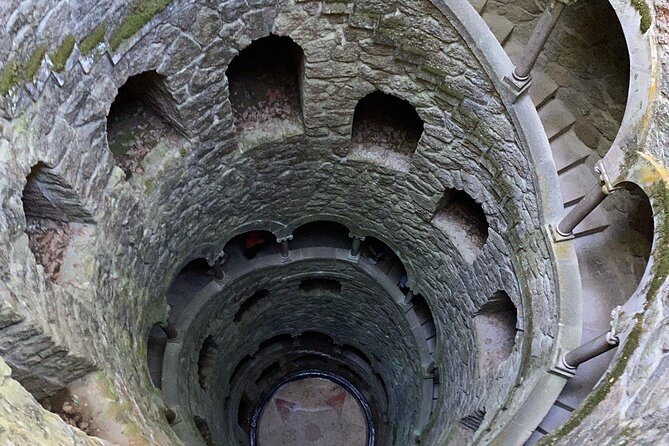
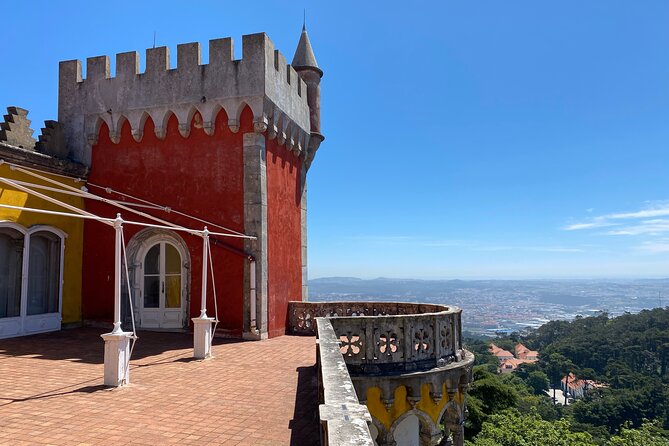
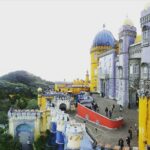
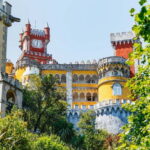
Then comes the Park and National Palace of Pena area. The guide frames this as a choice among palaces you might prioritize. You may see Quinta da Regaleira suggested too, plus the Moorish Castle as a reminder that Islamic influence shaped this region from centuries ago. And, of course, Palácio da Pena is the romantic reconstruction that makes Sintra feel like a fantasy set.
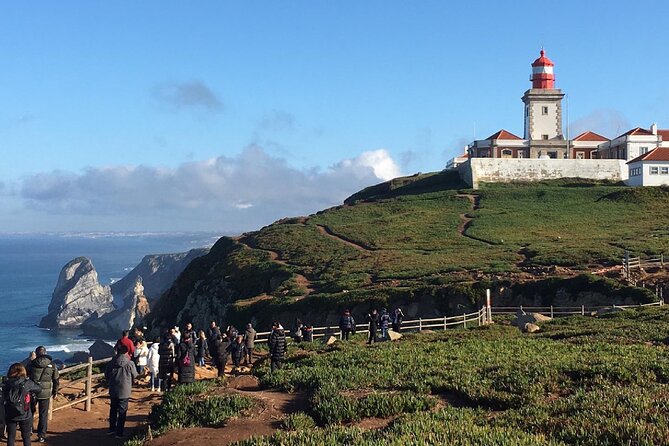
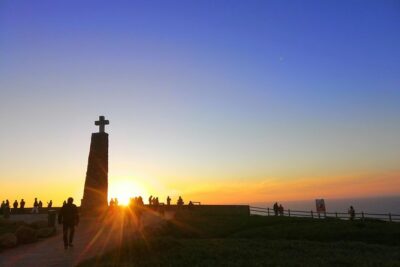
After palaces, you go straight to Cabo da Roca, the Snout of the Rock. The big payoff is the sense of place, where land meets open Atlantic sea. You will also learn why Portuguese poets referenced it, and you can follow ecological rails if you want extra time on foot in the Serra de Sintra Natural Park area.
Then you wind through Cascais, from fishing village roots to modern beach resort life. The tour continues with Estoril, including the coastal road back toward Lisbon along the Marginal road for ocean scenery.
Practical note: Sintra and the coast can change with weather fast. If visibility drops, you will still get the route and viewpoints, but you may need to stay flexible.
Evora and Alentejo: cork craft, a tuned winery visit, and a village with ghostly walls
Day three is where Portugal starts to feel less like monuments and more like materials and local craft.
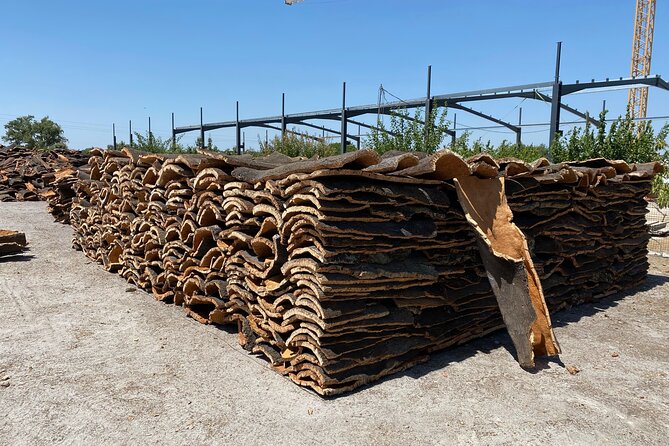
You begin at Corticarte, an art and cork production stop. The tour explains the cork process from the cork oak tree, including timing and extraction logic, and why cork is prized for heat, cold, and fire resistance. It is also the kind of stop that makes you realize this is not just a “souvenir country.” Portugal produces a lot of cork worldwide, and that industry is tied to real landscapes and real labor.
Next is a personalized visit to a winery in the Alentejo region, specifically Ervideira. The tasting format includes white, rosé, and red wines, plus regional foods like Alentejo bread, sheep’s cheese, sausages, and toast with olive oil and oregano. Even if you do not consider yourself a wine expert, the guide-style explanation helps you understand what you are tasting.
Then Evora brings you two major impressions back-to-back. First is the Chapel of Bones, where walls and pillars are lined with bones and skulls from more than 5,000 monks. It sounds dark until you realize it is meant to force reflection on mortality and life.
Right after that, you get the Roman side with the Temple of Diana, plus nearby aqueduct context. Finally you walk through Praca do Giraldo, where Roman, Arab, and royal-era layers overlap in the square’s role as a public meeting point.



Obidos and Fatima, then Coimbra: medieval walls to baroque library glamour
Day four is a packed day with big emotional tone shifts, and that is exactly why it works.
Obidos feels like stepping into a time capsule. The UNESCO World Heritage setting of whitewashed medieval streets and defensive character makes it instantly memorable. You also get the political story behind it, tied to Templars and later to Portuguese royal tradition, including the wedding gift connection between King Dinis I and Queen Isabel. Even small details like references to the House of Queens help you connect the village to broader national history, without turning it into a lecture.
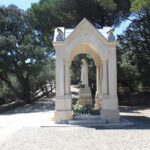
Then it is straight to Fatima, a major Marian shrine. You visit the Cova da Iria area with the two basílicas and the Chapel of the Apparitions. The tour focuses on Our Lady of the White Rosary, the Holy Trinity Basilicas, and the tombs connected to the three shepherd children and Sister Lucia. It is a place where the design and scale matter, not just the religious meaning.
After that, you shift to Coimbra and the university world, starting with the Biblioteca Joanina at the University of Coimbra. This is an easy place to fall in love with because baroque library rooms look like theater boxes. The library’s construction timeline and fresco ceiling decoration details help you understand the grandeur without needing a history degree. Then you walk into Se Velha de Coimbra, the split between High and Baixa areas tied to clergy, nobility, and later student life.
Practical note: some Coimbra ticketed highlights are listed as not included, so plan your budget for entry fees.
Aveiro canals and Costa Nova striped houses: lighter day, strong character
Day five gives you a break from the heaviest monument days. It is still busy, but the focus is on charm.
Aveiro is described as the Portuguese Venice, driven by canal life and colorful moliceiro boats. You learn what moliceiro boats were used for, including transportation of salt and moliça, sea algae used in other industries. As you walk the cobblestone streets, the Art Nouveau and Art Deco buildings add personality, and Aveiro market culture and local sweets are woven into the route.
Then you go to Costa Nova, known for colorful striped haystack houses on the beach. Originally they supported fishermen’s storage needs. Later they became summer homes for Portuguese visitors. I like this stop because the visual identity is clear fast. You do not need to decode much to feel why people take photos here.
If you want more time, consider optional moliceiro boat riding, but keep in mind it depends on what is available when you arrive.
Porto day: tiles, towers, churches, Bolsa Palace, and port cellar time
On day six, Porto hits hard, in the best way.
You start in Boavista with panoramic views and a focus on Casa da Musica, known for its bold, angular modern design. It is a nice contrast with the older, denser city center you hit afterward.
Then the classic Porto walk begins with Torre dos Clerigos and the Clerigos area. The guide points out places like Cordoaria Garden and the Victoria District tied to the last Jewish quarter. The tower itself rises to 76 meters, and the chime of 49 bells is part of the experience, even if it surprises you the first time.
Next is Livraria Lello. It is famous for its staircase and visual drama, and recent feedback linked it to JK Rowling’s time in Porto and the idea that it fueled creative inspiration. Even if you are not chasing Harry Potter connections, the bookstore is one of the best “small interior” stops in the city.
From there, you go to Sao Bento Railway Station, where 20,000 tiles by Portuguese artist Jorge Colaco act like an open book. It visually connects Portuguese history, the Douro and Minho traditions, and the feeling of an everyday public space.
You then move through the church side: Igreja de Sao Francisco, with a Romanesque base, Gothic and Baroque transformations, and golden carved interiors. The Jesse Tree is called out as a standout piece.
Then comes Palacio da Bolsa, a UNESCO World Heritage site. The Arab Hall and Patio das Nações area show how far Portuguese architecture traveled in taste and decorative ambition during the 19th century.
Near the end, you cross toward Gaia, with options like a boat trip across the river, plus a port wine cellar visit where you can taste what you just learned about. Finally you get the view from Miradouro Serra do Pilar at the monastery level, recognized by UNESCO.
Practical note: this is a full day of walking. Pace yourself, and do not underestimate cobbles and stairways.
Bom Jesus do Monte and a water-powered funicular, plus Guimaraes and Braga
Day seven is north Portugal’s best combo: early Portuguese identity and baroque spiritual drama.
Guimaraes is your first stop, described as the first capital of the nation and a UNESCO World Heritage city. The sacred hill location with D. Afonso Henriques is a grounding moment. You then explore Paço dos Duques de Braganca, including the castle, São Miguel Church, and the palace area. The tour wraps in medieval street atmosphere and finishes with Santa Clara pastry as a local bite you will not forget.
Then you head to Braga. Braga feels modern, but the guide keeps tying it back to ancient Roman and medieval influence. The Baroque interiors and the way local daily routines move through cathedral streets gives you the feeling that the city is alive, not just curated.
In Braga, you visit the cathedral treasury museum and key cathedral spaces, including a cross kept in the cathedral that is tied to the first mass in Brazil, plus organ features and tomb references connected to the fathers of the first Portuguese king.
The day peaks at Bom Jesus do Monte, a baroque sanctuary famous for its monumental staircase and stations of the Via Sacra. The tour includes time to relax in the gardens too, which is important because climbing and baroque intensity can wear you out.
Then you have the funicular ride option, described as water-powered with counterweights and a safety record. If you like mechanical history, this is a fun way to get down without turning the day into a stair marathon.
Douro Valley approach: Amarante, Pinhao tiles, and tasting at Quinta do Tedo
Day eight is about setting you up for the Douro region experience.
First is Amarante, including the matchmaker saint connection for Sao Gonçalo de Amarante. The route highlights Romanesque architecture, plus the historic center around the Sao Goncalo Bridge, and stops tied to church and convent areas. You also get an Amadeu de Souza-Cardoso Museum mention, which helps you see the city as more than a river crossing.
Then you stop at Casal de Loivos viewpoint, where the big payoff is the view itself across mountains and valleys shaped by humans along with nature.
Next is Pinhao Railway Station, notable for tile panels showing traditional winemaking steps. The tour connects it to the UNESCO Alto Douro Wine Region and includes a specific historical anchor: the region’s demarcation date in 1756 tied to the Marquis de Pombal. That turns the tiles from decoration into storytelling.
Finally, you visit Quinta do Tedo for a wine visit and tasting. The guide style here matters, because you walk away understanding the process from cultivation and pruning through harvesting and the final wine product.
Serra da Estrela and Monsanto: cheese country and rock houses
Day nine shifts into mountainous Portugal.
You travel to Serra da Estrela, described as the highest point of continental Portugal at 1993 meters. The reason this stop is special is the possibility of snow, even if you are traveling in non-winter months. The tour mentions a ski resort presence too, and a realistic note that winter temperatures can drop very low.
Food is part of the plan. The guide highlights Serra da Estrela cheese and sausages, including chorizo. It is a smart move, because when you get that far into a specific region, local flavors are often the most honest souvenirs.
There is also a suggested mountainside restaurant full-course menu, including local options like morcela and regional meats, plus sweets. Since it is presented as an optional suggestion, you can treat it like a target if you want a very local-style meal day.
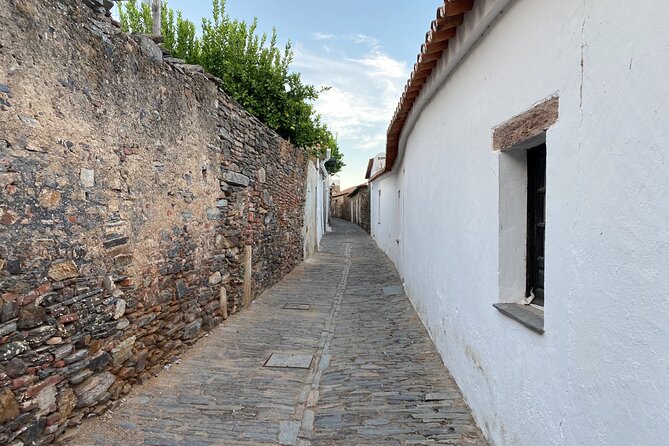
Then you reach Monsanto, often called the most Portuguese village in the country due to its rock-house layout. You get time to visit the castle and the historic center with houses built inside the rocks. This is one of those places where photos look good, but the real impact comes from walking among the stone structures and feeling how built-up defensive design became daily life.
Tomar and the Templars-to-Christ story, then Santarém’s baroque side
Day ten brings you back to medieval Portugal power, but with a baroque and exploration twist.
Tomar is your first stop, focused on the base of the Order of the Knights Templar in Portugal. The tour describes the medieval layout oriented in a cross shape, with convent buildings at extremes and Republic Square as a central point. You also get local commerce mentions, including traditional sweets like almond and chila cheesecakes and Tomar slices.
Then you visit Convento de Cristo, the Templars Castle and Convent complex. The story is the key: after the Templars ended in 1311, Portuguese King Dinis assigned the castle and its patrimony to the Order of Christ. Then the 1755 earthquake caused damage and led to later structural changes that altered the original austerity. That timeline helps you read the architecture like it is a timeline in stone.
Next is Igreja de Santa Maria dos Olivais, described as a 12th-century church and headquarters tied to the Templars, classified as a National Monument in 1910. The guide includes the burial of Gualdim Pais and other grand masters.
Finally you head to Santarém, a city described as baroque. You visit Graca Church, tied to the tomb of Pedro Alvares Cabral, and you get a chance to try Soupa da Pedra, a typical regional dish.
Practical note: by day ten, you will be tired. Choose your walking time carefully, take breaks, and let the final day be about absorbing the big ideas.
Price and logistics: what you are really paying for
The price is $2,894.01 per person for an approximately 10-day private tour. The value depends on how you like to travel.
Here is what you get included: transfers from and to the airport, personal accident insurance, bottled water, and WiFi on board. The tour is also private, so it is only your group, and the start time is 9:00 am.
What is not included is just as important: admission fees and hotels and meals. Many stops list tickets as not included, including major sites like Pena, Jerónimos-type Belém highlights, castle and palace interiors, some Coimbra and Porto landmarks, and more.
So the real question is: do you want to pay to have a guide and car handle route decisions and explanations for you? If yes, this price can feel fair because it covers a multi-region loop that would be stressful to DIY in a single trip. If you prefer to control timing and you already know you will skip lots of ticketed sites, then your total spend might rise because the tour cannot magically include all admissions.
My practical tip: before you go, decide which ticketed highlights are truly must-do for your group, and which ones are fine to see from outside or with less time.
Who this tour is best for, and who should rethink it
This tour fits you best if you want a guided Portugal circuit that covers Lisbon, Sintra, Alentejo, Coimbra, Porto, the Douro region, and northern Portugal without turning your trip into logistics homework.
It is also a good choice if you like cultural context. The guide approach is not just dates and names. It is designed to connect places to Portuguese daily life and traditions, from fado origins to cork production to food culture.
You might want a different style if you dislike structure and want full freedom to linger at one place for hours, or if your budget cannot handle extra admissions and daily meals.
Should you book this 10-day private Portugal tour?
If your dream trip includes Lisbon views, Sintra palaces, Evora’s dramatic sites, Porto’s big-city landmarks, baroque sanctuaries, and Douro wine country, I think booking makes sense. The private escort format and the mix of ticketed and exterior-view planning help you cover a lot without feeling totally rushed all day.
But go in with one mindset: plan for extra costs at the sites you choose, and wear shoes for walking. If you do that, this can be one of the more efficient, story-rich ways to see Portugal in 10 days.
FAQ
What is included in the tour price?
The tour includes transfer from and to the airport, personal accidents insurance, bottled water, and WiFi on board.
Are admission tickets included?
No. Admission fees are not included. Some stops list tickets as free, and many list tickets as not included.
Does the tour provide pickup?
Yes, pickup is offered, and airport transfers are included.
How long is the tour?
It is approximately 10 days.
What time does the tour start each day?
The start time is 9:00 am.
Is this a private tour?
Yes. It is private, and only your group participates.
Is there WiFi during the tour?
Yes. WiFi on board is included.
Are meals included?
No. Meals are not included.
What booking documents are used?
Mobile ticket is included.
Is the tour weather dependent?
Yes. It requires good weather, and if it is canceled due to poor weather, you will be offered a different date or a full refund.
What is the cancellation window for a full refund?
You can cancel up to 3 days in advance of the experience for a full refund, and the cut-off is based on the experience’s local time.
More Private Tours in Lisbon


More Tours in Lisbon

More Tour Reviews in Lisbon
Not for you? Here's more nearby things to do in Lisbon we have reviewed








Private, side by side.
 ★ 5.0True 4Hour Private Tuk Tuk Tour: Discover Lisbon with a Local!Tickets from $1088,008 traveller reviews
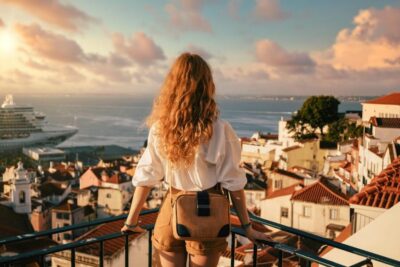 ★ 4.9Private Guided Tuk-Tuk Tour with Hotel PickupTickets from $1534,552 traveller reviews
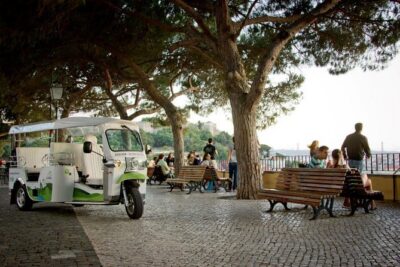 ★ 5.0Private Lisbon Sightseeing Tuk-Tuk Tour: Alfama, Belém & MoreTickets from $524,277 traveller reviews
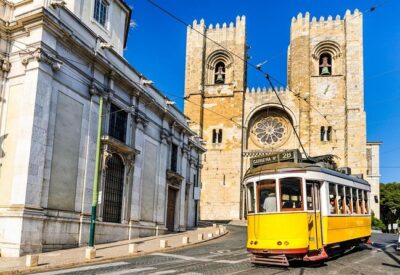 ★ 5.0Lisbon Highlights: Private Tuk Tuk Tour Adventure SightseeingTickets from $843,284 traveller reviews
 ★ 5.0Welcome Lisbon Tour with Local Guide in Private Eco Tuk TukTickets from $171,691 traveller reviews
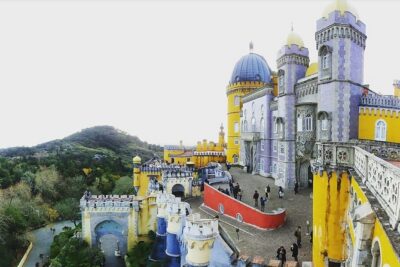 ★ 5.0Sintra Full-Day Private Tour – A Journey through WonderlandTickets from $1871,665 traveller reviews
 ★ 5.0Sintra Private Trip from Lisbon Customizable Dreamlike ExperienceTickets from $1631,414 traveller reviews
 ★ 5.0Airport Private Transfer to/from LisbonTickets from $271,284 traveller reviews