
Review · LISBON CITY TOURS
Lisbon: The Jewish Sephardic Walking Tour
A few blocks can hold centuries. This Lisbon Jewish Sephardic walking tour connects the lives of Portugal’s Jewish communities to the streets you walk today, with a real synagogue visit at Shaare Tikva, and time in the old lanes of Alfama. You’ll come away with names, dates, and places that make Lisbon feel less like a postcard and more like a living record of endurance.
I love how the tour is built around specific sites instead of vague background, and I also like the human scale of the small group format, which makes it easier to ask questions. One consideration: it’s a 4-hour walk on uneven streets, so wear solid shoes and take the mobility limits seriously.
Key things to know before you go

- Shaare Tikva is the centerpiece, with entrance included and time saved by skipping the ticket line
- You walk Alfama’s oldest streets, including Rua de Judiara
- The story spans exodus, exile, and return patterns, not just dates on a timeline
- Portugal’s 12th-century legal recognition of Jews gets explained in plain language
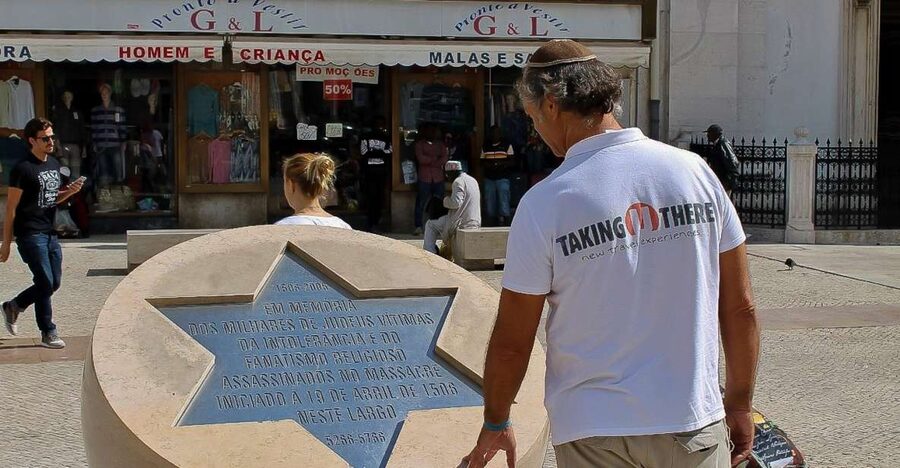
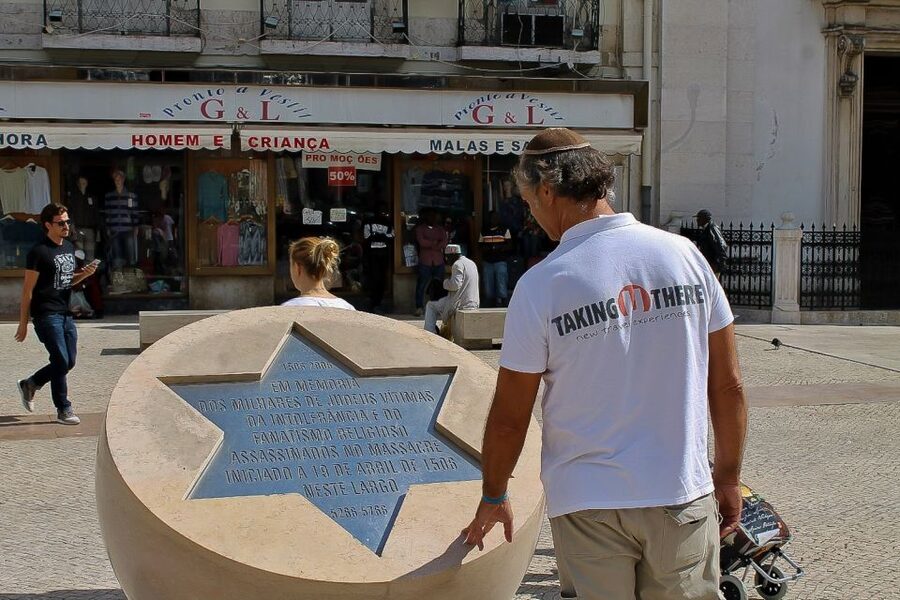
- You hear the 1506 Massacre story and how it connects to what happened next
- The guide brings the human names, including Abraham Anahory and Aristides Sousa Mendes
A 4-hour Lisbon route built around Jewish landmarks
This is a focused half-day tour, built to help you see Lisbon through the lens of Jewish Sephardic life and the wider Jewish story in Portugal. You’ll start with the synagogue visit and then move through neighborhood streets where history shows up in street names and local memory.
What makes this kind of tour work is the mix of big historical forces and close-up, street-level details. One moment you’re hearing about origins and migrations, then you’re standing somewhere specific and learning what changed, what disappeared, and what came back. That rhythm helps you remember the bigger ideas without losing the details.
The walking portion is part of the point. Lisbon’s older quarters are the kind of place where you feel the city’s layers, and you get a sense of how communities could live, trade, pray, and then be broken apart. Plan on a steady pace for 4 hours.
You can also read our reviews of more walking tours in Lisbon



Start at Shaare Tikva synagogue, why this building is a big deal
Your meeting point is right in front of Lisbon Synagogue, at R. Alexandre Herculano 59, 1250-010 Lisboa. From there, you’ll head straight into the heart of the tour: Shaare Tikva, also known as the Lisbon Synagogue.
This stop matters because Shaare Tikva is described as the first synagogue built in Portugal since the late 15th century. That single detail turns the visit from a sightseeing moment into a story about interruption and rebuilding. Even before you hear the deeper background, you can understand that a synagogue is not just a building. It is a statement about community life returning in a durable form.
Another practical plus: entrance fees are included, and the tour helps you skip the ticket line, so you spend less time waiting and more time learning. Dress matters here. Short skirts and sleeveless shirts are not allowed, so aim for comfortable but modest clothing that matches a synagogue setting.
Lisbon’s Jewish life under Portuguese law in the 12th century
After the synagogue, the tour’s narrative expands into how Jewish communities fit into Portugal’s legal and civic landscape. You’ll hear about how, in the 12th century, the Kingdom of Portugal recognized Jews as a distinct legal entity with its own jurisdiction.
That may sound like a dry legal point, but it becomes more meaningful when explained alongside daily life. If you understand that a community had its own jurisdiction, you start to picture how Jewish people could live with different legal structures than their Christian neighbors, how community leadership might work, and why community identity could be both protected and vulnerable depending on the era.
The tour also frames Jewish history as movement and belonging with nowhere guaranteed. It talks about the journey that begins with the exodus from Egypt and continues through lands, countries, and continents. Then it brings that broad story back to Lisbon, where you learn how communities appeared, disappeared, and reappeared across centuries.
I like that approach because it avoids a single-epoch story. Instead of saying only one thing happened in one century, you see patterns and changes that help you make sense of the later shocks.
The 1506 Massacre, how a date turns into street-level context
One of the clearest turning points you’ll hear about is the 1506 Massacre and how it began. A tour like this gives you the chance to treat that date as more than a headline. It becomes a reason behind shifts in where people lived, how public life changed, and how fear and power reshaped everyday routines.
In a city like Lisbon, it helps to have a guide translate history into spatial logic. You start noticing what the guide points out, like where communities might have clustered and how later events changed the social map. Even when you cannot see physical evidence of every moment, you can still learn to read the city like a historical document.
This stop also sets the emotional tone for the rest of the walking. You’re not just collecting facts. You’re learning how intolerance can spread, how violence can start, and how long the consequences can last. And because the tour links back to later survival, the story doesn’t end with tragedy. It turns toward resilience.
Rua de Judiara in Alfama, Lisbon’s oldest neighborhood on foot
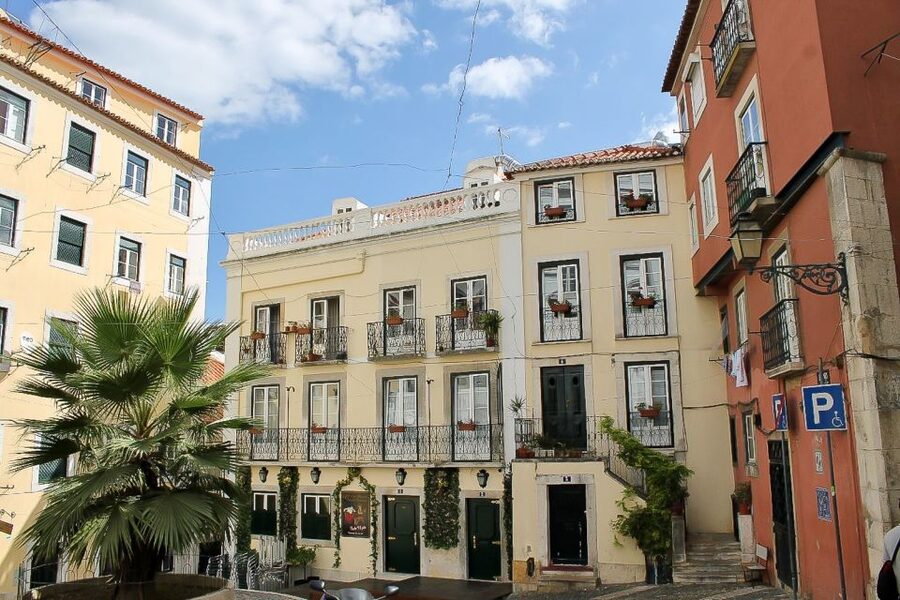
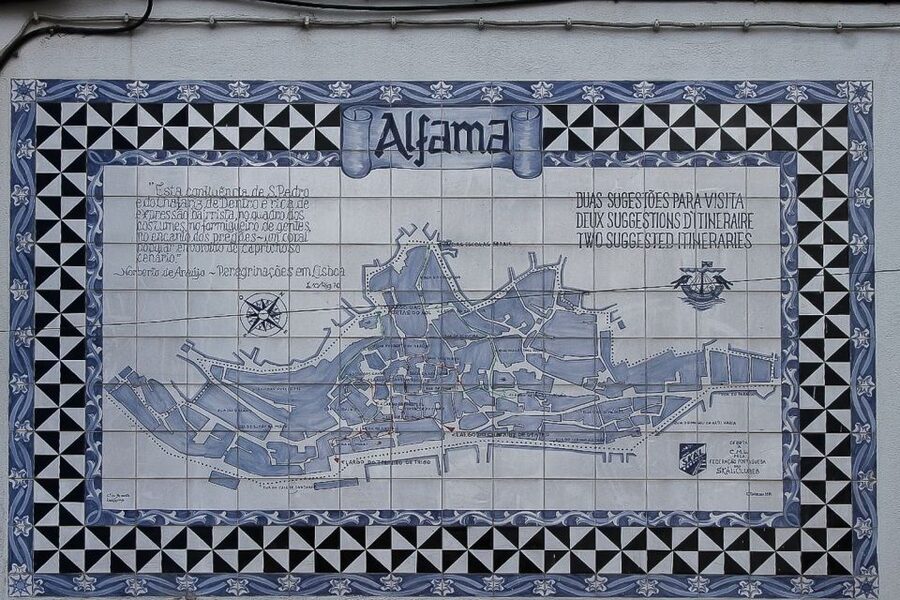
The tour’s outdoor time takes you into Alfama, Lisbon’s oldest neighborhood. This is where the past stops being abstract. You walk narrow streets where the city feels built for slow movement, and the guide points you toward the area connected to Rua de Judiara.
That street name matters. It signals a historical presence you can still feel in Lisbon’s self-knowledge. When a city preserves a name like this, it gives you a handle for remembering communities whose lives were shaped by centuries of change.
This part of the tour is also practical in a good way. Lisbon’s charm is real, but it’s easy to get turned around in older districts. A guided route helps you keep your bearings while still enjoying the turns, hills, and tight passages that make Alfama feel distinct.
There is a real tradeoff, though. The streets in Alfama are not designed for wheelchairs or easy pacing, and this tour is not suitable for people with mobility impairments or wheelchair users. It’s also not listed as suitable for people with heart problems, and that’s something I’d take seriously if you need to avoid sustained exertion.




Two names that connect Portugal to Jewish survival
A strong part of the experience is how the tour brings in specific people who shaped outcomes. You’ll learn about Abraham Anahory and Aristides Sousa Mendes, with Sousa Mendes highlighted as the Portuguese consul who saved the lives of thousands of Jewish refugees.
This is where the tour stops feeling like a general lecture and starts feeling like a chain of human decisions. An individual can’t change everything in one moment, but actions add up, especially when they help people escape danger. Learning these names gives you anchors you can return to later when you think about the period.
I also appreciate that the tour connects Jewish history to Portuguese identity. You’re learning how Portuguese Christians and Portuguese Jewish communities interacted across time, not only how violence or exile happened in isolation. That balance helps the story feel grounded in the place.
By the time you reach the wrap-up, you also hear about Lisbon today as a city of tolerance and creativity. That final framing is useful. It doesn’t erase the darker parts. It shows how modern Lisbon tries to live with its layered past.
Private small-group pacing, what the walk feels like
This is described as a private guide for a small group tour, with a maximum of 8 participants. In practice, that small size usually makes a difference. It means the guide can keep the pace responsive, explain context without rushing, and answer questions when something clicks for you.
The total duration is 4 hours. That’s long enough to feel like you truly moved through the city, not just did a quick drive-by. At the same time, it’s short enough that you can still enjoy the rest of your day after you finish.
The walking can feel challenging, so I recommend you treat this as a real neighborhood hike. Bring comfortable shoes and weather-appropriate clothing, because Lisbon weather can shift quickly and you’ll be outside a lot of the time.
If you want a tour that mixes storytelling with actual walking, this one fits well. If you prefer a mostly indoor museum day or a seated format, you might find this too active.
Price and what you actually get for $165
The price is listed as $165 per group up to 2, for a 4-hour, small-group format. That sounds like a lot if you only compare it to generic walking tours. But the value picture improves once you factor in what’s included.
You get a live guide (English or Portuguese), a walking route, and the entrance fees to Shaare Tikva, plus the benefit of skipping the ticket line. Those items reduce friction, especially at the synagogue stop. Time savings matters when you want the learning to flow instead of waiting around.
Also, the format is capped at 8 participants, with a private guide approach. That usually helps the experience feel more personal than the big bus-tour style of history. And since the tour’s focus is very specific, you are paying for a guided lens on Sephardic Jewish life in Lisbon, not just for getting from stop to stop.
If you’re traveling in a pair, the “up to 2” structure makes it easier to justify. If you’re solo, you’ll want to check how the pricing structure works for you in your booking, since the data given only states up to 2 per group.
Practical tips for the synagogue stop and comfortable touring
For a smooth day, plan like you’re visiting a working place of worship, not just a museum.
- Wear comfortable shoes you can trust on uneven streets.
- Dress modestly. Short skirts and sleeveless shirts are not allowed for the tour.
- Bring weather-appropriate layers, since you’ll be outdoors while walking through Alfama.
- Arrive at the meeting point on time: in front of Lisbon Synagogue, R. Alexandre Herculano 59.
The synagogue visit is the anchor stop. If you know you tend to sweat or get chilled easily, dress for comfort. The better you feel physically, the more you’ll absorb emotionally, because the themes here include migration, violence, and survival.
I also suggest you come with at least a basic curiosity about Sephardic history in Portugal. You do not need to memorize anything. But if you’re open to the idea that Lisbon’s Jewish story includes both long coexistence and sudden rupture, the guide will meet your curiosity and keep it moving.
Should you book this Lisbon Jewish Sephardic walking tour?
If you want Lisbon history tied to real places, not just general facts, this tour is a strong match. The combination of Shaare Tikva, the Rua de Judiara connection in Alfama, and the story threads linking migrations to Portuguese Jewish life make it a practical way to understand what you’re seeing in the city.
Book it if you like walking tours with a clear theme and a guide who explains the why behind events like the 1506 Massacre. It’s also a great choice if Jewish heritage, Sephardic history, or Portuguese history are personally meaningful to you, since the tour includes named figures like Abraham Anahory and Aristides Sousa Mendes.
Skip it if you need a wheelchair-friendly format, if mobility limitations are a concern, or if heart conditions make extended walking risky. At 4 hours, it’s not a light stroll.
FAQ
How long is the Lisbon Jewish Sephardic Walking Tour?
It lasts 4 hours.
Where does the tour start?
The meeting point is in front of Lisbon Synagogue, R. Alexandre Herculano 59, 1250-010 Lisboa, Portugal.
How much does the tour cost?
The price is $165 per group up to 2.
Is the entrance fee to Shaare Tikva included?
Yes, entrance fees to the Shaare Tikva (Lisbon Synagogue) are included.
Can I skip the ticket line?
Yes, the tour includes skipping the ticket line.
What languages is the guide available in?
The live tour guide is available in English and Portuguese.
What group size should I expect?
It is a small group limited to 8 participants.
What should I wear or bring?
Bring comfortable shoes and comfortable, weather-appropriate clothing. Short skirts and sleeveless shirts are not allowed.
Who is the tour not suitable for?
It is not suitable for people with mobility impairments, people with heart problems, and wheelchair users.
What is the cancellation and payment flexibility?
Free cancellation is available up to 24 hours in advance for a full refund, and you can reserve now and pay later.
More Walking Tours in Lisbon



More Tours in Lisbon



More Tour Reviews in Lisbon
Not for you? Here's more nearby things to do in Lisbon we have reviewed








Lisbon City Tours, side by side.
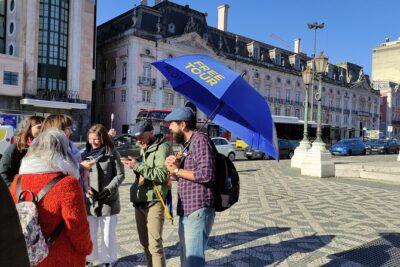 ★ 5.0Lisbon City Center Tour – The Unmissable LisbonTickets from $322,234 traveller reviews
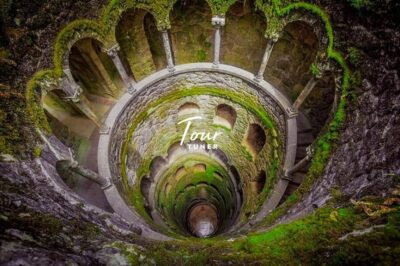 ★ 4.7Sintra, Pena, Regaleira, Cabo da Roca & CascaisTickets from $2319,656 traveller reviews
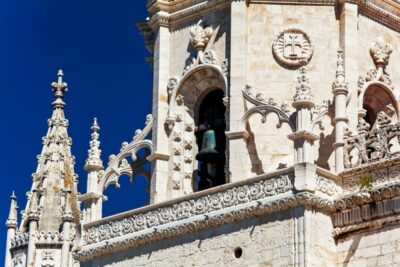 ★ 4.1Jerónimos Monastery Entrance TicketTickets from $2114,164 traveller reviews
 ★ 4.8History, Stories and Lifestyle Walking TourTickets from $2910,902 traveller reviews
 ★ 4.5Sunset Boat Party Cruise with DJ and Open BarTickets from $2710,378 traveller reviews
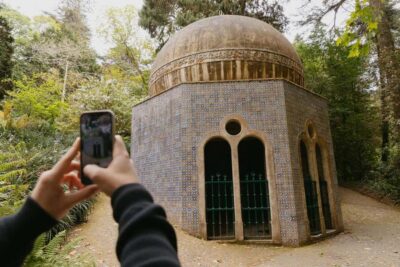 ★ 4.7Pena Palace, Sintra, Cabo da Roca, & Cascais DaytripTickets from $919,981 traveller reviews
 ★ 4.6Oceanário de Lisboa Entrance TicketTickets from $299,943 traveller reviews
 ★ 5.0True 4Hour Private Tuk Tuk Tour: Discover Lisbon with a Local!Tickets from $1088,008 traveller reviews
More useful lists for this tour