
Review · PRIVATE
Private 7-day itinerary in Portugal
One trip, a lot of Portugal, and it all feels planned. This private 7-day route strings together Lisbon, Sintra, Porto, and the Douro Valley with a driver guide who connects the dots from earthquakes to wine.
I especially like how the days balance classic landmarks with story-rich stops, like Alfama’s fado origins and the Douro’s old-school wine culture. You’ll also get real comfort for long travel days with an air-conditioned van, WiFi on board, and mineral water.
The one real drawback to consider is that some of the headline sights require you to pay separate admission tickets, so build a bit of extra cash into your plan.
Key highlights you can actually use
- Private, English-speaking driver guide means the history and logistics land faster, not slower.
- Comfort for road time: air-conditioned vehicle, WiFi, and bottled water included.
- Lisbon neighborhoods with meaning: Baixa rebuilt after the 1755 earthquake, Alfama tied to fado and saudade.
- Sintra and the Atlantic edge: Pena-area contrasts plus Cabo da Roca’s where land ends, sea begins views.
- Porto with tiles and tastings: São Bento station tiles and a Sandeman Cellars stop in Gaia.
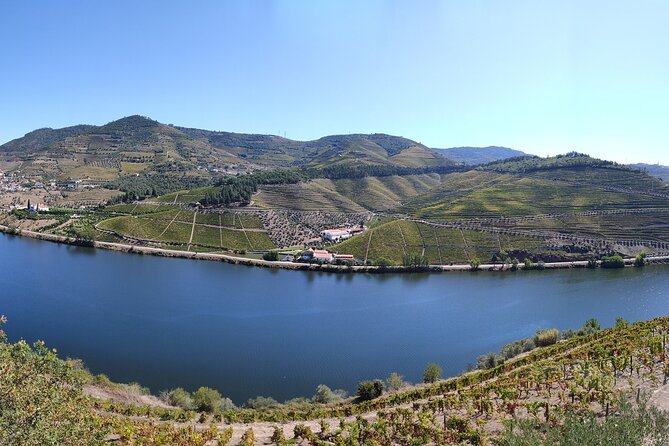
- Douro Valley built around wine: a winery visit with tastings plus photo viewpoints from the valley road.
Pricing and what you really get for $2,129.27

At $2,129.27 per person for about 7 days, this is not a budget trip. But for a private van and a driver guide who stays with you across multiple regions, the value is in the time you save and the places you actually reach.
Here’s what’s clearly included: an air-conditioned vehicle, mineral water on board, WiFi on board, a driver guide, and personal accident insurance. What’s not included is the practical stuff: lunch, hotels, and personal expenses.
That mix matters. If you prefer to keep mornings flexible and don’t want to negotiate trains, timetables, or transfers between cities, a private format like this can be a bargain. If you’re the type who loves public transport and timing your own days down to the minute, the fixed rhythm might feel less free.
You can also read our reviews of more private tours in Lisbon



Day 1 Lisbon: earthquake-proof Baixa, fado-born Alfama, and Belém sweets
Lisbon starts with a strong sense of why the city looks the way it does. In Baixa de Lisboa, the focus is the 1755 earthquake and the city’s rebuilt plan, with straight, perpendicular streets designed as early anti-seismic thinking. It’s the kind of history that turns into a walk you can feel under your feet.
Then you shift to Alfama, the oldest neighborhood in Lisbon, described as a defensive medina with narrow alleys built for survival over centuries. This is where the emotional core gets explained too. Fado was born in this poorer district, shaped by saudade, that specific Portuguese longing people talk about for a reason.
The last part of Day 1 slows down in Belém with the big UNESCO-era monuments. The highlight is Belém Tower and the surrounding discoveries story, with Manueline style architecture and a sense of empire-era grandeur. You also get time for Pastéis de Belém, the famous century-old custard tarts, with the added comfort that this one is often easier than trying to figure it out on your own.
Practical note: Belém Tower admission is not included, so you’ll want to check your exact ticket needs before you go. Also, lunch isn’t included, so use this day to pick a Belém or Alfama spot and not treat every meal as an afterthought.
Day 2 Sintra and Cascais: romantic palaces, Cabo da Roca drama, and Estoril’s WWII story
Sintra is where Portugal’s fairy-tale reputation becomes real, mostly because the scenery and the design feel like they were built for imagination. You begin in the Centro Histórico de Sintra with its narrow lanes and shops, then it turns practical fast: Piriquita Confeitaria for sweets like Travesseiros de Sintra and Queijadas de Sintra. If you like food you can eat while you’re still sightseeing, this is a smart start.
Next comes the palace choice. You can expect options discussed by your guide, including the Palace of Pena area, Quinta da Regaleira, and even the Castle of the Moors as alternatives depending on what you want to prioritize. In Pena’s case, the story is tied to 19th-century romanticism and the creative energy of the couple behind it, which makes the visit feel more personal than just camera stops.
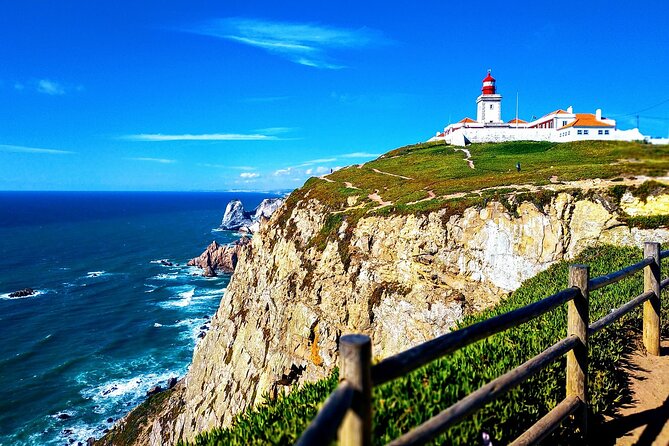
Then the trip turns outward to the Atlantic with Cabo da Roca. This is the westernmost point of the European continent, and the way it’s described is exactly what you want for photos: the land ending, the sea beginning. It’s part of the Sintra-Cascais Natural Park, and it tends to make your “Portugal is more than cities” case on its own.
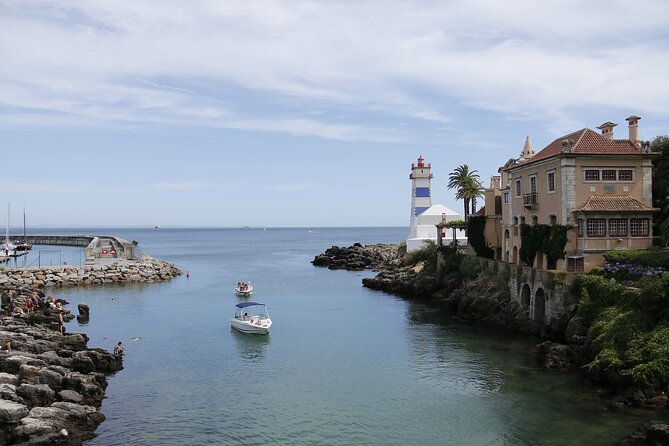
Cascais follows, a former fishing village now shaped into a cosmopolitan beach resort. It’s smaller and easier than Lisbon, with charm in the streets and a slower pace that helps balance a day of intense sightseeing.
Finally, there’s Estoril, tied to its role during World War II when royal families and others with means sought safety. Even if you don’t love war history, it adds context to why some of these Atlantic towns felt unusually international.
Watch-outs: palace and most big entrances are not included, so this day can cost more than you expect if you choose multiple sites. If you’re visiting in peak season, you may also want to decide on one “main” palace so you don’t feel rushed.
Day 3 Fátima and Coimbra: basilicas, chapels, and Portugal’s oldest university magic
Day 3 shifts from sea and palaces to spiritual architecture and academic grandeur. You start in Fátima, with the Sanctuary and the three key places your guide points out. You can attend mass if you want, and you can visit the Chapel of Apparitions, described as being built right after the apparitions and located centrally in the sanctuary. Casa dos Pastorinhos in Valinhos gets a quick look too.
If your group is moved by religious sites, this day will feel meaningful. If your group is more secular, it can still work well because the monuments are described clearly and the guide links what you see to what people believe.
After Fátima, the route heads to Coimbra, a city defined by its university. The University of Coimbra includes the Joanina library, a standout with its 18th-century design and decoration. The guide explanation here matters because it isn’t just pretty rooms. It’s built into a former prison, and it connects architecture to power and punishment, then to learning.
Other University stops you may see include the Chapel of São Miguel and the “Sala dos Capelos” area, plus features your guide highlights such as the “cabra” tower. Then you step out into Coimbra’s center with cafes, sweets, and narrow streets near the Mondego River.
Practical note: University of Coimbra admission is not included, so plan for that. Also, Coimbra can be a lot of walking if you choose to linger, so wear shoes you trust.
Day 4 Porto: Avenida dos Aliados, Mercado do Bolhão, São Bento tiles, and a port cellar in Gaia
Porto has a way of feeling compact and dramatic at the same time, and this day uses that. You start at Avenida dos Aliados, the central avenue where the city’s civic energy shows up fast, including the Porto City Council building.
Then you hit Mercado do Bolhão, a city market that’s a practical way to understand local daily life. Even if you don’t buy much, it gives you a reality check on what “normal” food shopping looks like in Porto.
From there, you get culture in a very visual form at Livraria Lello. The famous staircase draws a lot of attention, and it’s also tied to the legend that it inspired JK Rowling’s writing during her time living in Porto. Whether you’re a Harry Potter fan or not, the architecture and interior details are a strong reason to stop.
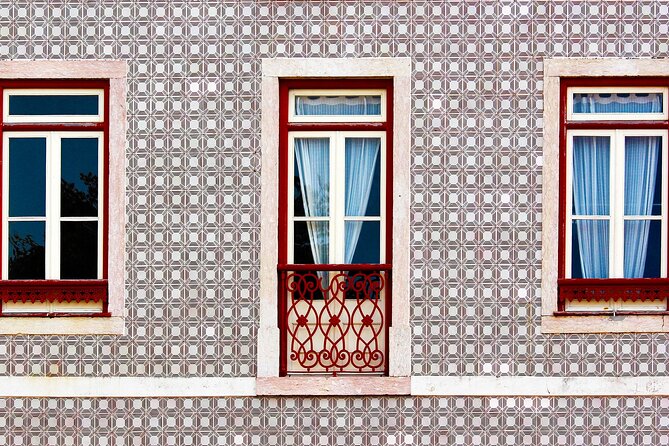
Next is São Bento Railway Station, where you’re surrounded by Portuguese storytelling through around 20,000 tiles by artist Jorge Colaço. It’s one of the best “quick wins” in Porto because it doesn’t require a long ticket line to enjoy the art.
You also visit Porto Cathedral, with a Roman-Gothic structure begun in the 12th century and later renovations, plus the medieval rose window and side gallery decorated with tiles. Note that cathedral admission is not included, so expect a separate cost if you go in.
The best “reward” moment is in Gaia with Sandeman Cellars. This part is included, and it’s not just a walk-through. You get time for the cellar atmosphere and a port tasting that explains the process in human terms, from harvest to final product.
If you want a day that mixes sightseeing with a grown-up payoff, this is the one.
More Lisbon tours and experiences for the shortlist




Day 5 Douro Valley: wine-region views, Pinhão tiles, and Quinta do Tedo tastings
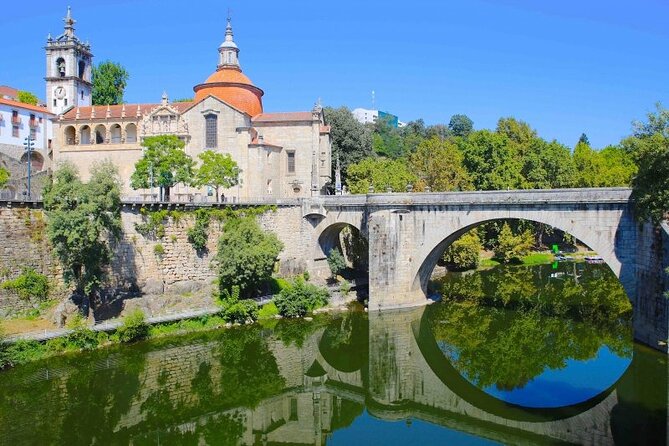
Day 5 is where Portugal turns into wine country for real. You start in Amarante at Igreja de São Gonçalo, a historic area with Romanesque and Middle Age buildings near the S. Gonçalo bridge. There’s also a specific local detail your guide points out, S. Gonçalo sweets sold near the convent area, known for their phallic appearance, which is exactly the kind of oddball Portuguese humor you learn to appreciate.
Then you roll into the Douro with a stop at Pinhão Railway Station, one of those places that’s mostly visual: 19th-century tiles showing the landscape and the wine production life. It’s short, about 20 minutes, but it’s designed for fast context.
Next is a winery visit, Quinta do Tedo, which includes a tour and tastings. The key is that this is described as part of a wine region with deep roots, so the tasting feels like the final chapter of a story you’ve started learning earlier in the day. You’ll also get a sense of production methods and grape choices rather than just tasting for taste’s sake.
You wrap with Ervedosa do Douro, a viewpoint stop for valley photos. If you want the “I’m actually in the Douro” feeling, this is the moment to slow down.
Practical note: Quinta do Tedo is listed as included, which is valuable since winery tastings often cost extra on day trips. Expect a day that runs on photos and taste, so plan lighter meals before tastings.
Day 6 Aveiro, Nazaré, and Óbidos: canals, big waves, and a medieval wall you can walk
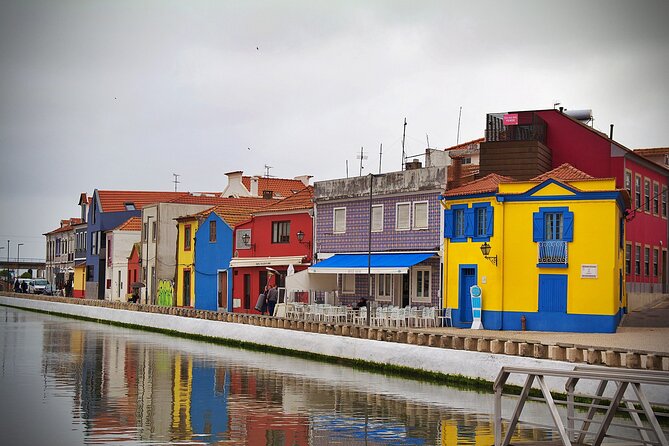
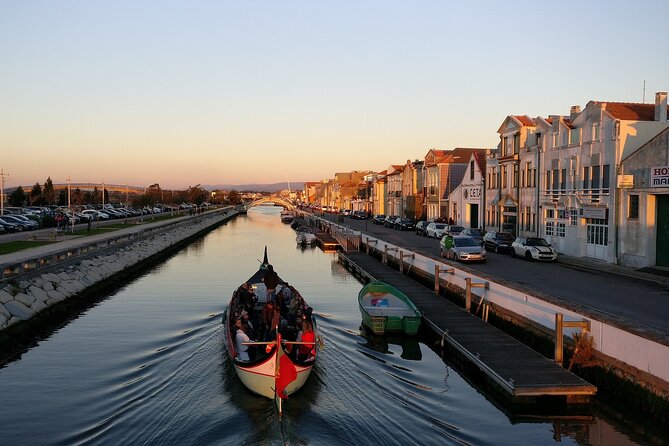
Day 6 is a trip in three flavors: canals, coastline drama, and a medieval village. You start in Aveiro, known as the Portuguese Venice, and you’re encouraged to do a boat trip on a moliceiro boat. The key detail is the canals and how they were tied to the city’s livelihood, including moliceiro seaweed and salt.
Then you visit Aveiro Railway Station, with a construction style described as wrought iron and glass, and references to Art Nouveau and Gustavo Eiffel. It’s the kind of stop you might skip if you’re not paying attention, but it helps you see Portugal beyond stone churches and tile stations.
After Aveiro, you reach Nazaré, a pictorial village with traditional houses and many churches. The big story here is the Canhão da Nazaré phenomenon and its huge waves, including the 2013 world record by surfer McNamara for a wave about 30 meters high. Even if you don’t time your trip for wave season, the town’s identity is still tied to that history.
There’s also the “seven skirts” custom your guide points out, where wives of Nazaré proudly show the garments to visitors. It’s a cultural detail that can make a simple village stop feel more alive.
Then you finish at Óbidos, described as a UNESCO world heritage site with narrow streets, white-painted houses, and traditional shops. It’s also tied to royal history as a wedding gift and to the Casa das Rainhas, with Portuguese queens benefiting from it. There’s even a mention of D Catarina and construction of an aqueduct and fountains, which adds a practical layer to the fantasy of wandering old streets.
Watch-outs: lunch isn’t included, and this day has lots of different “modes” so you’ll want to eat strategically between stops.
Day 7 Évora and Alentejo: Roman ruins, a skull chapel, cork craft, and wine tasting
Day 7 moves inland to Alentejo, where the pace feels different from the coast. You begin with Centro Histórico de Évora, tied to royal residence and to the discoveries-era growth that brought aristocratic mansions. You’ll see the Temple of Diana area near the Évora Cathedral and the impressive Água da Prata aqueduct, including that some arches are still visible within the city.
Next is the bold emotional stop: Capela dos Ossos in the Church of São Francisco, lined with skulls and bones of 500 monks. The entrance warning gets mentioned for a reason. It’s a reminder that some of Portugal’s attractions are made to be uncomfortable in the best way, like a human-scale history lesson.
From there you go deeper into Alentejo with Ervideira, where the tour includes a winery visit and a tasting of 5 wines plus regional products. The descriptions of Alentejo wine fit the climate your guide explains: hot and dry conditions, the need for water, and wine styles shaped by that reality, including smooth whites and fuller-bodied reds.
Finally, you get a cork stop at Corticarte – Arte em Cortiça. Cork oak bark is removed only every nine years, and Portugal is described as responsible for 55% of the world’s cork production. You also learn why cork matters for wine aging because it allows very small amounts of oxygen without messing up the process.
This final day is a great closer because it gives you something to take home beyond photos: taste, craft, and the logic behind why Portugal does what it does.
Included comfort versus what you pay for yourself
Here’s the practical picture of how this tour costs can change. Your base price covers the van, WiFi, water, driver guide, and insurance. It also covers included tastings like Sandeman Cellars and the Ervideira winery experience.
You should budget for tickets that are explicitly noted as not included, including stops like Belém Tower, Pena and other palace choices, University of Coimbra, Livraria Lello, Porto Cathedral, and Capela dos Ossos. Your guide can help you decide what’s worth paying for based on your group.
Because lunch and hotels are not included, you’ll have to plan those yourself. That’s normal for private tours, but it’s also where good planning improves your experience, especially when you want to avoid turning each day into a search mission.
Who this private tour is best for
This works best if you want:
- A driver guide who ties history to what you see, from the anti-seismic street plan in Baixa to fado’s local origins in Alfama
- A comfort-first way to cover Lisbon, Sintra, Coimbra, Porto, the Douro, and Alentejo without rail or driving stress
- Built-in “signature” experiences like Sandeman Cellars, Quinta do Tedo, and the Ervideira tastings
It might be less ideal if you hate the idea of paying extra for admissions, or if you prefer to spend long chunks of time slowly wandering without structured stops.
Should you book this Portugal private 7-day tour?
I’d book it if you want a guided trip that stays practical: you get a private van, you get WiFi and water, and you hit the highlights across multiple regions without turning logistics into your main hobby. The route also has a nice mix of emotional culture stops, like fado and saudade, and sensory payoff stops, like port tastings and Douro valley views.
I’d hesitate if your priority is purely “free sights only,” since several headline buildings and museums have admission fees not included. Also, if you want zero structure, note that this day-by-day plan is designed to move you efficiently.
If your group includes food lovers, wine people, or anyone who likes stories that explain why a place looks the way it does, this is a strong fit. And if you’re lucky enough to get Vitor Pais, the guide factor is a big part of the value, since he’s described as organized, flexible, and able to make history feel clear and relevant to real streets and real architecture.
FAQ
What does the tour price include?
The price includes an air-conditioned vehicle, mineral water on board, WiFi on board, a driver guide, and personal accident insurance.
What is not included in the tour?
Lunch, hotels, and customers’ personal expenses are not included.
Does the tour include pickup?
Yes, pickup is offered. Starting location is another location, possible by mutual agreement to be agreed in advance.
Is this a private tour?
Yes. It’s a private tour/activity, so only your group participates.
What language is the tour guide?
The tour is offered in English.
Are entrance tickets always included?
No. Some stops list admission tickets as not included, while others are included (for example, Sandeman Cellars and certain winery tastings). You may need to pay for specific sites.
What is the cancellation deadline for a full refund?
You can cancel up to 6 days in advance for a full refund. If you cancel less than 2 full days before the start time, the amount paid is not refunded.
More 7-Day Experiences in Lisbon
More Private Tours in Lisbon


More Tour Reviews in Lisbon




Not for you? Here's more nearby things to do in Lisbon we have reviewed










Private, side by side.
 ★ 5.0True 4Hour Private Tuk Tuk Tour: Discover Lisbon with a Local!Tickets from $1088,008 traveller reviews
 ★ 4.9Private Guided Tuk-Tuk Tour with Hotel PickupTickets from $1534,552 traveller reviews
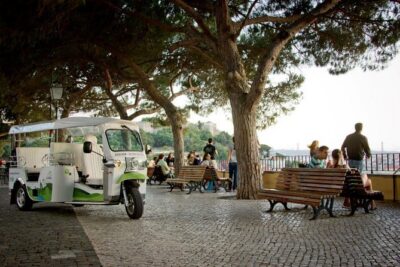 ★ 5.0Private Lisbon Sightseeing Tuk-Tuk Tour: Alfama, Belém & MoreTickets from $524,277 traveller reviews
 ★ 5.0Lisbon Highlights: Private Tuk Tuk Tour Adventure SightseeingTickets from $843,284 traveller reviews
 ★ 5.0Welcome Lisbon Tour with Local Guide in Private Eco Tuk TukTickets from $171,691 traveller reviews
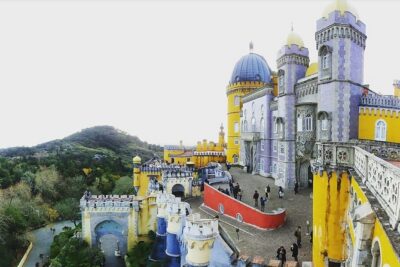 ★ 5.0Sintra Full-Day Private Tour – A Journey through WonderlandTickets from $1871,665 traveller reviews
 ★ 5.0Sintra Private Trip from Lisbon Customizable Dreamlike ExperienceTickets from $1631,414 traveller reviews
 ★ 5.0Airport Private Transfer to/from LisbonTickets from $271,284 traveller reviews
More useful lists for this tour