
Review · LISBON CITY TOURS
Lisbon: National Tile Museum Entry Ticket
Portugal’s tiles tell a whole story. This National Tile Museum ticket gives you a focused route through Lisbon’s azulejos tradition, set inside the remarkable former Convent of Madre Deus. I love how the museum turns wall decoration into real history, and I love the chance to see the church and chapel spaces covered in tile work.
One thing to plan for: inside, the air can feel a bit stuffy, especially on warm days, so bring water and wear breathable layers. Still, the building layout and the chronological flow make it easy to keep moving at a relaxed pace.
Key points to know before you go
- Chronological route helps you track azulejo styles from the 15th century to the present
- Former Convent of Madre Deus setting adds serious atmosphere beyond the tile displays
- Craft and technique intro shows how tiles are made before you start seeing the art
- Church, sacristy, choirs, and Chapel of Saint Anthony turn viewing into a tour of spaces
- On-site café and garden seating give you an easy break without leaving the site
National Tile Museum in Lisbon, set in the Convent of Madre Deus
If you think tile museums are only for art nerds, this one is a smart check. The National Tile Museum (Museu Nacional do Azulejo) is housed in a former convent founded in 1509 by Queen D. Leonor. That means you are not just walking past ceramics in clean white rooms. You’re inside a real religious complex, so the tiles land with extra power.
I also like that the museum is built for a self-guided story. The permanent exhibition starts with how tiles were made, then follows a chronological path, so you can connect changes in design to changes in technique and time. And because the museum grew in stages, the building itself becomes part of the lesson.
Tickets, opening hours, and timing that actually works
Your ticket is valid for 1 day, and you can check availability for starting times. The practical win here is simple: you can plan around the hours when the museum is open, then arrive when you are ready to focus.
Opening hours are Tuesday to Sunday in two blocks: 10:00 to 13:00, and 14:00 to 18:00. Last entry is 17:30. The museum is closed on January 1, Easter Sunday, May 1, June 13, and December 25.
I recommend targeting the late morning or early afternoon slot. It gives you enough time to see the core galleries, then still leave energy for the church and chapel details. If you go right at closing, you may feel rushed in the spaces that need slower looking.
More Lisbon tours and experiences for the shortlist



What the ticket gets you: the core tile route
This experience includes your entry ticket to the National Tile Museum. It is not described as a skip-the-line pass, but buying ahead can still help you manage queue time at the entrance, depending on what is happening that day.
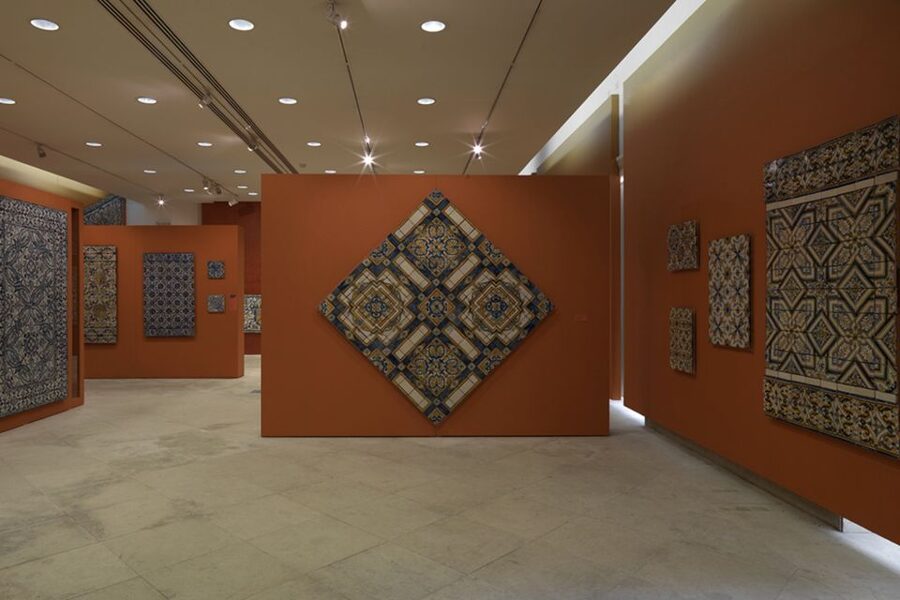
Once inside, the route is organized so you do not feel like you are wandering. After a short introduction to tile materials and techniques, the museum takes you through a chronological timeline. That structure matters. It turns individual tile panels into a bigger story about Portugal’s decorative style and how it changed across centuries.
Plan for about 1 hour 30 minutes as a good baseline if you like to read labels and pause for photos. If you are the type who stands close to see the brushwork and scene details, give yourself a bit more.
The “how tiles are made” room: where the museum gets educational
Right after you begin, you get a brief introduction to the materials and techniques used for manufacturing tiles. This is one of the easiest places to feel your “why am I here?” moment turn into “oh, I get it.”
You’ll see the basic manufacturing logic before you hit the artistic examples from the 15th century onward. That makes the later galleries much more rewarding, because the designs are no longer just pretty images. You start noticing how style, color, and surface finish can reflect technique and era.
If you prefer learning in small pieces, this pacing is ideal. It does not lecture you for an hour. It gives you enough grounding to look sharper for the rest of your visit.
15th-century to today: following azulejos in order
The permanent exhibition runs from the second half of the 15th century through to the present day. In practice, that means you are moving across major shifts in theme, style, and production approaches.
I like this chronological layout because you can spot patterns quickly:
- Early periods feel more tightly connected to evolving tastes and imported influences.
- Later centuries bring more complex compositions and more variety in scene storytelling.
- Modern pieces show how the tradition kept evolving rather than freezing in time.
Also, the museum is not only tile. Along with the azulejos, you’ll find ceramics, porcelain, and faience spanning the 17th to 21st centuries. That helps if you have friends who do not want to stare at only one medium all day. You can keep the focus on tiles while still getting other decorative art to break up the viewing.
Inside the convent spaces: church and cloister tile impact
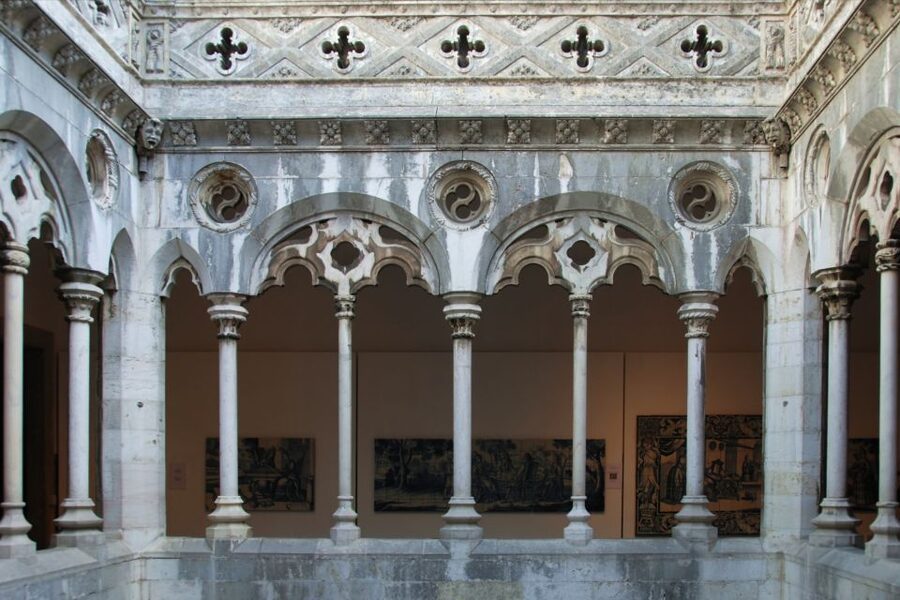
One of the big reasons people rate this museum so highly is that the tile work is tied to architecture. The former convent has multiple transformation campaigns across centuries, including a 16th-century mannerist cloister area.
When you hit the church decorated with remarkable sets of paintings and tiles, the experience clicks. The scenes do not feel like isolated exhibits. They feel like they belong to the space, like part of a sacred visual language that was meant to guide attention and devotion.
Some sections can be visually intense, because you’re taking in both paintwork and tile panels at the same time. That can be a drawback if you want everything “neutral” and easy. But if you like atmosphere and immersive spaces, it’s exactly what you came for.
You can also read our reviews of more museum experiences in Lisbon





Sacristy, high choir, and the Chapel of Saint Anthony details
The museum’s other standout spaces are the ones you might otherwise skim if you only chased big tile murals. Here, each room adds a different layer.
In the sacristy, you’ll see a Brazilian wood display cabinet, plus carved wood frames with paintings. It’s a reminder that tile culture in Portugal lived alongside other imported and local craft traditions.
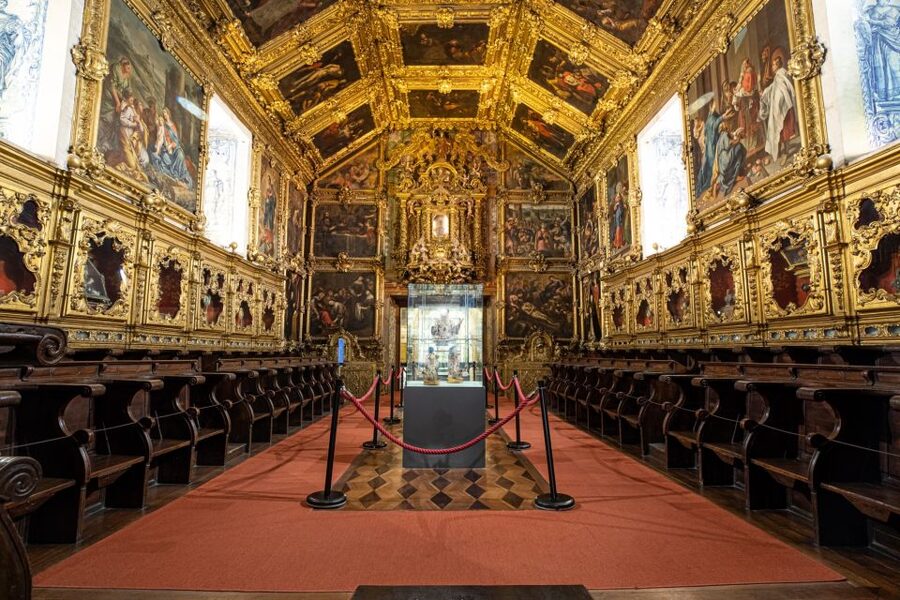
Then the high choir adds another visual dimension with rich carved giltwood embellishments. If you enjoy ornate craftsmanship, this is where you can compare texture and style across different materials, not just ceramics.
Finally, the Chapel of Saint Anthony brings an 18th-century Baroque decoration and a significant number of canvases by painter André Gonçalves. The practical tip is to pause here longer than you think you need. Baroque church spaces reward slow looking, because details are layered rather than obvious at a glance.
The Lisbon city display: why the top floor matters
One review highlight that stuck with me is the Lisbon city display on the top floor. It’s the part that helps you connect tile art back to everyday place-making, not only grand religious settings.
Even if you are not a deep reader, this section gives context. Tiles in Lisbon did not exist only for museums. They were part of how the city communicated stories, identity, and aesthetics across neighborhoods.
If you are short on time, do not skip this floor thinking it is just an optional add-on. It helps your visit feel grounded in Lisbon rather than locked in art history.
Pacing, comfort, and how to handle the museum’s indoor conditions
You will walk. You will stop. You will want photos. So plan for comfort.
Bring comfortable shoes. The museum is in historic buildings, so you’re moving through floors and rooms at a steady walking pace. Also bring water and comfortable clothes. One practical concern from visitor feedback is ventilation inside, which can feel limited, especially when the weather is warm.
My rhythm suggestion:
- Start with the technique intro so your brain is ready to recognize patterns.
- Spend extra time on the church and chapel spaces because they hold the most scene-level impact.
- End with breaks, photos, and the café, rather than forcing yourself to power through the galleries without recovery.
Café stop and downtime without leaving the site
There is a reasonable café on site, and it’s worth planning for. One reason I like it is that it reduces “time tax.” You do not have to decide between leaving the museum and losing the momentum you built.
Reviews also mention garden seating, which can be a lifesaver if you want a little outdoor air break. If you arrive and the café line is manageable, grab a bite before you head deeper into rooms where you want to focus.
Who should buy this Lisbon National Tile Museum ticket
This is a great choice if you want more than scenic sightseeing and you like understanding how a tradition changes over time. It’s also strong for art lovers who enjoy buildings that carry meaning, not just objects in cases.
It’s a smart fit for:
- People who love Portugal’s culture, especially azulejos
- Families and teens, since the scenes and style changes keep things moving
- Rainy day plans, because the museum is mostly indoors
- Travelers who want a “structured wandering” experience with a clear route
It may be less ideal if you hate indoor crowds and you need lots of ventilation, or if you only want quick photo stops with minimal reading. The museum is best when you’re willing to slow down and look.
Value check: is $11 worth it?
At about $11 per person, this ticket is strong value for what you get. You are paying for a full entry experience into a major national museum, plus the distinctive bonus of seeing tile art in the setting of a former convent with multiple ornate rooms. And the visit length is typically around 1 hour 30 minutes, so you can fit it into a busy Lisbon day without draining your schedule.
The score also speaks to consistency: a 4.6 average rating across 868 reviews suggests that most people find it more than “just pretty tiles.” Price matters, but so does whether the museum keeps you engaged from first room to last. This one tends to do that.
Should you book the National Tile Museum entry ticket?
Yes, if you are the type who likes art that has a timeline and a place. This museum works especially well when you want to understand how azulejos became one of Portugal’s most recognizable visual languages.
I would book if:
- You want a well-organized route from 15th-century styles to modern work
- You care about architecture as part of the story
- You’d rather spend a rainy hour in Lisbon learning something real, not just collecting photos
Skip it only if you know you want a very short, no-reading visit, or you get uncomfortable in older indoor spaces where ventilation can be limited. If that sounds like you, choose a different plan. If not, this is one of Lisbon’s most satisfying “slow, look, learn” stops.
FAQ
How long is the Lisbon National Tile Museum entry ticket experience?
The visit is commonly planned for about 1 hour 30 minutes.
Is the ticket valid for one day?
Yes, it is valid for 1 day. You can check availability to see starting times.
What are the opening hours?
Tuesday to Sunday: 10:00 to 13:00, and 14:00 to 18:00. Last entry is at 17:30.
When is the museum closed?
It is closed on January 1, Easter Sunday, May 1, June 13, and December 25.
Where do I meet to enter?
Enter the National Tile Museum at the main entrance and show your ticket on arrival.
Is this experience wheelchair accessible?
Yes, it is wheelchair accessible.
What should I bring with me?
Bring a passport or ID card, comfortable shoes, a camera, water, and comfortable clothes.
Is this a skip-the-line ticket?
This is not described as a skip-the-line entry ticket. However, having your ticket in advance can still help you reduce time spent at the entrance depending on conditions.
Can I get a refund if I cancel?
No. This activity is non-refundable.
More Museum Experiences in Lisbon

More Tickets in Lisbon



More Tour Reviews in Lisbon




Not for you? Here's more nearby things to do in Lisbon we have reviewed












Lisbon City Tours, side by side.
 ★ 5.0Lisbon City Center Tour – The Unmissable LisbonTickets from $322,234 traveller reviews
 ★ 4.7Sintra, Pena, Regaleira, Cabo da Roca & CascaisTickets from $2319,656 traveller reviews
 ★ 4.1Jerónimos Monastery Entrance TicketTickets from $2114,164 traveller reviews
 ★ 4.8History, Stories and Lifestyle Walking TourTickets from $2910,902 traveller reviews
 ★ 4.5Sunset Boat Party Cruise with DJ and Open BarTickets from $2710,378 traveller reviews
 ★ 4.7Pena Palace, Sintra, Cabo da Roca, & Cascais DaytripTickets from $919,981 traveller reviews
 ★ 4.6Oceanário de Lisboa Entrance TicketTickets from $299,943 traveller reviews
 ★ 5.0True 4Hour Private Tuk Tuk Tour: Discover Lisbon with a Local!Tickets from $1088,008 traveller reviews
More useful lists for this tour