

Review · LISBON CITY TOURS
Lisbon: 2-Hour Pastel de Nata Cooking Class
Egg tarts, taught step by step. In Lisbon’s kitchen, you learn to make Pastel de Nata with English instruction, and you get hands-on guidance from chefs like Anna and Marta. What I like most is that you’re not just tasting, you’re practicing technique, and you also make a second traditional Portuguese dessert to take home.
One watch-out: this class has you standing for about 1 hour 20 minutes, so it’s not a great match if you have back problems.
Still, for the price and time, it’s a fun way to leave Lisbon with a real skill, plus recipes you can repeat at home.
Key highlights you will feel right away

- Chefs who guide the process closely (Anna and Marta come up again and again in feedback).
- Two Portuguese desserts in 2 hours, not one quick stunt.
- Pastel de Nata history as part of the lesson, including its monastery-era roots.
- A light shared meal at the end, based on what you bake.
- A modern, clean cooking setup, with some sessions noting air conditioning.
Pastel de Nata in Lisbon: a simple class with a very specific goal
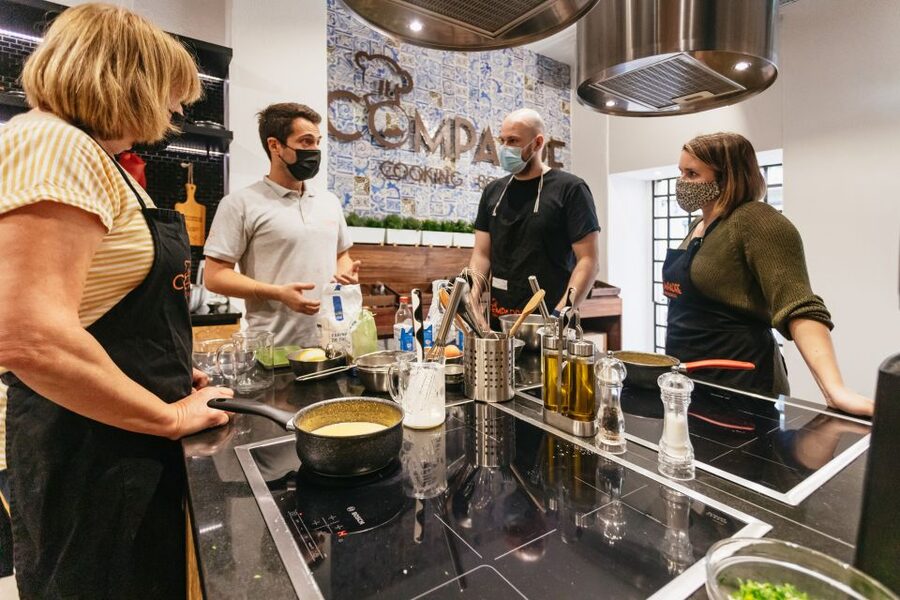
This is a 2-hour cooking class built around one iconic pastry: Pastel de Nata, Lisbon’s famous egg tart. The idea is straightforward. You learn how the pastry is assembled, what the custard should look like, and how to get the tart shells to turn out right in the oven.
Why I think it works so well is that it stays focused. You are not bouncing between random “Portuguese experiences.” Instead, you get one high-impact skill (making egg tarts) and then you build confidence with a second Portuguese recipe.
Also, Pastel de Nata is more than a snack. The tradition traces back to monastery-style baking in the 19th century, and it’s become a national symbol of Portuguese pastry. Even if you already know that, you’ll get the story in a way that connects to what you’re doing at the workbench.
You can also read our reviews of more cooking classes in Lisbon


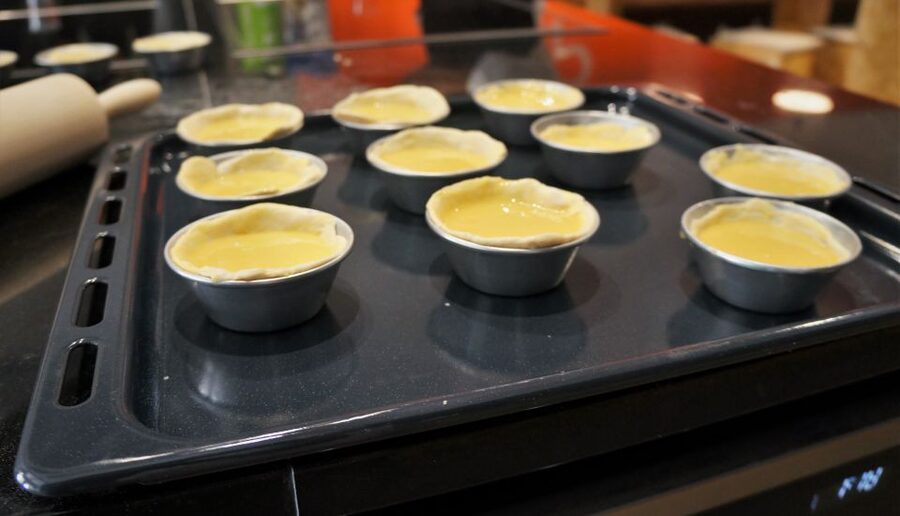
What you’ll make: Pastel de Nata plus a second Portuguese recipe
Pastel de Nata is the headline, and you will make your own batch. You also make another traditional Portuguese recipe as part of the same 2-hour session, so you leave with more variety than just a tray of egg tarts.
Here’s what matters for your expectations. Pastel de Nata is built on a combination of crisp shell and creamy custard. The class structure means you spend time on the parts that matter most: shaping the tart forms and filling them correctly.
For the second recipe, people have described a range of Portuguese sweets. Some sessions include custard-style desserts such as farófios (a meringue-and-custard dessert), and other people mention merengue desserts with custard or Portuguese cod-based treats like cod fritters and bacalhau cakes. Since the second recipe can vary by session, I recommend checking what your specific class lists when you book, if that detail is important to you.
Either way, you are learning Portuguese home-style baking, not just assembling something pre-made and calling it a day.
How the 2-hour kitchen schedule actually feels
This class moves at a practical pace. You start in the kitchen at the partner’s meeting location in Lisbon, then the group gets rolling with prep and step-by-step instruction in English.
Most of your time is spent doing the work. People often note that the class is friendly for beginners, but still structured enough that even someone who considers themselves a “bad cook” can produce good results. The reason is that the teaching is broken into small decisions you can handle.
A common theme in feedback is that dough is pre-made and the custard steps are kept simple. That is good news if you are worried you will fail because you forgot the exact flour technique. It also means your attention goes to the details that make Pastel de Nata recognizable: how you portion the filling, how the custard sets, and how you bake for that signature top.
A clean, modern kitchen helps too. In feedback, people repeatedly mention a tidy setup, and one nice bonus during warm months is that some sessions are reported to have air conditioning. That matters because you are standing and working with heat and trays, so comfort affects the whole experience.
The flow, in plain terms
- Warm welcome and prep: You settle in, get briefed, and start the first hands-on tart steps.
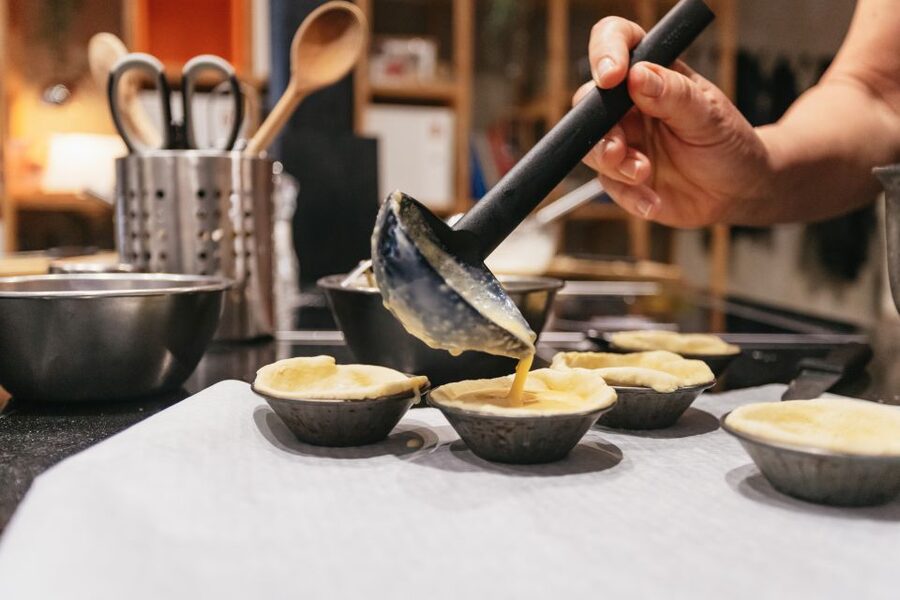
- Assemble the Pastel de Nata: You shape and fill. The instruction is designed so you can follow even if you’ve never made custard pastries before.
- Bake and move into the second recipe: While things are cooking, you shift gears to the second traditional dessert.
- Eat what you make and get the recipes to take home: At the end, you sit together and sample the results, then leave with take-home instructions.
The pastry-making moments that tend to impress people
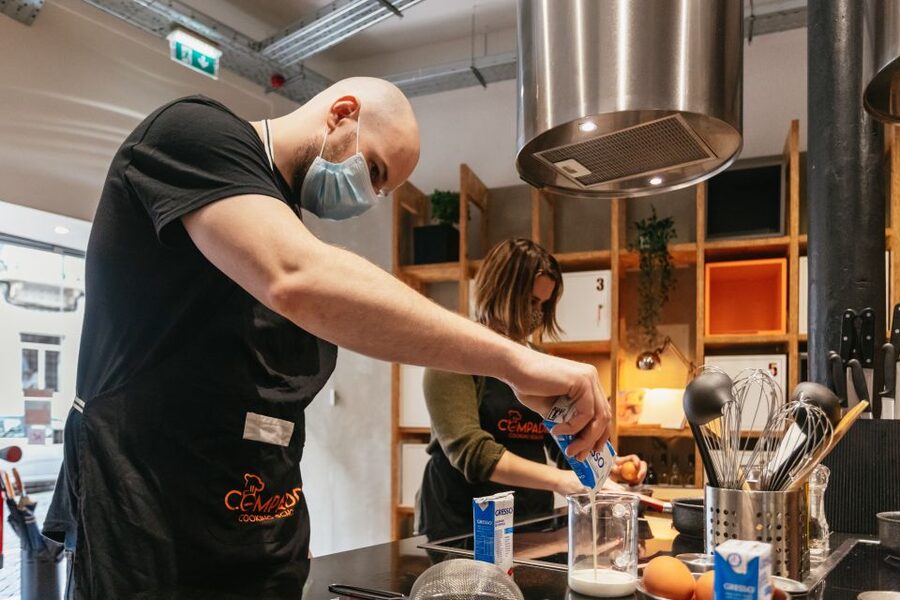
If you’re deciding whether this class is worth your time, focus on the parts that create real “I can do this at home” confidence.
More Lisbon tours and experiences for the shortlist




The tart assembly
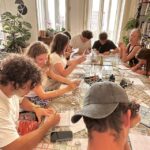
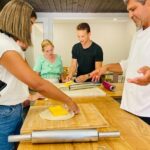
Pastel de Nata is delicate. The difference between decent and excellent usually comes down to how you fill the shells and what you do right before baking. The class teaches those steps in a way that’s easy to repeat later, which is why so many people describe their tarts as turning out well even on a first attempt.
The custard end result
Custard can look fine before baking and then turn wrong afterward. Good guidance helps you read what is happening and adjust your approach. People who go through the class often mention that the instruction includes very clear advice on preparing pastry and custard.
Working in a group without feeling rushed
Feedback highlights an upbeat, casual atmosphere. You’re not expected to be a professional baker. You get guided instruction, and the class feels social but not chaotic.
One small caution: some feedback notes that the class includes tea and coffee in descriptions, but tea may be offered while coffee availability can vary. If coffee is a must for you, I’d plan to bring your own expectations and also ask what’s being served for your session.
Tea, a light meal, and the best reason to pay for the class
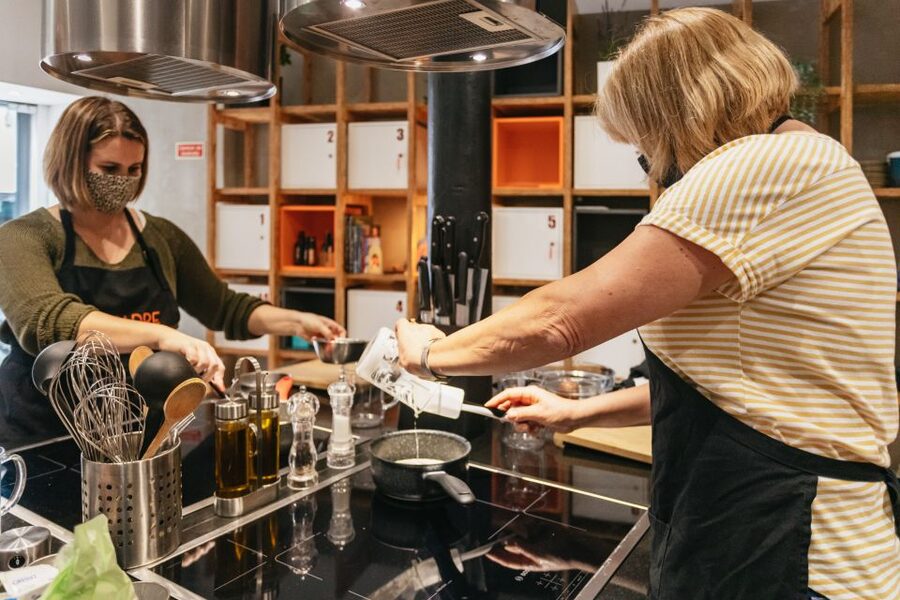
It’s easy to say food tastes good. The more useful point is that you eat what you bake, together, at the end. That makes the class feel like more than “a cooking demo you watch from the sidelines.”
What’s included is tea, and the class also includes a light meal to share after cooking. In some experiences, people point out that what you eat is essentially the pastries you made, so it isn’t a heavy lunch. For planning, think “post-baking tasting” rather than a full meal that replaces dinner.
This is still a good value. Your ticket pays for:
- equipment, utensils, and ingredients
- an instructor who leads you step by step
- insurance
- two different recipes
- tea
The recipes to take home are the part that keeps paying off after your Lisbon trip. If you’ve ever tried to recreate a pastry from memory, you already know how much that matters.
Price and value: what you’re really buying for $64
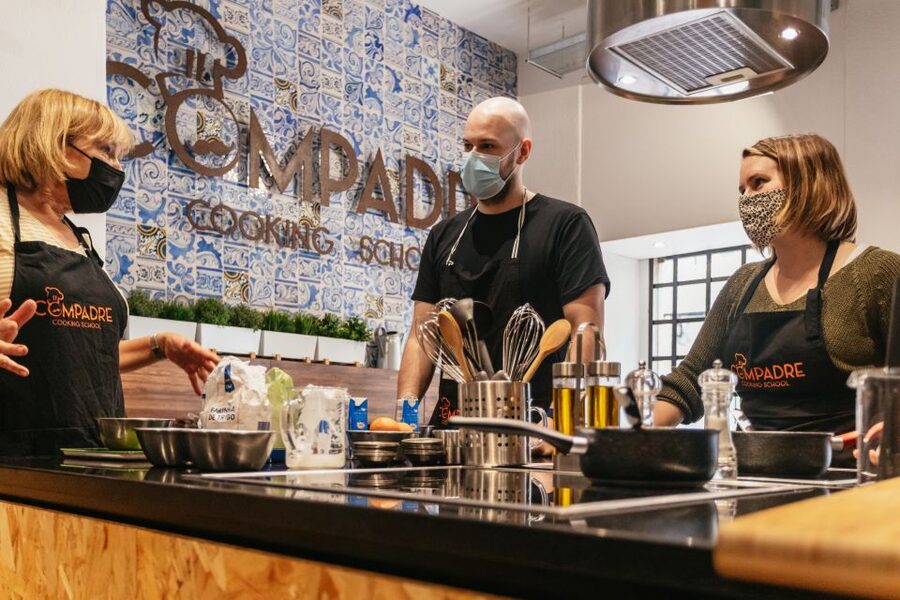
At $64 per person for a 2-hour class, you are paying for more than the ingredients. You’re buying guided technique plus the chance to produce two Portuguese treats without guesswork.
Here’s the value angle that makes sense in real life:
- You get two recipes in one session, which boosts the “cost per dessert.”
- You receive structured instruction, which reduces the odds of wasted ingredients.
- You get take-home recipes, so the class becomes a future cooking tool, not just a one-time bite.
Where you might feel less thrilled is if you expected a big sit-down meal or lots of extra refreshments. One review-style comment mentions that arrival hospitality could be better, such as offering a cold drink right away, and another mentions tea and coffee not being offered as advertised. These aren’t dealbreakers for most people, but if you’re the type who really cares about drink service, it’s worth mentally adjusting expectations to “tea is included.”
Meeting point and logistics in Lisbon (no pickup means you plan your timing)
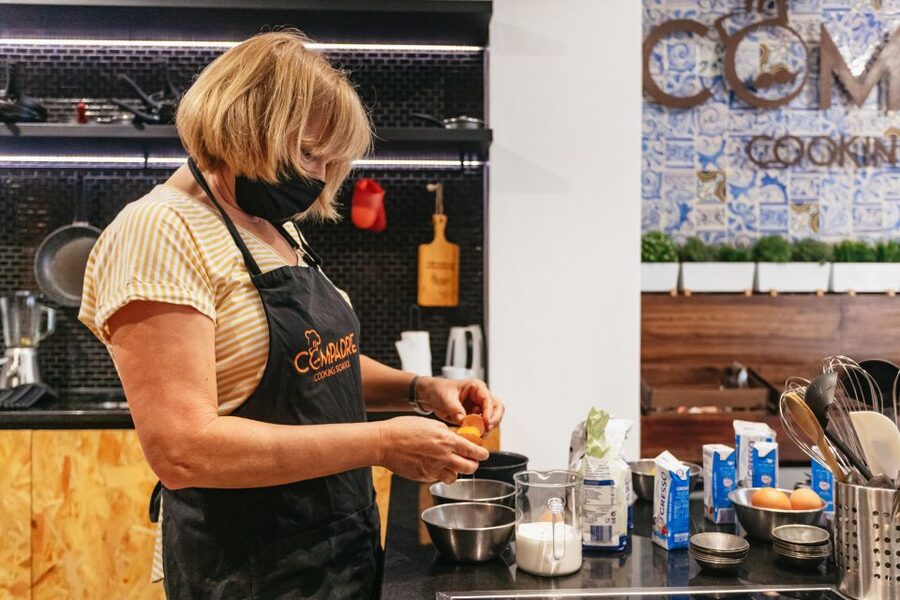
There is no pickup or drop-off included. You meet in the kitchen at the local partner’s meeting location in Lisbon. That means two practical things for your day:
1) You should build in buffer time to find the kitchen address.
2) Wear comfortable shoes, because you will be standing for about 1 hour 20 minutes.
If you are staying in central Lisbon, you can usually manage this kind of activity without special transport. But because you are meeting at a specific kitchen location, I would not treat this as a last-minute plan. Go early enough that you can arrive calm.
Also, there are rules: pets are not allowed, and smoking is not allowed.
Who this Pastel de Nata class is best for
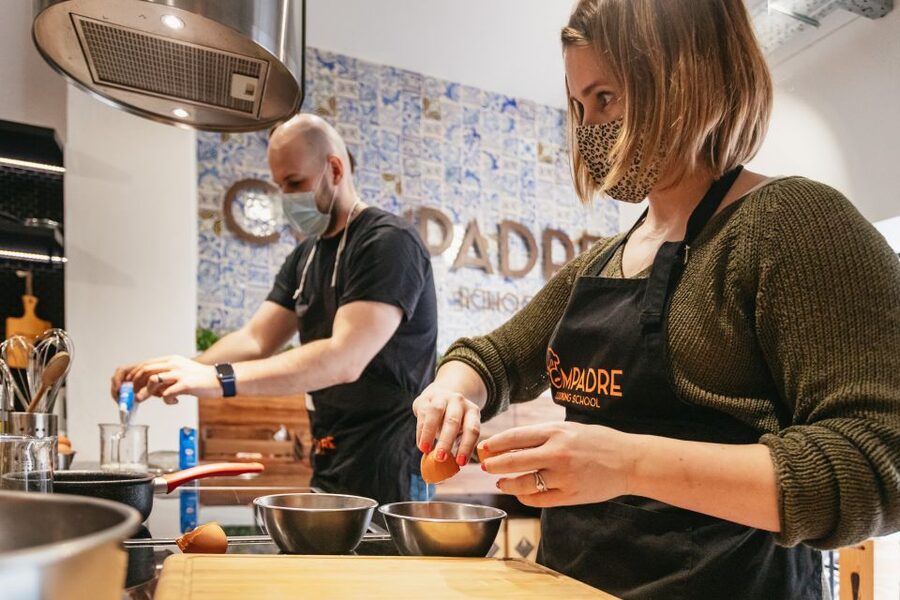
This is a strong match if you want a hands-on Lisbon activity with a clear endpoint: you bake, you eat, and you take the recipes home.
You’ll likely enjoy it if:
- you want English instruction and step-by-step guidance
- you are a beginner who wants structure
- you like Portuguese food and want a food-focused cultural experience
- you enjoy the social part of shared cooking, because the class is casual and interactive
It might not be ideal if:
- you have back problems, since standing is part of the experience
- you need a very vegan-friendly menu, because Portuguese cuisine is not very vegan friendly. If you’re vegan, you should contact the local supplier ahead of time.
A quick note on dietary needs and how to handle them
The class is grounded in Portuguese pastry traditions, and that matters for your dietary planning. Portuguese cuisine is generally not very vegan friendly, so if you’re vegan, reach out before booking to see what can be adapted.
Also, while tea is included, other beverages are not listed as included. If you have strict preferences about drinks, it’s smart to confirm what’s served for your exact session.
Should you book this Pastel de Nata cooking class
Book it if you want a practical Lisbon experience that turns into a skill you can use later. The strongest reasons to book are simple:
- you make Pastel de Nata correctly with clear guidance
- you also make a second Portuguese recipe
- you leave with take-home recipes, plus you get to eat what you bake
I’d skip it if you cannot stand comfortably for about 1 hour 20 minutes, or if vegan needs are non-negotiable for you and you can’t get a satisfactory adaptation.
If you’re in Lisbon for a short stay and want one activity that feels authentic, food-focused, and doable even when you’re not confident in the kitchen, this is a very solid choice.
FAQ
How long is the Pastel de Nata cooking class?
The class lasts 2 hours.
How much does it cost?
It costs $64 per person.
What will I cook during the class?
You will make your own Pastel de Nata and another traditional Portuguese recipe.
Is the instructor available in English?
Yes. The instructor provides instruction in English.
What is included in the price?
The price includes cooking equipment, utensils, and ingredients, an instructor, insurance, two different recipes, and tea.
Is pickup and drop-off included?
No. Pickup and drop-off are not included.
Is the class vegan-friendly?
Portuguese cuisine is not very vegan friendly. If you’re vegan, contact the local supplier beforehand to discuss options.
Are there restrictions or health considerations?
Pets are not allowed, smoking is not allowed, and the activity involves standing for about 1 hour 20 minutes, so it is not recommended for people with back problems.
More Workshops & Classes in Lisbon
More Cooking Classes in Lisbon

More Tour Reviews in Lisbon






Not for you? Here's more nearby things to do in Lisbon we have reviewed











Lisbon City Tours, side by side.
 ★ 5.0Lisbon City Center Tour – The Unmissable LisbonTickets from $322,234 traveller reviews
 ★ 4.7Sintra, Pena, Regaleira, Cabo da Roca & CascaisTickets from $2319,656 traveller reviews
 ★ 4.1Jerónimos Monastery Entrance TicketTickets from $2114,164 traveller reviews
 ★ 4.8History, Stories and Lifestyle Walking TourTickets from $2910,902 traveller reviews
 ★ 4.5Sunset Boat Party Cruise with DJ and Open BarTickets from $2710,378 traveller reviews
 ★ 4.7Pena Palace, Sintra, Cabo da Roca, & Cascais DaytripTickets from $919,981 traveller reviews
 ★ 4.6Oceanário de Lisboa Entrance TicketTickets from $299,943 traveller reviews
 ★ 5.0True 4Hour Private Tuk Tuk Tour: Discover Lisbon with a Local!Tickets from $1088,008 traveller reviews
More useful lists for this tour