
Review · LISBON CITY TOURS
Hands on Portuguese Cooking Class in Lisbon
Cooking in Lisbon turns dinner into a lesson.
This hands-on class at Compadre Cooking School is a practical way to learn a full Portuguese meal from start to finish, not just watch and snack. I like that the small group setup keeps the attention on you and your questions, and it starts in a simple, central place so you can get going fast.
What I also really liked is that you take home the recipes, so the class keeps paying off after your flight. One thing to consider: the feedback I saw also calls out that wine and dessert can be limited, so if you love a big, restaurant-style spread with dessert, you may want to plan one after class.
Key Highlights That Matter
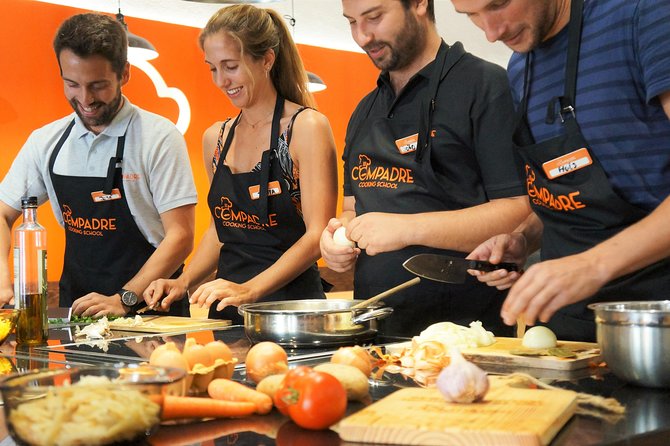
- Max 12 people means you actually get coaching at your station, not a demo you only half follow
- Three-course Portuguese menu teaches a full flow, starter to mains, so you can recreate the whole meal
- Recipes to take home make this more than a fun night out
- English instruction keeps technique clear and cultural context easy to understand
- Cod-centered Portuguese cooking shows why bacalhau matters in everyday Portugal
- Instructors like Anna and Marta bring clear, step-by-step guidance plus dish stories
Compadre Cooking School: Easy to Find, Easy to Settle In
This class meets at Compadre Cooking School, R. Heliodoro Salgado nº14, 1170-176 Lisboa. Since it’s a fixed meeting point and the activity ends back there, you avoid the headache of hopping between locations. It’s also listed as near public transportation, so even if you’re not using a car, you can still fit this into a day of walking and museum stops.
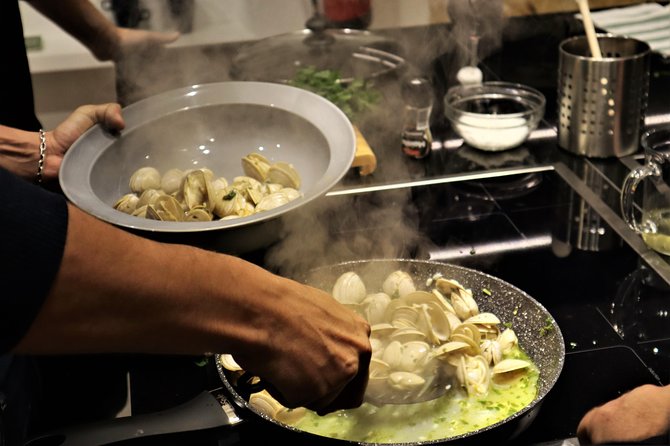
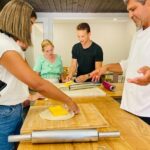
The venue itself matters. From the way the class is described and the way people talk about it, it’s set up like a real cooking school, not a cramped corner of a restaurant. Each person gets their own kitchen station, which is a huge difference when you’re learning knife work, sauces, seasoning, and timing. You can move at the pace of the instructor, and when you mess up a step, you get corrected right away.
Also, it’s run with a maximum group size of 12. That small-number detail is one of the biggest reasons this kind of class can feel personal. You’re less likely to get stuck watching someone else cook while your own food quietly overcooks.
You can also read our reviews of more cooking classes in Lisbon



What You Actually Cook: A Full Portuguese Meal in 3 Hours
You’re not doing a “two bites and a photo” experience. The goal is a full Portuguese meal, built course by course, in about three hours. The sample menu is:
- Starter: a traditional Portuguese starter
- Main (fish): a traditional codfish recipe
- Main (meat): a traditional meat dish
That combination is smart. Portuguese cuisine uses seafood and cured fish heavily, and bacalhau (salt cod) is practically a national institution. So learning a cod dish here gives you more than dinner. You learn a style of cooking and seasoning that shows up across Lisbon menus.
You’ll also pick up the rhythm of a multi-course meal. Even if you’ve cooked at home before, cooking a starter plus two mains teaches you how Portuguese home cooking tends to think in sequences: prep, heat, season, then get everything on the table without chaos.
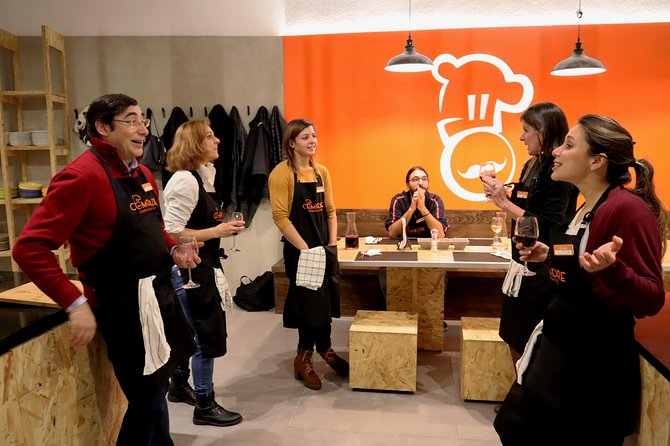
One more practical point: because you cook and then eat what you make, the class ends with a meal that feels earned. Several people highlight the joy of sitting down together at the end, sharing the results, and comparing what everyone’s dish looks like.
The Flow Inside Class: Stations, Step-by-Step Coaching, and Real Work
Here’s what the experience is like in practice. You walk into a spacious school kitchen, get assigned a station, and start cooking. You’re not stuck waiting for a single speaker to talk while you hold a utensil like a prop.
The class structure is built around:
- Step-by-step instruction
- Hands-on prep and cooking at your own station
- Instructor oversight while you work
- A shared sit-down meal at the end
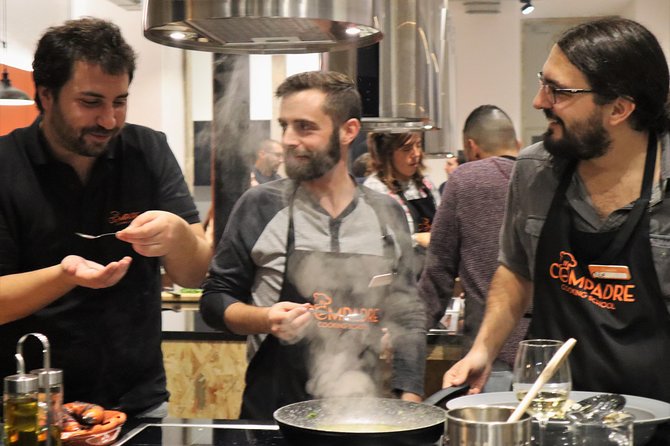
This is where small group size earns its keep. When there are fewer people, instructors can watch your seasoning, check a sauce consistency, and point out common mistakes before they snowball. People also mention that the instructors are patient and clearly guide each dish, which matters if you’re not a confident cook.
You’ll likely do more prep than you expect. In the feedback, one example called out preparing shrimp by removing heads and deveining. That’s not everyone’s favorite moment, but it’s exactly the kind of hands-on task that turns a cooking class into a real skill you can use later.
The Dishes: Cod, Spicy Chicken, and Portuguese-Style Meat
Codfish is central here. The sample menu specifically includes a traditional cod recipe, and one review notes how much they learned about bacalhau and why it’s so important in Portugal’s cuisine. That cultural link is useful because it helps you understand what you’re eating, not just how to cook it.
You may also cook other Portuguese favorites. One person describes peri peri chicken and mentions cod and a prawn dish in the same class experience. That suggests the “meat dish” component can land in the spicy, pepper-friendly zone Portuguese cooking is known for. Peri peri flavor is big in Lisbon, and once you taste it and learn the basic technique, ordering it in restaurants gets easier. You know what you’re looking for.
For the meat course, you’ll follow a traditional recipe format, with your station doing the work and the instructor guiding. The key is that you’re taught enough technique to reproduce the dish later, not just follow a single step-by-step list you’ll forget next week.
If you’re wondering what kind of cooking skill level this fits: multiple reviews call out that it’s accessible even for people who cook often, and also fun for people with little cooking interest. The style seems to be structured and clear, not technical for technical sake.
The Cultural Bonus: Stories Behind the Dishes
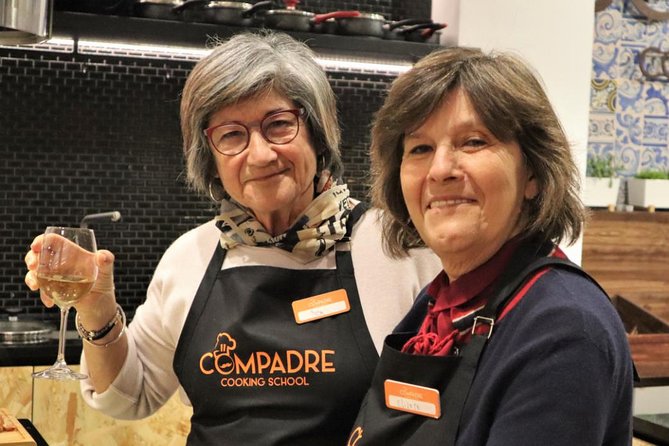
This class doesn’t treat Portuguese cooking as a set of random recipes. Instructors add context on what makes Portuguese dishes Portuguese, and why certain ingredients and methods show up again and again.
In the feedback, Anna is repeatedly mentioned as an instructor who explains things in a colorful way, including Portugal-related history and dish traditions. Marta is also mentioned for warm, welcoming instruction and cultural and historical perspective. Nina and Ana show up in notes too, reinforcing that you’ll have a real team teaching, not rotating generic guides.
You’ll probably walk away with a better sense of how Portuguese flavors are built. For instance:
- Why bacalhau is so common and revered
- How pepper choices and spice levels show up in Portuguese cooking
- How recipes connect to local food habits, not just tourist taste
That kind of context pays off fast. After a class like this, restaurant ordering gets simpler. You’re more likely to recognize what you’re seeing on menus and choose dishes with confidence.
More Lisbon tours and experiences for the shortlist



Recipes to Take Home, Plus Skills You Can Use Tonight
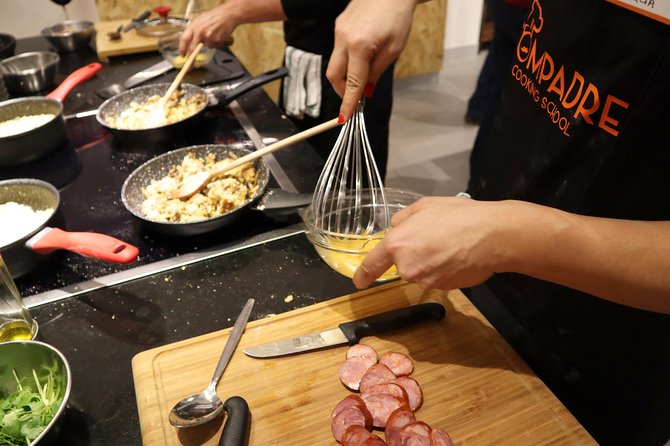
The standout “value that keeps going” is the recipes you take home. That’s the difference between a cooking class that ends when you wipe your cutting board, and one that helps you cook again.
You’ll get instructions for dishes you already made with your own hands. That matters because you can compare your result at home to something you already successfully completed in class. If the sauce is too thin, or the timing is off, you’ll know what “right” tasted like.
Also, a multi-course meal teaches you workflow. Even if you never make the exact same starter again, you still learn:
- How to prep in a logical order
- How to manage timing for a fish dish and a meat dish
- How to season in a way that holds up in a full meal
And yes, the social part helps too. Several people mention sharing the meal with the other students at the end, which turns the class into an evening that feels like dinner with new friends, not a lonely kitchen workshop.
Price and Value: Is $82.24 Worth It?
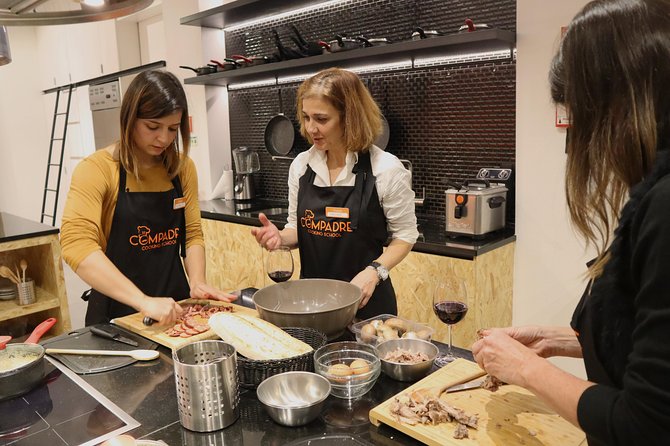
At $82.24 per person for about 3 hours, this isn’t a bargain-basement activity. But cooking classes like this usually cost what they do because you’re paying for:
- A real cooking-school kitchen
- Individual station time
- Instructor coaching
- Ingredients for multiple courses
- The recipes you can actually use later
For value, think about what you’re getting. You’re making a three-course Portuguese meal, not just one dish. You’re also leaving with knowledge you can replay at home, which turns the price from “one night of fun” into “a repeatable skill.”
The limited drawback is that some people noticed limited wine options. One feedback example mentions only one bottle of wine offered for five adults, and another mentions wanting dessert. If your idea of value includes a wine-and-dessert package, you may feel slightly underfed compared with a full meal out.
Still, the high rating and the repeated praise for instruction quality, cleanliness, and hands-on work suggest the core value is strong: you learn, you eat what you made, and you get recipes to keep.
Who This Lisbon Cooking Class Fits Best
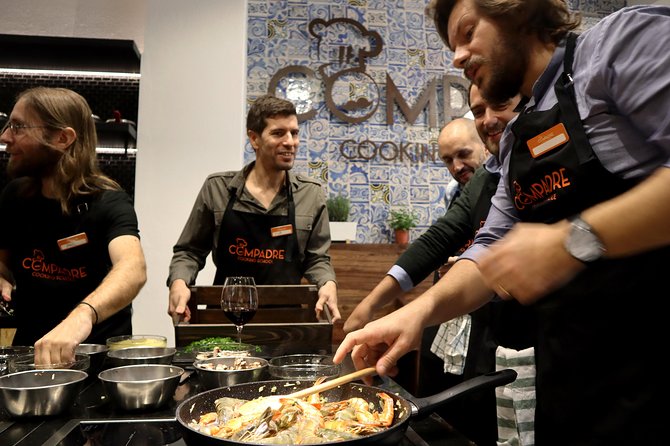
I think this is a great match if you want a Lisbon experience you can taste and recreate.
You’ll likely enjoy it if:
- You want hands-on cooking, not just a show
- You like Portuguese flavors, especially cod and pepper-forward dishes
- You want small-group attention and clear step-by-step guidance
- You’re traveling in a group or as a couple and want an easy shared activity
It also works well for first-timers to Portugal. One person used it early in their trip as an intro to Portuguese cuisine and said it helped them order better for the rest of the week. That’s a smart use of one evening. Learn the building blocks, then eat with better instincts later.
On the other hand, if you only want a long sit-down meal experience, or you specifically want dessert included as part of the class, you might feel it doesn’t match a restaurant-style expectation. The class seems focused on cooking and eating the main courses, with some guests expecting more from alcohol and dessert options.
Should You Book This Lisbon Cooking Class?
Book it if you want a small-group, English-friendly, hands-on way to learn Portuguese cooking that you can repeat at home. The recipe take-home part and the three-course structure are the big reasons it feels like more than a one-time activity. Between the mentions of Anna and Marta, the attention at individual stations, and the cod and pepper flavors you’ll learn, this makes a strong “skills plus dinner” plan.
Skip it only if wine and dessert are must-haves for you, because the class is not positioned as a full restaurant feast with unlimited add-ons. If that’s your style, you can still do the cooking class and then treat yourself to dessert elsewhere in Lisbon the same night.
More Workshops & Classes in Lisbon
More Cooking Classes in Lisbon

More Tour Reviews in Lisbon






Not for you? Here's more nearby things to do in Lisbon we have reviewed












Lisbon City Tours, side by side.
 ★ 5.0Lisbon City Center Tour – The Unmissable LisbonTickets from $322,234 traveller reviews
 ★ 4.7Sintra, Pena, Regaleira, Cabo da Roca & CascaisTickets from $2319,656 traveller reviews
 ★ 4.1Jerónimos Monastery Entrance TicketTickets from $2114,164 traveller reviews
 ★ 4.8History, Stories and Lifestyle Walking TourTickets from $2910,902 traveller reviews
 ★ 4.5Sunset Boat Party Cruise with DJ and Open BarTickets from $2710,378 traveller reviews
 ★ 4.7Pena Palace, Sintra, Cabo da Roca, & Cascais DaytripTickets from $919,981 traveller reviews
 ★ 4.6Oceanário de Lisboa Entrance TicketTickets from $299,943 traveller reviews
 ★ 5.0True 4Hour Private Tuk Tuk Tour: Discover Lisbon with a Local!Tickets from $1088,008 traveller reviews
More useful lists for this tour