
Review · LISBON CITY TOURS
Traditional Lisbon Food Tasting Experience
Food first, Lisbon second, in a quiet neighborhood. I love how this tour focuses on Campo de Ourique and keeps things grounded in everyday local eating, and I love that you get 14 tastings across entrees, mains, and desserts. The main consideration is dietary needs, because there may be a few dishes you cannot taste (and you should advise allergies ahead of time).
It’s also refreshing that the goal is not big-sightseeing. You start near the Igreja de Santo Condestável, then spend the morning and afternoon moving from small local bites to a restored market experience that feels designed for eating well, not just looking.
One more plus is the human factor. Guides such as João are praised for a relaxed pace and for explaining where the food comes from and why it matters in Portuguese life. If you’re expecting lots of museum time or panoramic viewpoints, you might feel underfed on that front.
Key highlights I’d prioritize
- Campo de Ourique, a lesser-known neighborhood: You’ll spend your time in a calmer part of Lisbon where the guide actually lives in the area.
- 14 tastings across 4 stops: It’s structured enough to feel like a meal, not random snacking.
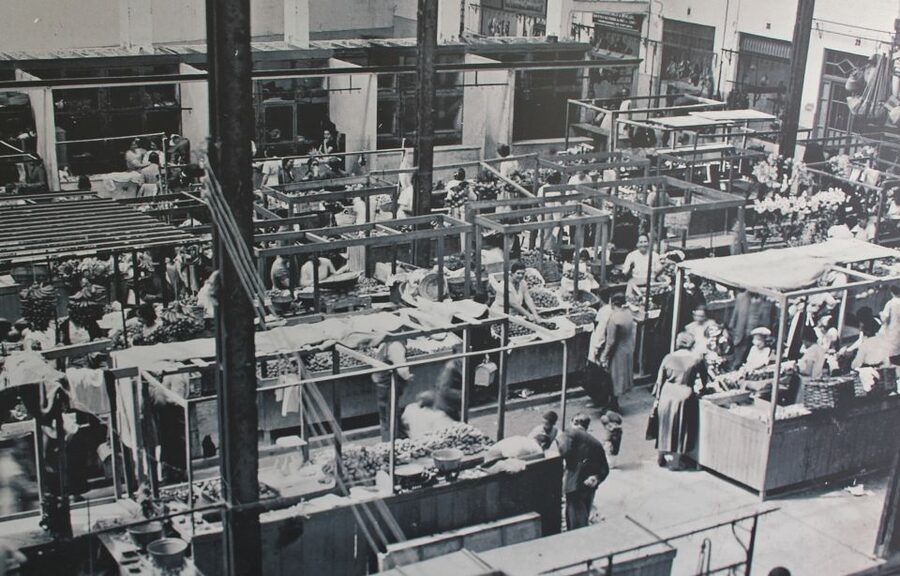
- A fully restored market setting: You’ll get the more refined tastings in a market that helped set the trend for the new markets era.
- Big-name flavors, explained clearly: Expect Portuguese classics like porco preto and bife de atum, plus the stories behind them.
- Dessert-heavy finish: Pastel de nata, a best-known chocolate cake, roasted almonds, and ginjinha close it out.
- Local secrets for the rest of your stay: You’ll leave with suggestions for where to go and what to eat next.
Why Campo de Ourique makes this Lisbon food tour feel local
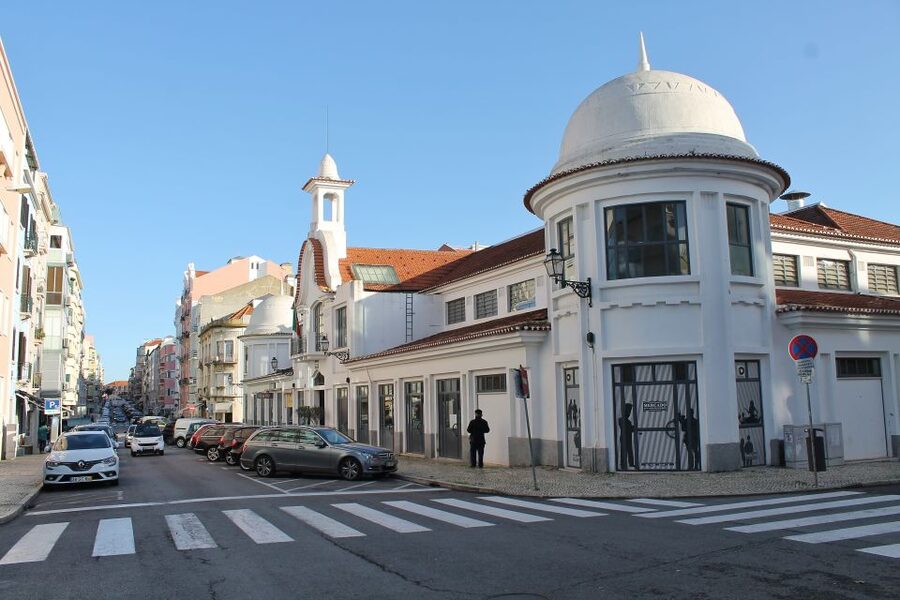
Most Lisbon food tours drag you through the same handful of central streets. This one is different because it’s built around Campo de Ourique, a residential neighborhood with its own rhythm. You’ll walk through places that feel like they belong to locals, where eating out is part of the day, not a choreographed performance for tourists.
I also like that the guide links the food to Portuguese culture and history. That matters because Portugal’s cooking did not develop in a vacuum, and you’ll hear how Portuguese cuisine influenced other cultures over time. The result is that you taste with context, not just with curiosity.
The trade-off is also clear: this is not a sweeping tour of Lisbon landmarks. The tour is made for foodies, so your main “sightseeing” is what’s on the table and what the neighborhood looks like from street level while you’re moving.
You can also read our reviews of more food & drink experiences in Lisbon



Start at Igreja de Santo Condestável, then follow the food trail
The meeting point is in front of the entrance of the Igreja de Santo Condestável church, and the tour ends back at the same spot. That loop is practical, because you don’t have to worry about crossing town at the end with an empty stomach and tired feet.
Duration is listed as 3 hours, with tours running in the 3 to 4 hour range depending on the start time. Since transportation and pick-up are not included, you should plan to get yourself to the meeting point by your own means. Expect walking between tastings, and bring shoes you can stand in comfortably, because this is an eating tour with real time on your feet.
One helpful detail: the tour is private (for a group up to 2, based on the pricing). A smaller group usually means you can ask questions without waiting for the guide to catch up, and you can keep the pace comfortable.
Four tasting stops, 14 dishes, and how to get the most out of them
This tour is built around 4 tasting stops and 14 tastings total, including entrees, main dishes, and desserts. For value, that structure is the point. You’re not left guessing what counts as a tasting, because it’s set up as a sequence of bite-sized portions that still feels like a proper meal.
Here’s how I’d approach it so you enjoy the full spread. First, treat each stop as a different “chapter” of Portuguese food. Start with the entrees to learn the foundations, then use the market stop to connect those flavors to more refined local staples, and finally save your attention for desserts, where the tour really aims to leave a mark.
Also, pay attention to what the guide says about ingredients and production. The tour is designed so you learn why each dish tastes the way it does, including curious flavors and traditions tied to the food. If you’re someone who likes cooking details, this is the part that will pay off later when you’re picking dishes off menus.
Entrees in Campo de Ourique, where the story begins
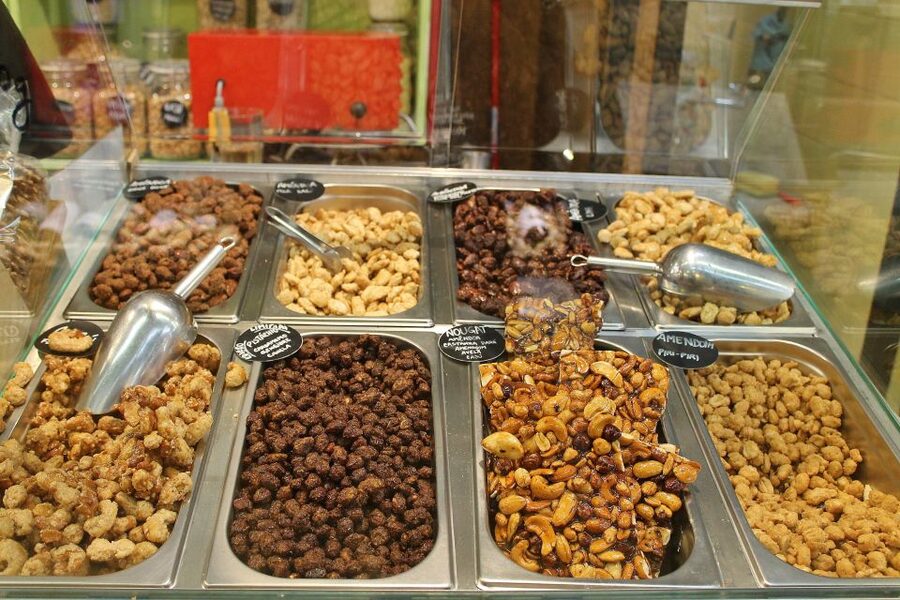
The tour’s first phase happens in Campo de Ourique, away from the most mass-tourism corridors. You’ll start tasting typical Portuguese entrees in different local locations, and the guide will explain how each one fits into Portuguese culture.
This is where you’ll notice the tour’s real intention: it’s not “see a street, taste a bite.” Instead, it’s designed as a food education run through a neighborhood. Expect the guide to tie Portuguese culture and history to the dishes, so the flavors connect to real living traditions.
You should also calibrate your expectations for this stage. Entrées are often lighter than mains, and with 14 tastings total, the goal is variety, not piling on huge plates. If you arrive hungry and pace yourself through the first stop, you’ll be in much better shape for the market classics later.
And one practical note: if you have dietary restrictions, there will be a few dishes you may not be able to taste. The earlier you share needs and allergies, the easier it is for the guide to manage what you can safely enjoy.
The restored market stop, porco preto and bife de atum in context
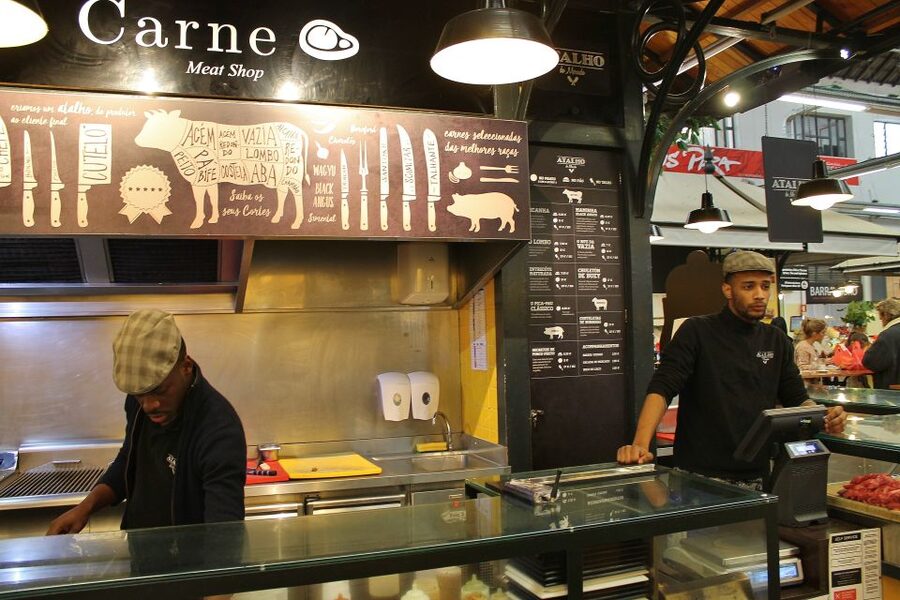
The market stop is one of the biggest reasons to book this tour. You’ll go to a local, completely refurbished market place, described as part of Lisbon’s “new markets era.” That word choice matters. It signals a shift toward markets that function as food destinations, not leftovers from the past.
This is also where the tour gets more “main-course” serious. You’ll taste Portuguese stars like porco preto (Iberian black pork) and bife de atum (grilled tuna steak), along with other typical dishes. The guide will explain the curious flavors and traditions for each, so you can understand why these ingredients show up again and again in Portuguese eating.
What I’d watch for here is how the flavors change by category. Tuna and black pork are both big-ticket protein choices, but they taste different in texture and depth, and that contrast helps you map Portuguese cuisine as more than one style. If you’re later trying to order in restaurants, this stop gives you a mental menu you can trust.
The market itself also changes the feel of the tour. Up to this point, you’re walking through neighborhood eating. At the market, you’re tasting in a space built for food focus, which often makes it easier to slow down and really pay attention to what you’re eating.
More Lisbon tours and experiences for the shortlist


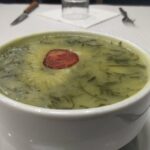

Dessert finale: pastel de nata, best chocolate cake, almonds, and ginjinha

The end of the tour is where most Lisbon food experiences either fizz out or go out with style. This one aims to do the second thing, with a dessert run that includes some of Portugal’s best-known sweets and finishes with an alcoholic classic.
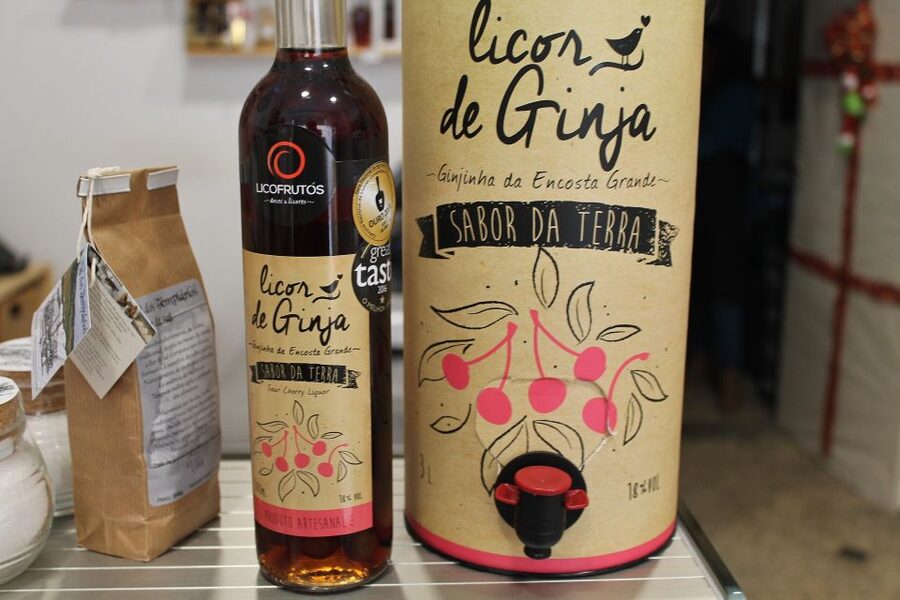
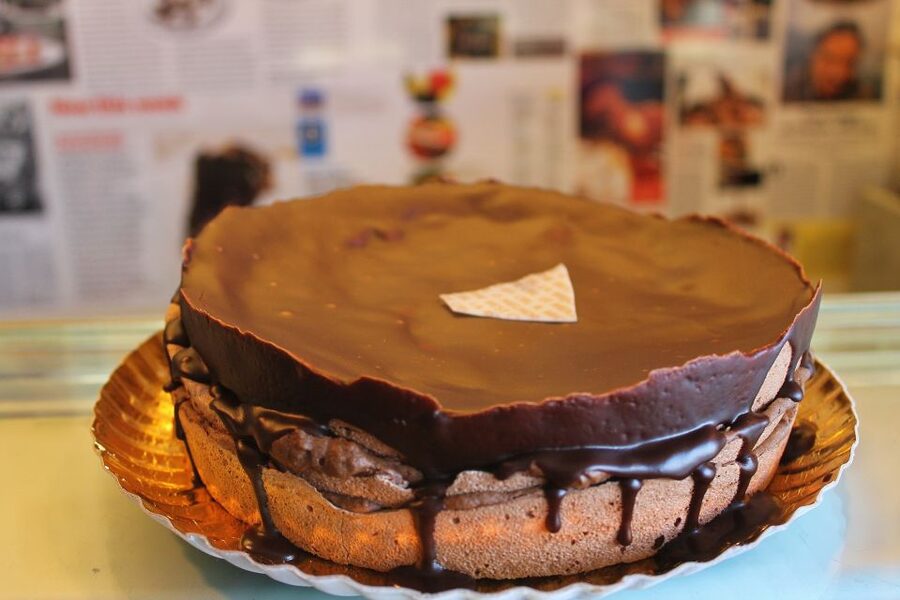
You’ll wrap things up with the best chocolate cake in the world, then move to pastel de nata at a bakery elected for several years as the best in Portugal. After that, expect roasted almonds, and the tour ends with ginjinha (cherry liqueur), which won an international 2016 Great Taste Award.
This is a smart design for a tasting tour. Dessert helps you connect Portugal’s cooking identity to its local sugar culture, and pastel de nata is the kind of dessert you’ll see everywhere, but taste differently depending on the bakery. The chocolate cake and roasted almonds also give you variety so the sweetness does not all blend together.
The ginjinha is a practical final touch. It’s not just a drink, it’s a strong ending flavor that signals Portugal at the bar-and-street level. If you prefer non-alcoholic options, the tour does not list drink substitutions, and drinks are not included anyway, so you’ll want to clarify what’s available if you’re avoiding alcohol.
History and local tips, without turning it into a sightseeing show
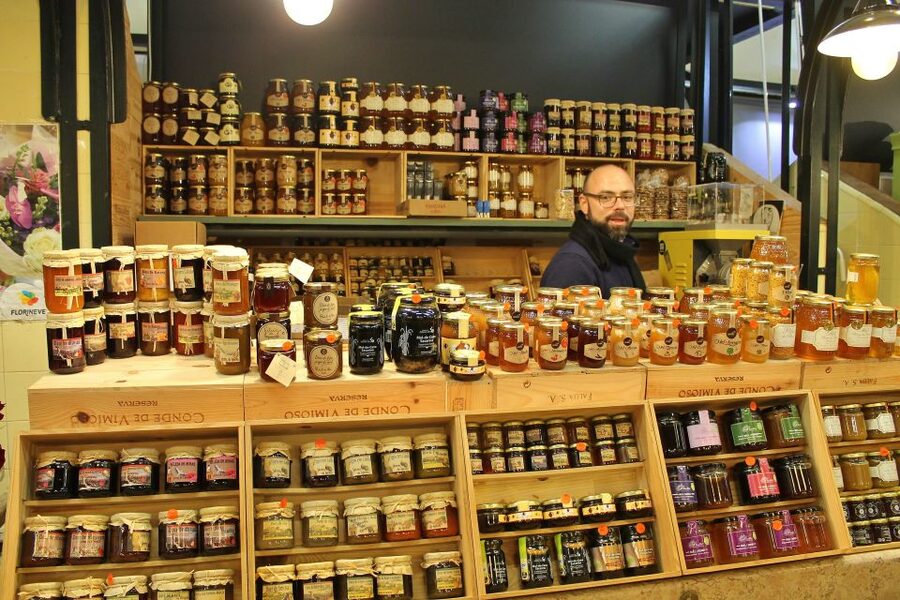
This tour threads Portuguese culture and history into the food, and that’s the value beyond eating. You’ll hear how Portuguese cuisine influenced other cultures, which gives you a bigger picture while still staying grounded in bite-sized tastings.
You’ll also get suggestions and secrets for the rest of your stay in Lisbon. I like this because it’s not generic “go here” advice. A neighborhood-based guide can point you toward places that match your preferences, whether you want more traditional dishes or a market-style stop for your next meal.
One drawback to plan for: don’t expect “sightseeing.” The tour description makes it clear this is designed for foodies. If your day plan depends on seeing major viewpoints, you’ll need a separate plan for that, and you’ll probably want to schedule this tour for a food-forward block of time instead of cramming it between attractions.
Price and value for a private group up to 2
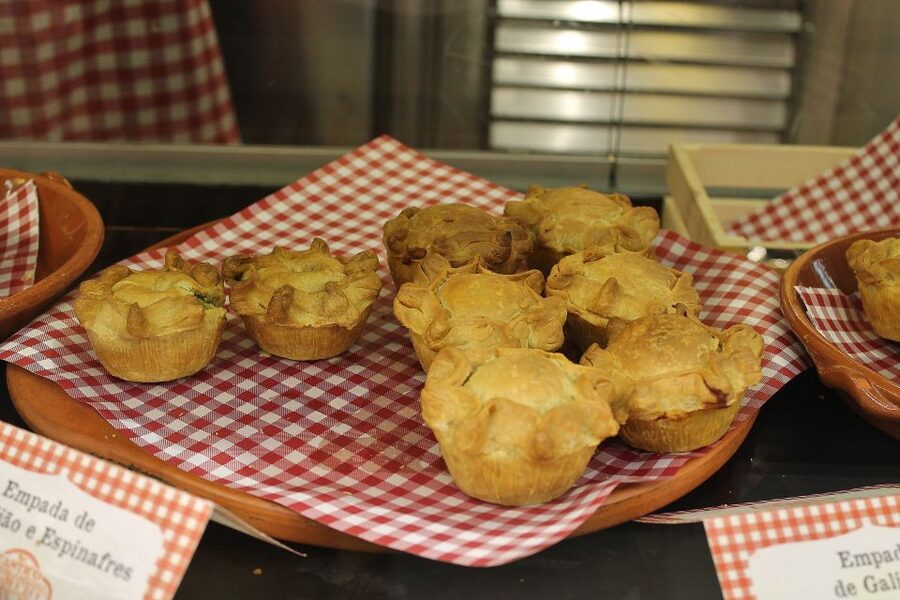
The price is listed as $200 per group up to 2. That pricing can feel high if you compare it to big group tours, but the math changes when you look at what you get: 14 tastings, 4 tasting stops, and a guided experience anchored in one neighborhood with culture and food history tied in.
Also, it’s private, which usually means you spend more time with the guide and less time waiting. For couples or two friends who prefer conversation over crowds, that matters. And because transportation and pick-up are not included, you should budget separately for getting to the meeting point.
Drinks are also not included, which is important to know if you planned to add wine or beer during the tastings. The tour does end with ginjinha as part of the experience description, but beyond that, your other beverages are not included. If you like pairing food with drinks, check what’s included in the tastings you’ll receive, then plan any extras.
On balance, this is best value when you treat it like a full meal experience plus local guidance. If you only want one or two tastes, you can likely do cheaper on your own. If you want a curated path through Portuguese flavors with context, this price starts to make sense fast.
Is this the right tour for you, and who might skip it?
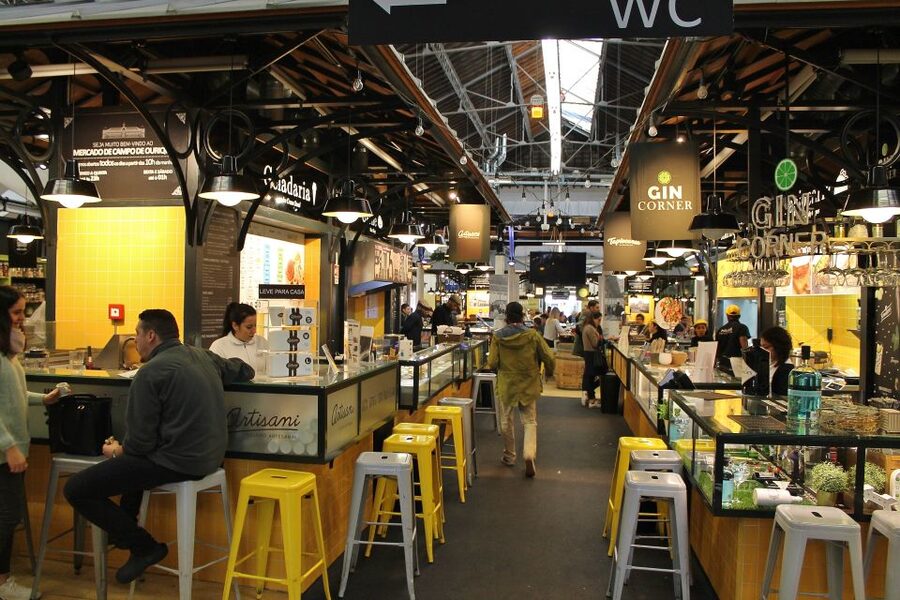
This is a strong fit if you want traditional Portuguese cuisine, you like learning why dishes exist, and you’d rather spend your limited time in Lisbon eating well than ticking off landmarks. The Campo de Ourique focus makes it especially appealing if you’re tired of the usual mass-tourism loop.
You should also consider it if you enjoy structured tasting. Four stops and 14 bites means you get range without making every stop a decision. And the dessert finale is a big reason to book, because it’s built to end with the kinds of sweets that people actually remember after the trip.
You might skip this if any of the following are true:
- You want heavy sightseeing, with major sights taking center stage
- You need many dietary accommodations, because a few dishes may not be available if you have kosher, halal, vegetarian needs, or specific allergies
- You’re expecting transport and bottled drinks to be part of the package, since transportation and drinks are not included
Should you book Traditional Lisbon Food Tasting?
I’d book it if you want a food-focused Lisbon day that shows you a quieter side of the city through Campo de Ourique eating, with enough variety to understand Portuguese flavors in one go. It’s also a good choice if you want a guide to help you plan the rest of your trip, since you’ll leave with practical suggestions and local secrets for where to eat next.
If your travel style is mostly about monuments and photos, do this tour only if you can accept a lighter sightseeing day. And if dietary restrictions or allergies are part of your reality, contact the operator ahead of time and be ready for the fact that a few dishes may not be on the menu for you.
FAQ
Where is the tour meeting point?
It starts in front of the entrance of the Igreja de Santo Condestável church.
Where does the tour end?
The activity ends back at the meeting point.
How long is the Traditional Lisbon Food Tasting Experience?
The duration is 3 hours, and it may run in the 3 to 4 hour range depending on the start time. Check availability to see exact starting times.
How many tastings and stops are included?
You’ll have 14 tastings across 4 tasting stops, including entrees, main dishes, and desserts.
Is this a private group tour, and what is the price?
Yes, it’s a private group. The price is $200 per group up to 2.
Is transportation or pick-up included?
No. Transportation and pick-up are not included.
Are drinks included?
No. Drinks, alcoholic or none alcoholic, are not included.
What if I have dietary restrictions or allergies?
There will be a few dishes you may not be able to taste if you have dietary restrictions (such as kosher, halal, vegetarian, etc). You should advise the operator about allergies so the guide can plan around them.
What languages does the guide speak, and is there a cancellation option?
The tour guide can speak Spanish, English, Portuguese, and German. Free cancellation is available up to 24 hours in advance for a full refund.
More Food Experiences in Lisbon
More Food & Drink Experiences in Lisbon
More Tour Reviews in Lisbon





Not for you? Here's more nearby things to do in Lisbon we have reviewed










Lisbon City Tours, side by side.
 ★ 5.0Lisbon City Center Tour – The Unmissable LisbonTickets from $322,234 traveller reviews
 ★ 4.7Sintra, Pena, Regaleira, Cabo da Roca & CascaisTickets from $2319,656 traveller reviews
 ★ 4.1Jerónimos Monastery Entrance TicketTickets from $2114,164 traveller reviews
 ★ 4.8History, Stories and Lifestyle Walking TourTickets from $2910,902 traveller reviews
 ★ 4.5Sunset Boat Party Cruise with DJ and Open BarTickets from $2710,378 traveller reviews
 ★ 4.7Pena Palace, Sintra, Cabo da Roca, & Cascais DaytripTickets from $919,981 traveller reviews
 ★ 4.6Oceanário de Lisboa Entrance TicketTickets from $299,943 traveller reviews
 ★ 5.0True 4Hour Private Tuk Tuk Tour: Discover Lisbon with a Local!Tickets from $1088,008 traveller reviews
More useful lists for this tour