
Review · FOOD & DRINK
Roast Specialty Coffee with Guided Tasting
Roasting coffee is way more science than you expect. This 1-hour specialty coffee roast workshop at SoLo Brewing Coffee Lab turns you from casual sipper into a person who can explain aroma, flavor, and body with confidence. The big draw is hands-on roasting plus a guided cupping where you taste the finished beans and learn what quality looks like.
I like two things most. First, you get step-by-step guidance on what to look for in green coffee and in roasted results, so the process makes sense instead of feeling random. Second, you leave with a 200g bag and tasting notes, which means you can replay the learning at home. One drawback to consider is time: at about 1 hour, it is not a long brewing course, so you will get the core skills, not a deep, multi-session certification level.
Key Highlights You Will Feel Right Away
- Roast specialty coffee in a small-group workshop, not a big demo
- Learn what to look for in green beans, before heat changes everything
- Taste the finished roast right away to judge the outcome while it is fresh
- Guided cupping session to practice aroma and flavor evaluation
- Take home a 200g bag plus tasting notes, so the class sticks
- English-led instruction with questions encouraged
Where SoLo Brewing Turns Coffee Roasting Into a Real Skill
Lisbon has plenty of coffee stops, but this is different. At SoLo Brewing Coffee Lab, the focus is on roasting as the craft that shapes what ends up in your cup. You start with coffee beans as material, then you watch and learn how heat changes them.
This matters because most coffee travel is built on taste opinions. Here, you learn a method. By the end, you will know how roasting affects what you smell, what you taste, and how the coffee feels on your tongue.
It also helps that the experience is private for your group. SoLo keeps it small-group friendly, and you are not squeezed into a crowd where your questions get lost.
You can also read our reviews of more food & drink experiences in Lisbon
Meeting Point at SoLo Brewing, and What Timing Means for Tasting
The session starts at 9:00 am at SoLo Brewing Coffee Lab, R. Pinheiro Chagas 16B, 1050-172 Lisboa. That early slot is a smart choice for coffee, because your palate is usually fresher in the morning and the process stays on schedule.
The good news is the workshop is about 1 hour, so you can fit it into a day without losing half your vacation. The tradeoff is simple: you will want to arrive a bit early, so you are ready to focus when the roasting and tasting start.
This is also offered in English, with a mobile ticket for the booking. Service animals are allowed, and it is near public transportation, which makes it easier if you are walking Lisbon neighborhoods rather than taxi-hopping.
Green Coffee Lessons: How You Learn to Judge Beans Before Roasting
The workshop begins with the idea that roasting is not magic. It is adjustment. And before you touch the roaster, you learn how to evaluate green coffee.
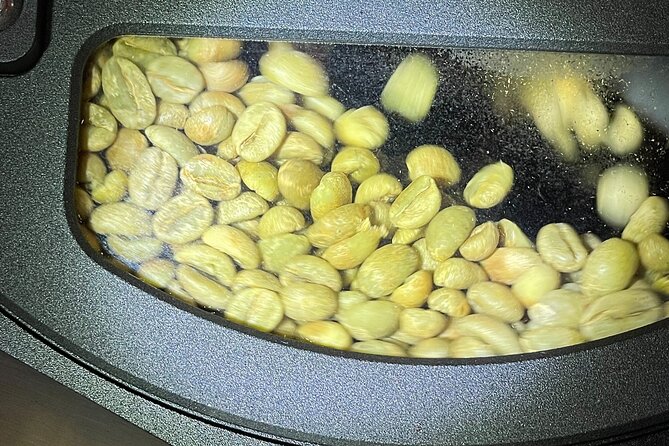
In plain terms, green coffee is the raw, unroasted bean. Its look and quality give you clues about how it might respond to heat. You practice spotting what matters so that you can later connect roasting choices to what shows up in the cup.
You will also be taught what to look for in roasted beans products. That part is useful because it shifts you from only tasting the final cup to thinking about the roasting result itself. You start to understand that if the aroma or body feels off, the cause is often earlier in the timeline.
The Roast Workshop: Watching Stages, Smelling Changes, Asking Questions
Then the fun part starts: you roast. The group is taught along the way, and the goal is not just to finish roasting. The goal is to learn how roasting stages influence aroma and flavor.
Even if you are new to coffee, this structure helps. You are not guessing. You are looking for cues at each step, and you get feedback so you can connect what you notice with what the team expects.
This is also where question time matters. The staff take their time and encourage people to ask. That is a big deal for first-timers, because roasting can feel intimidating until someone translates the process into clear, observable signals.
One more thing I like about this format is how interactive it becomes. You are not just watching the roaster and hoping it clicks. You are actively part of the process, then you immediately test the outcome.
Guided Cupping: The Tasting Method That Makes You Better at Coffee
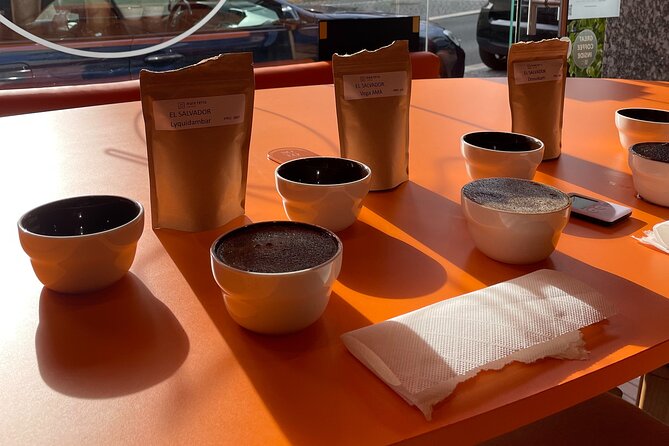
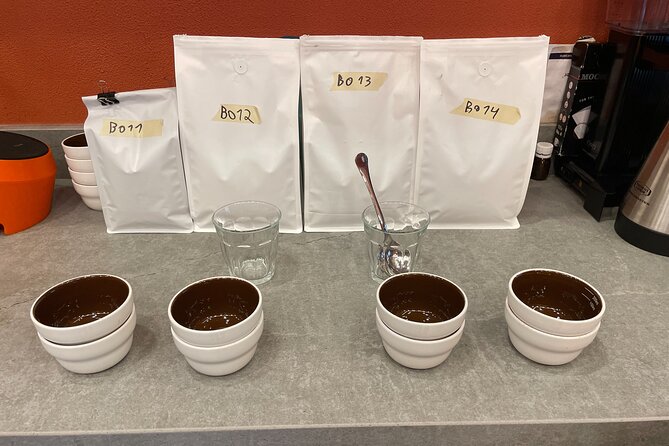
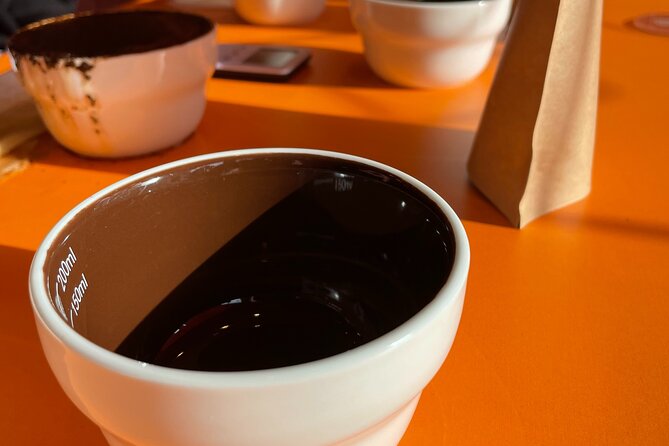
After roasting, you do a guided cupping session. This is the moment where the workshop becomes practical, not just educational.
Cupping is structured tasting. Instead of sipping casually, you smell first, then evaluate flavors, and then check the coffee’s body and overall balance. The team guides you on what to pay attention to, which helps you turn vague impressions like good or bad into specific observations.
You will taste coffee to assess how the roast turned out. That is valuable because it trains your brain to link roasting decisions to cup results. So next time you choose a roast level at a café, you are not only following branding. You understand what roasting changes in the cup.
You also get coffee and/or tea as part of the session. That can help if you prefer a softer entry to the tasting, or if you want a quick palate reset while comparing.
You can also read our reviews of more guided tours in Lisbon





What You Take Home: The 200g Bag and Tasting Notes
The best part of a coffee class is when it keeps working after the tour ends. Here you leave with your own 200g bag of roasted coffee plus tasting notes.
That take-home coffee is not just a souvenir. It is a chance to repeat the tasting with the same reference points from the workshop. When you try it at home, you can use your notes to remember what to look for, and you can compare how the coffee tastes after a few days.
It is also a smart value piece. Many experiences teach, but you do not get anything tangible to practice. This one gives you enough coffee to actually use what you learned.
There is also a small wrap-up surprise mentioned by participants. The details are not something you can plan for, but it adds to the friendly, human feel of the session.
Price and Value: What $41.40 Buys in Lisbon
The price is $41.40 per person for about 1 hour. That is not cheap, but coffee roasting classes can be worth it when you consider what you get.
You are paying for four main things: instruction on roasting and evaluation, a guided cupping session, fresh roasted coffee to taste during the class, and a 200g bag to take home. When you total that up, the price makes more sense than it first appears.
The value gets even better if you like learning by doing. This is not a passive lecture. You roast, taste, and practice the method.
If you are purely a grab-and-go espresso person who wants zero theory, you might question the cost. But if you enjoy understanding how quality works, this is a direct path to better coffee choices.
Who This Roast and Cupping Workshop Is For
This experience fits best when you want coffee knowledge that you can actually use.
It is great for coffee lovers who want more than tasting. You will learn how roasting impacts aroma, flavor, and body, and you will practice evaluating results with cupping.
It is also a strong option if you are not a dedicated coffee drinker today. The workshop is designed so you can still participate and learn how to taste. You will leave with a clearer sense of what makes coffee enjoyable, and that often changes how people think about ordering coffee later.
If you are the type who loves hands-on workshops, this is your lane. You get small-group attention, the staff explain the process step-by-step, and they encourage questions.
Practical Tips So You Get the Most From the Session
Come hungry only in the sense that you should be mentally ready. You do not need to eat a whole breakfast, but try not to show up wiped out. Tasting works best when your senses are working.
Keep your questions coming. The staff encourage them, and that is where the class becomes personal. If you have ever wondered why one roast tastes chocolatey while another tastes more acidic, ask that. You will likely get a clear answer tied to what roasting is doing.
Also, think about what you will do with the take-home bag. If you plan to brew it right after the tour, take your tasting notes seriously. That practice is what turns a fun hour into a lasting skill.
Should You Book This Roast Specialty Coffee and Guided Tasting?
If you want an experience that goes beyond sipping and actually teaches you how coffee quality is made, this is an easy yes. You get hands-on roasting, a guided cupping method, and a 200g bag plus tasting notes to keep learning after you leave SoLo Brewing.
Book it especially if you like structured learning and you want to understand roasting in a practical way. The main reason to skip is if you expect a long, deep course or you only want a casual coffee stop with zero evaluation.
For most people visiting Lisbon, this hits a rare sweet spot: it is short, it is hands-on, and it gives you tools you can use again at home.
More Guided Tours in Lisbon
More Food & Drink Experiences in Lisbon
More Tour Reviews in Lisbon


Not for you? Here's more nearby things to do in Lisbon we have reviewed






Food & Drink, side by side.
 ★ 5.0Winner 2025 Undiscovered Lisbon Food & Wine Tour by Eating EuropeTickets from $1256,390 traveller reviews
 ★ 4.9Food and Wine Small Group Walking TourTickets from $724,082 traveller reviews
 ★ 5.0Lisbon Small-Group Food Tour with 18 Tastings in Alfama DistrictTickets from $1261,967 traveller reviews
 ★ 4.9Baixa District Food Tour with Dinner and DrinksTickets from $821,870 traveller reviews
 ★ 5.0Devour Lisbon: The Ultimate Portuguese Food TourTickets from $951,782 traveller reviews
 ★ 5.0Lisbon Food Tour with 10+ Tastings of Local Delicacies & WinesTickets from $971,339 traveller reviews
 ★ 5.0Award-Winning Original Lisbon Food Wine Tour: 19 Curated TastingsTickets from $1371,288 traveller reviews
 ★ 5.0Lisbon Roots – Small group Food & Culture Walking Tour w/tastingsTickets from $168910 traveller reviews
More useful lists for this tour