
Review · LISBON CITY TOURS
Pastel de Nata Cooking Class in Lisbon
Make Lisbon’s pastéis de nata in two hours.
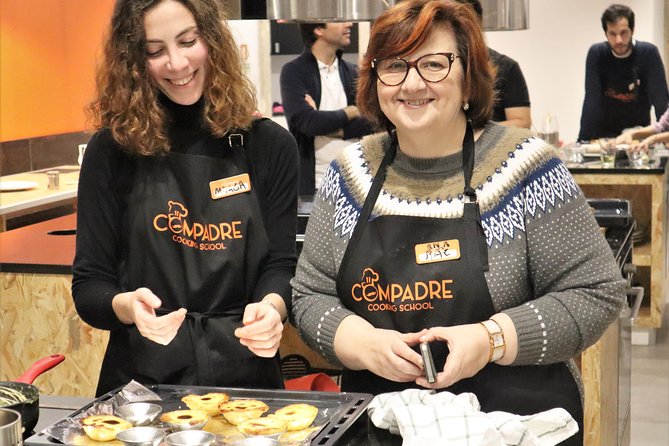
This small-group workshop at Compadre Cooking School is a fun, practical way to get inside Portuguese food culture, not just look at it. Two things I really like: you’ll make pastéis de nata yourself, and you can take the recipes home so the lesson keeps going after your trip.
You’ll also get coffee or tea with snacks while you work, which makes the whole session feel relaxed and guest-friendly. One consideration: if your class runs close to the maximum group size, you may spend more time switching tasks and less time doing every single step at a station.
Key Things to Know Before You Go
- Two-for-one format: pastéis de nata plus a second Portuguese recipe
- Hands-on focus with smaller groups (max 12), often with lots of instructor attention
- Take-home recipes so you can repeat the results later
- English-led class with coffee, tea, and snacks included
- Central meeting point at R. Heliodoro Salgado nº14, near public transport
A Two-Hour Pastel de Nata Kitchen Session That Feels Like Real Lisbon
If you love the idea of eating Portuguese egg tarts, this class gives you the part most people miss, the making. Pastéis de nata can feel mysterious if you only ever order them. Here, you learn what turns flaky pastry and a creamy egg filling into that signature, lightly caramelized top.
The best part is the time frame. Two hours is long enough to get real momentum, but short enough that you can still enjoy Lisbon afterward without planning your entire day around it. And because the format is designed for a hands-on cooking class, you’re not just watching someone else work while you take notes.
You can also read our reviews of more cooking classes in Lisbon


Compadre Cooking School: Where the Lesson Actually Happens
Your start is at Compadre Cooking School, R. Heliodoro Salgado nº14 (1170-176 Lisboa). It’s a central, easy-to-reach setup, and you end back where you started. That matters, because cooking classes can be scattered around side streets. This one keeps things simple.
Inside, you can expect a real kitchen environment with the basic tools you need to follow the steps without hunting around for equipment. One review even mentioned bathrooms and a small locker for personal items, which is exactly the kind of practical detail that makes a difference when you show up with a small bag.
Also note the class has a mobile ticket format and is listed in English, so you’re not juggling a complicated check-in process. Confirmation is provided at the time of booking.
What You’ll Make: Pastel de Nata Plus Another Portuguese Treat
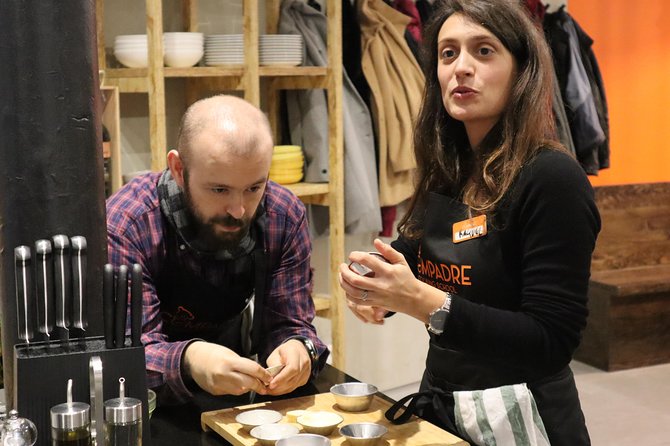
Pastéis de nata are the headline, and you’ll learn how to create that classic Portuguese dessert, the one that shows up in cafés and pastry windows all over Lisbon. The class is also built around “secrets” and technique, meaning it’s not just a recipe reading. You work the process and get guidance on what to watch for.
Beyond that, the experience is explicitly a two-for-one. You’ll also make another traditional Portuguese sweet (and in some versions this can include a savoury Portuguese dish). The goal is to widen your Portuguese food lens, not just stop at one item.
A practical takeaway: when you make pastéis de nata from scratch, you also start understanding why Portuguese pastry tastes like Portuguese pastry. That is useful knowledge for your next bakery stop. You’ll know what to look for, what’s going on with the filling texture, and why the top caramelizes the way it does.
The Two-Hour Flow: What Happens During the Class
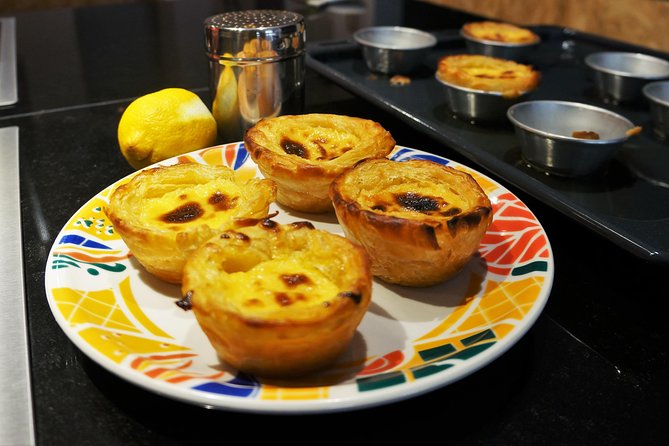
The structure is built for a short, productive session. Here’s how it typically feels in practice, from start to finish.
1) Getting oriented and set up
You begin at the cooking school with instructors guiding you through the plan. Expect a mix of quick explanation and then action. You’ll be able to follow along step-by-step without needing to already be a confident cook.
More Lisbon tours and experiences for the shortlist


2) Working the dough process and filling
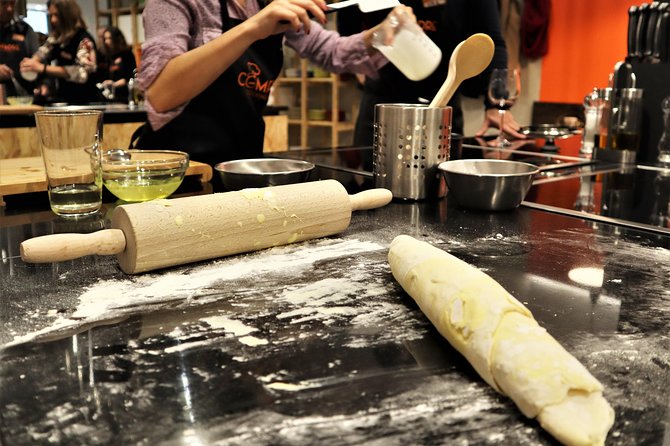
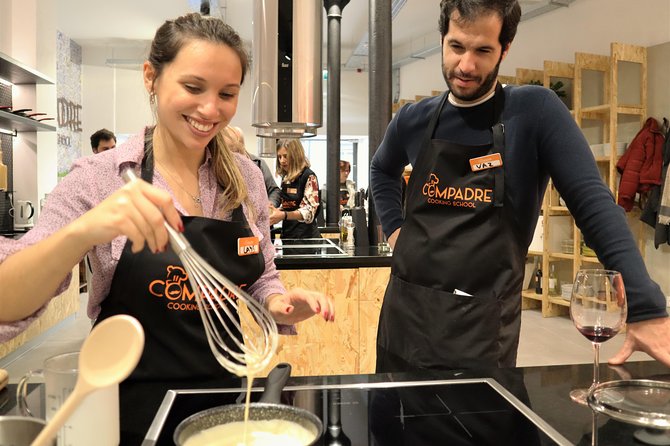
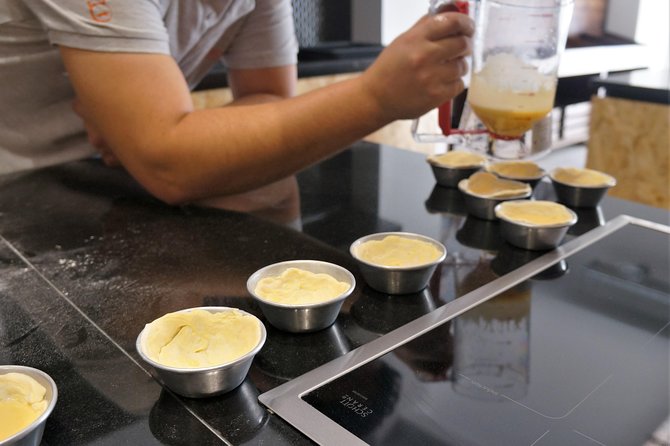
Pastéis de nata involve timing and technique, especially around how the pastry layers and how the filling is handled. This is where the class earns its keep, because you’re not guessing. You’re learning the method while you’re in the kitchen, when it’s easiest to ask questions and correct mistakes right away.
One small detail that helped some people: ingredients or prep may be staged for you so you’re not doing every tiny task from scratch. That can be either a plus (more time baking) or a minus (less “total from zero” experience). Either way, you’ll move through the core stages quickly.
3) Baking and finishing
After shaping and filling, you bake. In a class like this, the baking phase is where you finally get the smell that makes you understand why everyone talks about pastéis de nata. Even if you’re not spending the entire time actively mixing, you’re still learning, watching how heat changes the filling and how the tart develops on top.
4) Trying what you made, plus snacks and drinks
You don’t just walk away with food you made once and never see again. The class includes coffee and/or tea, water, and snacks. Then you’ll taste your creations right after you learn how to master the process.
That tasting moment is underrated. It lets you connect technique to result immediately. If something looks slightly off, you’ll usually understand why while it’s still fresh in your mind.
5) Picking up recipes to recreate at home
You also take home the recipes. This is one of the biggest reasons the class feels like good value. Even if you don’t bake every week, having the recipe means you can recreate it later with less guesswork and fewer failed attempts.
Coffee, Tea, Snacks, and Why That Changes the Experience
Included refreshments sound minor, but in cooking classes they affect the vibe. Having coffee or tea and snacks on site makes the session feel like a friendly afternoon in a small kitchen, not a rushed production line.
Also, the class notes that alcoholic beverages are not included. If alcohol is your thing, this is still a good class even if you expect to get tipsy. But if you want a pairing, you’d need to handle it outside the class, and the adult rules for alcohol under 18 are also worth noting.
Group Size and Instructor Attention: How Hands-On Will It Be?
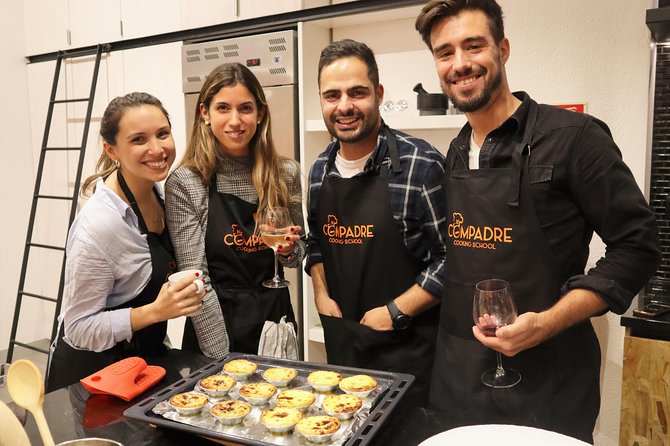
The class caps at 12 travelers, which is the sweet spot for an intimate cooking experience. When the group is small, it’s easier to get personal feedback. One highlight from previous experiences was that smaller off-season groups can feel particularly intimate and easier to follow.
Still, here’s the balancing point. One less-perfect experience described a situation where the class felt less hands-on because there weren’t enough work stations for everyone to do every step. That doesn’t mean it’s always like that. It means you should calibrate your expectations: you’ll likely do key tasks, but you may rotate through steps depending on how many people are in your group that day.
If you want the most hands-on experience possible, show up early, stay engaged, and ask questions while you’re in the flow. With cooking, your attention matters as much as the number of stations.
Price and Value: Is $62.89 Worth It?
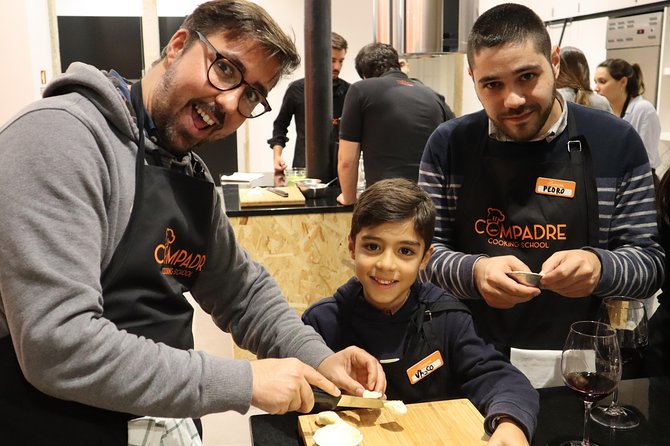
At $62.89 per person for about two hours, the pricing sits in the “experience, not just a meal” category. The value comes from four places:
- You make something you can’t easily replicate by accident, pastéis de nata are technical in a way that’s hard to learn from a recipe alone
- You get multiple included elements: coffee or tea, water, snacks
- You leave with recipes, which extends the value beyond the day you pay
- You get small-group instruction, not a giant classroom vibe
If your alternative is buying a tart at a bakery and moving on, this class is more expensive. If your goal is learning a craft and bringing that skill home, it’s one of those Lisbon activities that feels like it sticks.
Language, Meeting Point, and Getting There Without Stress
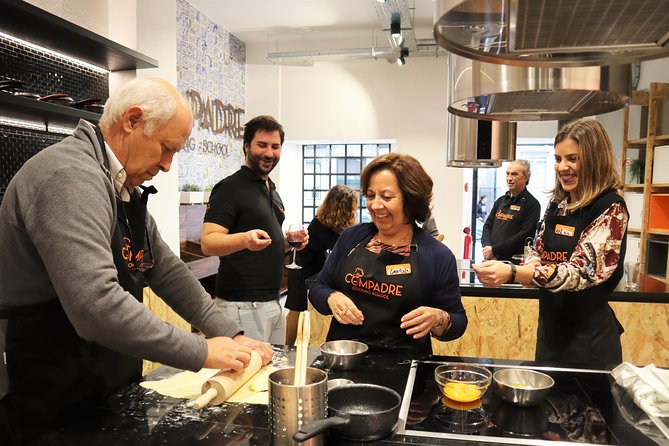
The class is offered in English, and you’ll get confirmation at booking time. The meeting point is specific: R. Heliodoro Salgado nº14, 1170-176 Lisboa. Since it’s near public transportation, you should be able to route yourself easily using what you already know about Lisbon transit.
A smart move: plan to arrive a few minutes early. In cooking classes, being late can throw off the timing, and you’ll lose the early orientation part. Also, if you’re carrying bags or backpacks, check in when you arrive and use any locker space available.
Best For Who: Families, Solo Travelers, and Dessert Lovers
This class is surprisingly flexible.
- Families with older kids and teens: Children up to 17 must be accompanied by a participating adult. The session is positioned as beginner-friendly and runs in a way that works as a group activity. If you’re traveling with teens, it can be a highlight because they can actually participate.
- Solo travelers: The small group size makes it easy to chat, and you’re doing something practical rather than just attending a talk.
- Couples: Two hours is a comfortable length, and you’ll both get to take part in the process and enjoy the result together.
- Beginner cooks: Pastéis de nata can sound advanced, but the class is designed to guide you through it step-by-step so you finish feeling capable.
If you’re a hardcore baker expecting a full masterclass on pastry chemistry, you might still enjoy it. Just don’t expect a restaurant-level regimen. This is an accessible, friendly teaching kitchen built for visitors.
Practical Tips That Make Your Class Smoother
A few small choices will pay off during the session.
- Wear comfortable shoes. Even if the class is short, you’ll stand and move around while prepping and waiting.
- Have a snack mindset. You’ll get snacks and coffee or tea, but you’ll still be working and tasting, so don’t go in hungry.
- Ask one or two focused questions. If you ask right after a step, you’ll get answers that help immediately.
- Plan for a take-home moment. Recipes are included, so bring a way to keep paper recipes tidy if that’s what they give you.
Alcohol Rules and Family-Friendly Structure
The class includes coffee, tea, water, and snacks, but it does not serve alcoholic beverages as part of the offering. Alcoholic drinks are not served to participants under 18, and water or tea substitutes are used instead.
That makes it a straightforward pick for multigenerational groups, since you don’t have to worry about a complicated drinking setting.
Should You Book This Pastel de Nata Class?
I’d book it if you want Lisbon in a form you can actually reproduce. If you care about food culture and you like learning by doing, this is a smart use of two hours. The price is fair for what you get: hands-on pastéis de nata, a second Portuguese recipe, and recipe take-homes, plus coffee and snacks.
I’d think twice if your top priority is a nonstop, fully hands-on role where you do every step without rotating or waiting. In bigger groups, you might spend more time listening or switching tasks. Still, even then, making the tarts yourself is the point.
If you’re in Lisbon and you love dessert, this is one of those experiences that leaves you with something more than photos. It leaves you with a skill, and that is the kind of souvenir that actually gets used.
FAQ
How long is the Pastel de Nata Cooking Class in Lisbon?
The class is listed as about 2 hours.
How much does the class cost?
The price is $62.89 per person.
Is the class taught in English?
Yes, it’s offered in English.
Where do I meet for the class?
You start at Compadre Cooking School, R. Heliodoro Salgado nº14, 1170-176 Lisboa, Portugal.
Is the class fully hands-on?
It’s a hands-on cooking class, and you’ll make pastéis de nata and another Portuguese treat. The amount of time at each station can depend on how the session is set up.
What’s included in the price?
Included items are coffee and/or tea, water, and snacks. You’ll also learn and try your creations, and you’ll receive recipes to take home.
Are alcoholic beverages included?
No. Alcoholic beverages are not served as part of the experience.
What is the cancellation policy?
You can cancel for free up to 24 hours in advance for a full refund. If you cancel less than 24 hours before the start time, the amount you paid will not be refunded.
More Workshops & Classes in Lisbon
More Cooking Classes in Lisbon

More Tour Reviews in Lisbon






Not for you? Here's more nearby things to do in Lisbon we have reviewed











Lisbon City Tours, side by side.
 ★ 5.0Lisbon City Center Tour – The Unmissable LisbonTickets from $322,234 traveller reviews
 ★ 4.7Sintra, Pena, Regaleira, Cabo da Roca & CascaisTickets from $2319,656 traveller reviews
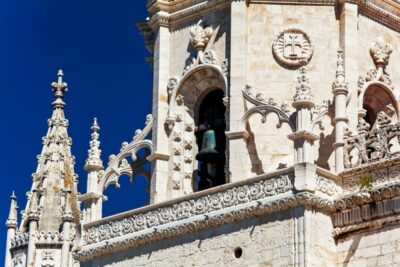 ★ 4.1Jerónimos Monastery Entrance TicketTickets from $2114,164 traveller reviews
 ★ 4.8History, Stories and Lifestyle Walking TourTickets from $2910,902 traveller reviews
 ★ 4.5Sunset Boat Party Cruise with DJ and Open BarTickets from $2710,378 traveller reviews
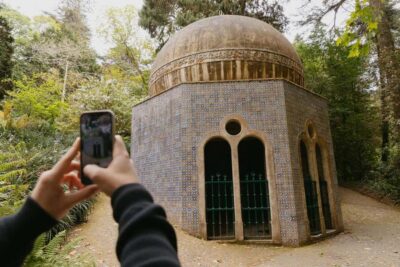 ★ 4.7Pena Palace, Sintra, Cabo da Roca, & Cascais DaytripTickets from $919,981 traveller reviews
 ★ 4.6Oceanário de Lisboa Entrance TicketTickets from $299,943 traveller reviews
 ★ 5.0True 4Hour Private Tuk Tuk Tour: Discover Lisbon with a Local!Tickets from $1088,008 traveller reviews
More useful lists for this tour