
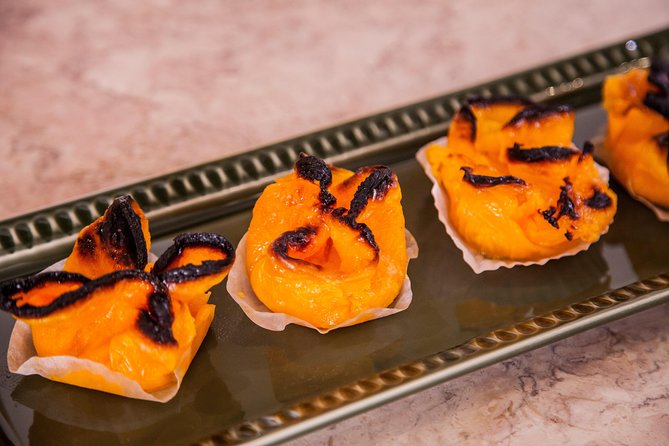
Review · LISBON CITY TOURS
Portuguese Pastry Workshop in Lisbon
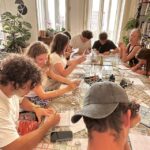
Hands-on pastries beat sightseeing sometimes. This Portuguese pastry workshop in Lisbon lets you make two classic regional sweets from scratch, then taste them right in the shop.
I love the small group size (up to 6), which means you actually get help while you work. I also like that the class focuses on the real technique, puff pastry dough made by hand, not shortcuts.
One thing to consider: it runs about 2 hours and starts at 3:00 pm. If you only want light strolling time or you are avoiding alcohol, plan your afternoon carefully.
Key highlights before you go
- Two pastries, one session: Pastel de Nata and Travesseiro de Sintra, both made from scratch
- Hands-on dough work: you work the puff pastry steps by hand, not just watch
- Tasting with Portuguese drinks: Porto wine or ginja liquor, plus coffee and/or tea
- A real history angle: stories about how these sweets developed in Portuguese culture, including monasteries
- Central Lisbon, small shop vibe: held at Casa dos Ovos Moles em Lisboa in an older building feel
- Personal attention: max 6 people per booking, so questions do not get lost
What makes this Lisbon pastry class more than just a snack stop
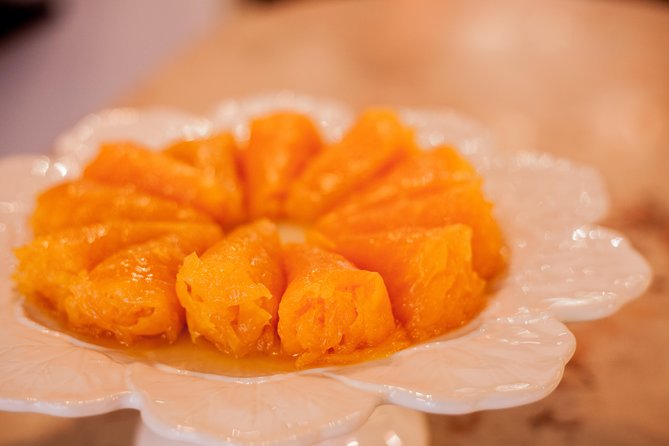
If you have ever looked at a Lisbon pastry case and thought, I want to understand how that’s made, this is your kind of afternoon. You are not chasing a photo. You are learning how pastry technique creates that signature texture, the flaky, layered feel people love about Portuguese sweets.
This workshop is also about Portuguese culture, not just dessert. The shop, Casa dos Ovos Moles em Lisboa, is known for ovos moles, a tradition with a long track record in Portugal, and you get that context during the lesson. So even if you only care about eating, you leave with a story you can share over dinner.
The small size matters here. With a group capped at 6, you get real back-and-forth time. More people working, more questions answered, and fewer moments where you are standing on the sidelines waiting for the teacher to catch up.
More Lisbon tours and experiences for the shortlist
The two pastries you’ll make, Pastel de Nata plus Travesseiro de Sintra
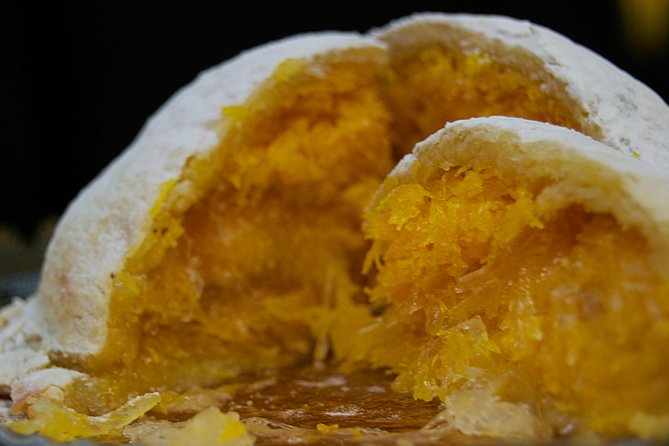
You will learn to cook two Portuguese specialties from the Lisbon region:
- Pastel de Nata
- Travesseiro de Sintra
The key detail is that the lesson is built around doing the full process from scratch. The workshop description says you learn the steps including the puff and the hand-made work. That means you get practice with how dough feels at each stage, not just a final assembly.
Pastel de Nata: technique that explains the famous texture
Pastel de Nata is famous for a reason. It is not only about custard. It is the pastry base that makes it special, and Portuguese natas have a particular vibe compared to what you might expect if you are used to French-style pastry.
In the class, you learn the process as part of the workshop flow. You will also taste what you helped make at the end, which is the moment that turns technique into confidence.
Travesseiro de Sintra: a different shape, a different feel
Travesseiro de Sintra is another Lisbon-area classic, and it brings a different texture and identity to the table. You are making it from scratch too, so you are not treating it like a side dish.
What I like about doing both is balance. Pastel de Nata teaches you about classic custard-and-pastry logic. Travesseiro teaches you about how Portuguese sweets can use similar pastry ideas in a new format.
Inside Casa dos Ovos Moles em Lisboa: the small-shop setting and your instructors
The workshop happens at Calçada do Sacramento 25, at Casa dos Ovos Moles em Lisboa. That’s central Lisbon, near public transportation, and easy to plug into an afternoon plan without complicated logistics.
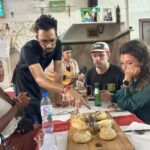
The vibe is hands-on and personal. Multiple participants highlight that the hosts are patient and fun, and that you are not stuck with one-person-only tasks. Names that show up in participant feedback include Filipa and Maria, and the overall pattern is consistent: clear steps, lots of guidance, and encouragement when your dough is not behaving the way you imagined.
Also, the shop context matters. It is not just a random kitchen studio. It is a place tied to Portuguese egg traditions, including ovos moles. You are learning pastries as part of a living food culture, not as a one-off tourist activity.




What you do during the 2 hours, step-by-step flow
You meet at the shop and start right at the scheduled time, with the activity ending back at the same meeting point. The lesson is listed as about 2 hours, so it is designed to fit into a single afternoon window.
Here is the practical flow you should expect:
- Arrival and warm welcome
You start in the shop space where the instructors set up the lesson, share the plan, and talk through the history side.
- Working dough from scratch, including puff steps
You learn the preparation steps for the pastries by hand. The workshop description specifically calls out learning the whole process from scratch, including puff, and doing it by hand.
- Cooking steps as a group
The description notes that you cook during the session. In other words, this is not purely “mix then leave.” You stay engaged through the process.
- The payoff: tasting your own pastries
At the end, you taste what you made. This is where the class earns its reputation, because participants consistently mention that their results came out well and tasted great.
One smart tip for enjoying the time: pace yourself. Puff pastry work takes focus. If you get rushed, dough can suffer. You do better when you slow down, follow the steps, and treat it like a skill you are learning, not a test.
The drinks and snacks, Porto wine or ginja liquor with coffee and tea
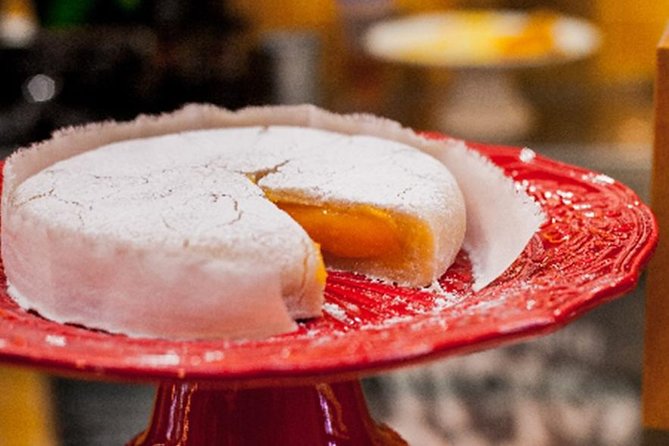
This workshop is built like a classic Lisbon break: sweet, warm, and paired with drinks. The sample menu lists:
- 2 pastries: Pastel de Nata + Travesseiro de Sintra
- Porto wine or ginja liquor
- Coffee and/or tea
- Snacks
That combination matters. Pastry tastes change depending on what you drink with it. Porto wine and ginja liquor bring a Portuguese flavor profile that pairs naturally with custard sweetness and pastry richness.
Also, the alcohol option means you can treat this as an afternoon “special.” Just keep your day planned accordingly, especially if you are going to walk a lot afterward.
The history piece that actually sticks, monasteries and Portuguese egg traditions
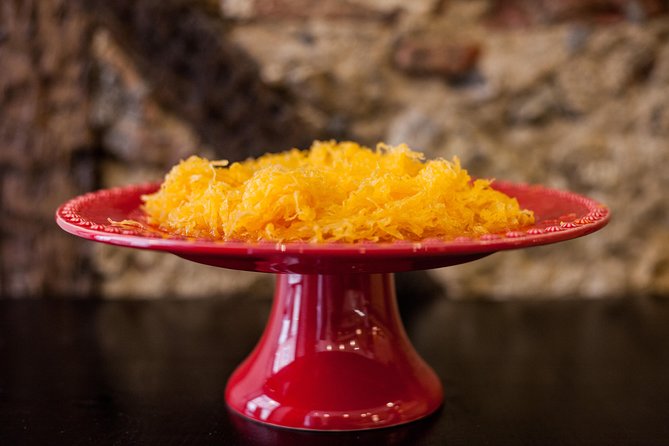
Some cooking classes throw in history like a trivia pop quiz. This one ties it to why these pastries exist in the first place.
You are told that the pastries were created in Portuguese monasteries. The workshop description also mentions that the team shares history during the experience, not just at the start. That context helps you understand why egg-based desserts became such a defining part of Portuguese dessert culture.
And the shop’s identity reinforces it. Casa dos Ovos Moles em Lisboa specializes in ovos moles, described as a tradition with 500 years of Portuguese heritage. Even if ovos moles are not what you are making in this class, it frames the day as part of a broader egg dessert tradition that shaped Lisbon sweets.
Price and value: is $96.55 worth it for 2 hours?
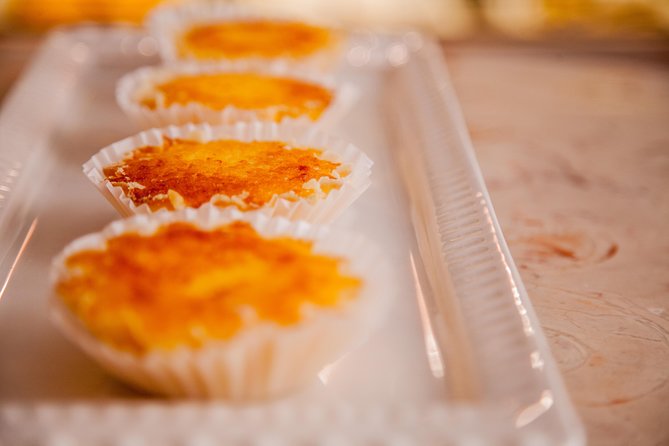
At $96.55 per person for about 2 hours, this is not a budget throwaway. But it can still be good value for the right traveler.
Here’s where the value comes from:
- You make two pastries, not one
- The lesson includes food tasting and snacks
- You also get coffee and/or tea plus alcoholic beverages
- Group size is capped at 6, which usually translates to better hands-on time and fewer “wait your turn” moments
- You are taught full technique, including puff dough work by hand, which is the hard part that most people never learn on a normal dessert tour
Price also reflects staffing and ingredient cost. Real dough work takes time, and teachers have to guide each person through technique.
If your goal is “one sweet, one sip, photos only,” this will feel expensive. If your goal is “I want to learn the real process and take skills home,” then it tends to land in the sweet spot.
Logistics in central Lisbon: meeting point, timing, and practical planning
The meeting point is Calçada do Sacramento 25, 1200-393 Lisboa. The session starts at 3:00 pm (for this listed option), and it ends back at the same place.
A few practical points that matter:
- It’s offered in English
- The workshop is near public transportation, so you likely will not need a car or long taxi rides
- Class times differ depending on the day of the week, so if you are flexible on dates, you have options
- Transportation to and from attractions is not included, which means you should plan your own walking or transit before and after
Given the central location, I suggest building your afternoon around the workshop. Let yourself arrive early enough to settle, and avoid scheduling a major museum right on the edge of the 2-hour window.
Who should book this pastry workshop, and who should skip it
This experience fits best if:
- you are a foodie who wants more than tasting, you want technique
- you like small-group classes where you can ask questions
- you want a fun activity for a family group, including teens and older kids who can handle hands-on cooking (participants report it works well for teens)
You might skip it if:
- you prefer pure sightseeing and want zero cooking mess or dough handling
- you do not want alcohol involved at all, since Porto wine or ginja liquor is part of the tasting
My booking decision guide: should you go?
I would book this workshop if you want a Lisbon memory that feels hands-on and practical. The strongest reasons to go are the small group, the hands-on dough work, and the fact that you finish by eating what you made with Portuguese drinks.
If you are the type who loves learning why a pastry tastes the way it does, you will leave with more than a sugar rush. You’ll have technique you can repeat at home.
Just be honest about your schedule and your drink preferences. If you are planning a full day of walking or nightlife right after, adjust accordingly. For most visitors, though, this is a very satisfying way to spend an afternoon in Lisbon.
FAQ
What is included in the Portuguese pastry workshop?
The class includes beverages, food tasting, snacks, coffee and/or tea, and alcoholic beverages. You also make and taste two pastries.
How long does the workshop last?
It is listed as about 2 hours.
What pastries will I learn to make?
You will learn to cook Pastel de Nata and Travesseiro de Sintra, both from scratch.
What drinks are served with the pastries?
The tasting includes Porto wine or ginja liquor. You also get coffee and/or tea.
Is the workshop offered in English, and how many people are in a group?
Yes, it is offered in English. Group size is capped at a maximum of 6 people per booking.
What happens if the weather is poor?
This experience requires good weather. If it is canceled due to poor weather, you will be offered a different date or a full refund.
More Workshops & Classes in Lisbon

More Tour Reviews in Lisbon
Not for you? Here's more nearby things to do in Lisbon we have reviewed









Lisbon City Tours, side by side.
 ★ 5.0Lisbon City Center Tour – The Unmissable LisbonTickets from $322,234 traveller reviews
 ★ 4.7Sintra, Pena, Regaleira, Cabo da Roca & CascaisTickets from $2319,656 traveller reviews
 ★ 4.1Jerónimos Monastery Entrance TicketTickets from $2114,164 traveller reviews
 ★ 4.8History, Stories and Lifestyle Walking TourTickets from $2910,902 traveller reviews
 ★ 4.5Sunset Boat Party Cruise with DJ and Open BarTickets from $2710,378 traveller reviews
 ★ 4.7Pena Palace, Sintra, Cabo da Roca, & Cascais DaytripTickets from $919,981 traveller reviews
 ★ 4.6Oceanário de Lisboa Entrance TicketTickets from $299,943 traveller reviews
 ★ 5.0True 4Hour Private Tuk Tuk Tour: Discover Lisbon with a Local!Tickets from $1088,008 traveller reviews
More useful lists for this tour