
Review · LISBON CITY TOURS
Lisbon: Portuguese street food cooking class with Drinks
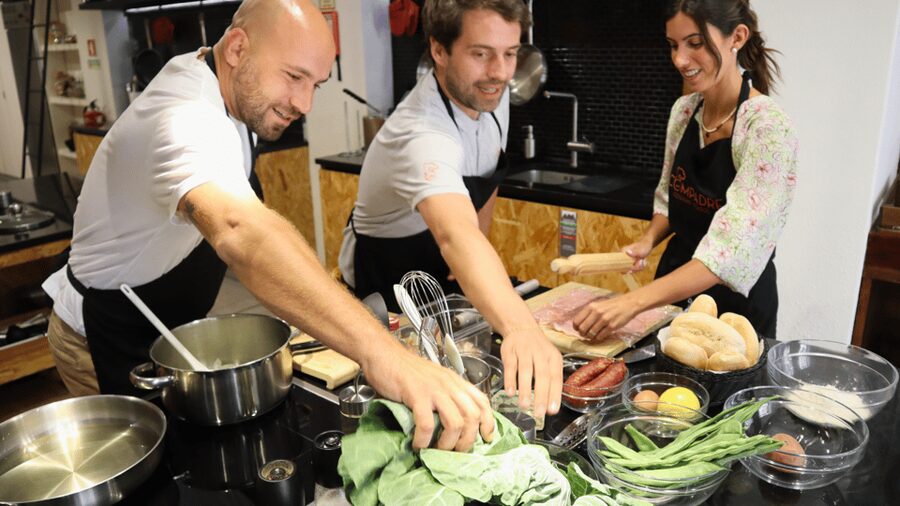
A pork sandwich, a greens soup, and a fried snack in one class. I love how this hands-on format turns classic Lisbon street food into recipes you can actually repeat, plus you get the story behind each dish. In practice, you cook with a local chef and then sit down for the meal you made, with wine and a final sip of ginja.
Two things I really like: you work at a station with clear guidance, and the menu hits real Portuguese comfort foods, not just tourist highlights. The class is also taught in English, and I found the instructors named Marta and Anna, plus Roy, to be fun and organized, with plenty of group energy.
One possible drawback to keep in mind is pacing. One participant felt the chef named Anna was more hands-on than instructional in parts, so if you want lots of talk while you watch, you may want to ask questions early and during the process.
Key points worth showing up for
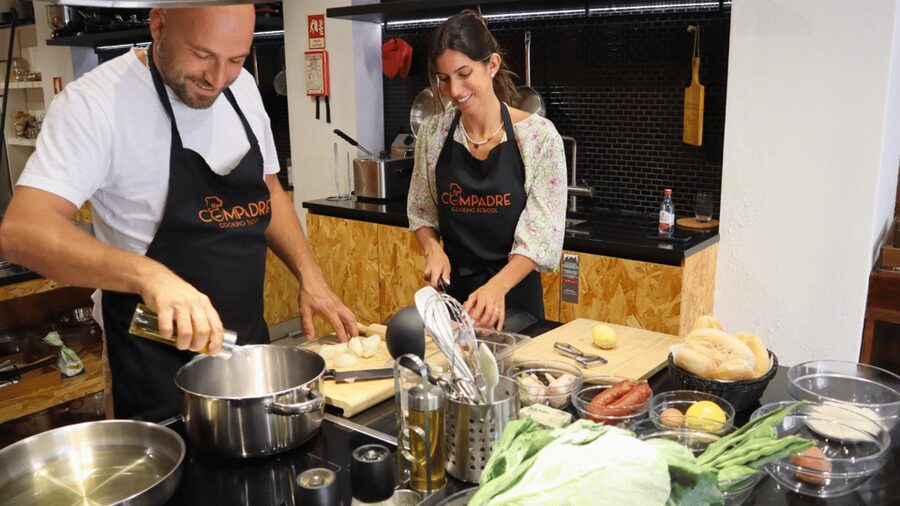
- Three iconic dishes: bifana, caldo verde, and peixinhos da horta (with the origin story)
- Chef-led teamwork: you cook alongside other participants at your own station
- English instruction: the class runs in English, with guidance you can follow easily
- A real meal at the end: shared plates of what you made, not just bites
- Wine plus ginja: a glass of wine (red or white) and a tasting of Portuguese cherry liqueur
A 2-Hour Lisbon Street Food Fix That Actually Teaches the Recipe
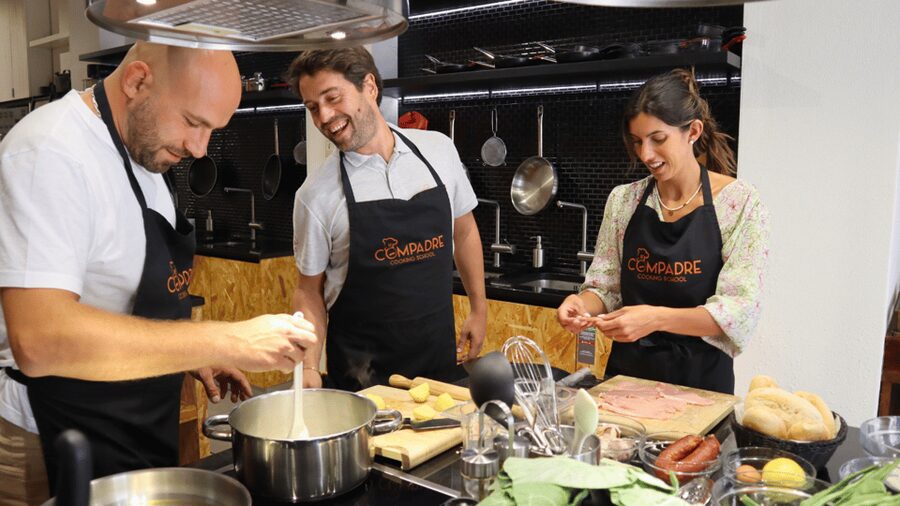
If you only have a slice of time in Lisbon, this is a smart way to use it. The class is built around three classic street foods, so you leave with a small set of Portuguese flavours you can reproduce later, not a blur of random snacks.
The format is simple and practical. You start with a short intro to the food and its place in Portuguese daily life. Then you roll up your sleeves and cook with guidance from the local chefs. Finally, you eat together, with wine and ginja to close things out like a proper local finish.
I also like that it is aimed at food lovers, not just cooking hobbyists. No prior experience is needed. If you can follow directions and enjoy tasting as you go, you will do fine.
You can also read our reviews of more food & drink experiences in Lisbon



Compadre Cooking School Kitchen: Clean, Organized, English-Friendly
The cooking happens at Compadre Cooking School kitchen. The place is modern and very clean, and that matters more than you might think when you are learning knives, heat, and sauces in a short window.
You also get a helpful structure right away. Chefs explain what you are making and why it works, then you jump into the steps. Multiple participants highlighted the professional setup and the spacious cooking areas. That usually means fewer crowding issues and smoother teamwork.
Plan to arrive about 5 minutes early. Comfortable shoes are a must since you stand and move around while cooking. The school environment is also clear about rules, with no smoking allowed.
One more practical note: the class is not suitable for wheelchair users. If mobility is a concern, you will want to look for another activity that better matches your needs.
The Dishes You’ll Cook and Why Each One Matters in Lisbon
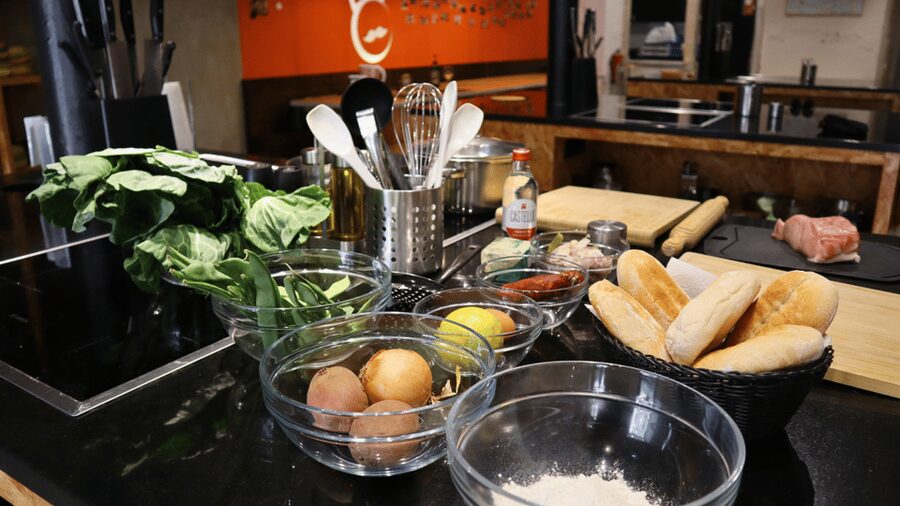
This class focuses on dishes that show up across Portugal, from snack bars to festivals. The menu is designed as a story you can taste, with each dish connected to tradition and everyday life.
Here is what you can expect to learn:
- Bifana: a pork sandwich that is famous for its flavour and simplicity
- Caldo verde: a collard greens soup that feels like a comfort food staple
- Peixinhos da horta: a classic fried dish that inspired tempura, and comes with a neat origin angle
What makes this valuable is the mix. You are not only learning recipes. You are learning techniques that translate. Sandwich seasoning, soup building, and a fried-batter approach all show up in Portuguese cooking patterns, and you practice them in a manageable 2-hour time frame.
You can also ask about dietary needs ahead of time. If you have a specific diet, the class says they can adapt the recipes if you contact them.
Bifana Workshop: Pork, Heat, and That Perfect Sandwich Rhythm
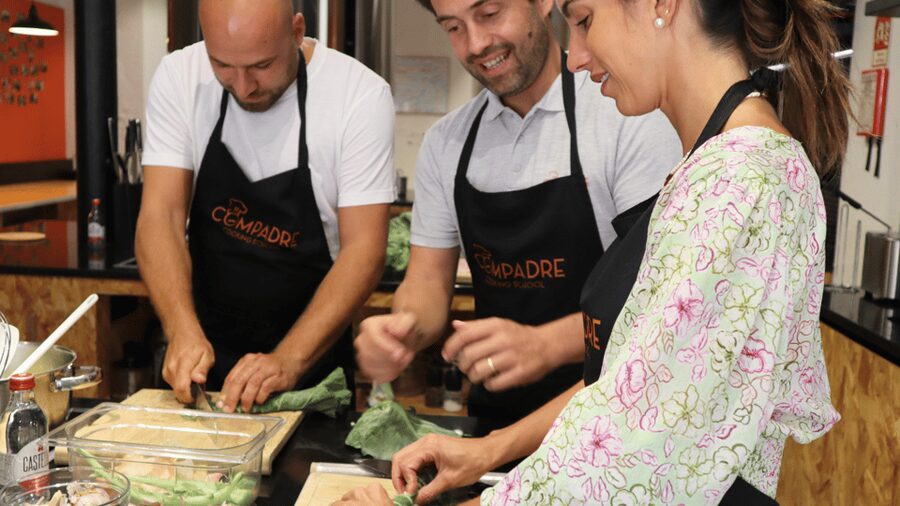
Bifana is where many people start to understand Portuguese street food. It is not fussy, but it is not bland either. In class, you learn the core idea: build bold flavour into the pork so the sandwich stays interesting even when it is handheld.
Since the class is short, the chef-led format keeps things efficient. You work side by side with other participants, and the guidance helps you move from ingredients to finished bifanas without feeling lost. The goal is that you can make it again at home, not just enjoy it once in Lisbon.
What I like about teaching this dish is that it gives you a clear blueprint. You get a sense of how Portuguese flavours stack: savoury base, seasoning, and a satisfying final result that fits into street food culture. It also pairs naturally with the wine later, which is a nice rhythm for the class meal.
If you are the type who loves meals you can repeat, bifana is the most practical take-home dish from the lineup.
Caldo Verde Class: Collard Greens Soup That Feels Like Portugal
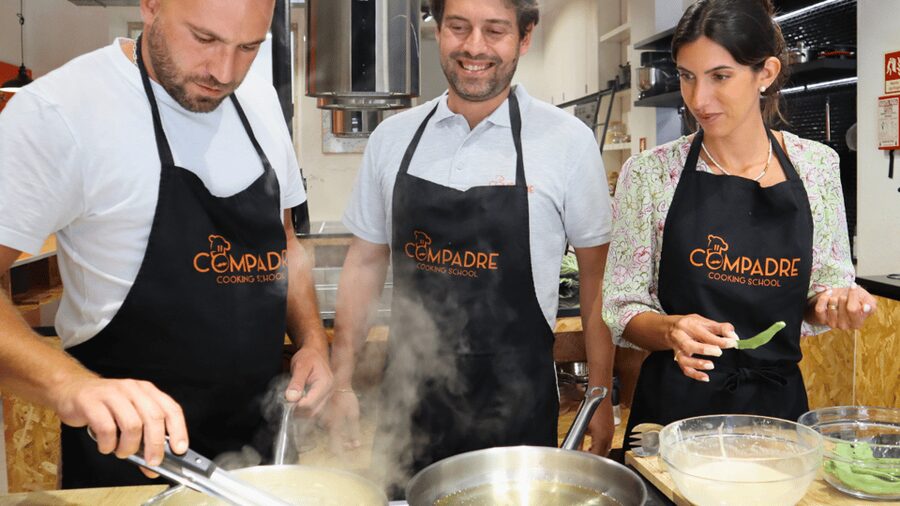
After the sandwich, caldo verde shifts the mood. It is warm, comforting, and built for real eating, not just tasting. You learn how collard greens become the signature element of the soup, and how to keep the texture and flavour balanced.
This is one of the dishes that kept coming up in feedback. People described the soup as fantastic, and they also said they enjoyed it the most. That tracks with the recipe logic. Even if your cooking skills are new, soup is forgiving when you follow guidance and focus on seasoning.
In class, you get the explanation of where caldo verde fits into Portuguese daily life. That story part matters. Once you connect the dish to its cultural role, the recipe makes more sense, and it is easier to remember the steps later.
The takeaway for you: if you want one dish that feels like Portugal on a spoon, this is it.
More Lisbon tours and experiences for the shortlist





Peixinhos da Horta: From Garden Snacks to Tempura Clues
Peixinhos da horta is the surprise for many people. It is rooted in Portuguese street food, but it also links to the global world of tempura, thanks to its inspiration role.
In the class, you learn how to create the fried dish in a way that matches the Portuguese version, not a generic batter experiment. The chef guidance is key here. Frying can go wrong fast if you do not have a sense of how the batter behaves and how heat impacts the final texture.
This dish is also a great bridge between cultures. You will hear the origin story, and you will understand why this specific Portuguese fried snack can connect to something you might recognize elsewhere. That gives the cooking more meaning than just taste.
If you like being able to tell friends something specific at dinner, this is the one you will remember. It is also a fun contrast to the soup, because the crunch and flavour hit differently.
What You Eat and Drink at the Table, Plus the Ginja Finish
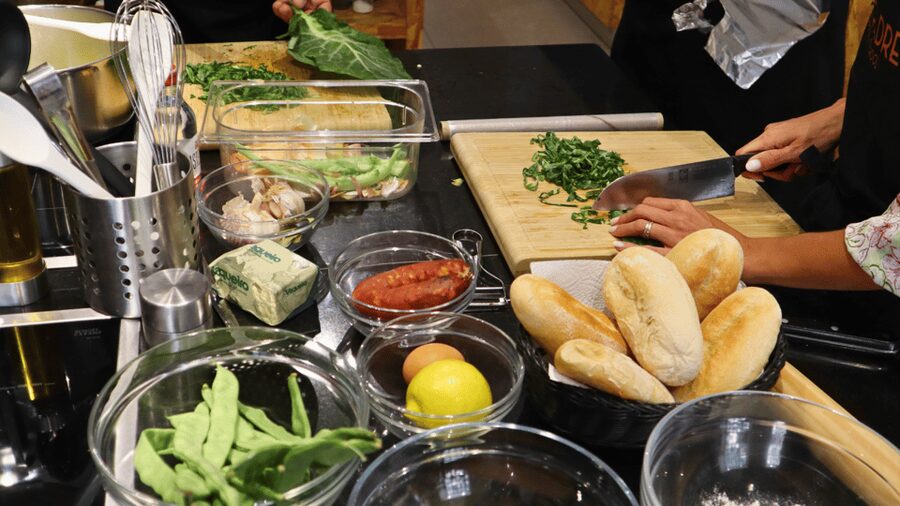
By the end, you sit down as a group to enjoy what you cooked. That shared meal element is more than a nice extra. It turns the class into a full experience, and it helps you compare results with your fellow cooks.
The drinks included matter too. You get a glass of wine, red or white, with the meal. Then later, the class includes tastings of ginja, a Portuguese cherry liqueur.
I like this sequence because it mirrors Portuguese eating rhythms. You work first, then you enjoy. And you end with something distinctly local, not an American-style dessert fallback. The ginja tasting also gives you a clear souvenir you can later look for in Lisbon or try at home.
One practical consideration: additional drinks are not included beyond what they provide. If you are drink-inclined, plan for extra cost.
Price, Effort, and Value at $55 for 3 Dishes plus Drinks
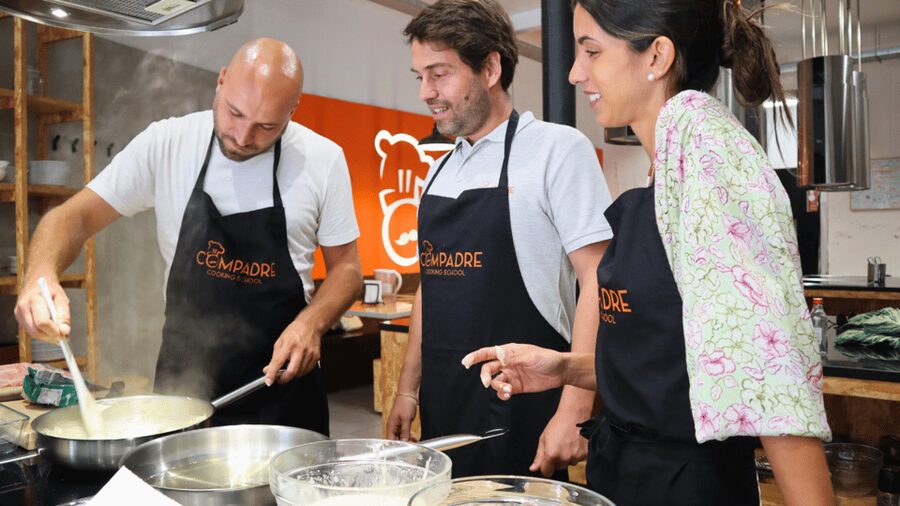
At $55 per person for a 2-hour class, the value is in what is wrapped into the fee. You are paying for:
- expert chef guidance
- all cooking ingredients
- a glass of wine (red or white)
- a tasting of ginja
- a shared meal of the dishes you prepared
That bundle is important. A lot of cooking classes charge extra for ingredients, and some keep the meal portion small. Here, you are cooking three dishes and then eating them together. That is a bigger payoff than the typical quick demo format.
The only major thing not included is transportation to and from the class, plus any additional drinks beyond those provided. So you should budget for getting to Compadre Cooking School kitchen. Once you are there, you are mostly set.
Also remember the class is designed for beginners. No prior cooking experience is needed. That reduces the pressure factor, and it means you can focus on enjoying the process instead of worrying about skill.
Who This Lisbon Street Food Class Is For, and Who Should Skip It
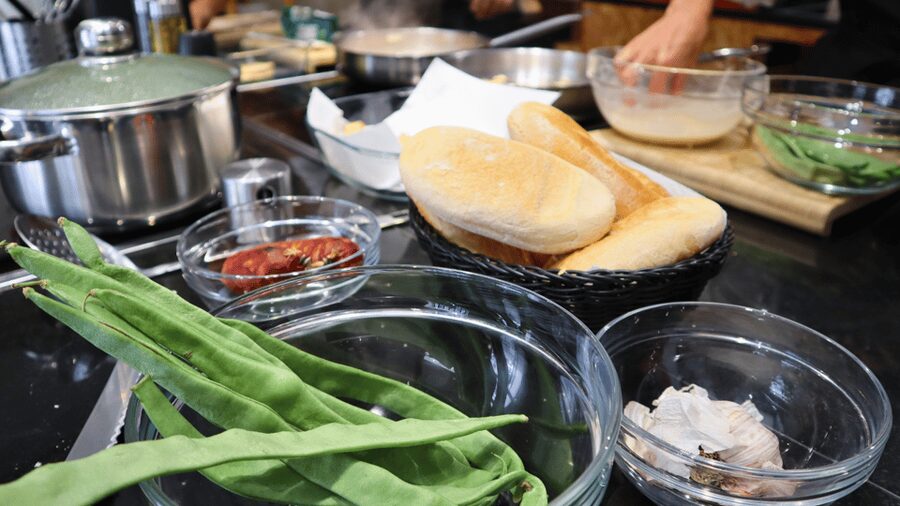
This class fits best if you:
- want a guided introduction to Portuguese street food beyond pastries
- enjoy learning through doing, not only watching
- like social meals and meeting people over food
- prefer a short, focused activity that still gives you several take-home recipes
It is also a good fit for solo travelers who want an easy way to talk to others without forcing conversation. The shared table part helps, and multiple participants called out the group atmosphere.
If you are very sensitive to hands-on time and prefer a more lecture-based pace, consider that one participant felt Anna was more hands-on than instructional during parts. You can still learn plenty, but if your learning style is strongly observation-first, you might want to ask lots of questions early.
And if wheelchair accessibility is required, this one is not suitable based on the information provided.
Should You Book This Portuguese Street Food Cooking Class?
I would book it if Lisbon is on your food-first agenda and you want more than a snack crawl. The menu is built around Portuguese staples, and the class format gives you a real meal with wine and a ginja finish. At $55 for 2 hours, you are paying for guided cooking plus a complete shared dining moment, which is hard to beat in a short stay.
Skip it only if you cannot do hands-on cooking or if you need wheelchair accessibility. Also skip if you want to eat street food by wandering and tasting on your own. This is a structured kitchen experience, not a self-guided stroll.
If you do book, wear comfortable clothes and shoes for standing and cooking. Arrive five minutes early. And go in hungry, because you will actually be eating what you make.
FAQ
How long is the Lisbon Portuguese street food cooking class?
The class runs for 2 hours.
What dishes will I learn to prepare?
You will learn to prepare bifana, caldo verde, and peixinhos da horta.
Is wine and ginja included?
Yes. You get a glass of wine (red or white) and a tasting of ginja (Portuguese cherry liqueur).
Do I need cooking experience?
No prior cooking experience is needed.
Where is the meeting point?
The meeting point is Compadre Cooking School kitchen.
What should I bring or wear?
Bring comfortable shoes and wear comfortable clothing suitable for cooking.
Can the recipes be adapted for dietary needs?
The class says you can contact them with specific diet needs, and they can adapt the recipes.
More Food Experiences in Lisbon
More Food & Drink Experiences in Lisbon
More Tour Reviews in Lisbon






Not for you? Here's more nearby things to do in Lisbon we have reviewed











Lisbon City Tours, side by side.
 ★ 5.0Lisbon City Center Tour – The Unmissable LisbonTickets from $322,234 traveller reviews
 ★ 4.7Sintra, Pena, Regaleira, Cabo da Roca & CascaisTickets from $2319,656 traveller reviews
 ★ 4.1Jerónimos Monastery Entrance TicketTickets from $2114,164 traveller reviews
 ★ 4.8History, Stories and Lifestyle Walking TourTickets from $2910,902 traveller reviews
 ★ 4.5Sunset Boat Party Cruise with DJ and Open BarTickets from $2710,378 traveller reviews
 ★ 4.7Pena Palace, Sintra, Cabo da Roca, & Cascais DaytripTickets from $919,981 traveller reviews
 ★ 4.6Oceanário de Lisboa Entrance TicketTickets from $299,943 traveller reviews
 ★ 5.0True 4Hour Private Tuk Tuk Tour: Discover Lisbon with a Local!Tickets from $1088,008 traveller reviews
More useful lists for this tour