
Review · LISBON CITY TOURS
Queer Lisbon – A Treasure Hunt in LGBT History
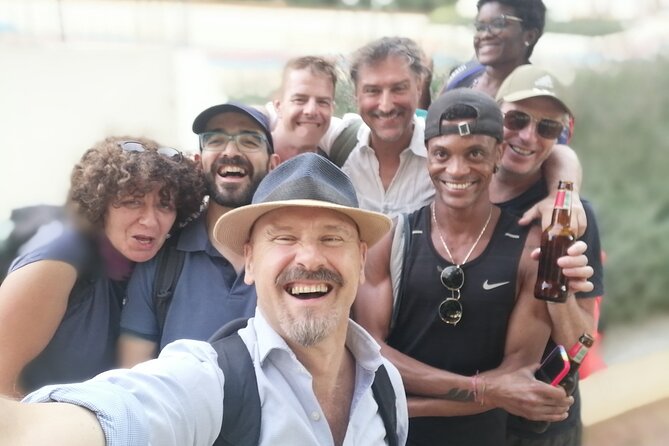
One neighborhood, 24 stories, and a lot to learn. This small-group queer history walk in Lisbon swaps generic sightseeing for a street-by-street LGBT history treasure hunt. You start in Príncipe Real, move through nightlife landmarks, then close at Lisbon’s big gay hotel for a drink and hang time with your new friends.
Two things I really like. First, the pace feels relaxed for a tour that covers a lot, with built-in chances to rest and ask questions, led by Alex. Second, you get more than facts, you get human stories, from HIV and constitutional law to drag bar origins and old scandals. The main drawback to consider is that this is a walk-heavy route, and some stops cover sex, policing, and discrimination, so it is not the best fit if you want only light, cuddly sightseeing.
Key Things I’d Book This For
- A story-first route instead of standard landmarks that teaches you queer Lisbon through the streets themselves
- Small group size capped at 15, which keeps the tone friendly and conversation possible
- Serious history mixed with nightlife reality, from HIV services to iconic clubs and bars
- A practical PDF follow-up, Alex’s LONG LIST guide that you can use right after the tour
- A social finish at Late Birds Hotel, with a lounge stop that naturally helps you meet people
- Short, focused stops (most are around 6 minutes) that keep you moving without rushing
Why This Queer Lisbon Walk Beats Regular Sightseeing
Lisbon is easy to love on a first visit. But if you only do viewpoints and “must see” tiles, you miss the city’s lived queer story. This tour is built around a simple idea: walk where events happened, then connect those places to names, laws, clubs, and everyday survival.
I like that it is explicitly not a general “highlights of Lisbon” tour. Instead, the guide makes you notice things most people skip, like monuments, court buildings, and the small addresses that once housed bars, cruising spots, and meeting places. You come away with a map of Lisbon that actually matches how people lived and loved here.
The other thing that works is the balance. You get sober stops that acknowledge homophobia and persecution, then you get the fun parts: drag bar beginnings, bear culture venues, and women-run dance floors. It feels like the city itself, complicated and real, not polished for tourists.
You can also read our reviews of more historical tours in Lisbon



Meet Alex, Then Get a Tour That Feels Human
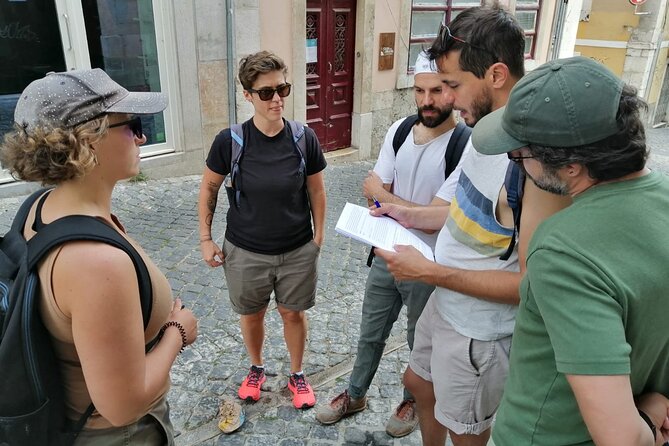
This is a small-group experience with a maximum of 15 travelers, and that changes the feel quickly. You are not stuck listening while strangers talk over the guide. You have room to ask questions, and the guide keeps the pace comfortable.
Alex’s style is friendly and warm, and he pays attention to what you want to learn. People talk about him being both well read and passionate, with stories that include context, not just dates. He also adjusts to conditions, including being ready for weather in the moment, and he builds in breaks so you are not steamrolled by the walking.
One practical note: the tour is in English, starts at 10:00 am, and takes about 3 hours 30 minutes. Because most stops are short, you’ll get lots of information per minute, then you can settle into your own pace as the group moves.
From Príncipe Real Gardens to Pride Square: Start Where the Stories Cluster
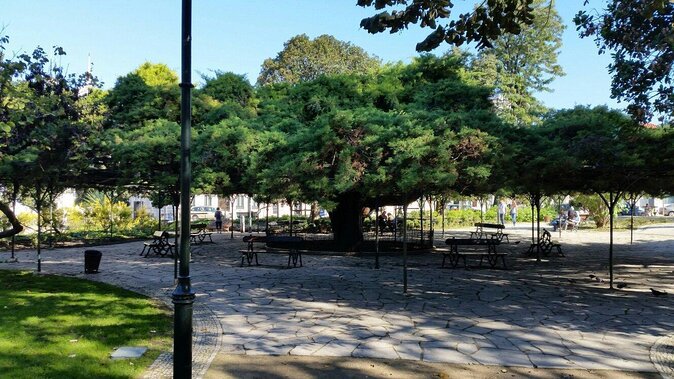
The route begins in the Príncipe Real area, with the meeting point at Praça do Príncipe Real, 1250-184 Lisboa by the playground. The tour starts with an introduction in the gardens of Jardim do Príncipe Real, a fitting opener because this part of Lisbon has long been a crossroads for nightlife, culture, and community.
Stop one sets the stage. The guide introduces you to what the city will reveal as you walk, then you shift from the neighborhood itself into queer history.
Right after that, you hit the Monument to the victims of homophobia in the same area. This stop is sober and intentional. It acknowledges the past, and it also frames the progress that Lisbon has made into the thriving queer scene you can still see today.
Then the tour moves to Praca do Principe Real, tied to Lisbon Pride and the idea of Europe-wide visibility. The square is presented as a living launch point, with Lisbon Pride as an anchor and EuroPride as a coming milestone. Even if you do not care about festivals, this stop helps you understand why community gatherings matter, and why public space is political.
HIV, Health Services, and the Real Meaning of Survival in Lisbon
A few steps later you reach GAT Checkpoint LX, a stop focused on managing the HIV pandemic and the practical story of health services for queer men and women. This is one of the places where the tour earns its seriousness.
Instead of treating HIV history as only a dark chapter, the guide focuses on what Lisbon did right and what people needed in real time. For you, that means you leave with an understanding of how community health can function, not just a general sense of fear and tragedy.
And because this tour includes nightlife and law later on, this stop becomes a bridge. It helps you see the arc from survival and support systems, to social and legal recognition, to the spaces where people now celebrate.
Clubs, Bars, and “Nightlife as History” on Foot
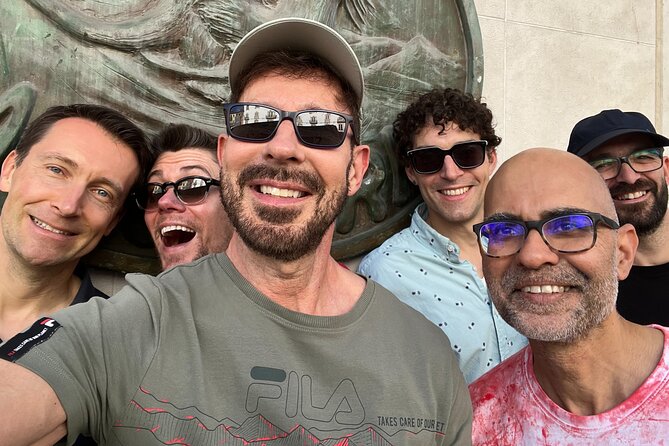
After the health-focused stop, the route turns into a guided walk through venues and streets tied to queer nights out. Some stops are dance-floor legends. Others are smaller bar addresses that sound like trivia until you learn what happened there.
You pass Construction Lisbon Club, a long-standing dance venue with stories linked to the wider neighborhood nightlife, including nearby lesbian spaces. You then continue to the Botanical Garden of Lisbon, where the guide talks about cruising in the 1950s parks and the way people tried to live their lives while dodging police attention. It is not presented like sensational gossip, it is framed as how queer people navigated danger.
Next comes Trumps, described as Lisbon’s largest queer nightclub, with two floors and different vibes since 1980. If you like nightlife but hate feeling lost, you’ll appreciate this stop. It gives you a grounded starting point for what to look up later, because you understand the place as a long-running queer institution, not just a bar review.
From there, you reach some classic names. At R. de Gustavo de Matos Sequeira 42, you learn about Lisbon’s first lesbian bar, O Gato Verde (The Green Cat), presented as a true institution with lots of history. Then you move to Praça das Flores 7 for the first drag bar in Lisbon. The guide explains the rise and fall story of Lisbon’s first drag queen, and you get the sense of how political shifts can squeeze or free expression.
You’ll also stop at Bar 106, then go into bear culture landmarks: Shelter Bar Lisboa for part one, and later Bar TR3S Lisboa for part two. The stops are short, but they function like orientation. You can start to build a mental map of Lisbon’s queer scene by neighborhood.
Two more nightlife anchors show up close together. Finalmente Club is labeled as the best and oldest drag in town, with different shows and different times. Then Purex is presented as a dance floor for everyone, run by women, with playful details like vagina jewelry. It helps you see variety in Lisbon’s scene, not only one style.




Legal Wins and Community Values: Courts, Rights, and Manifestos

The tour does not keep everything in entertainment mode. It changes gears at the Constitutional Court, where you hear about legal challenges and Portugal’s long journey from dictatorship values toward constitutional protection for LGBTQ rights.
This matters because it explains something many visitors never connect. A city’s queer culture is not only clubs and parties. It is also policy, court decisions, and the slow work of turning dignity into law.
Near there, you reach R. Luz Soriano 44 for the story tied to Long Live Homosexuality, described as an early “homosexual manifesto.” You learn that the effort was suppressed at first, then later found success. The stop gives you a sense of how activism often looks, especially when the world pushes back.
Then the route moves to R. do Trombeta 10, where the guide tells a steamy 19th century scandal story connected to the so-called Two Fernandes and later saunas. It is the kind of story that can sound like gossip, but the guide uses it to show how love nests and later public spaces evolved into something different over time.
Women, Art, and Scandal in the Streets of Lisbon
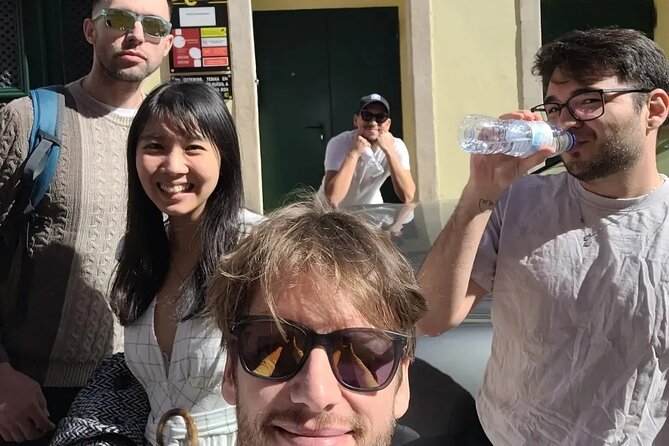
One of the more interesting parts of this walk is how it keeps bringing you back to people, not just institutions.
At Maria Caxuxa, the guide highlights a woman described as the right person to confound conventions and dismiss nosey journalists in the 1940s. This is the tour showing you that queer history is not only about gender and sexuality labels. It is also about who had power, who challenged it, and who refused to be erased.
At Tv. da Espera 50, the tour points out an 19th century scandal involving the Marquis of Valada and a common soldier. The story includes disgraced politicians, blackmail, and survival. It sounds dramatic, and it is, but the point is how secrecy and reputation could determine who got to live openly and who paid the cost.
You then reach Teatro da Trindade, where the guide tells wartime Lisbon stories through bisexual jazz legend Josephine Baker, described here as dodging secret police and spying while disguised. This stop is a reminder that queer lives have always been entangled with politics and risk, even when the spotlight looked elsewhere.
Censorship, the Inquisition, and “What Survived”
After all those modern-sounding stories, the tour heads into places where history was actively suppressed.
At R. da Misericórdia 125, you get queer fiction themes, censorship, and compromised censors, with a focus on the idea of women in love but not with men. This stop helps you understand the cultural pressure points behind the scenes, not just how laws worked in court.
Then you visit Igreja de Sao Roque, a stop framed through the Portuguese Inquisition as a window into queer history, including sex in church, lesbian nuns, and even mention of a trans love story. You hear that these stories survived from the 16th, 17th, and 18th centuries. It is heavy material, and it is handled as historical context, not shock value.
The next stop is Hospital St. Louis, where the guide connects Lisbon’s recognition of gay writing to the writer Fernand Pessoa. The message here is gentle but pointed: you love someone because you love them, and later history can reclaim what was once dismissed.
The Final Lounge at Late Birds Hotel: Where the Tour Becomes Social
The tour ends at Tv. André Valente 25, 1200-236 Lisboa, at the Late Birds Hotel. This is presented as Lisbon’s largest gay hotel, and the final stop is a lounge, bar, garden, and pool area finish.
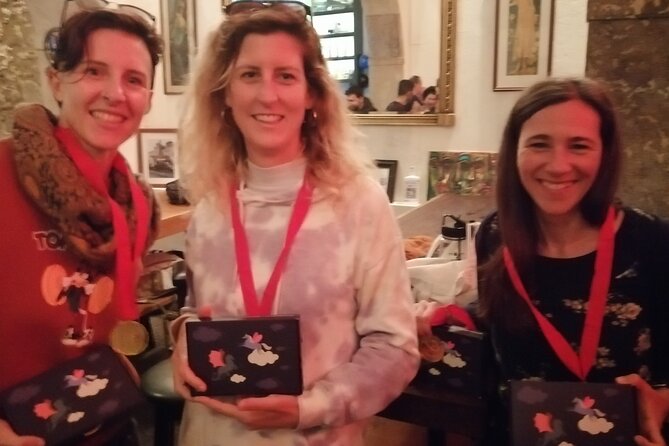
If the weather is good, you’re invited to bring a swimming costume. The ending includes pub-quiz and prizes, which is a practical way to turn your route into a shared experience, not just an information dump.
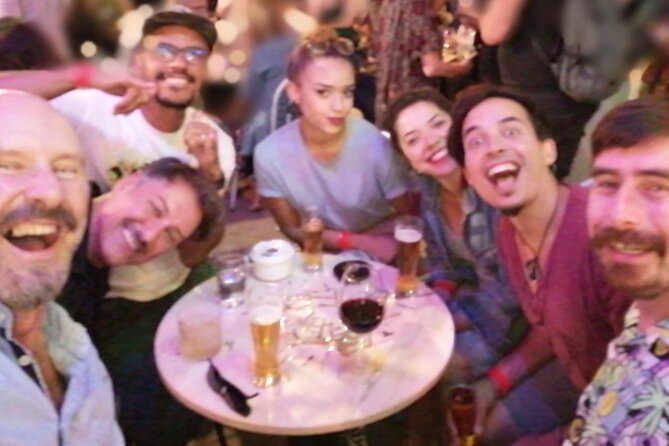
This last part matters because the tour is designed around community. You don’t just learn history. You also get a moment that feels like the city continues beyond the walking route, with people chatting and forming small connections.
Price, Value, and How to Get the Most Out of 3.5 Hours
The price is $60.34 per person for about 3 hours 30 minutes. That is a fair cost for a focused guide-led route that mixes cultural history, legal context, and nightlife orientation across a lot of stops.
Here is the value angle that tipped it for me. You also receive a PDF copy of Alex’s LONG LIST, described as an updated guide to LGBTQ Lisbon that normally costs 15 euros. Even if you do not use every suggestion, having a curated set of next steps in your pocket beats trying to piece together plans from scattered sources later.
A small-group cap at 15 also helps the price feel reasonable. You get more interaction time and better story delivery than you would in larger walking tours.
Practical Tips Before You Go
This is a walking experience with a moderate physical fitness requirement. Most stops are around six minutes, but the total number of stops means you should plan comfortable shoes and a steady pace.
Because the tour is outdoors part of the way, think about weather. One of the best parts is how the guide handles it day to day, including being ready with umbrellas when conditions change.
Also, you should know the tone: it is frank. It covers discrimination, HIV, policing, censorship, and sex-related history, including stories that are not written for squeamish readers. If you prefer sanitized history, you may not love this format. If you want the real Lisbon, you’ll feel at home.
Who Should Book This Queer Lisbon Tour?
Book it if you want:
- Queer history with street-level specifics, not only museum talk
- A guide who shares stories in a friendly, social way
- A mix of serious topics and nightlife orientation
- A way to meet people, especially with the Late Birds finish and pub-quiz
Skip it if you:
- Want only famous scenic sights with minimal heavy topics
- Strongly dislike walking-heavy routes, even at a relaxed pace
- Are looking for a purely party-focused bar crawl, because this has law, courts, health, and church history woven into it
Should You Book It?
I think this tour is a strong choice for anyone who wants to understand Lisbon beyond postcard angles. The focused theme, the small-group feel, and the end at Late Birds Hotel make it easier to remember the city as a place where queer lives were built, resisted, and celebrated.
If your schedule allows a 10:00 am start, and you’re okay with walking and learning about difficult subjects, I would book it early and treat the PDF as your next-step planner. You’ll finish with a better mental map of Lisbon and a set of places you can actually go back to.
FAQ
How much does Queer Lisbon cost?
The tour costs $60.34 per person.
How long is the tour?
It lasts about 3 hours 30 minutes.
Where does the tour start and end?
It starts at Principe Real Playground, Praça do Príncipe Real, and ends at Tv. André Valente 25, at the Late Birds Hotel lounge/bar/garden/pool area.
Is the tour in English?
Yes. The tour is offered in English.
How large is the group?
The experience has a maximum of 15 travelers.
What’s included in the price?
You get the guided experience with stories and anecdotes, modern gay scene discoveries as you stroll, meeting new friends with a finish at Late Birds, and a PDF copy of Alex’s LONG LIST updated guide to LGBTQ Lisbon.
Is there an age limit, and can I drink?
You must be 16+ to book. The legal drinking age is 18+.
More Historical Tours in Lisbon



More Tour Reviews in Lisbon
Not for you? Here's more nearby things to do in Lisbon we have reviewed











Lisbon City Tours, side by side.
 ★ 5.0Lisbon City Center Tour – The Unmissable LisbonTickets from $322,234 traveller reviews
 ★ 4.7Sintra, Pena, Regaleira, Cabo da Roca & CascaisTickets from $2319,656 traveller reviews
 ★ 4.1Jerónimos Monastery Entrance TicketTickets from $2114,164 traveller reviews
 ★ 4.8History, Stories and Lifestyle Walking TourTickets from $2910,902 traveller reviews
 ★ 4.5Sunset Boat Party Cruise with DJ and Open BarTickets from $2710,378 traveller reviews
 ★ 4.7Pena Palace, Sintra, Cabo da Roca, & Cascais DaytripTickets from $919,981 traveller reviews
 ★ 4.6Oceanário de Lisboa Entrance TicketTickets from $299,943 traveller reviews
 ★ 5.0True 4Hour Private Tuk Tuk Tour: Discover Lisbon with a Local!Tickets from $1088,008 traveller reviews
More useful lists for this tour