Review · LISBON
Pasteis de Nata Experience
Your Lisbon morning goes hands-on fast. This pastéis de nata experience turns a famous Portuguese treat into a practical, step-by-step class, with you learning the story and technique behind the tart, then tasting what you make. I love that it is a small group (max 12), and I love that you do not just watch, you cook and eat right there in the class.
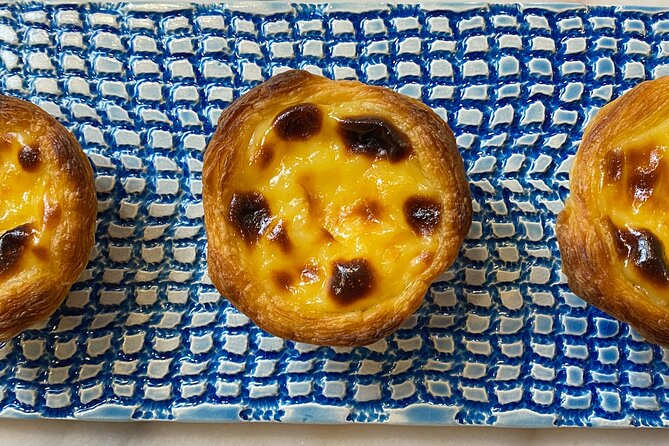
Pastéis de nata have a very Lisbon backstory. The dessert is tied to an 18th-century origin at Jerónimos Monastery, where huge quantities of egg whites were used to starch nuns’ habits, and the egg yolks were saved for pastries. In your session, you get that context, then roll up your sleeves to make your own version and share the results with your group.
One drawback to think about: the experience is focused on one main item, the pastéis de nata. If you want a big brunch spread with lots of savory options, you might find this more like a dessert workshop than a full meal day.
Key things to know before you go
- Max 12 people keeps the class personal, and gives you real time at the workstations.
- English instruction makes it easy to follow even if you are not Portuguese.
- Recipe PDFs by email help you recreate the treat later at home.
- Included drinks are coffee, milk, tea, and juice, so you are not paying extra to sit down and taste.
- Mobile ticket means you can show up with your phone instead of hunting for paper.
- Pastel tins available to purchase if you want to bake again without guessing what to buy.
A classic Lisbon dessert, explained the way you can remember
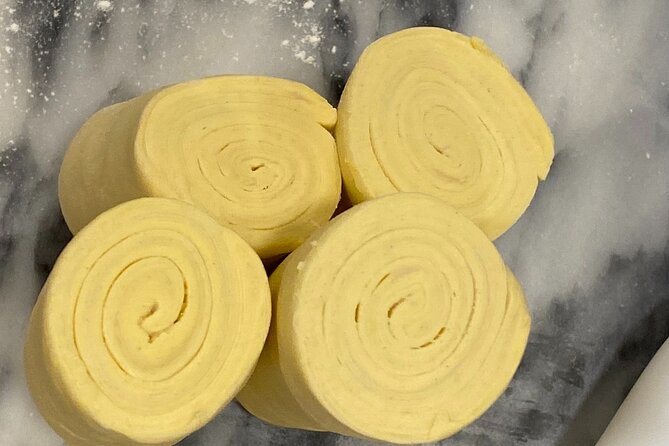
Pastéis de nata were born in Lisbon, and they come with a story you can actually use. The classic origin tale is tied to Jerónimos Monastery, where egg whites were used in large amounts for starching clothing, like nun’s habits. The egg yolks, in turn, became the ingredient that fed a growing list of Portuguese sweets.
That matters because it turns the dessert from a random snack into something you understand. You are not just making a pastry, you are making a piece of local culinary logic: what people had, what they saved, and how they turned leftovers into a reputation. It is the kind of origin that sticks, because you connect it to the ingredient you handle during class.
In a place like Lisbon, it is easy to fall into a pattern of looking at churches, taking photos, then finding a pastry on the way back to your hotel. This experience gives you a middle step. You learn, you practice, and then you taste. That is a better use of your morning than just collecting calories.
You can also read our reviews of more tours and experiences in Lisbon.



Price and what you really get for $72.08
At $72.08 per person for about 1 hour 30 minutes, you are paying for instruction, workspace, and the included sit-down moment after baking. It is not a cheap ticket, but it also is not just a dessert. You get a structured class, activity insurance, Wi-Fi, and a PDF recipe package sent by email.
Think of it like this: you are buying the experience of learning how to make the real thing, not only the taste. The PDF recipes are a big part of the value, because they let you keep cooking after the trip. If you have ever bought ingredients later and guessed wrong on measurements or steps, you will appreciate having a reference in hand.
Also, the class is capped at 12 travelers, which is a value point you can feel. When a group is small, the host has a better chance to keep things moving and make sure you get hands-on time instead of watching from the sidelines.
Getting to R. Bernardim Ribeiro 9 near Anjos Metro
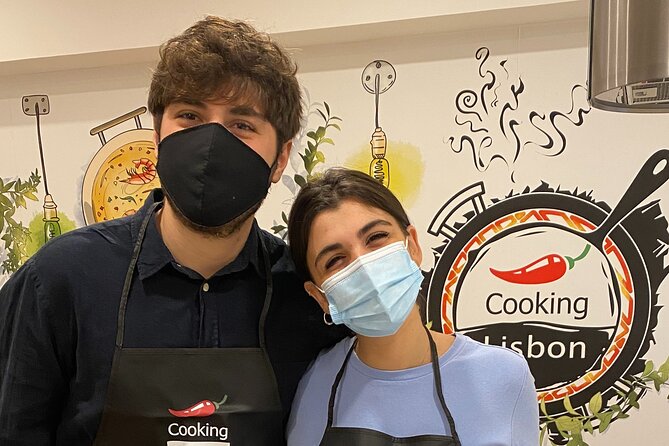
The meeting point is at R. Bernardim Ribeiro 9, 1150-068 Lisboa. The class starts at 9:30 am, and it ends back at the meeting point. This is helpful because you do not lose time with multiple transfers, and you can plan the rest of your day without a long return route.
Location-wise, it is close to public transit. You are about 50 metres from Anjos Metro Station, which makes the morning easy even if you are staying in a different neighborhood. The experience also uses a mobile ticket, so you can keep things simple right up to check-in.
If you are coming from central Lisbon, I suggest arriving a few minutes early and doing a quick street check. One negative review mentions a situation where a class did not get started on time for a booking, and while the provider response says they could not find a record of that booking, the practical takeaway is still smart: verify your confirmation details and show up close to the start time.
How a small-group kitchen class stays fun instead of chaotic
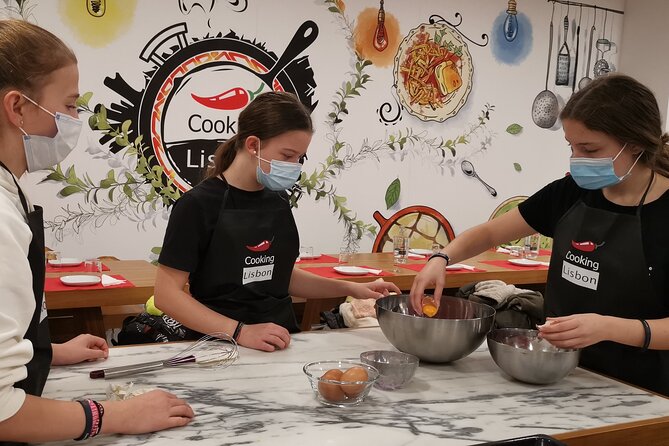
The kitchen setup is part of what people praise most. One participant highlighted that the host’s kitchen was the right size for a group of about 12, and that everyone had a chance to participate. That is exactly what you want from a cooking class in a city where space is tight.
What you should expect is teamwork and rotation. You are not going to be sitting in one place the whole time. A well-run class keeps the pace steady and spreads the tasks so you learn more than one step. In one review, the instructor named Felipe was singled out for explaining how the class would work and teaching the process. That is a clue you will likely get clear guidance, not just a general lesson.
Even if you are not a confident cook, this format tends to work because it is contained. The tools and ingredients are there, the timing is managed, and you learn by doing. It is also a solid pick for mixed groups, since one review specifically calls it great for all ages.
The historical ingredient story, then your hands on the tart
You will start with context and then move into action. The experience is built around pastéis de nata, and the origin story is tied directly to egg whites and egg yolks at Jerónimos Monastery. That means the class theme is not abstract. You are learning a technique connected to how the dessert developed.
While the detailed step-by-step recipe method is not listed in the tour outline, the structure is clear: you make pastéis de nata with your group, then you sit down for a taste. Expect instruction on how the process works, plus practical tips on how to handle the batter or filling and how to manage the baking stage.
In real terms, that hands-on time is what turns this from a snack stop into a morning memory. You will get to say, I made it, and you will also know why it tastes the way it does. That is the difference between eating a pastry and learning a craft.


What happens after baking: a sit-down taste with included drinks
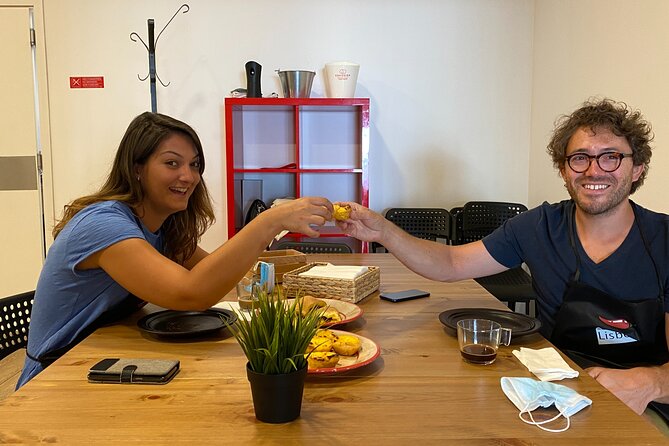
Once the baking is done, you get to enjoy the results. The tour outline specifically says you will seat a taste of the pastéis de nata after making them. That matters because the class does not end with you taking a tray and racing back out. You get a proper tasting moment.
Drinks are included: coffee, milk, tea, and juice. That is a helpful detail for value and comfort, especially for a morning start. You do not need to stop for caffeine right away, and you have options beyond water.
Also, one review mentions coffee and porto in the tasting. The official included list does not list porto, so I would treat that as a nice bonus that may appear depending on how a session is run, rather than something you should plan around. Either way, the key point stays the same: you get to taste what you made on-site, with drinks included.
The PDF recipe email, and how to turn your class into a home win
One of the most useful things you get here is the recipe package. You receive PDF files by email, so you can cook again after your trip. For anyone who has tried to replicate a favorite food from travel and failed, having a written reference right after the lesson is huge.
It also helps you remember details while they are fresh. Cooking lessons can blur together once you move on to the next museum or neighborhood. When your recipe arrives later by email, it gives your brain a hook to return to.
One participant specifically said they will be making pastéis de nata again from the provided recipe. That is exactly the point of including the PDF materials. You are not paying just for the hour and a half in Lisbon, you are setting yourself up to keep the tradition alive at home.
The only real downside: it is dessert-focused, so plan your full day
This experience is centered on one outcome: pastéis de nata. The sample menu lists dessert as pastéis de nata, and the included beverages are coffee, milk, tea, and juice. There is no mention of a full brunch menu with savory dishes.
So if your ideal Lisbon morning is eggs, bread, and a variety of sweet and savory items, you may want to pair this with a separate breakfast plan. Think of the class as your main food event, then add a quick bite either before or after.
Another consideration: the class starts at 9:30 am. That is early for some vacations, but it is also what makes it a smart move. You can finish your cooking by late morning and still have time for neighborhoods and viewpoints while the day is young.
Who this Cooking Lisbon class fits best
This is a great match if you want a hands-on cultural activity that does not eat your entire day. Because the group is capped at 12 and runs about 1 hour 30 minutes, it works well for:
- First-timers who want Lisbon food without hunting for the right cooking school
- People who like learning techniques they can repeat
- Couples or small groups who want something different than another walking tour
- Families, since the experience has been called great for all ages
It may be less ideal if you want a multi-course meal or a tour that mixes in a longer sightseeing route. This is a focused kitchen lesson and tasting. When you go in expecting that, you will enjoy it more.
Should you book this pastéis de nata cooking class?
If you want one unforgettable Lisbon morning that blends history, hands-on cooking, and a genuine taste payoff, I would book it. The combination of small-group size, English instruction, included drinks, and PDF recipes makes the $72.08 feel like a real value, not just a ticket to eat dessert.
Book it sooner rather than later, since it is commonly booked about 12 days in advance. And when you book, double-check the meeting point address and aim to arrive close to 9:30 am so you can start calmly.
If you are the type who loves pastéis de nata but already knows you will want a full brunch with lots of savory options, consider doing this after breakfast. Otherwise, you might spend the rest of the day thinking about what you did not have, instead of enjoying what you did cook.
FAQ
What time does the pastéis de nata class start?
The class starts at 9:30 am.
How long is the experience?
It lasts about 1 hour 30 minutes.
Where do I meet for the experience?
Meet at R. Bernardim Ribeiro 9, 1150-068 Lisboa, Portugal.
Is the class offered in English?
Yes, it is offered in English.
What is the group size limit?
The experience has a maximum of 12 travelers.
What drinks and extras are included?
Coffee, milk, tea, and juice are included, along with activity insurance, Wi-Fi, and recipe PDFs sent by email.
Can I cancel for a full refund?
Yes. There is free cancellation, and you can cancel up to 24 hours in advance for a full refund.