
Review · LISBON CITY TOURS
Passeio Privado de Lisboa
Lisbon gets easier with a private plan. This private Lisbon day tour gives you a calm, local-led way to cover the big sights, with a licensed guide who helps you ask questions and find your footing. I like the flexibility to shape the day around what you care about, but one thing to factor in is that monument entries are not all included, so you may still pay for places like Lisbon Cathedral and the Pastéis de Belém stop.
You’ll ride in an extremely comfortable vehicle with WiFi and bottled water, and you start and end at your hotel (or another pickup spot you choose). The whole point is to remove the stress of buses, lines, and guessing routes when your schedule only has one shot at Lisbon.
It’s also a smart fit for first-timers because you get a broad sweep, then you slow down where it matters. Choose your start time, and expect a day that feels structured but not rigid.
Key Points That Make This Private Lisbon Tour Work
- Hotel pickup plus a flexible route, so you can start when you want and adjust as you go
- Licensed guide support, helpful when language is a barrier and you need quick answers
- Comfort-first transport with WiFi and bottled water included
- Most major stops have free admission, while a couple key experiences are not included
- Family-friendly extras like child seats and rain hats
- Private group only, so the pace stays yours
How a Private Lisbon Tour Stays Flexible All Day
This is a private, fully flexible tour built for real time, not a factory schedule. You pick the start time that fits your day, and your guide keeps the pacing aligned with your interests. That flexibility is the difference between seeing Lisbon as a checklist versus understanding it as a city you can actually navigate.
The price is listed as $254.50 per person for an 8-hour experience. Here’s why I think it can feel like good value: you’re not just paying for a map and a timetable. You’re paying for hotel pickup and drop-off, a dedicated guide, comfortable transportation, and small onboard perks like WiFi and bottled water. On top of that, several stops in the day are marked free, so the day’s costs are less likely to balloon from entrance fees alone.
One practical note: since the tour includes guiding and transport but not all admissions, you should expect a little cash planning for any paid stops. Also, because it’s private, you should treat this as a chance to ask questions. The guide is there to help you interpret what you’re seeing, and to recommend what to prioritize later.
You can also read our reviews of more tours and experiences in Lisbon.



Parque das Nações: Modern Lisbon After Expo 98
Parque das Nações is a strong first stop because it gives you instant contrast. Instead of narrow old streets, you step into Lisbon’s newer face: the area was created about fifteen days after Expo 98 ended, and the tour frames it as a huge urban redevelopment that transformed a former industrial zone into a more upscale district.
You’ll spend about 1 hour here, and admission is marked free. The tour also highlights the scale, noting 330 hectares, and the transformation from places like refineries, warehouses, dumps, and slaughterhouses into something built for offices, international companies, and modern life. Even if you’re not chasing architecture, this stop helps you understand how Lisbon rebuilt itself and how the city keeps moving forward.
What I like about starting here is the logistics benefit. The tour descriptions stress that Parque das Nações connects directly to the train and metro, which makes it a key area for getting around. If you’re trying to learn where things sit on the Lisbon grid, this is an easy place to orient quickly.
A small consideration: because it’s a newer district, the vibe can feel less “storybook” than Alfama or Belém. If you crave only old-world scenes all day, you may want your guide to spend extra time at the neighborhoods with more historic density later.
Alfama: Lisbon’s Old Quarter, Fado Mood, and Real Defensive Roots
Then the day shifts, and it does it on purpose. Alfama is Lisbon’s oldest neighborhood, and you’ll see that age in the layout: small lines of streets and tight alleys that reflect how the area functioned as a defensive system during the Arab period in Portugal, starting around the 8th century and lasting through the 12th.
You’ll get about 1 hour here, with free admission noted. The tour connects Alfama to the broader story of Moorish presence and the Christian reconquest, explaining how the Arab civilization moved to another hill afterward, and how that laid groundwork for Mouraria as an adjacent neighborhood. Even if you don’t memorize every historical beat, the key takeaway is spatial: the streets and alleys make sense when you see them as part of a defense and community system, not just a tourist maze.
The tour also points you toward a cultural anchor: fado, described as originating in Alfama, and the signature emotion of saudade. This is where a guide can really help. It’s easy to hear the words in passing, but in context, you start to understand why the music and the neighborhood feel linked.
Practical downside to consider: Alfama’s streets can be steep and winding. If mobility is an issue for you, you’ll want to tell your guide at the start so they can pace the walking accordingly. The tour is private, which means your guide can manage it.
Lisbon Cathedral Area: Santo António and the 12th-Century Setting
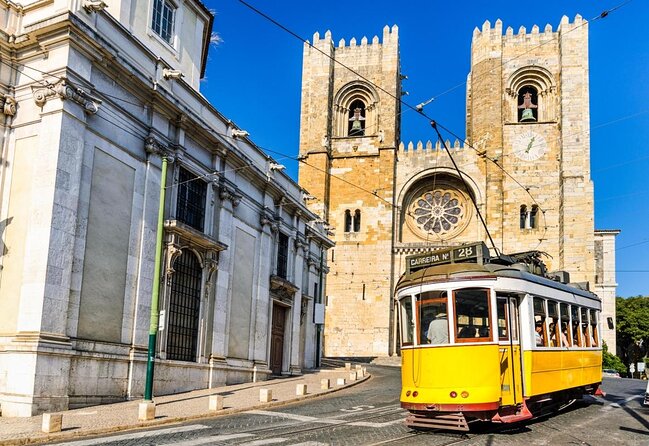
Next comes the church-focused stop near Lisbon Cathedral and the story of Santo António. The tour description frames the church of Santo António as being built on the exact place connected to Santo António’s birth, and it ties it to a much earlier moment in Lisbon’s history, when the city was conquered by the Portuguese and shaped by early kings.
You’ll have about 1 hour at this stop. Admission is listed as not included, so this is one place where you may pay to enter depending on what you want to see inside.
The name detail matters here: the tour explains construction tied to D. Afonso Henriques (the first king of Portugal) in the 12th century, after the city was taken from the Moors. That gives you an easy way to connect the building to the larger political shift happening across Portugal at the time. If you like places that explain a turning point, this stop delivers.
One more consideration: since admission is not included, budget a bit for the parts you’ll actually enter. If you’re more interested in street scenes and viewpoints than in interior spaces, you can still enjoy the area while keeping costs controlled.
Baixa, Rossio, and Restauradores: The 1755 Earthquake, Explained In Place
Now you’re back in Lisbon’s central city, where the tour focuses on the aftermath of a turning point: the 1755 earthquake. The route packages Baixa, Rossio, and Restauradores together, and it treats the area as a living example of how disaster changed building choices and even social thinking.
You’ll spend about 2 hours here, and admission is marked free. The tour emphasizes that after the earthquake, Lisbon’s architecture shifted, with buildings redesigned using wider streets and more open squares. It also mentions that even though the 18th-century construction aimed to be anti-seismic, the planners still designed with the possibility of another quake in mind, which is a very modern-sounding idea.
A big name comes up: Marquês de Pombal. The tour links him to the reconstruction and to wider economic and social changes that followed. That matters, because this isn’t just sightseeing. It’s a way to understand why Lisbon’s center looks the way it does, with geometry you can actually feel when you walk.
One potential drawback: this is the densest “city center” chunk of the day. If you’re sensitive to crowds or noise, you may want your guide to time breaks strategically or to adjust the walking pace.


Parque Eduardo VII: City Views and the Portugal-England Thread
After the central streets, you climb. Parque Eduardo VII is described as the top of the park with wonderful views over the city, and it’s one of those stops where the guide can connect what you see to why it matters historically.
The tour gives about 1 hour here, and admission is listed as free. The description includes a theme you might not expect on a general Lisbon tour: the tour talks about relationships between Portugal and England through treaties and alliances, and how that connects to the formation of the Portuguese colony Brazil in a period when it became an independent country.
It also brings the view back to local geography and city identity. The tour notes Lisbon is known as the city of seven hills, and it ties that to the meaning of the Baixa designation, while pointing out the impressive statue of Marquês de Pombal. If you like the feeling that a viewpoint is doing more than being pretty, this stop is built for you.
Practical note: it’s a viewpoint, so weather and wind can matter. Even if the tour includes rain hats, I’d still plan for layers if you run into a cooler morning or evening.
Belém: Tejo River Views, Explorers, and the West-End of Lisbon
Belém is where the day turns more scenic and more story-driven. The tour description places it west of the center and paints it as a district packed with monuments, museums, and gardens right along the water. That’s a useful framing because Belém can feel like a full theme of Lisbon’s identity, not just one stop.
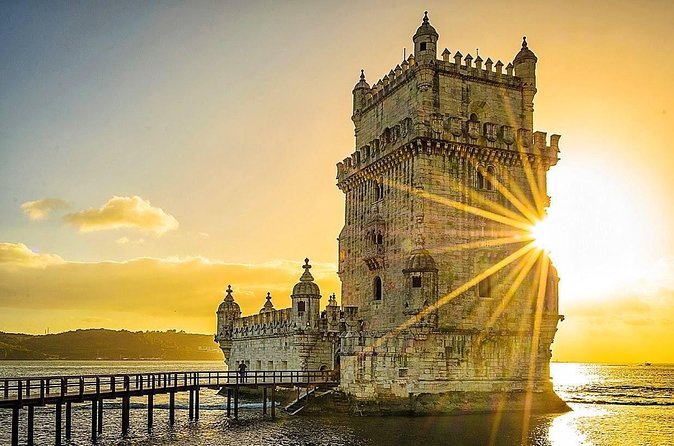
You’ll get about 1 hour here, with free admission noted for this segment. The tour specifically highlights the Tejo River setting and describes Belém’s former role as a place of shipyards and ports. Then it shifts to the Portuguese exploration era: it says courageous Portuguese explorers left from here in the 15th century to discover maritime routes to India, Africa, and Brazil.
The tour also explains the money behind that story in plain terms: the wealth flowing back to Portugal from colonies funded the era, and Belém carries the physical and emotional weight of that past.
Why I like this stop for first-timers: even if you don’t plan museum visits today, you still leave with context. You can see why Belém feels ceremonial and why Lisbon’s maritime identity matters so much.
A consideration: if you have limited interest in monuments or museums, you might feel like Belém is “too much.” The good news is that your tour is flexible, so you can ask your guide to steer you toward the most meaningful sights for your style.
Jerónimos and Pastéis de Belém: The Monument Stops (and the One Paid Treat)
The final “big names” chunk is Mosteiro dos Jerônimos. The tour describes it as a 16th-century monastery, and it pairs it with the tower of Belém. The language used in the tour frames these as a strong fortress-like monument and a site tied to the story of Portuguese explorers.
You’ll spend about 1 hour here, with monument entry marked not included. That means you should plan for tickets if you want to go inside or focus on the interior experience.
Then comes the food stop, and it’s a classic for a reason. The tour includes a visit and tasting at Pastéis de Belém, described as a centenarian pastry shop. The tour also notes that family decisions kept it unique as a place selling this iconic Portuguese pastry.
Admission for the pastry stop is also listed as not included, so treat it as a bonus cost. Even if you’re not a pastry person, this is one of the fastest ways to end the day with a tangible Lisbon memory.
The best way to make this section work is to go in hungry and go in with modest expectations. This is a popular stop. Your guide can help you handle the flow so you don’t lose time wandering.
What the Guide Adds, Beyond Just Driving You Around
A private guide can either recite facts or make the city click. The most positive parts of past experience tied to guides here are about timing, attentiveness, and clear explanations, with names like André and Carlos Souza appearing in examples of how guide performance can make the day feel effortless.
What that means for you in real life is simple: you’re not only going from point A to point B. You’re getting help interpreting what you see. The tour description directly calls out how a guide helps you overcome the language barrier when asking for directions. That’s not a small detail. It can turn a confusing day into a confident one.
I also like that this day is designed to include tailored recommendations. If your guide can spot what you’re leaning toward, you can take those suggestions and use them for the rest of your vacation, even if the rest of the trip is self-guided.
Price, Inclusions, and Where Extra Costs May Appear
At $254.50 per person for about 8 hours, you’re paying for more than transport. The listed inclusions are strong and practical: hotel pickup and drop-off, a licensed guide, a private and totally flexible format, an extremely comfortable vehicle, WiFi, and bottled water.
The biggest value lever is that several stops are marked free on admission, including Parque das Nações, Alfama, Baixa/Rossio/Restauradores, and the viewpoint at Parque Eduardo VII. That helps you keep control of your day’s total cost.
Where you should expect additional spending is also clearly implied by what is marked not included:
- Lisbon Cathedral area (entrance not included)
- Pastéis de Belém (tasting noted as not included)
Meals are not included either, so plan on picking your own food rhythm. The upside is that private tours let you choose where to eat without rushing, as long as you give your guide a general preference.
Who Should Book This Private Lisbon Tour
This tour makes the most sense if you:
- Are in Lisbon for the first time and want a big-picture overview without feeling stuck
- Want to move at your own pace, with a plan that can bend
- Appreciate a guide who can help you handle directions and language quickly
- Like mixing viewpoints and neighborhoods, not only museum interiors
It’s also a good option if you’re traveling with kids. The tour notes chairs for children and rain hats, which are small touches that can save your day when weather or comfort becomes an issue.
If you only want museums or only want a deep architecture focus, you might find this day broad. But that broad sweep is the point, especially for first-timers.
Should You Book the Passeio Privado de Lisboa?
I’d book it if your goal is simple: see the main Lisbon neighborhoods in one well-run day, with a guide who helps you understand what you’re looking at and keeps the route flexible. The combination of private comfort, hotel pickup, and WiFi plus bottled water makes the day feel lower stress, and the free-admission-heavy stops help you avoid surprise fees.
Skip it only if you already have a tight, museum-only plan and you do not want to pay extra for interior entries at Lisbon Cathedral and the Pastéis de Belém tasting. Also, if you hate any walking at all, be ready to manage that with your guide since parts of Alfama and the center are inherently pedestrian-heavy.
If you want one confident first day in Lisbon that you can tailor, this private route is a solid bet.
FAQ
How long is the Passeio Privado de Lisboa?
It lasts about 8 hours.
What does it cost per person?
The price is $254.50 per person.
Is hotel pickup included?
Yes. It starts and ends at your hotel or another location you choose.
Is this tour private?
Yes. It is a private tour, and only your group participates.
What’s included in the tour price?
Included items are a licensed guide, private and flexible tour format, extremely comfortable vehicle, WiFi, and bottled water.
Are monument entrance fees included?
No. Entrance tickets are not included. Some stops are listed as free, but others are marked not included, including Lisbon Cathedral and Pastéis de Belém.
Can I choose the start time?
Yes. You can choose a start time that fits your schedule.
Is free cancellation available?
Yes. Free cancellation is available, and you can cancel up to 24 hours in advance for a full refund.
More Tour Reviews in Lisbon
Not for you? Here's more nearby things to do in Lisbon we have reviewed











Lisbon City Tours, side by side.
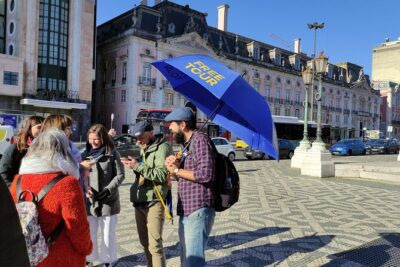 ★ 5.0Lisbon City Center Tour – The Unmissable LisbonTickets from $322,234 traveller reviews
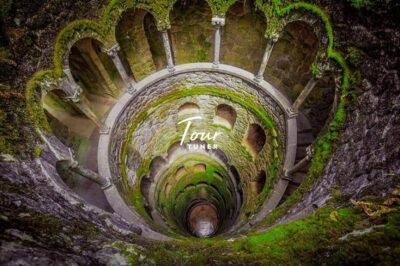 ★ 4.7Sintra, Pena, Regaleira, Cabo da Roca & CascaisTickets from $2319,656 traveller reviews
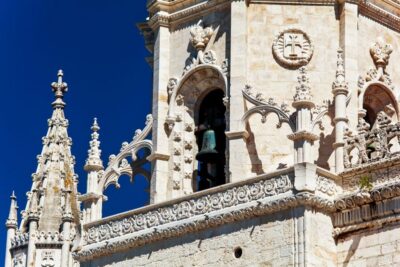 ★ 4.1Jerónimos Monastery Entrance TicketTickets from $2114,164 traveller reviews
 ★ 4.8History, Stories and Lifestyle Walking TourTickets from $2910,902 traveller reviews
 ★ 4.5Sunset Boat Party Cruise with DJ and Open BarTickets from $2710,378 traveller reviews
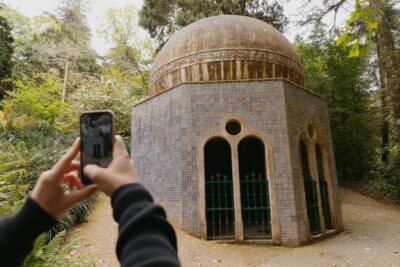 ★ 4.7Pena Palace, Sintra, Cabo da Roca, & Cascais DaytripTickets from $919,981 traveller reviews
 ★ 4.6Oceanário de Lisboa Entrance TicketTickets from $299,943 traveller reviews
 ★ 5.0True 4Hour Private Tuk Tuk Tour: Discover Lisbon with a Local!Tickets from $1088,008 traveller reviews