

Review · LISBON CITY TOURS
Lisbon’s Post-Colonial Feast
Lisbon food, with an honest colonial lens. I love the post-colonial food angle and the chance to eat your way through it, including chocolate and chorizo stew. I also like the small max of seven people, which keeps the conversation human. One drawback to consider: this is not a light, fluffy food crawl, it tackles slavery, repression, and exploitation head-on.
For me, that blend of eating and accountability is what makes this tour feel different. You’ll spend about 5 hours walking between key neighborhood sites, with a guide leading the story in English and food tied to Portugal’s former colonies.
Key highlights I’d plan around
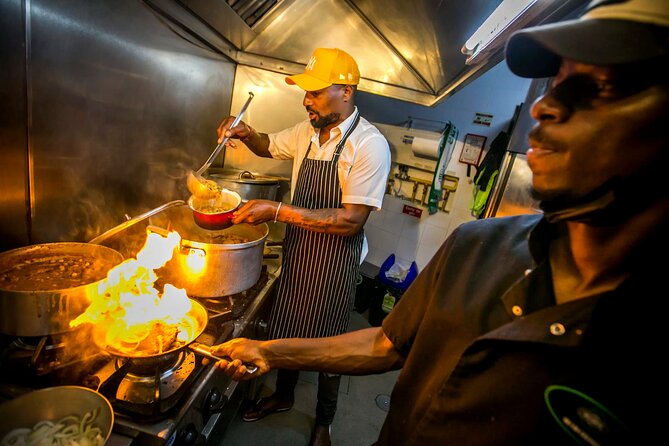
- A small group (up to 7) so questions do not get swallowed by the crowd.
- Chocolate and chorizo stew are part of the core feast, plus other regional bites.
- Serious historical framing connects cuisine to Portugal’s role in slavery and exploitation.
- Five scheduled stops anchored by places like Paço da Rainha and Jardim do Torel.
- Free admission at each listed stop, so your cost mostly goes toward guide time and the food.
- English tour with a mobile ticket, starting at 11:00 am and ending where you begin.
A 5-hour Lisbon food walk built around colonial connections
This is a Lisbon food tour, but it is also a history tour in disguise, and I mean that as a compliment. Instead of treating cuisine like a set of pleasant tastes, the guide ties dishes to people, trade routes, and the heavy reality of Portugal’s colonial period. You come for the meal. You leave with a clearer understanding of how that period shaped what people eat today.
The “post-colonial” focus matters because it goes beyond generic cultural mixing. You’re not just being shown Portuguese food in Lisbon. You’re seeing how influences from former colonies filtered into Portuguese everyday life, down to what ends up on plates and tables.
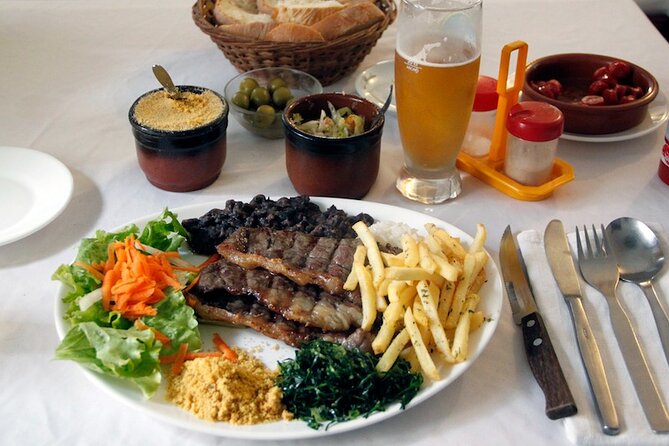
And yes, you still get to feast. The highlights call out chocolate, chorizo stew, and a broader lineup of regional delicacies, which is a big deal if you worry a “history tour” might underfeed you. Plan to arrive hungry. The point here is that the food is part of the lesson, not an accessory.
You can also read our reviews of more tours and experiences in Lisbon.


Price, group size, and what $150 really covers
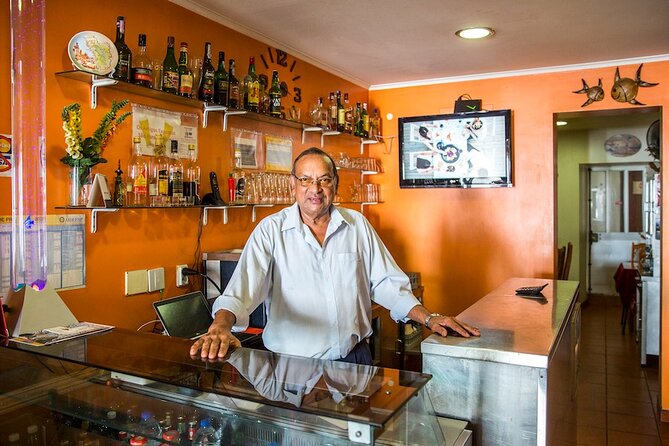
At $150 per person for about 5 hours, this is not a budget snack-and-stroll. But the price makes more sense when you account for two things: a small-group format and multiple included food stops. With a maximum of seven people, you usually get more back-and-forth, and the guide can pace the story to the group in real time.
There is also practical value baked in. Each of the listed sightseeing stops shows admission ticket free, so you are not paying again for entry fees at major checkpoints. Your money is primarily going toward guided storytelling plus the feast.
If you’re the type who hates feeling herded, the group size is a serious factor. If you mostly want a rapid hit of food with zero emotional weight, the theme may be a mismatch. This tour asks you to take the topic seriously while still enjoying the meal.
Meeting at Praça do Chile, then walking through post-colonial neighborhoods
You start at Praça do Chile 2, 1170 Lisboa at 11:00 am, and the tour ends back at the same meeting point. That out-and-back format is handy. You do not have to re-orient at the end, and you can plug the rest of your day into a familiar area.
The meeting point being near public transportation is useful if you are planning a bigger day around the city. A lot of Lisbon days get complicated, especially if you’re moving between neighborhoods, so having a return to the start makes your schedule easier to manage.
You’ll also have a mobile ticket, and confirmation comes at booking time. That means less last-minute scrambling and fewer surprises when you arrive.
One more practical note: this is listed as requiring good weather. If the day turns ugly, the experience may be canceled and you’d be offered a different date or a refund. So if you’re picking dates, watch the forecast like you would for any outdoor walking plan.
Stop-by-stop: Paço da Rainha to Largo de Sao Domingos
The route is built like a guided walk with regular “pause points.” You get around five stops, each with a stated time block and a clear role in the day’s theme. The theme is not just discussed once, it’s reinforced as you move.
Stop 1: Paço da Rainha (45 minutes, admission free)
At Paço da Rainha, you take in the sights as you make your way toward an off-the-radar part of the day. The listing frames it as an early grounding moment, which I appreciate. It sets the tone before the story gets heavier.
What you can expect here is the guide helping you get oriented and connected to place. You’re not just standing around. You’re learning how the neighborhood and its layers fit into the larger “post-colonial” theme that runs through the whole walk.


Stop 2: Campo dos Martires da Patria (45 minutes, admission free)
Next is Campo dos Martires da Patria. This is where the tour adds more city history and culture to the mix. The timing suggests a steady pace, not a frantic sprint through points on a map.
This stop works well if you like context. You start with where you are, then you get the cultural scaffolding. By the time you move on, you should feel less like you’re memorizing facts and more like you’re understanding why the food connections matter.
Stop 3: Avenida da Fonte Luminosa (45 minutes, admission free)
At Avenida da Fonte Luminosa, the guide discusses the theme of the day and then points out the sites tied to it. In tours like this, the “theme talk” stop is crucial. It tells you what you should pay attention to later, especially when the menu starts connecting to regions tied to Portugal’s former colonies.
This is also a good moment to ask questions. With a max group size of seven, you’re more likely to get a direct response instead of a general answer meant for a big crowd.
Stop 4: Jardim do Torel (45 minutes, admission free)
Jardim do Torel is listed as the moment where you find the next best bite. That matters because it breaks the pattern. You get a breather that is also food-time, not just more walking and listening.
I like this kind of pacing. It helps you process what you just heard without losing the thread. You’re also surrounded by a spot that lets you reset your senses before the final food-focused square stop.
Stop 5: Largo de Sao Domingos (1 hour, admission free)
The last stretch is Largo de Sao Domingos, a square where you’ll find specialties. Since it’s the longest single stop at 1 hour, it likely gives the guide space to land the lesson while you enjoy the final set of dishes.
This final stop is also where the “post-colonial feast” concept probably peaks. You’ve spent the day learning the story, now you get to taste the outcome. If you’re someone who wants to leave with a full stomach and a clearer mind, this ending structure is a strong fit.
The feast: chocolate, chorizo stew, and regional influences
The headline food items are chocolate and chorizo stew, plus a “wealth” of regional delicacies. That wording signals you’re not just getting one tiny sample of something. You’re meant to eat, then keep eating, which is the right approach for a thematic tour.
I also like that the food is framed through Portugal’s connections to former colonies. One review mentioned Brazilian and Goan food specifically as examples of cuisines that do not always come to mind for people planning a Lisbon food tour. That is exactly the kind of surprise I look for, because it turns a routine trip into a more personal education.
A key detail from the feedback: one person was sad that an Angolan restaurant they expected had closed recently. That tells me two practical things. First, one-off restaurant schedules and closures can affect the exact flavor of the route. Second, the tour is still designed to keep the theme going even when a particular stop shifts, so stay flexible on the exact regional label of every dish.
Bottom line: if you love chocolate, want something hearty like chorizo stew, and enjoy being surprised by how foods travel through history, this menu direction is a strong match.
Learning Portugal’s darkest chapter without losing your appetite
This tour’s theme includes Portugal’s grim history of slavery, repression, and exploitation. That is heavy subject matter, and it’s fair to flag upfront. The good news is that the tour format ties those ideas to something tangible, food, which makes the lesson easier to hold.
I find it matters that the history is not treated like a sidebar. It’s integrated into the day’s theme stops, including where the guide explicitly discusses the theme. When that connection is done well, you stop thinking of history as abstract and start thinking about consequences that show up in ordinary life, like what ends up in a stew or a dessert.
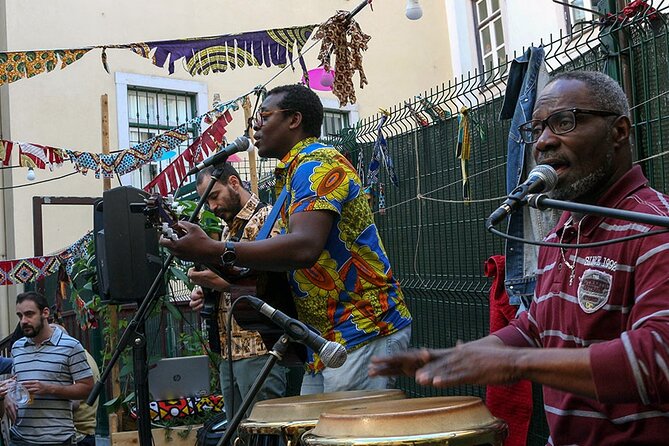
In the reviews, the guide Celia is mentioned as super lovely and strongly capable at explaining how mixed local cultures shaped Portuguese food. I took that as a sign that the tour aims to communicate without getting lost in jargon. When a tour combines uncomfortable history with good pacing, the guide’s ability to steer the room matters as much as the facts.
This is also a “small group” setup, so the discussion can stay human. If someone needs a moment to digest a difficult point, the pace can adapt better than in a large tour where everyone is rushing to the next stop.
Where this tour fits your style of travel
If you love food, you will enjoy the feast. You’re getting more than a tasting platter. You’re getting a sequence of bites connected to regional influences, with chocolate and chorizo stew called out as anchors.
If you love history, you will enjoy the structure. The city sites are not random backdrops. They are timed points where the guide connects the day’s theme to what you can see around you.
And if you’re traveling with mixed interests, the format can work. People who mainly want to eat still get plenty of food. People who mainly want to learn still get the historical framing. The key is that you both buy into the same premise, history tied to what lands on the table.
The main “do not book” warning is emotional preference. If you want a cheerful, carefree tasting tour, this might feel too serious. If you want a Lisbon experience that respects the past and uses food as the teaching tool, this tour is right in your lane.
Should you book Lisbon’s Post-Colonial Feast?
Book it if you want a small-group Lisbon food tour that does more than name dishes. You’ll get a real feast, plus an explanation of how Portuguese colonial history connected to cuisines in former colonies. Starting at 11:00 am also gives you a clean half-day block to build around.
Skip it if you are looking for a light, purely recreational food crawl. This experience includes slavery, repression, and exploitation in the story, and it will shape the mood of the walk.
One more practical decision tip: since the average booking lead time is 55 days, it tends to be popular. If you have a specific date in mind, don’t wait until the last week.
FAQ
How long is the Lisbon’s Post-Colonial Feast tour?
It runs for about 5 hours.
What time does the tour start, and where is the meeting point?
The tour starts at 11:00 am at Praça do Chile 2, 1170 Lisboa, Portugal. It ends back at the same meeting point.
Is the tour offered in English?
Yes, it is offered in English.
What is the group size limit?
The tour has a maximum of 7 travelers.
Are admission tickets required for the listed stops?
The listed sightseeing stops show admission ticket free.
What happens if the weather is bad or if plans change?
This experience requires good weather. It can be canceled due to poor weather, and you’d be offered a different date or a full refund. It also allows free cancellation up to 24 hours before the experience starts for a full refund.
More Tour Reviews in Lisbon
Not for you? Here's more nearby things to do in Lisbon we have reviewed










Lisbon City Tours, side by side.
 ★ 5.0Lisbon City Center Tour – The Unmissable LisbonTickets from $322,234 traveller reviews
 ★ 4.7Sintra, Pena, Regaleira, Cabo da Roca & CascaisTickets from $2319,656 traveller reviews
 ★ 4.1Jerónimos Monastery Entrance TicketTickets from $2114,164 traveller reviews
 ★ 4.8History, Stories and Lifestyle Walking TourTickets from $2910,902 traveller reviews
 ★ 4.5Sunset Boat Party Cruise with DJ and Open BarTickets from $2710,378 traveller reviews
 ★ 4.7Pena Palace, Sintra, Cabo da Roca, & Cascais DaytripTickets from $919,981 traveller reviews
 ★ 4.6Oceanário de Lisboa Entrance TicketTickets from $299,943 traveller reviews
 ★ 5.0True 4Hour Private Tuk Tuk Tour: Discover Lisbon with a Local!Tickets from $1088,008 traveller reviews