
Review · LISBON CITY TOURS
Jewish Sephardic history in Lisbon
Lisbon hides centuries of Sephardic stories in plain sight. This tour takes you from Lisbon’s historic synagogue to major city landmarks, using street-level context to explain how Jewish life shaped Portugal, then was reshaped by force. You get a real mix of indoor history and outdoor walking in central neighborhoods.
What I like most: the inside visit to Shaare Tikva Synagogue with admission included, plus a guide who helps you understand what you are actually seeing, not just where you are standing. I also love the way guide Paulo Levy (and the synagogue staff during your start) brings history alive with personal pride and clear connections to Portuguese culture, including the literary stop tied to Pessoa.
One thing to consider: Lisbon’s streets demand stamina. You will walk a lot on narrow lanes and steps, and because much of what once existed is gone, the experience depends on listening to the guide to connect the dots.
Key highlights you will feel right away
- Inside Shaare Tikva Synagogue with tickets handled for you, plus skip-the-line convenience
- Small groups (max 8), so you can ask questions without feeling rushed
- Sephardic story arc, from early Jewish journeys to Portuguese community life and later upheaval
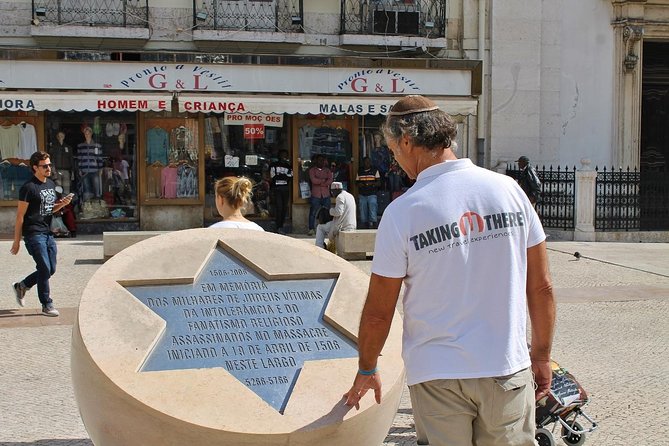
- Memorial and landmark stops that explain key moments like the April 19, 1506 Lisbon Massacre
- Chiado culture stop at Bertrand, Lisbon literature vibes tied to Portuguese writer Pessoa
- Entrance fees included so you avoid add-on costs and last-minute ticket hunting
Starting at Shaare Tikva Synagogue, Lisbon’s Sephardic doorstep
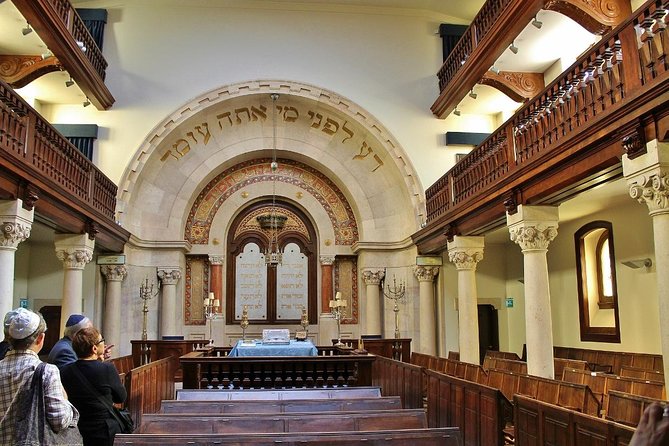
Your tour starts at Sinagoga Shaare Tikva in Lisbon, in a part of town where history sits close to everyday life. This is the first synagogue built in Portugal since the late 15th century, and it is a powerful start point because it gives you a real anchor before you head out into the streets.
The inside visit runs about 45 minutes and includes the admission ticket. That matters because a synagogue is not a quick photo stop. You are there long enough to learn what makes the building and community story distinct, and you get the kind of guided context that helps you notice details most people miss.
One practical note: the tour can only visit the synagogue interior on Tuesdays and Thursdays. If your travel dates fall outside those days, you may need to plan around that, since the inside portion is the heart of the experience.
You also need to come prepared for a respectful dress code. No uncovered shoulders, shorts, or mini-skirts. And for security reasons, you must provide passport details (name, number, expiry, and country) when booking all participants.
If you get a start-led intro by synagogue staff, it will help you understand how the synagogue connects to the wider Jewish community in Lisbon, not just as an old building, but as a living institution.
You can also read our reviews of more historical tours in Lisbon



Principe Real Park to Chiado: the walking portion that does the storytelling
From the synagogue, you head into the Principe Real area. The route drops from Principe Real Park down toward Chiado, and this segment is free of additional ticket fees. It is roughly 30 minutes, and it is one of those “move and learn” sections where the streets start to make sense.
What you will get here is less about famous monuments and more about atmosphere and location. This is the way Lisbon works: the strongest history lessons often happen when you walk from one key neighborhood edge to another and compare what you see now with what the guide explains about how communities lived.
In a city where so much was rebuilt over time, the neighborhood layout becomes part of the lesson. You learn to read Lisbon like a map made of stories. The guide’s job is to point out meanings that are invisible at street level.
Also, because the tour moves through central areas, you should expect a typical walking pace with stop-and-explain moments. If you are sensitive to steps or uneven ground, this is where you will want comfortable shoes.
Bertrand Bookstore in Chiado: literature with a Jewish connection
Next you reach Chiado, and the tour’s tone shifts slightly toward culture. You will stop at the Bertrand bookstore, one of the best-known bookshops in the city and said to be the oldest bookstore in the world since 1732, founded by Pedro Faure. This stop is about 30 minutes and includes admission.
The best part is how the guide ties this place to Portuguese literary life. You will also learn about a famous Jewish writer associated with Portugal, and the guide connects that thread to what you have already heard about Jewish presence and cultural influence in Lisbon.
This is not just a quick “go look at a bookstore” moment. You are using a real setting where Portuguese intellectual culture has lived for generations, and the guide helps you understand why it shows up in this kind of Jewish heritage story.
If you like history that connects to everyday culture, this stop will land well. A synagogue teaches one kind of history. A bookstore teaches another: ideas, language, and how stories travel through time.
Terreiro do Paço (Praca do Comercio): Portugal’s turning points in one big square
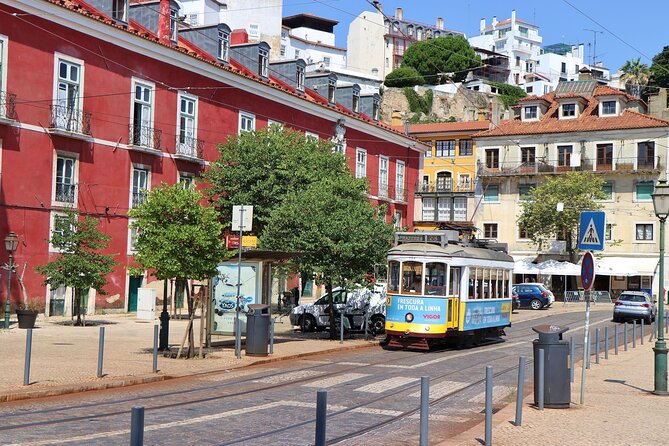
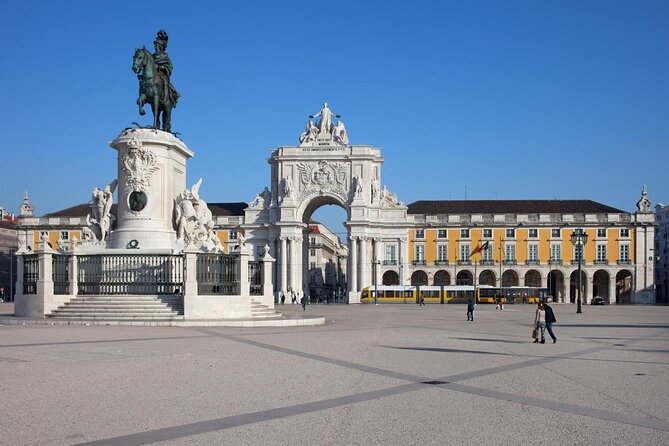
From Chiado, you walk toward Praca do Comercio in Baixa, at the edge of Lisbon’s main commercial and civic heart. The stop is centered on Terreiro do Paco, the big square in Portugal, and it runs about 30 minutes with no admission fee.
This square matters because large public spaces in Lisbon often reflect national history, power, and change. The guide uses this stop to explain important situations that shifted Portugal’s history. Even if you have seen this part of town before, you will likely leave with a sharper understanding of why it feels like the city’s stage.
In a tour like this, the value of a landmark square is not the architecture alone. It is what the guide connects it to: the long chain of events that influenced who lived where, what was allowed, and how identities were forced to change.
If you are tired from the earlier walking, this is one of the calmer stops where you can regroup while still learning. It is also a nice reminder that Jewish history in Lisbon is inseparable from the wider national story.
Rossio Square and the Pedro IV column: where symbols replace vanished places
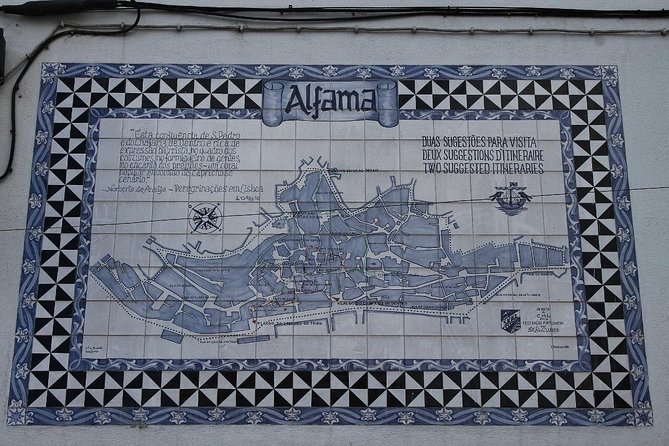
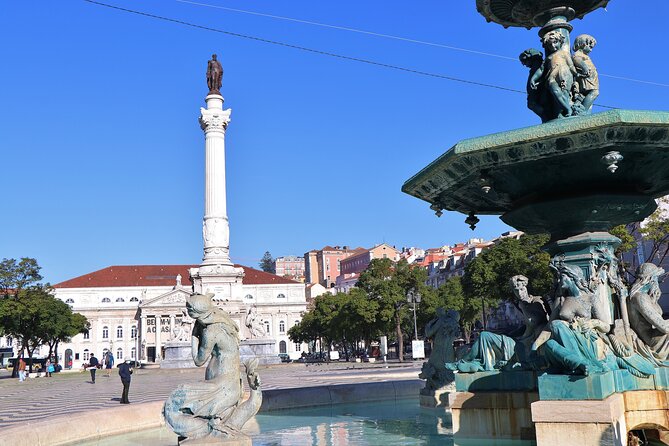
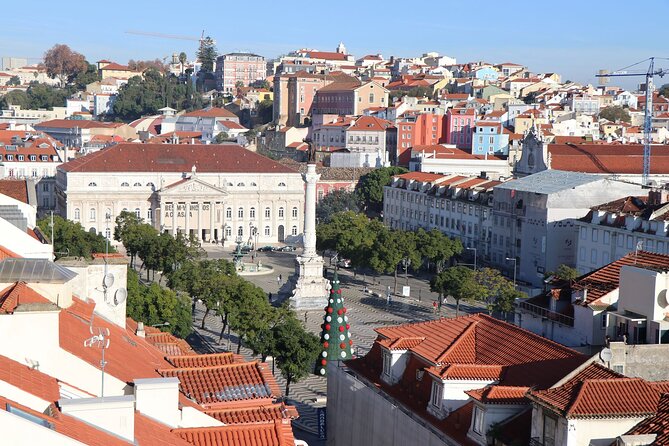
The next key moment brings you to Praca Dom Pedro IV, also tied to Rossio Square. You will spend about 1 hour here, and the stops are free of admission fees.
In Rossio, the standout is the Column of Pedro IV, known as the Soldier King. At the base are four female figures representing Justice, Wisdom, Strength, and Moderation. The column may look like a simple monument, but the guide uses it to talk about how Portugal has chosen to frame its ideals in public art.
You also get a second layer of history tied to the D. Maria II National Theatre, founded in 1842, which replaced the Estaús Palace. That palace had served as headquarters of the Portuguese Inquisition since the mid-15th century.
This is one of those stops where Lisbon’s physical story is complicated. Much of the visible Jewish community life has been altered or erased over centuries, and the guide helps you understand why monuments and rebuilt sites can carry the weight of what used to be there. Instead of pretending nothing happened, you learn how the city transformed, and how memory survives in symbols.
If you tend to rush through squares when you travel, slow down here. This stop is designed for listening.



Sao Domingo Church and the April 19, 1506 Lisbon Massacre
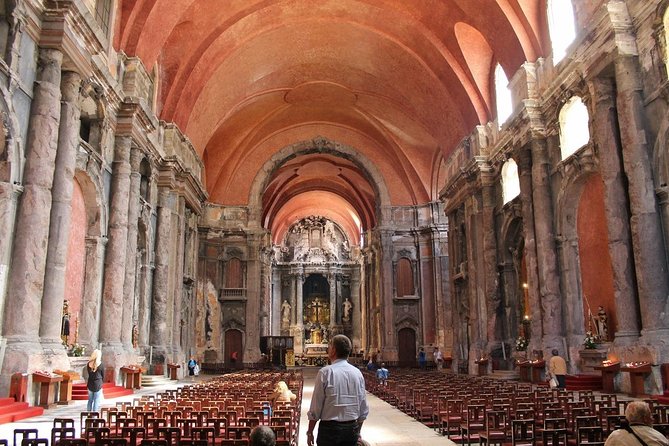
As you continue through the Old Town, the tour turns toward a darker chapter. You will pass by the sight connected to the April 19, 1506 Lisbon Massacre, at the churches around Igreja de S Domingos.
The guide explains what happened on that day and why it mattered. After this day, and during the next three years, more than 3,000 “New Christians” were murdered in the streets, and the guide explains how the royal army stopped the violence.
The epicenter for the events is described as the Sao Domingo Church area, which makes this stop more than a generic stop. It is about pinpointing where fear, religious power, and public violence intersected in Lisbon.
This portion of the tour will feel intense. If you prefer light, quick sightseeing, you might find it heavy. But if you want to understand Sephardic history honestly, this is where you do not skim.
Price and logistics: why $84.10 can be good value for this tour
At $84.10 per person for about 4 hours, this tour is priced like a mid-range cultural walk with real built-in value.
The big value points are:
- Your Shaare Tikva Synagogue entry is included, and you do not have to figure out timing or ticket lines.
- Other admissions are included where relevant, including the stop at Bertrand.
- Entrance fees overall are handled up front, so you are not hit with add-ons mid-walk.
It is also a small group experience, max 8 travelers. That matters in a city like Lisbon, where the most important parts of a history tour are the explanations. A large group often turns into headsets and rushed stopping. Here, you can ask questions and actually hear the answers.
The one thing not included is lunch and anything else not mentioned. If you want a full meal, plan to grab food after the tour ends near Old Town, where you will likely find plenty of options.
Pacing on Lisbon’s steep streets: what to plan for
This is a moderate walking tour. The route includes multiple neighborhoods and a lot of steps and uneven streets, especially around Chiado and into Old Town.
The tour runs roughly 4 hours, and it is long enough that your legs will notice it. Some experiences on similar routes can feel rushed if the pace shifts, like if your tour time is affected by events at the synagogue. In practice, you should assume this is best done by people who can comfortably walk for hours.
Weather can also matter. The tour end point may not be Alfama, and it can shift based on traveler curiosity, physical capabilities, and weather conditions. The key is that your finish stays within Lisbon’s Old Town area.
If you hate cold rain walking, you might want to bring a light rain layer or umbrella. If you hate heat, plan water and sun protection. Lisbon walking history is fun, but your body has to cooperate.
Who should book this Sephardic history tour in Lisbon
I think this tour is ideal if you:
- Want Sephardic Jewish history in Lisbon explained in context, not as isolated facts
- Like guided storytelling that connects places to events, especially in a city where original physical sites are limited
- Enjoy walking and learning at street level, including cultural stops like Bertrand
- Prefer small groups and a guide you can talk to, including the named guide Paulo Levy from many experiences
You might want to choose something else if you:
- Expect a lineup of many still-standing Jewish landmarks, because Lisbon’s visible architecture has been heavily reshaped over time
- Have limited mobility or struggle with stairs and long walking hours
- Prefer a short, mostly indoor experience, since a large share is walking
One more sweet spot: if you are the type who loves asking questions when the guide points out a detail, this tour encourages that. The guides are clearly passionate, and you will likely leave with more questions than you arrived with, in a good way.
Should you book this Jewish Sephardic History in Lisbon walk?
Book it if you want a guided, respectful, street-level look at Jewish life and Sephardic history in Lisbon, starting with a real inside synagogue visit. The mix of Shaare Tikva, Chiado culture, and Inquisition-era landmarks gives you a fuller picture than a synagogue-only stop.
Before you go, do three things:
- Check that your travel days match the synagogue interior days, Tuesday or Thursday
- Dress for synagogue rules, shoulders covered and no shorts or mini-skirts
- Bring comfortable shoes and plan for steady walking
If you want Lisbon history you can feel in your feet and understand with your brain, this is a strong pick. With a max group size of 8 and admission fees handled, the price feels reasonable for the amount of guided access you get.
FAQ
How long is the tour?
The tour lasts about 4 hours.
Where does the tour start and where does it end?
It starts at Shaare Tikvah Synagogue, R. Alexandre Herculano 59, 1250-010 Lisboa. It ends somewhere in Lisbon’s Old Town, sometimes in Alfama, and the exact end point can vary.
Which synagogue will we visit, and is the inside included?
You will visit Sinagoga Shaare Tikva, and the tour includes entry to visit the synagogue from the inside. Inside access is only possible on Tuesdays and Thursdays.
What is included in the price?
Included are a small group tour with a professional guide, the inside synagogue visit with admission tickets included, guided explanations inside the locations, and guaranteed skip-the-ticket-lines service.
Is lunch included?
No. Lunch and any other items not mentioned in the program are not included.
What dress code should I follow?
The dress code requires no uncovered shoulders and no shorts or mini-skirts.
Do I need to provide passport details?
Yes. You will need passport details (name, number, expiry, and country) at booking for security reasons.
More Historical Tours in Lisbon



More Tour Reviews in Lisbon
Not for you? Here's more nearby things to do in Lisbon we have reviewed









Lisbon City Tours, side by side.
 ★ 5.0Lisbon City Center Tour – The Unmissable LisbonTickets from $322,234 traveller reviews
 ★ 4.7Sintra, Pena, Regaleira, Cabo da Roca & CascaisTickets from $2319,656 traveller reviews
 ★ 4.1Jerónimos Monastery Entrance TicketTickets from $2114,164 traveller reviews
 ★ 4.8History, Stories and Lifestyle Walking TourTickets from $2910,902 traveller reviews
 ★ 4.5Sunset Boat Party Cruise with DJ and Open BarTickets from $2710,378 traveller reviews
 ★ 4.7Pena Palace, Sintra, Cabo da Roca, & Cascais DaytripTickets from $919,981 traveller reviews
 ★ 4.6Oceanário de Lisboa Entrance TicketTickets from $299,943 traveller reviews
 ★ 5.0True 4Hour Private Tuk Tuk Tour: Discover Lisbon with a Local!Tickets from $1088,008 traveller reviews
More useful lists for this tour