
Review · LISBON CITY TOURS
Lisbon: 25 de Abril Bridge Guided Climbing Experience
Climb a famous Lisbon bridge, safely. This guided experience on the Ponte 25 de Abril blends real movement, solid coaching, and access to high bridge routes that can reach up to 40 feet, so it feels like you are actually doing something. I especially like the hands-on focus on auto-belaying and how you learn climbing essentials like knot and rope basics. One consideration: you should be comfortable with heights, since you will be climbing to that kind of elevation, and it is not built for mobility limitations.
The class is short, but the value is in what you take away. You get an instructor, safety gear, and a small group capped at 10, with English or Portuguese support. If you have energy left after the 1-hour coaching session, you can keep exploring the bridge climbing areas on your own, including multiple route options through the Escala 25 setup.
Key things that make this climb worth your time
- Ponte 25 de Abril coaching with a safety-first approach so you spend your energy learning, not guessing
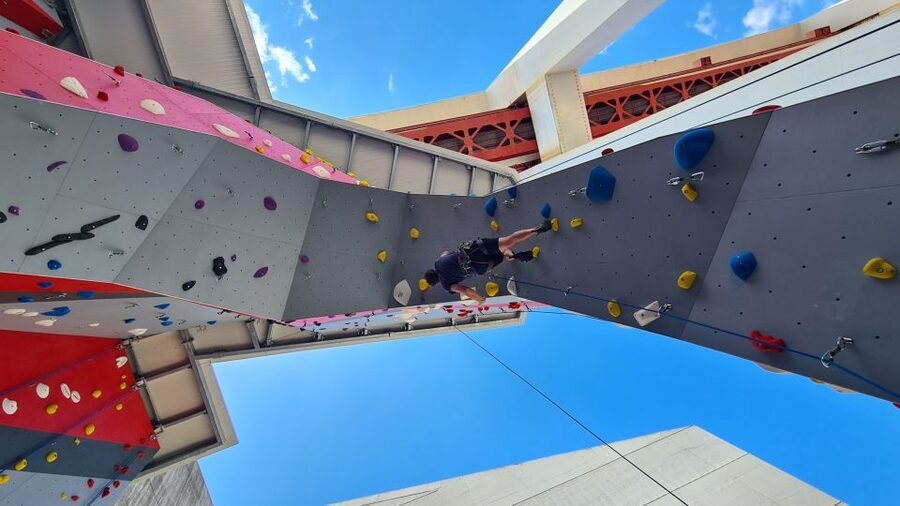
- Bouldering and auto-belays up to 40 feet with multiple routes built for real practice
- Two course levels (newcomer and middle-level) so you are not stuck in the wrong pace
- Knot and rope work training for the roped-climbing option
- Access after your course to keep climbing in the bridge facilities on your own
- Small group size (max 10) which usually means more attention from the instructor
Ponte 25 de Abril guided climbing: what you’re really signing up for
This is not a sit-and-look experience. It is a guided climb that takes you onto one of Lisbon’s most iconic structures and teaches you the fundamentals you need to feel in control at height.
The big idea is simple. In one hour, you get taught how climbing mechanics work in the specific environment of the bridge climbing zones, including bouldering-style moves and auto-belay systems. Then you use what you learned right away by continuing on your own in the same bridge climbing areas.
That structure matters. A lot of “adventure” tours keep you on the sidelines. Here, the coaching time is short, but it is designed to set you up to keep climbing after. So you get both the confidence boost of instruction and the fun of doing multiple attempts, rather than just one guided try.
And yes, it also has the adrenaline factor. The visual of climbing on the Ponte 25 de Abril makes everything feel bigger, even when you are doing beginner-safe sections with support. If you are the kind of person who likes physical goals you can measure, you’ll probably come away wanting to do more.
You can also read our reviews of more guided tours in Lisbon



How to choose between the newcomer and middle-level courses
You choose your course based on what you already know, because the focus changes.
Newcomer class (all ages and abilities, with a few minimum requirements)
If you are new to climbing or you just want a foundation, this is the one. Expect an intro that covers climbing basics, including how to work through bouldering problems and how auto-belay systems keep you safe while you learn.
You will also learn the kinds of skills that often slow people down on day one. Think technique basics and climbing essentials, including the concept side of knot and rope work, so you understand what you are doing and why.
Middle-level intro course (for people who have climbed before)
If you have climbed already, you will get more instruction aimed at roped climbing. The focus shifts to rope and knot work, belaying, and top roping. This is where the session becomes more “skill-building” than “first-time exposure.”
A nice detail is that both courses connect to the bridge’s climbing zones. So even if you join for roped climbing coaching, you are still using the bouldering and auto-belay areas as part of the experience.
Practical tip: if you are unsure, pick based on what you can comfortably explain or demonstrate. If rope management and knots are still a mystery, you will likely enjoy the newcomer pace more, even if you feel athletic. If you already belay and tie your basics, the middle-level course will help you refine those habits.
Your 1-hour coaching session: bouldering plus auto-belays
Most of the magic happens in the teaching part, because the goal is not just to get you off the ground. The goal is to make you better quickly.
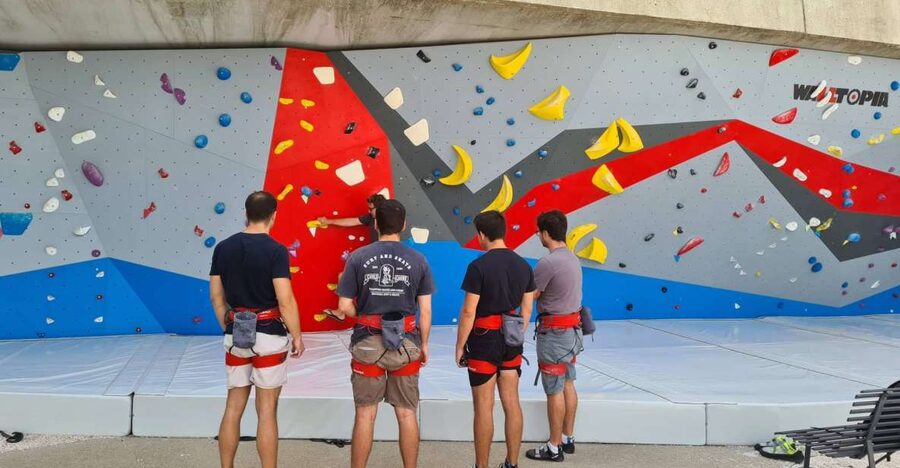
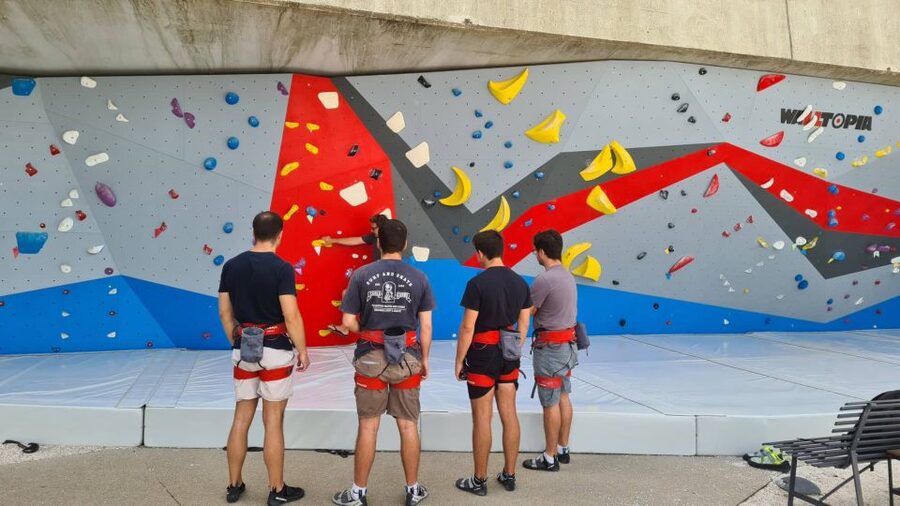
During the 1-hour course, you start at the Ponte 25 de Abril meet-up location and then move into the climbing instruction area. From there, you learn the basics of movement, problem-solving, and safety systems used in the bridge zones.
Here is what that usually feels like when it goes well:
- You are taught how to use the climbing setup you are actually on, not generic advice.
- You try moves with feedback, so you correct quickly instead of repeating the same mistake 20 times.
- You build confidence with the auto-belay part, because you can focus on technique while the system helps manage the safety side.
Auto-belaying is a big deal for first-timers. It reduces the fear factor that comes from balancing trust in a partner or complex gear in your first hour. It lets you learn the “how” of climbing, while the setup handles a lot of the “don’t fall too far” side.
And because the bridge section has multiple routes, you are not stuck on one line. That means you can repeat, compare, and improve. Even if you only have an hour of instruction, the climbing areas are built for practice.
If you’re doing the middle-level course: knots, rope work, and top roping
If you come with prior climbing experience, this is where you should pay attention. You are not there for a motivational pep talk. You are there for techniques that keep you safe and efficient.
The middle-level intro course centers on:
- Rope and knot work
- Belaying
- Top roping technique
That trio matters because it is where people either get comfortable or stay nervous. Rope and knot skills can feel theoretical until you practice them in the setup you will actually use. Here, the coaching is targeted, so you learn the details that matter in real use.
A top rope focus is also a helpful stepping stone. It gives you a controlled way to work on movement while you refine safety procedures. If you want to progress beyond your current comfort zone, this course does the “next level” teaching that beginner-only setups often skip.
The bridge climbing facilities after your lesson: keep climbing on your own
Once your 1-hour course ends, you do not just pack up and leave. You get access to keep exploring the climbing facilities on your own.
This is where the overall value clicks into place. You already spent your instruction time getting over the first hurdle. Now you can keep trying routes and adjusting based on what you learned.
You will be working in the bridge climbing zones where bouldering and auto-belay areas are available, with routes that can go up to about 40 feet. Even if you only climb for part of the remaining time, you will likely feel the difference between a single attempt and multiple attempts.
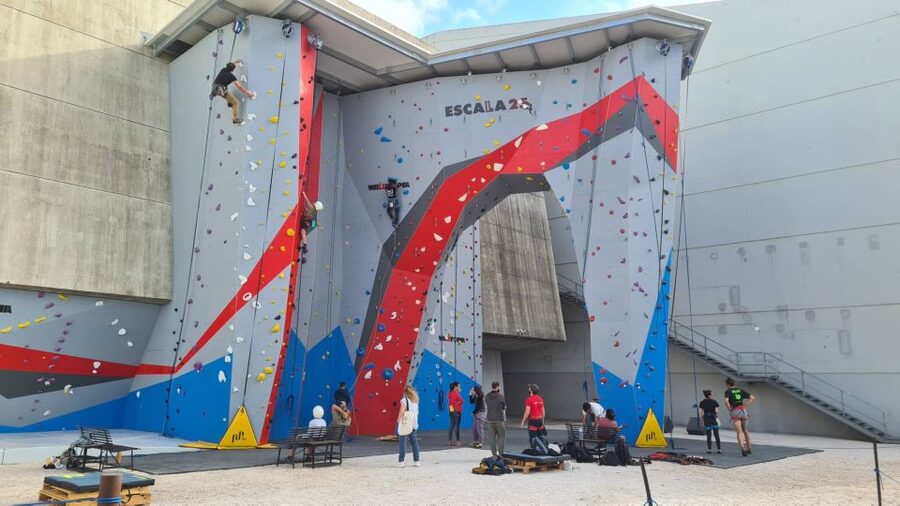
One of the best cues from the experience setup is the Escala 25 environment, which is often well-suited for different climbing styles, including solo or pair approaches in the space. If you like choosing routes that match your mood, skill, and energy level that day, this structure gives you that freedom.





What’s included, and what you still need to handle
You get a lot of the heavy lifting handled for you:
- A 1-hour climbing course
- Safety gear
- Access to the bouldering and auto-belay areas
- An instructor
Not included is also clearly part of the plan. Food and drinks are available for purchase on-site, so you should expect to grab something there if you need it.
What you do bring matters more than you might think. For this kind of activity, keep it practical:
- Sunscreen
- Water
- Comfortable clothes
If you forget water, you will feel it fast. If you forget sunscreen, you might feel it later. Comfortable clothes help because you are moving and climbing, not just standing around.
Meeting point and how to start without stress
You meet at the Pilar 7 Experience parking lot area. From there, you go to the reception area to collect your entry ticket.
Why this matters: when an activity starts right at a major landmark, the difference between arriving early and arriving right on time is the difference between calm and rushed. Arrive with enough time to find the reception, collect your ticket, and get settled before the group heads into the climbing zones.
Also remember this is a small group experience, with limits set at 10 participants. That makes early arrival more important, because you will want everyone ready to move when instruction begins.
Price and value: $35 for a skill-building hour
At $35 per person for a 1-hour guided course, this is priced like a focused activity, not a half-day sightseeing add-on.
Here is why the value is stronger than it looks on paper:
- You get instruction tied to the actual bridge climbing setup, not vague theory.
- Safety gear is included, so you are not paying extra to try something new.
- After the course, you can keep exploring the climbing areas, which turns the experience from one guided moment into more time practicing.
In other words, you are paying for a guided start plus a chance to keep using what you learned immediately. That is a smart deal for people who enjoy repetition and progress, even if you are not sure how far you will go.
The heights factor: the main drawback worth respecting
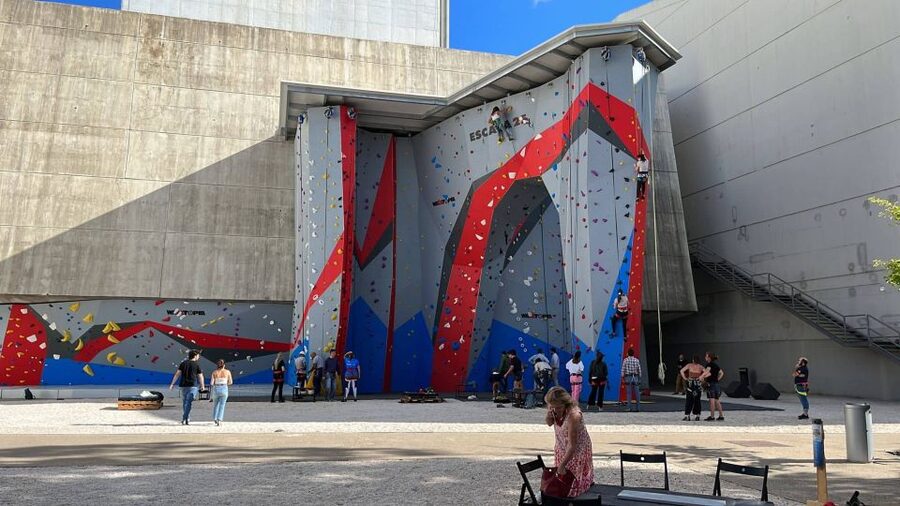
This activity involves climbing to heights of up to 40 feet. For some people, that is exactly what they came for. For others, it is the one thing they should consider carefully.
If you do not handle heights well, talk yourself into trying the first steps slowly. Let the auto-belay help you focus on technique. But do not force it past your comfort level.
And it is also not suitable for:
- Children under 6 years
- People with mobility impairments
- People over 95 years
So if you are traveling with someone who is on the edge, consider the limits before you book. The whole experience is based on active climbing time and safe movement at height.
Who should book this, and who should skip it
This is a great match if:
- You want a hands-on activity in Lisbon that is more than photos
- You are new to climbing and want a guided start with auto-belay support
- You have climbed before and want targeted help with rope and knot basics
- You enjoy small group instruction and learning from an instructor rather than figuring everything out alone
You might skip it if:
- You are not comfortable climbing at height, even with safety systems in place
- Your travel plans are only for viewing the city, not doing an active day
- Mobility limitations make active climbing routes unrealistic for you
Should you book the Ponte 25 de Abril climbing experience?
If you want a Lisbon activity that gives you both nerves and skills in a controlled way, I think this is a strong choice. The short coaching session, the included safety gear, and the chance to keep climbing after your instruction make it feel like a real day of progress rather than a quick demo.
Also, instructors matter. One highlight you should take seriously is that the coaching is not just about rules. You will get encouragement and clear teaching, and the vibe can make you want to keep climbing after the first hour.
So, should you book? Yes, if you are comfortable with the height factor up to 40 feet and you fit within the basic suitability guidelines. If you want an adventure that is physical, structured, and actually teaches you something you can reuse, this one is worth your spot.
FAQ
How long is the climbing experience?
The guided climbing course lasts 1 hour.
How much does it cost?
It costs $35 per person.
Where do I meet for the Ponte 25 de Abril climbing course?
Meet at the Pilar 7 Experience parking lot, then go to the reception area to collect your entry ticket.
Are there different courses based on experience level?
Yes. You can choose a class for newcomers to climbing, or a middle-level intro course focused on roped climbing.
What climbing areas can I access during the experience?
You get access to the bouldering and auto-belay areas on the bridge.
How high will I climb?
The experience involves climbing to heights of up to 40 feet.
What should I bring with me?
Bring sunscreen, water, and comfortable clothes.
Is food included in the price?
No. Food and drinks are available for purchase on-site.
Who is this activity not suitable for?
It is not suitable for children under 6 years, people with mobility impairments, or people over 95 years.
More Guided Tours in Lisbon



More Tour Reviews in Lisbon

Not for you? Here's more nearby things to do in Lisbon we have reviewed











Lisbon City Tours, side by side.
 ★ 5.0Lisbon City Center Tour – The Unmissable LisbonTickets from $322,234 traveller reviews
 ★ 4.7Sintra, Pena, Regaleira, Cabo da Roca & CascaisTickets from $2319,656 traveller reviews
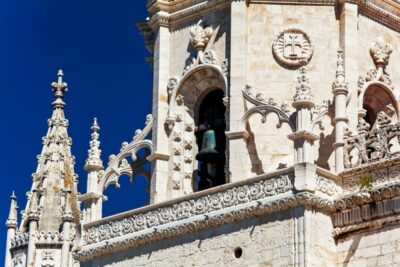 ★ 4.1Jerónimos Monastery Entrance TicketTickets from $2114,164 traveller reviews
 ★ 4.8History, Stories and Lifestyle Walking TourTickets from $2910,902 traveller reviews
 ★ 4.5Sunset Boat Party Cruise with DJ and Open BarTickets from $2710,378 traveller reviews
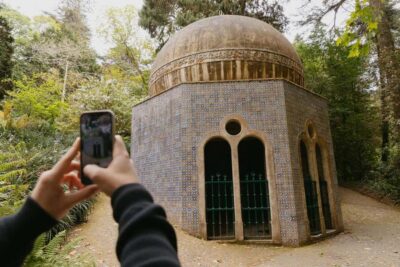 ★ 4.7Pena Palace, Sintra, Cabo da Roca, & Cascais DaytripTickets from $919,981 traveller reviews
 ★ 4.6Oceanário de Lisboa Entrance TicketTickets from $299,943 traveller reviews
 ★ 5.0True 4Hour Private Tuk Tuk Tour: Discover Lisbon with a Local!Tickets from $1088,008 traveller reviews