
Review · LISBON CITY TOURS
Lisboa Story Centre: 1-Day Admission Ticket
Lisbon comes alive in one hour. Lisboa Story Centre is a high-tech, interactive history experience set in the East Wing of Terreiro do Paço, where you follow Lisbon’s story in clear chronological order. I especially like how the exhibits use hands-on sets and multimedia to make big events feel real, and I love that the route is guided by a recorded multilingual storyteller with an audio guide built in.
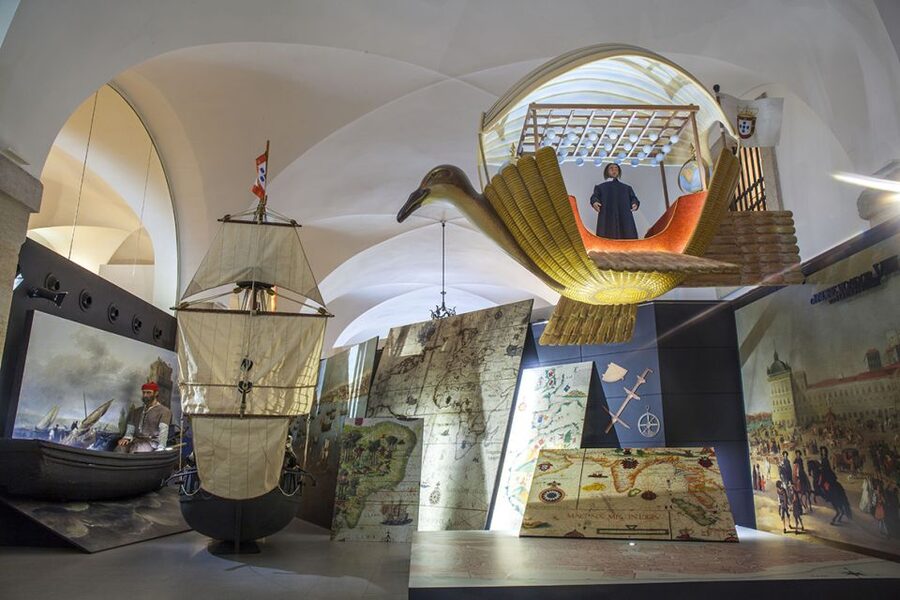
Two standout chapters really grabbed me: the 16th-century warehouse display with New World goods arriving via caravela ships, and the dramatic staging of All Saints Day in 1755. The one catch to plan for is comfort, parts of the exhibition space may not have air conditioning, so warm days can feel a bit stuffy.
Key Things to Know Before You Go
- 60 minute time journey: Plan on about an hour inside, even though your ticket is valid for a full day.
- Six public areas, five on the ground floor: You’ll follow a timeline across the main exhibition spaces.
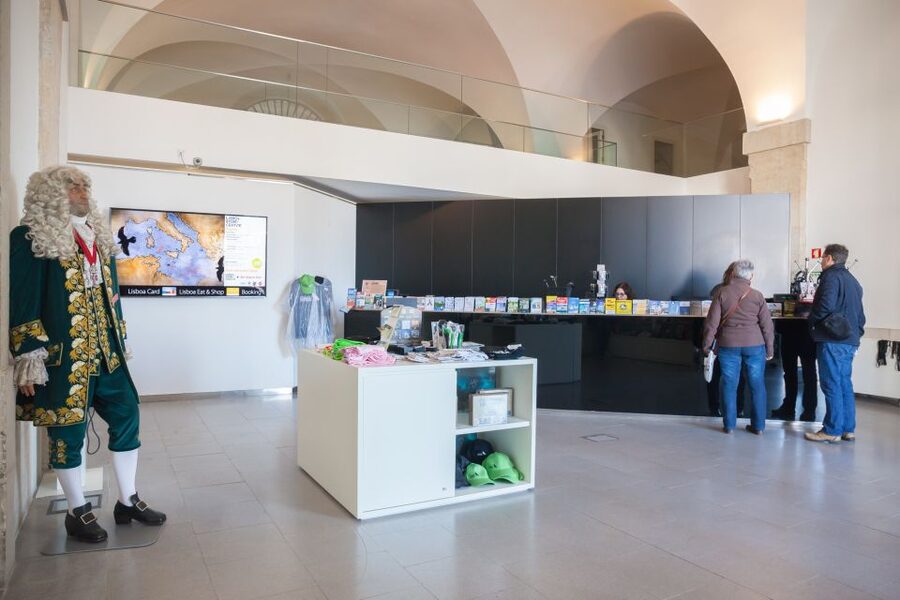
- Audio guide in many languages: Portuguese (adult and child versions), English, Spanish, French, Italian, German, Russian, Mandarin, and Japanese.
- Big event set pieces: From New World ships to the 1755 Great Earthquake, it is not just text on walls.
- First floor virtual scale model: You can study Lisbon’s architecture types from a digital viewpoint.
- Temporary exhibition included: There’s also a rotating area tied to the centre’s main themes.
Terreiro do Paço, East Wing, and Why the Location Fits the Story
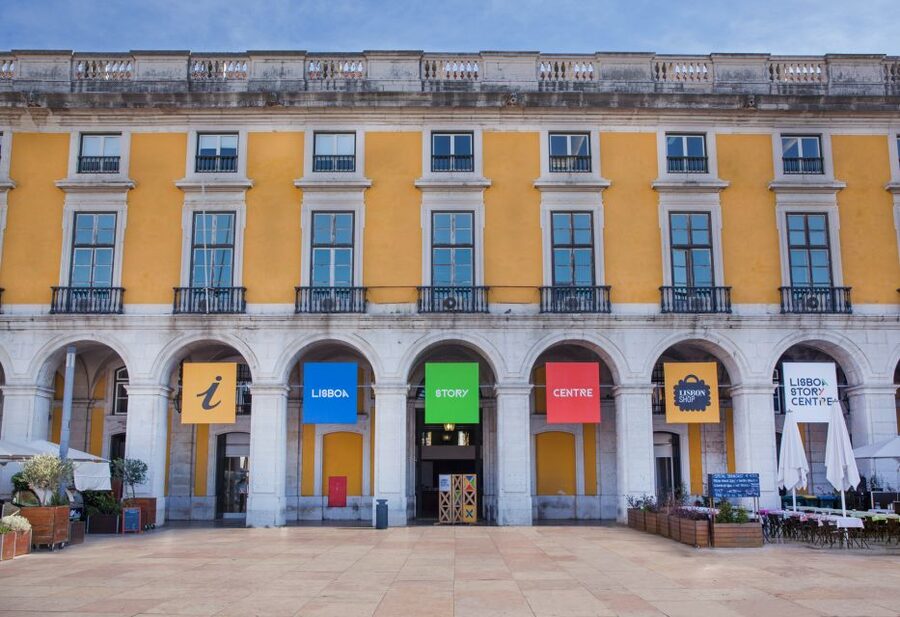
Lisboa Story Centre sits at Terreiro do Paço, a site that already feels like the center of Lisbon’s public life. The centre is housed in the East Wing of the newly renovated building, so you are stepping into a modern visitor setting, not a museum basement. The experience covers about 2,200 square meters across six public areas, which helps explain why it feels like more than a quick stop.
What I like about this setup is the match between place and content. Terreiro do Paço connects to Lisbon’s civic power, trade, and reinvention over time. Indoors, the centre turns that historical “stage” into a guided route, using elaborate sets and state-of-the-art tech to move you through the centuries.
Practical note: aim for a time earlier rather than later. The centre runs every day from 10:00 to 19:00, and last entrance is at 18:00, so going close to the cut-off can squeeze your pace.
More Lisbon tours and experiences for the shortlist



Your 60 Minute Route Through Six Areas
With your day ticket, you are not meant to wander endlessly. The centre’s core experience is a 60-minute journey across time and space laid out in chronological order. You are guided by a recorded multilingual storyteller, so the flow is designed to be easy even if you do not read every label.
On the ground floor, you will find five main exhibition areas. Each area is built around a story from an important episode in Lisbon’s history, and the rooms are ordered so you can track changes from early civilizations forward. The content also looks at myths and realities, which is a useful approach. You get the sense of what people believed, plus how events actually played out.
Then, the sixth exhibition area is on the first floor. This part shifts from dramatic reenactment to a more analytical way of learning through a virtual scale model of the capital. It nudges you to notice the “why” behind the city’s architecture as Lisbon evolves into modern patterns.
Ground Floor Timeline: How the Story Builds (Without Feeling Like Homework)
The biggest value of the centre is its pacing. Instead of piling Lisbon history on you all at once, it gives you a sequence of chapters. You move from one main room to the next, and each area adds a new layer to how Lisbon grew, changed, and survived shocks.
The centre also uses location-style storytelling, meaning each space is designed to feel like you are inside an episode. That helps a lot if you are traveling with kids, or if you want something that does not require constant reading.
One thing to consider: this is a history focused route. If you are hoping for a lot of coverage of contemporary Lisbon, you might find it limited. The centre’s structure is built around major historical events rather than a modern-day tour.
The 16th-Century Warehouse and Lisbon’s New World Connections
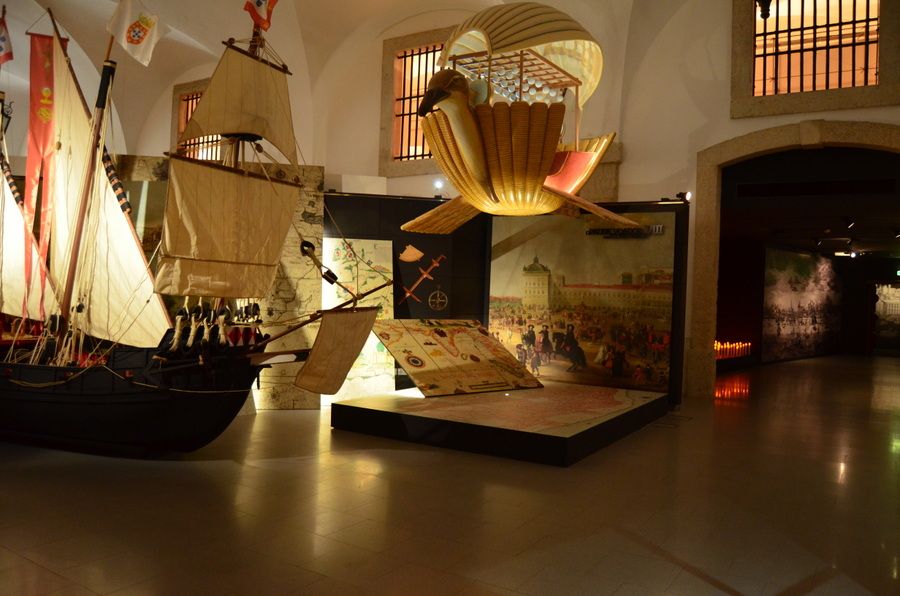
One of the most memorable stops is the chance to step into a 16th-century warehouse atmosphere. This is where you see products from the New World, and it is shown as part of how goods moved across the Atlantic. The display includes caravela ships, so the technology and trade routes feel tangible, not abstract.
Why this works for your trip: Lisbon is famous for maritime connections, but it can be hard to connect that fame to everyday objects and real trade patterns. Here, you get the visual logic. You can connect ships to what arrives in port, and what arrives shapes what the city becomes.
If you like museum moments where you can slow down and look closely, this room is a good one. Take your time with the ship-related displays and the “goods” framing, because they help you understand Lisbon as a port city, not just a skyline.
All Saints Day 1755: The Great Earthquake Experience
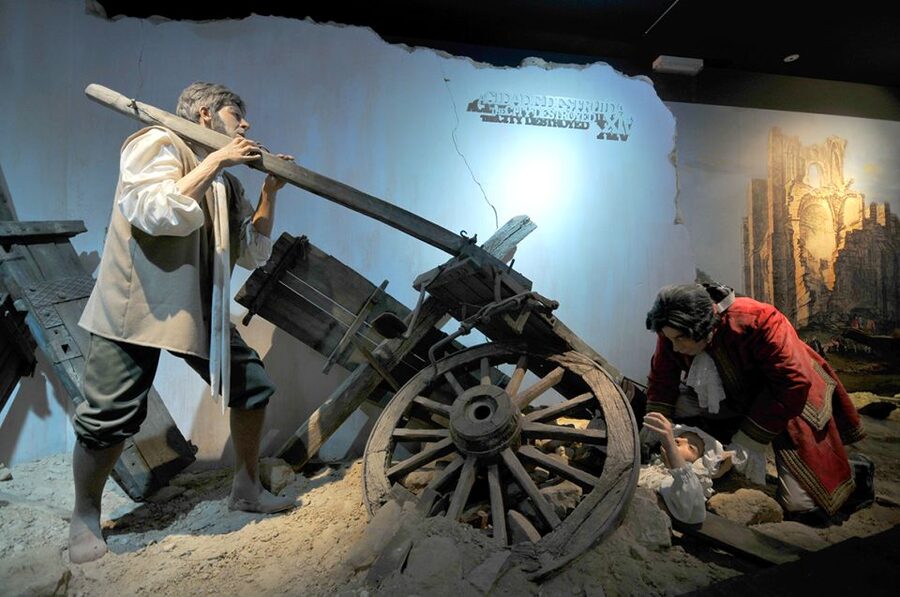
The centre’s most intense chapter is the 1755 Great Earthquake, linked to the tragedy of All Saints Day. The way it is presented uses dramatic staging with a sensory, scene-based approach, so you feel the event as something happening, not something summarized.
For practical sightseeing, this is also a good mental reset. After earlier chapters, this room makes the timeline matter. It shows how a single day can change the physical city, the social order, and the way people think about reconstruction.
Comfort tip: if you get overwhelmed by loud sound effects or strong lighting, you may want to pause and take breaks between rooms. The centre packs a lot into a short, 60-minute run, and this particular section is designed to be emotionally powerful.
More Lisbon tours and experiences for the shortlist






Marquis of Pombal and the Reconstruction Story You Will Actually Remember
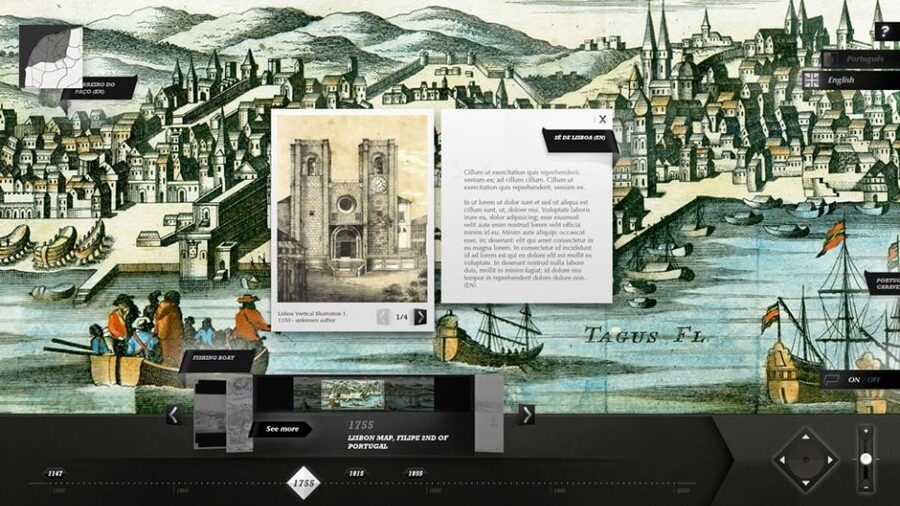
Right after the earthquake chapter, the story shifts to how Lisbon was rebuilt. You accompany the Marquis of Pombal as he implements a far-reaching vision for reconstruction of the city.
I like this placement because it keeps the history from feeling like a disaster story with no follow-through. Reconstruction is where you get the real-world impact, and Pombal’s role gives structure to the chaos. It also helps you understand why Lisbon looks the way it does today in parts of its urban plan, even if you still have to connect the dots later when you walk the streets.
If you are the kind of traveler who likes to watch history become architecture, this section is worth your full attention.
First Floor Virtual Lisbon: Seeing Architecture Types at Scale
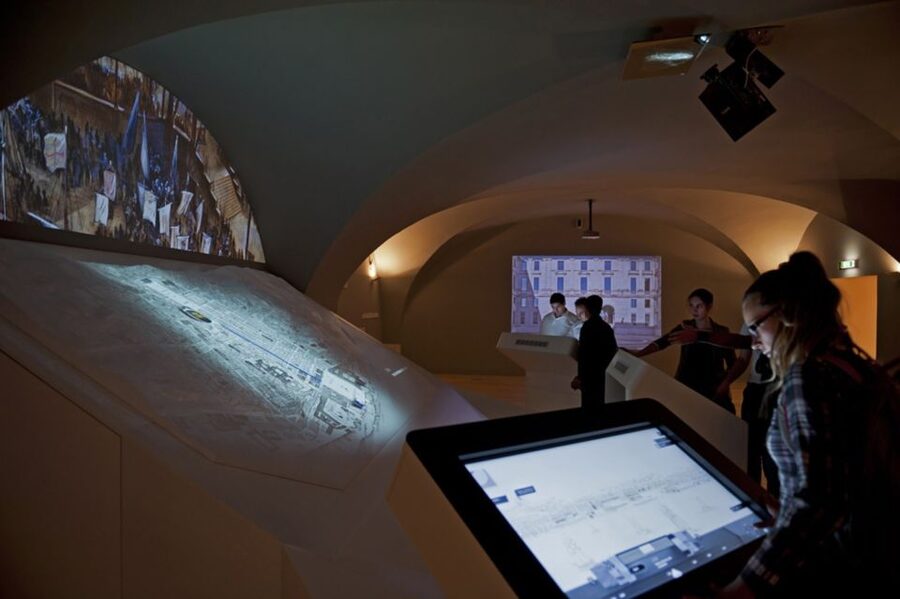
On the first floor, you get a different kind of learning tool: a virtual scale model of Lisbon. Instead of staging a single event, this area focuses on the city itself, including its different types of architecture. It encourages you to look forward to modern Lisbon and think about how past decisions shape later urban form.
This is especially useful after the theatrical rooms on the ground floor. When you finish the storyline, the virtual model gives you a way to anchor it to place. You can start spotting patterns rather than just remembering scenes.
If you want to squeeze value out of your day in Lisbon, take a few minutes here to reset your mental map. Even if you do not study it deeply, the model helps you look at neighborhoods with a more informed eye later.
Temporary Exhibition Area: The Useful Extra Stop
There is also access to a temporary exhibition area connected to the centre’s main themes. Since it is temporary, it can change, but it is built to complement what you just experienced.
I treat these extra areas as a bonus rather than a must-do. Your core ticket experience is the 60-minute historical journey, and the temporary space is there if you have time to spare. If you go earlier in the day, you are more likely to enjoy this without rushing.
Audio Guide, Languages, and How to Keep the Experience Flowing
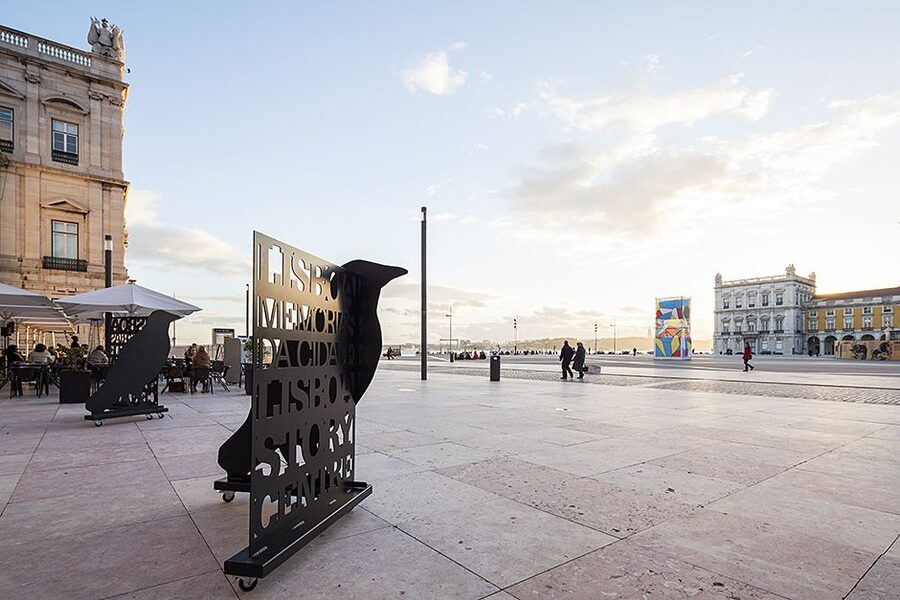
Your admission includes an audio guide, and the centre supports a wide range of languages. You can use Portuguese (adult and child versions), English, Spanish, French, Italian, German, Russian, Mandarin, and Japanese. There is also mention of Mandarin in the language list for audio guides, so if you need it, it is good to know the option is available.
Because this is a recorded multilingual storyteller, you do not have to guess what to focus on in each room. Just bring your attention to the story beats: what the event was, why it mattered, and what changed afterward.
Timing matters here. You will move through a lot of content in about an hour. If you pause too long in one area, you might feel rushed in later rooms. My advice is to give the set pieces enough time to land, then keep moving so you still see the first-floor virtual model.
Comfort and Practical Tips for a Better Visit
A couple practical things can make the experience feel smoother:
- Plan for warm conditions if you visit in summer. Some visitors have noted it is not air-conditioned, so wear breathable layers.
- Go at a steady pace. The entire journey is designed to be done in roughly 60 minutes, and the centre is laid out to support that rhythm.
- Use the chronological layout. If you skip ahead or float randomly, you lose the cause-and-effect feeling the centre is trying to teach.
Also note the basic operating window: open daily 10:00 to 19:00, with the last entrance at 18:00. If you are stacking this with other stops around Baixa or the riverfront, schedule it as an hour anchor.
Who Should Book Lisboa Story Centre (And Who Might Not Love It)
This ticket is a great fit if you want a fast, structured way to understand Lisbon’s story without sitting through long lecture-style museums. It is also a strong choice if you like interactive, scene-based history, and if you value having an audio guide that supports multiple languages.
You might like it even more if you are visiting with kids, since the set design is playful and built for engagement. The experience does a lot of work to turn history into something you can see and feel, which helps younger travelers stay interested.
You might want to rethink it if your priority is modern Lisbon culture, nightlife, or contemporary art. The centre’s focus is historical episodes across the centuries, and the way it is structured means the present day gets less direct attention than the earlier eras and their turning points.
Should You Book Lisboa Story Centre?
I think Lisboa Story Centre is worth booking if you want your Lisbon history in a guided, time-efficient format. You get a 60-minute, chronological experience, an included audio guide in many languages, and a handful of standout set pieces like the New World warehouse and the 1755 earthquake story. If your schedule is tight, this is a smart way to build context that makes the rest of your trip make more sense.
Skip it if you already know Lisbon history deeply and are looking for long, detailed exhibits, or if you are mainly hunting for contemporary Lisbon themes. For everyone else, it is a practical, well-paced way to get your bearings fast in the city’s timeline, right where Lisbon’s story has been unfolding for centuries.
FAQ
How long is the Lisboa Story Centre experience?
The centre is designed as a 60-minute journey through time and space, even though the ticket is valid for 1 day.
Where is Lisboa Story Centre located?
It is located at Terreiro do Paço, 78-81, 1100-148 Lisboa, Portugal, in the East Wing of the renovated Terreiro do Paço building.
What is included with the ticket?
Your ticket includes admission to Lisboa Story Centre and an audio guide.
What languages are available for the audio guide?
Audio guides are available in Portuguese (adult and child versions), English, Spanish, French, Italian, German, Russian, Mandarin, and Japanese.
How many exhibition areas are there?
The centre includes 6 public areas. There are 5 main exhibition areas on the ground floor, plus an additional exhibition area on the first floor, along with access to a temporary exhibition area.
What are the opening hours?
Lisboa Story Centre is open every day from 10:00 to 19:00, with the last entrance at 18:00.
Is there a skip-the-line option?
Yes, the ticket includes skipping the ticket line.
Is Lisboa Story Centre wheelchair accessible?
Yes, it is wheelchair accessible.
Can I cancel my booking?
Free cancellation is available up to 24 hours in advance for a full refund.
More 1-Day Tours in Lisbon
More Tickets in Lisbon



More Tour Reviews in Lisbon




Not for you? Here's more nearby things to do in Lisbon we have reviewed











Lisbon City Tours, side by side.
 ★ 5.0Lisbon City Center Tour – The Unmissable LisbonTickets from $322,234 traveller reviews
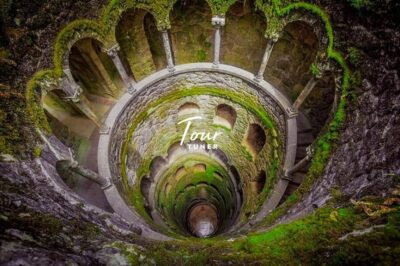 ★ 4.7Sintra, Pena, Regaleira, Cabo da Roca & CascaisTickets from $2319,656 traveller reviews
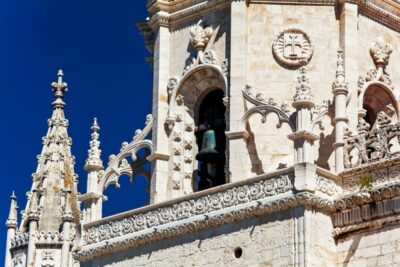 ★ 4.1Jerónimos Monastery Entrance TicketTickets from $2114,164 traveller reviews
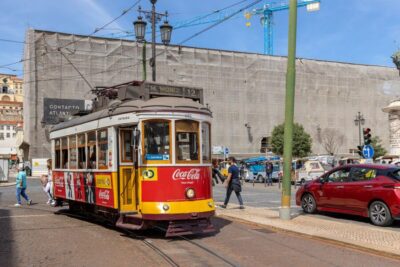 ★ 4.8History, Stories and Lifestyle Walking TourTickets from $2910,902 traveller reviews
 ★ 4.5Sunset Boat Party Cruise with DJ and Open BarTickets from $2710,378 traveller reviews
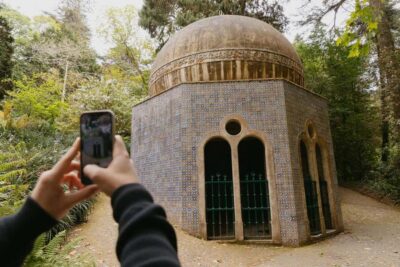 ★ 4.7Pena Palace, Sintra, Cabo da Roca, & Cascais DaytripTickets from $919,981 traveller reviews
 ★ 4.6Oceanário de Lisboa Entrance TicketTickets from $299,943 traveller reviews
 ★ 5.0True 4Hour Private Tuk Tuk Tour: Discover Lisbon with a Local!Tickets from $1088,008 traveller reviews