Review · LISBON
Surf Courses In Peniche and Baleal Portugal
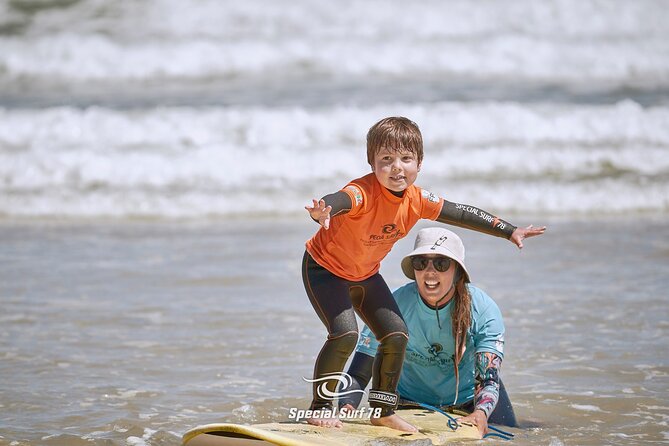
Peniche makes surfing feel doable from day one. This short surf lesson is built for beginners, with coaching on land first, then plenty of time in the water where you can actually try catching waves. I especially like that you get equipment included, so you are not spending your first beach day hunting for a board.
Two more things I like: the lockers on site keep your stuff secure, and the lesson structure is simple enough to follow even if you are new to the ocean. The one thing to keep in mind is that it runs in all weather conditions, so plan on being outside in wind and spray, even when it is not postcard-perfect.
Key things you should know before you go
- Equipment is included: surfboard sized to your level, plus a wetsuit adapted to your size and water temperature
- More water time than lecture: warm-up about 10 minutes, instruction about 20 minutes, practice about 1h30
- Small coaching groups: the school splits people so you get close attention, often about 8 to 10 per instructor
- Lockers and insurance are part of the package for extra peace of mind
- Peniche beach setup helps beginners with lots of breaking points along an extended sandy shoreline
Peniche and Baleal: why this coast is great for first lessons
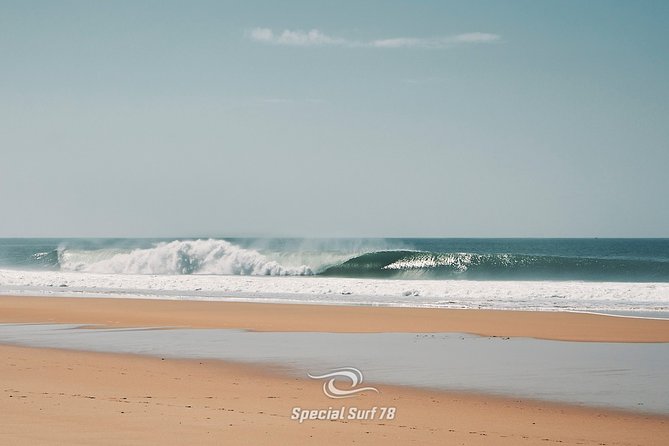
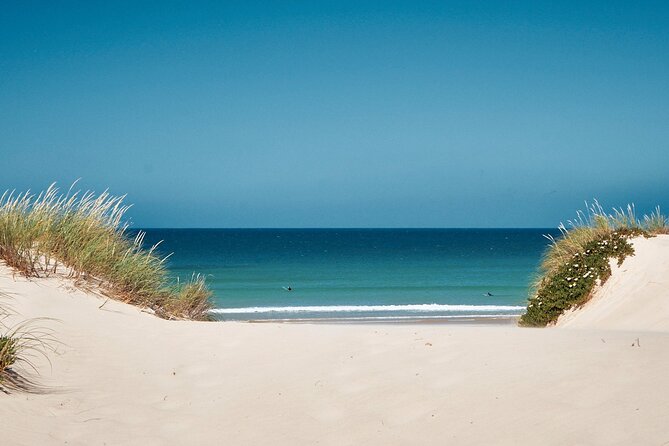
Peniche and Baleal are where Portugal does surfing with confidence. The beaches here are wide and sandy, and that matters for you because it means less chaos while you gear up and less stress when you wipe out. You are not just dropped into the deep end and told to figure it out.
This is also a good spot for learning because there are plenty of places where waves break. For a beginner, that translates to more chances to stand up and more chances to practice the basics without waiting forever for the one perfect swell. It is the kind of environment where the coaching can focus on technique and safety, instead of only survival.
Another quiet advantage is how well the lesson fits the reality of the ocean. A 2-hour experience is long enough to learn something real, but short enough that you are not dragging yourself through an all-day schedule while you are still figuring out timing, stance, and how your body handles the water.
You can also read our reviews of more tours and experiences in Lisbon.



Special Surf 78 on Avenida da Praia: where the lesson starts
Your meeting point is Special Surf 78, Avenida da Praia, Baleal, 2520-206 Peniche, Portugal. The activity ends back at the same place, which keeps your planning easy. No mystery logistics, no long public transport puzzle at the end of a wet lesson.
If you are coming from Lisbon, check how pickup works for your booking. Pickup is listed as offered, but Peniche is about 1h15 by car from Lisbon, so make sure the pickup details match your exact situation. If you are already in the Peniche or Baleal area, you are set up for a smooth start.
A few practical comforts help here:
- The school has free car parking, which is useful if you are driving along the coast
- It is near public transportation, so you are not trapped in car-only territory
- You get a mobile ticket, which is handy when your phone is already your travel wallet
- There are lockers on site so you can keep belongings secure while you are in the water
Also, the operation allows service animals, which is good to know if that is part of your travel reality. The activity is offered in English, which removes one common beginner headache: trying to understand ocean safety and technique with a language barrier.
The 2-hour lesson flow that actually teaches you something
The lesson is paced like a smart learning session. You do not just sprint from the beach to the waves. You ease in.
Here is the flow you can expect:
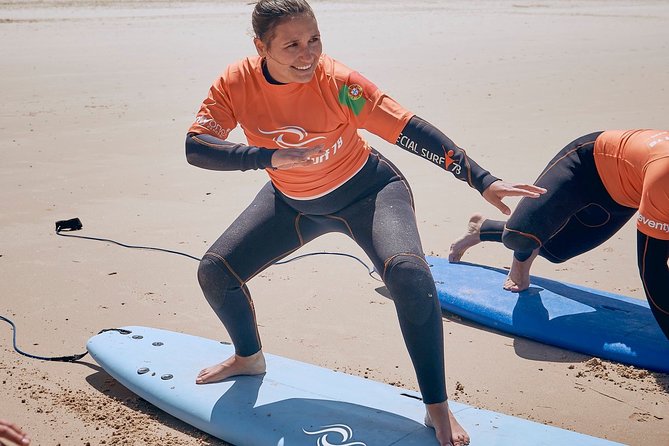
- Warm-up on the beach (about 10 minutes)
This is time to get your body moving and get your bearings. You learn the basics of how you will handle the gear and how the instructor wants you to behave around the surf zone.
- Coaching on technique (about 20 minutes)
This is where you get the explanations that help surfing click. Expect clear guidance aimed at beginners, and expect the instructor to talk in practical terms you can use immediately.
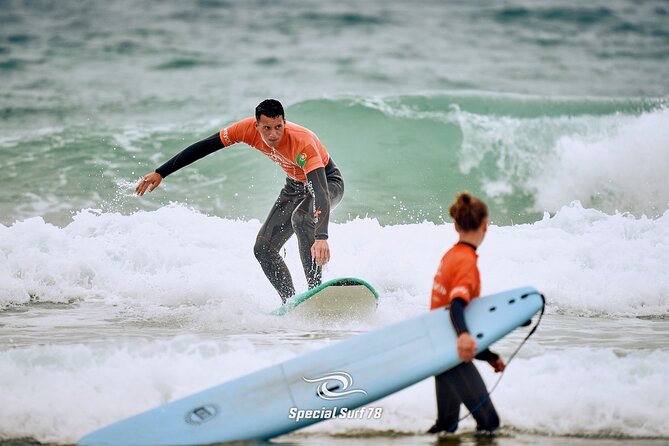
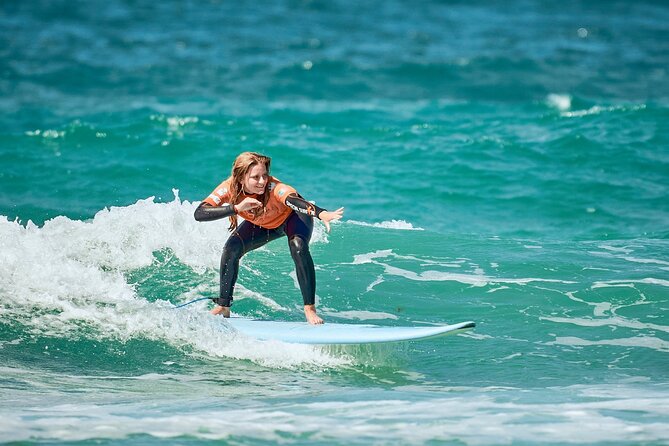
- Practice in the water (about 1h30)
This is the main event. You get time to try, fail, try again, and start building a feel for timing and wave shape.
One detail I appreciate is the emphasis on getting you in the water with support. Small groups and instructors who stay with you in the sea mean you are not just paying for access. You are paying for real guidance while your muscles learn.
And if conditions are not ideal, you still get the lesson plan. The school operates in all weather conditions, which can be a plus because it reduces the chances that your whole day gets wrecked by clouds, wind, or mist. It also means you should dress like you are going to be out there, even with a wetsuit on.
What you get in the water: board, wetsuit, and level-matched coaching
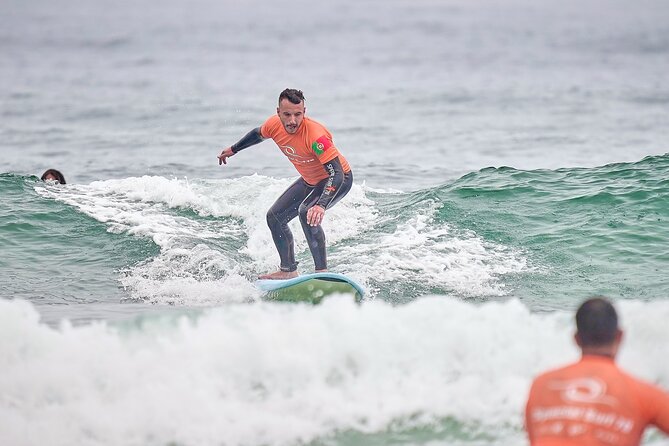
The biggest “save your trip stress” feature is that you do not need to bring your own gear. You get:
- a surfboard adapted to your level
- a wetsuit adapted to your size and the water temperature
That matters more than it sounds. Beginners often pick boards that are either too advanced or too awkward. Having the board matched to your level helps you spend energy learning, not fighting your equipment.
The wetsuit part is also important on this coast. Even when the air feels decent, the ocean can be chilly enough to make you tense up. A wetsuit that fits well helps you move, helps you breathe easier through the cold shock, and helps you last through the longer practice time.
If you are wondering how lockers fit into the lesson, they are basically your reset button. You can keep belongings secure while you focus on surfing. That reduces the mental load, so you are not constantly thinking about your bag when you are trying to time a wave.
Safety, insurance, and comfort when conditions get real
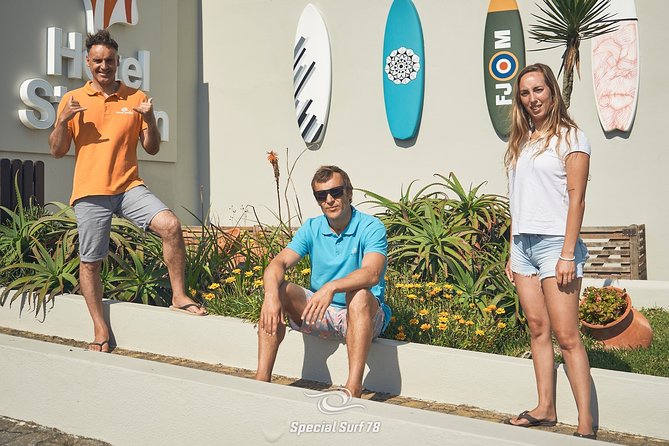
Surfing looks simple from the shore. In practice, it is an active sport with real risks: currents, waves, and the classic beginner problem of losing your balance at the worst time. That is why I like that the package includes personal accident and liability insurance.
It does not change the ocean, but it makes the experience feel more secure. You can concentrate on learning instead of worrying about what would happen if something goes wrong.
There is also a safety layer built into how the school runs. The coaching is thorough, and instructors stay with you during the experience. You also get guidance that supports you through the warm-up and the technique briefing before you hit the water.
One caution: since it operates in all weather conditions, you should expect wet spray and wind. A wetsuit helps a lot, but you still want to dress appropriately. Think warm layers for after surfing, and plan for the fact that you may finish with salty hair and a sky that changes its mind.
If you are not sure about your fitness level, aim for moderate physical fitness. This lesson is not described as an extreme workout, but you will be in the water and you will be using your balance and energy to surf, even at beginner level.



How group size affects your learning
The lesson has a maximum cap of 80 travelers, but the important part is how that gets split. The school keeps the coaching manageable, with instructors assigned so groups stay small and you get real attention.
This is where the experience tends to win people over. When you are in a smaller group, the instructor can watch what you are doing, adjust what you are doing, and correct technique before you build bad habits. It also means you are not guessing whether you are getting it wrong because nobody is watching.
You can also benefit if your surfing questions come fast. In a tight group, it is easier to get answers in the moment rather than waiting your turn.
There is one more subtle benefit: smaller groups can make the vibe less stressful. Surfing is physical and intimidating at first. The calmer, more supported structure helps you feel like you are progressing, even if you only catch a few good rides.
English instruction and the beginner-friendly setup
This experience is offered in English, which is a big deal in surf learning. Surf safety, ocean awareness, and technique corrections need clear communication. If you can understand the instructor quickly, you can focus on learning instead of translating.
It is also designed for beginners. Even with no prior experience, you still get a lesson plan that starts with warm-up and basic instruction before longer practice. The board is matched to your level, which makes it easier to start safely.
If you are the type who learns better by doing, this works well. You get a short coaching chunk, then you immediately test it in the water.
And if you are coming solo, that is fine too. The setup is not described as a couples-only activity. The structure is built around coaching groups, so you are not expected to have a partner to make the lesson work.
Price and value: what $48.37 really includes
At $48.37 per person for about 2 hours, this can be a very practical deal if you value instruction and gear over souvenir photos and extras.
Here is what you get that lowers your cost of doing it:
- Professional guide
- Personal accident and liability insurance
- Surfboard adapted to your level
- Wetsuit adapted to your size and water temperature
- Lockers
- Free car parking
So your main “cost” beyond the ticket becomes transportation to Peniche and any personal spending on photos or food. Food and drinks are not included, and souvenir photos cost extra if you want them. But you are not paying an additional rental fee for surf basics, and you are not paying to figure out how to keep your belongings safe while you change and surf.
Timing helps too. It is common to book this about 20 days in advance, which suggests people plan their Peniche days ahead. If your trip dates are fixed, it is worth booking early rather than hoping for walk-up availability.
What is not included, and how to plan your day in Peniche
This activity does not include food and drinks. That is not unusual for a short surf lesson, but it does mean you should plan a simple meal before or after. Also plan your timing so you are not starving while you are trying to stay focused in the water.
Souvenir photos are also not included, though they are available to purchase. If you care about memory keeping, ask at the end about options. If you do not, you can treat the session as the souvenir and head straight to a post-surf snack.
One more “plan it” item is transportation. The experience starts in Peniche, even though the broader location is listed as Lisbon for search purposes. Peniche is roughly 1h15 from Lisbon by car, so you will want a clear plan for getting there and returning.
Because the lesson ends back at the meeting point, your schedule stays simple. You can book a nearby lunch or build your afternoon around the energy left in your legs, not around transit uncertainty.
Should you book this surf lesson in Peniche?
I would book this if you want a beginner-friendly surf session with real equipment support, instruction, and time in the water without spending your morning shopping for rentals. The combination of coaching plus wetsuit and board inclusion is the big value driver.
You should also book it if you like structure. The warm-up, technique coaching, and longer practice time make it easy to track progress. Add lockers and insurance, and it feels more like a safe activity day than a gamble.
I would think twice if you absolutely hate being out in weather. Since the lesson runs in all conditions, you should be comfortable dressing for wind and spray. Also, if you are relying on pickup, double-check pickup details because getting to Peniche from Lisbon takes time, and you do not want to show up assuming every transport scenario is covered.
If you want an efficient, learn-to-surf day in Peniche, this is a strong pick.
FAQ
Where does the surf lesson meet?
The meeting point is Special Surf 78, Avenida da Praia, Baleal, 2520-206 Peniche, Portugal. The activity ends back at the meeting point.
Do I need to bring my own surfboard or wetsuit?
No. A surfboard adapted to your level and a wetsuit adapted to your size and the water temperature are included.
How long is the lesson, and what is the timing?
The experience is about 2 hours. The structure is roughly 10 minutes warm-up, about 20 minutes instruction, and about 1 hour 30 minutes practicing in the water.
Is insurance included?
Yes. Personal accident and liability insurance are included.
Are lockers available for my belongings?
Yes. Lockers are available on site so you can keep your belongings safe.
What happens if the weather is bad?
The experience operates in all weather conditions. You should dress appropriately for the conditions.
Is the lesson offered in English?
Yes, the experience is offered in English.
What is not included in the price?
Food and drinks are not included. Souvenir photos are available to purchase separately.
What is the cancellation policy?
Free cancellation is available up to 24 hours in advance for a full refund. If you cancel less than 24 hours before the start time, the amount paid is not refunded.