Review · LISBON
Hidden Flavors of the Hillside: Mouraria & Graça
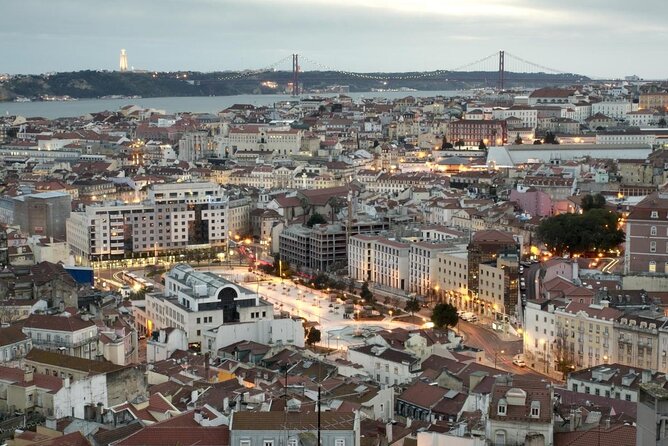
Hillside Lisbon tastes like a local secret. I love how the tour starts at Igreja Paroquial de São Cristóvão e São Lourenço, where everyday food culture meets a real, working church. Then it keeps you moving uphill toward the viewpoints that make Graça so photogenic.
My second favorite part is the finish at Miradouro da Graça, named Sophia de Mello Breyner Andresen, with a chance to take photos and catch the late-afternoon light. You also get a smart snack stop at Jardim da Cerca da Graça, plus a story-focused break at Praca Martim Moniz. The only real drawback to plan for is the moderate uphill walking, so wear shoes you trust.
Key highlights you will feel fast
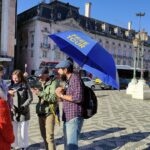
- Max 7-person group means you can actually talk, ask questions, and move at a calm pace
- Free-to-access landmarks include the church, Jardim da Cerca da Graça, Praca Martim Moniz, and Miradouro da Graça
- Two big payoff moments: snack time in the park, then viewpoint photos at Sophia de Mello Breyner Andresen
- Station history stop turns Praca Martim Moniz from background noise into context
- Story-first guides are praised by name, including Kika, Gisela, and Laura
- Food culture on the street level mixes classic Portuguese tasca culture with modern touches, plus wine
Mouraria and Graça: the Lisbon you get when you stop chasing postcards
Lisbon has viewpoints, sure. But Mouraria and Graça are different. They feel like lived-in neighborhoods where food, faith, and street life overlap, especially as you climb the hills.
This is where the city gets practical. You are walking through real streets, stopping at local spots for bites, then using landmarks like a church and a viewpoint to anchor the stories. It’s a strong way to understand Lisbon beyond the main shopping strips.
You can also read our reviews of more tours and experiences in Lisbon.
Price and value: what $150 buys you in real terms
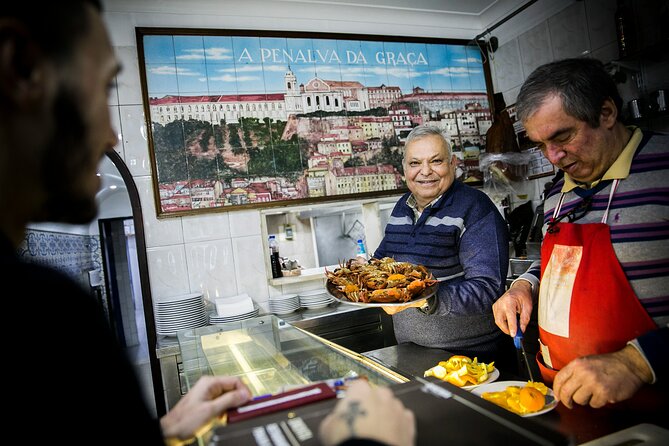
$150 per person for about 5 hours is not cheap, but it does make sense if you treat this as a walking-food plan, not just sightseeing.
Here is what you are really paying for:
- Organized time in a small group (max 7), so tastings are not rushed
- A guided route through Mouraria and Graça that you would likely skip on your own because the streets can be tricky
- Food-focused stops tied to neighborhood history, including the Praca Martim Moniz area
- English-language hosting, plus a guided flow that keeps you from wandering hungry and confused
If you like to leave a trip with full bellies and a better sense of how neighborhoods work, this price can feel fair. If you prefer to roam independently with a loose list of sights, you might feel the cost is higher than your style.
Meeting point, timing, and how to not hate the hills
The tour meets at Largo do Correio Mor, R. de São Mamede, 1100-171 Lisboa, starting at 2:15 pm. It ends in Graça. The meeting spot is near public transportation, which helps if you are already using the metro or a bus for the first part of your day.
This is also a “moderate physical fitness” walk. Translation: you will be on hills. Plan for steady uphill segments, and bring shoes that do not betray you on uneven pavement.
A quick tip: because you are snacking and also likely having drinks, you do not want to be the person who forgot to eat breakfast. Keep your morning light, not empty, so the afternoon tastings land nicely.
Stop 1: Igreja Paroquial de São Cristóvão e São Lourenço and that first bite

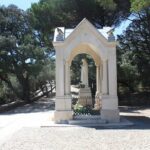
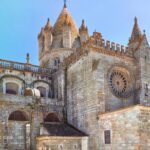
You start with Igreja Paroquial de São Cristóvão e São Lourenço, a beautiful Catholic church where the atmosphere is less touristy and more everyday. It’s a smart opening, because it sets the tone: this route is about neighborhood rhythm, not just views.
The experience here is short, around 45 minutes, and entry is listed as free. That gives you enough time to notice details, settle in, and take that first tasting without the tour feeling like a sprint.
Why this stop matters: churches in Lisbon are not just monuments. They are part of local life, and starting with one helps you connect the food stops later to a place that has been around for a long time.
Practical note: churches are often cooler and calmer than the street. If your camera battery dies fast, this kind of stop can help you slow down, get your bearings, and recharge your attention.
Stop 2: Jardim da Cerca da Graça, snack time with a breather
Next comes Jardim da Cerca da Graça, a park stop built for a pause. Expect about 45 minutes and free access.
This is where you get the tour’s “fuel and reset” moment. After walking through Mouraria’s street maze, a park break is what keeps the afternoon enjoyable instead of just tiring.
Why I like this stop: it gives you a contrast. You are eating and learning, but you are also getting a bit of green space and open sightlines. That makes the rest of the route feel easier, especially as you head toward Miradouro da Graça.
If you have a sensitive stomach, this park snack stop is also a good buffer. You are not jumping straight from one busy street to another; you get a built-in pause.


Stop 3: Praca Martim Moniz, station history you can actually picture
Praca Martim Moniz is a busy hub, and the tour uses that energy for something useful: history. You spend about 1 hour here, with entry listed as free.
The key is that the guide links the station area to how Lisbon moved people and goods over time. Once you know what to listen for, a train station stop stops being just a place to pass through and becomes part of the story of the city.
This is also a good place for an additional bite, because you are not just sightseeing. You are still in “eat-and-walk” mode.
Possible drawback: stations and major intersections can be noisy and crowded. If you are the type who gets overstimulated easily, keep your ears ready for background noise and lean into the guide’s explanations rather than trying to read every sign on the street.
Stop 4: Miradouro da Graça (Sophia de Mello Breyner Andresen) for your final photos
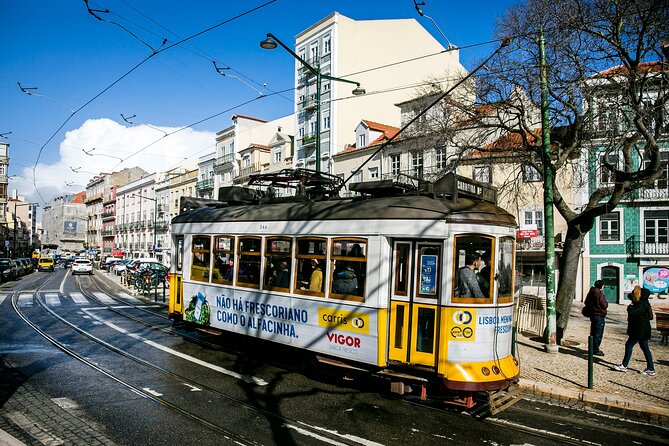
The route ends at Miradouro da Graça, identified with the name Sophia de Mello Breyner Andresen. Plan on about 45 minutes here, again with free admission listed.
This is your big visual payoff: viewpoints are where you see the “why” behind the walking. Lisbon is built on slopes, and Graça gives you angles that make the city look logical instead of chaotic.
In this kind of stop, photos are not an afterthought. You get time set aside for taking pictures, and you are arriving after the tastings and stories, so the view feels earned.
One practical thought: viewpoints can get windy. Bring something light if you run cold, and hold onto your phone like it is your most important passport.
Food culture focus: why this walk feels different from a basic tour
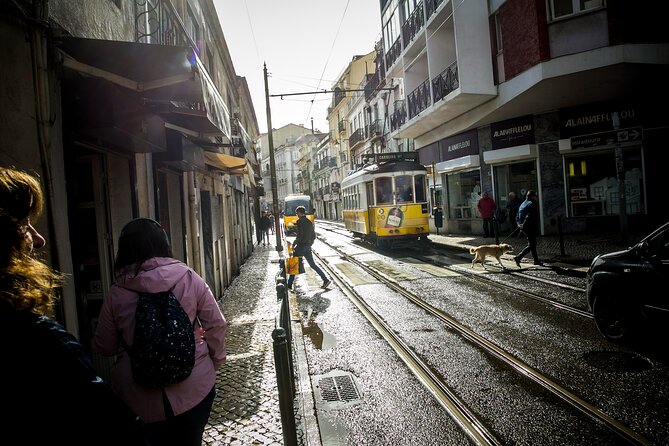
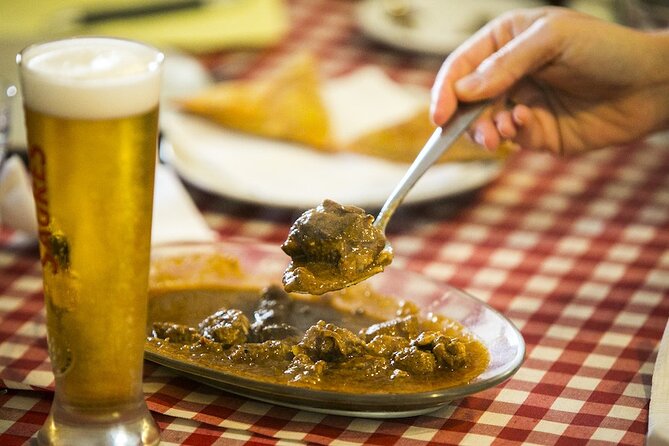
This experience is designed around Lisbon food culture, especially the role of tascas (casual Portuguese eateries) and the way local eating happens in neighborhoods.
What stands out from the guide praise is the balance. The storytelling connects small everyday comfort food with bigger city context. You are not left with random tastes that have no meaning.
You are also not stuck eating the same thing twice. The flow typically includes both traditional and more modern variations of Portuguese flavors, plus wine. That mix keeps the afternoon from going monotonous.
Also pay attention to how the hosting works. Several experiences highlighted that restaurant owners and chefs are welcoming, and dietary needs can be accommodated when you tell the guide. If you have restrictions, say them clearly before the walk starts, so the route can do its job without stress.
Guides that make or break the afternoon: Kika, Gisela, and Laura
This tour’s reputation is heavily tied to the guides. In the feedback, names like Kika, Gisela, and Laura come up for organization, pacing, and storytelling style.
Here’s what that translates to for you on the street:
- You are guided through the labyrinth of narrow lanes with context, not just directions
- Your tastings feel explained, so you can remember what you liked and why
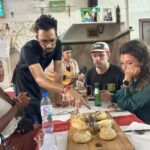
- The group energy stays friendly, helped by a small maximum size
One nice theme is confidence. The hosting style helps you feel comfortable stepping into places that might feel intimidating if you were just wandering alone. That confidence is a real value, because Lisbon tascas are best enjoyed when you feel like you belong.
Where the tour shines, and where you should be honest with yourself
If you love food, small-group walks, and learning through everyday stops, you will probably really enjoy this. It is especially good for Lisbon days when you feel like you have seen enough monuments and want something more grounded.
It is also a strong choice if you want to understand how neighborhoods work. The stops are not random: church, park, station area, viewpoint. Each one supports the idea that Lisbon is a set of layers, not a single photo spot.
The main honest caution is physical. Moderate fitness is required. If you dislike hills or you hate walking on uneven streets, you might not love the uphill grind, even with snack breaks.
Quick planning checklist before you go
- Wear comfortable shoes for uphill walking and uneven pavement
- Plan for a true afternoon of food and drink, not just samples
- If you have dietary restrictions, tell the guide when possible
- Charge your phone before the viewpoint section gets windy
- Bring a light layer for Miradouro conditions
Should you book Hidden Flavors of the Hillside: Mouraria and Graça?
I think you should book this if you want Lisbon food culture with real neighborhood context, in a small group, and you prefer guided stops over making sense of the city on your own. The $150 price feels most justified when you care about the stories behind what you eat and you like walking as part of the meal.
Skip it or consider it carefully if you are extremely view-focused and want minimal walking, or if the idea of moderate uphill streets will ruin your afternoon.
If your perfect Lisbon day looks like tasting, learning, and ending with a viewpoint where the city finally makes sense, this one fits.