
Review · LISBON CITY TOURS
11 Days The Best of Portugal from Lisbon
Portugal, packed into 11 days. This Best of Portugal route strings together big-name stops and smaller towns, with a licensed guide and air-conditioned transport to keep the pace sane. You’ll start in Lisbon, wind your way through medieval walls, UNESCO towns, and Atlantic viewpoints, then finish in the Algarve.
What I like most is how much is handled for you. Entrance fees for major sights and a bed-and-breakfast hotel setup mean you spend less time planning and more time walking. A bonus for comfort, many stays are in well-located, reliable hotel choices (one past guest even praised VIP Grand Lisbon and Aurea Hotel in Fatima).
The main drawback to consider is the schedule. Most days run long with travel between regions, so if you hate being on the move, you’ll feel it.
Quick highlights to know before you go
- A guide who connects the dots from Lisbon’s stories to Porto’s riverfront and the Templars at Tomar
- Major sights covered in advance, including Coimbra University and Sintra’s Palace of Pena
- A real mix of cities and towns, from Obidos walls to Aveiro canals and Evora’s historic streets
- Atlantic viewpoints every direction, with Cabo da Roca, Cabo de São Vicente, and cliff country in Algarve
- Hotel base with breakfast, so mornings start easily and you can focus on sightseeing
Price and Logistics: what you’re really paying for
At $3,849.31 per person for about 11 days, this is not a budget DIY trip. But a big chunk of the cost goes into the things that usually eat up time, sanity, and money: guided touring, air-conditioned group transport, and paid entry to several top attractions. You also get 10 hotel nights with breakfast included, which reduces the need to chase lunch and dinner right away every day.
This tour runs on a shared-basis format with a maximum group size of 49. That matters. You’ll get interpretation and context, but you still have room to break away briefly for photos, bathroom stops, and quick strolls when the timing allows.
The other practical detail is pacing. The day structure is designed around driving time between regions, so you’ll be in transit often. You’ll want to bring comfortable shoes and accept that you are doing “see a lot” travel, not “slow living” travel.
You can also read our reviews of more tours and experiences in Lisbon.


Lisbon start: where you meet and how the trip sets expectations
You begin at the Lisbon meeting point near Avenida Duque de Loule (the Exe Liberdade area), with pickup at Marques de Pombal Square at 8:30. The group is dropped back at Marques de Pombal Square around 18:00. That timing is useful because it anchors your day, even if sightseeing starts early and ends after a full loop of driving and stops.
One more small thing that helps: you get a mobile ticket, which simplifies check-in and access at the start of the program. You’ll still want to keep an eye on where your guide wants you and what time you’re reloading the bus or minivan.
And pack for Portugal’s sun and churches. The tour guidance is clear: bring sun protection, and avoid sleeveless shirts, shorts, short skirts, or skimpy clothing when you visit temples or official buildings. It’s easy to comply, and it helps you avoid awkward wardrobe detours at the door.
Obidos, Alcobaca, and Nazare: medieval walls plus coastal character
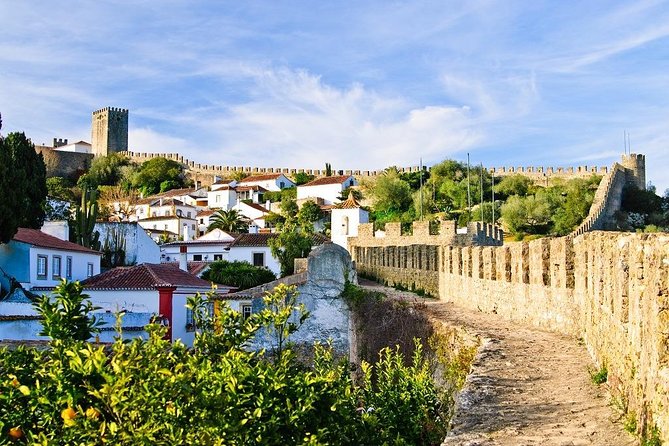
Your first day is all about atmosphere, then a quick sweep through major Portuguese landmarks. You start with a drive past windmills and fruit-tree countryside before reaching Óbidos, a town surrounded by medieval walls. This is the kind of place where wandering is the plan. The streets and shopfronts make it easy to slow down for handicrafts and local treats, especially the famous ginginha cherry liqueur.
Next comes Alcobaça, home to the first and largest Gothic church in Portugal. Beyond the architecture, the church’s tombs add a dramatic layer to your visit, tied to Pedro and Inês de Castro. If you like history that has a human face and a story you can repeat later, this stop delivers.
The day also includes Nazaré, a typical fishing village on the seaside. It’s not just scenic. It gives you a sense of everyday Portugal, where the ocean shapes the town’s rhythm. The downside is time. You’ll see highlights, but you won’t have days to settle in, so plan to move with purpose.
Coimbra and Aveiro: baroque grandeur and canal city charm
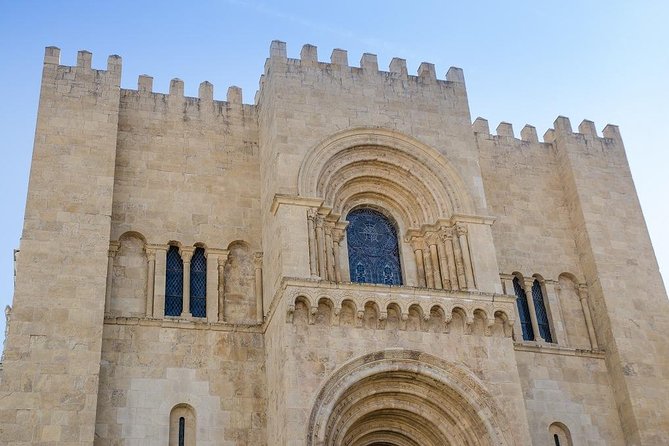
Day two leans into university culture and a very specific kind of old-world Portugal. In Coimbra, you visit the University, known for its historic feel and the baroque library atmosphere. One charming detail you’ll hear on this kind of program is how traditions show up in student dress, including the black student capes. Even if you don’t catch student life firsthand, you’ll understand why Coimbra feels like a living classroom.
You also stop at Santa Clara Church, where you can see the tomb associated with Queen Santa Isabel, linked to the miracle of the roses. Then there’s time for a center-city stroll and the chance to admire Coimbra’s ceramics, which are part of why the town stays visually memorable long after you leave.
In the afternoon, you continue to Aveiro, called the Venice of Portugal because of its canals. If you like taking in a city by walking its edges and watching small boat activity, Aveiro fits. You’ll likely spot the graceful moliceiro vessels and get time for canalside atmosphere.
The consideration here is that this is a lot of cultural stops in one day. You’ll want to pace yourself inside churches, since you may also be doing quick street walks afterward.
Porto and Minho: UNESCO river views and the wine that drives the story
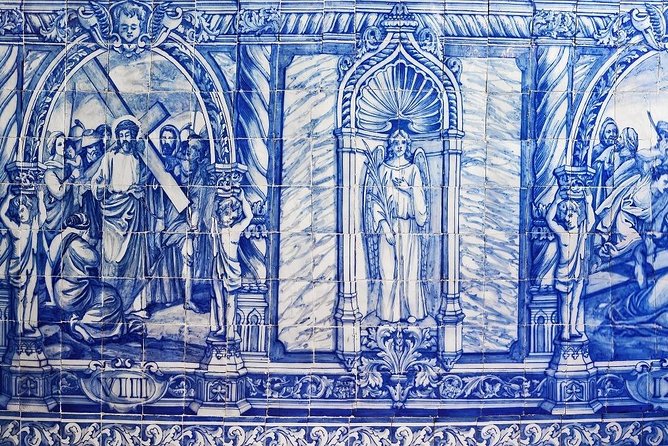
By day three, the trip shifts into the north and Porto, Portugal’s second city and a UNESCO World Heritage site. Porto is one of those places where even your transit windows feel meaningful because the riverfront and historic quarters look like they were designed for slow sightseeing.
You’ll start with a morning visit around the riverside area, with old houses, palaces, and churches. Then comes port wine, which is more than a drink. In Porto, wine is part of the city’s economy and identity, so tasting while you’re surrounded by that context hits differently.
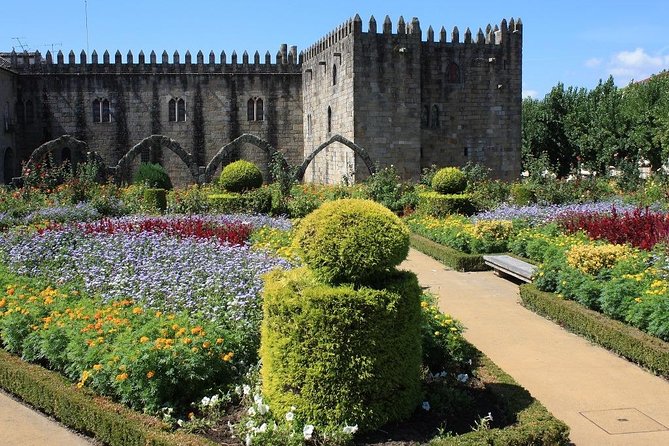
From there, you go into Minho, known for green wine (Vinho Verde) and lush countryside views. You stop in Guimarães, often called the cradle of the nation and birthplace of the first king of Portugal. Touring the Sacred Hill crowned by the castle gives you an easy “why this town matters” moment.
This region works best if you enjoy contrast. You get the urban UNESCO feel of Porto, then you switch to softer countryside energy in Minho. The route also gives you a chance to learn how Portugal’s regional identities form around food and drink, not just monuments.


Oporto area free day: how to use it without losing the plot
After a big Portugal hit, the schedule includes a free day in the Porto area with breakfast at your hotel and the rest left flexible. This is one of the smartest parts of the trip because it gives you a buffer day.
Use it to do one thing well:
- long lunch planning around the areas you liked most
- a second riverfront pass in softer light
- a relaxed museum or neighborhood walk if you’re tired of churches
Because the rest of the itinerary is structured, this day is your chance to adjust to how you feel. Want more pace? You can. Want a break? You can also do that.
Amarante, Vila Real, and Bussaco: love traditions, gardens, and forest air
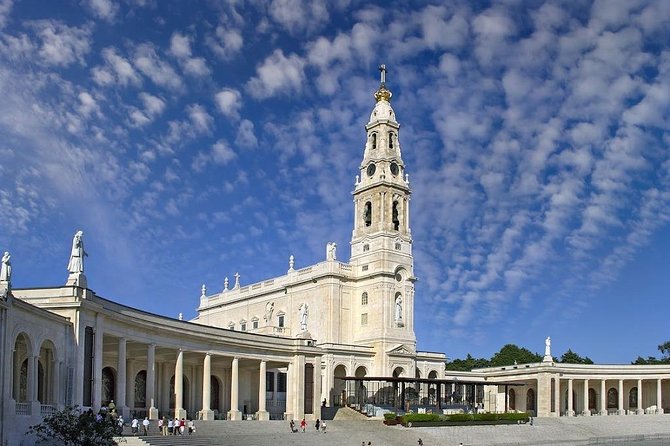
Day five blends towns and estates with a gentle, scenic tone. You start in Amarante, known for its river setting and market energy. You’ll have time for the streets and the bustling market where you can find local products. There’s also a local love tradition tied to St Gonçalo, celebrated on the first Saturday of June. If you’re traveling near that date, it can add color to the town’s atmosphere.
Next comes Vila Real, where the pace shifts toward estates and gardens. You’ll see the gardens at Palace of Mateus, famous for the look of the property and the way the grounds frame the facades. If you like photography and slow walks through well-kept gardens, this stop is a treat.
Then you head to Bussaco, a nature-focused stop with a lush forest hosting rare trees and plants. This is not just pretty scenery. It’s also a break from dense city streets, and it fits the “Portugal has different faces” theme of the tour.
Tomar and the Convent of Christ: where the story gets serious
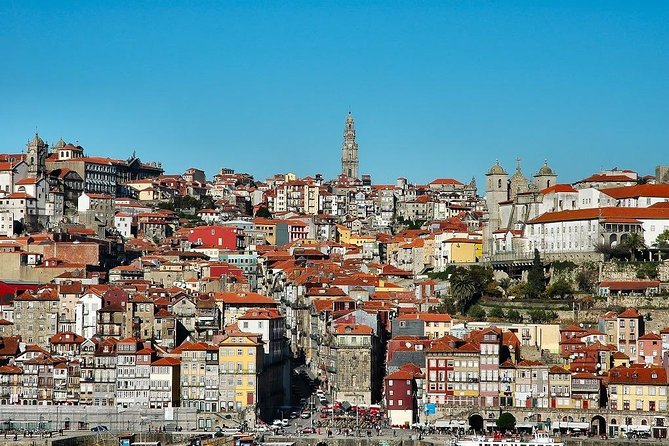
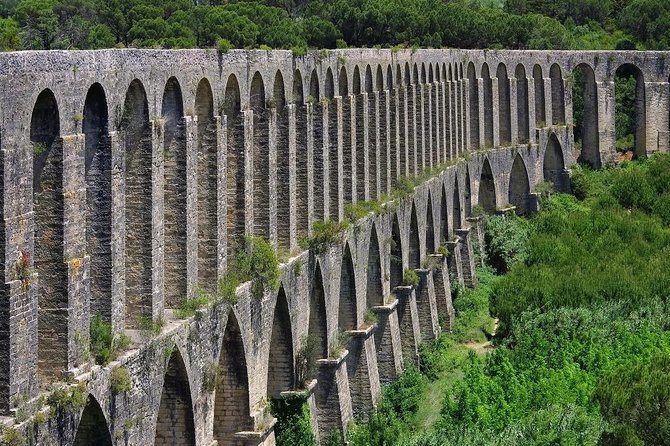
When the tour reaches Tomar, you’re in history territory tied to the Templars. The included time at the Convent of Christ is the key reason. This site helps you understand how power, faith, and architecture traveled across centuries in Portugal.
A stop like this works best if you listen to the guide’s connecting points, but you don’t need to. Even on your own, you can see how the buildings and layout reflect layers of influence. It’s one of the moments where the day-to-day driving turns into something that feels bigger than a photo stop.
And since the Convent is an included entrance, you’ll spend time in the buildings instead of waiting around outside to sort logistics.
Sintra and the Atlantic edge: Pena Palace to Cabo da Roca
Day seven is one of the most intense days for sheer scenery. You go to Sintra, where the Palace of Pena is included. Pena Palace is the kind of place where your first reaction is visual overwhelm, then your second reaction is curiosity about the design and setting. Even if you’ve seen palace photos before, being there makes the scale real.
You then have time to walk Sintra town before heading toward the westernmost point of mainland Europe: Cabo da Roca. This is all about views, and the guide’s context helps you understand why this spot is famous beyond being dramatic.
The route continues along the coast passing one of the most famous surfing beaches, Hell’s Mouth, then Cascais, and Estoril Casino gardens. It’s a good arc because you see both big-attention beach country and more stylish seaside Portugal.
You return to Lisbon area for the night. That return ride is often the quiet moment of the day, when everyone realizes they covered a lot.
Evora: UNESCO time travel and the Chapel of Bones
Evora is where the tour turns toward ancient layers you can actually walk through. You visit the Roman Temple, the Romanesque-Gothic Cathedral, St Francis Church, and the University. The tour also includes the Chapel of Bones, which is exactly the kind of stop that feels memorable even if you don’t love dark tourism.
Evora is a city where narrow streets make you slow down without trying. The local market stop adds another dimension, letting you see products that feed everyday Portuguese cooking. If you plan to eat your way through Portugal, this is a great place to get ideas because you’ll see ingredients and goods before you’re back to restaurants.
One practical tip: this is not a place for heavy bags. Keep things light so you can move through the old streets comfortably.
Algarve inland to coast: Beja tower, Silves castle, and orange fields
The move from Evora toward the Algarve begins with countryside driving. You pass olive trees, cork oak, and vineyards, then reach Evora again in your rear-view as the route opens up into more sun and space.
Along the way, there’s a stop in Beja to admire the highest tower in a Portuguese medieval castle. It’s a quick stop with a strong visual payoff because the tower dominates the town.
Then you reach the Algarve region with orange tree fields and stops tied to both Moorish and fishing traditions. You see Silves, known for its red sandstone castle dating back to Moorish times. This stop is different from Evora because it’s less about slow wandering through medieval religious sites and more about getting your bearings in the region’s layered past.
After Silves, you continue to Lagos for your stay. This matters because Lagos puts you closer to the coastal highlights later.
Ponta da Piedade, Sagres, Cabo de São Vicente, and Lagos food energy
Day ten focuses on coastline drama and navigation history. You visit Ponta da Piedade, where the cliffs and sea views are sculpted by ocean action. It’s one of those places where you feel the scale once you’re standing there, looking at the rock formations and hearing the ocean nearby.
Next comes Sagres, a fishing port with a fortress linked to the mythical navigation school associated with Prince Henry the Navigator. If you’re into maritime history, this is where Portugal makes sense as a seafaring nation. You’re not just visiting a pretty town, you’re seeing how ambition and geography connect.
Then you drive to Cabo de São Vicente, the most south-western point in mainland Europe. This is raw coastline and strong light, so sun protection pays off.
The day ends back in Lagos, a cosmopolitan town with a marina and fishing port. It’s also a good place to eat well because Algarve cooking is built on seafood, citrus, and simple flavors that hit after days of sightseeing.
Back to Lisbon via Setubal, Arrabida, and Troia Peninsula viewpoints
The final day keeps the scenery moving even as your trip winds down. You leave the Algarve after breakfast and drive through Setúbal, a port and industrial center on the north bank of the Sado estuary.
Then you cross into views from the Arrabida Mountain Range and the Natural Park area. You get a look at Troia Peninsula from the bridge crossing back toward Lisbon. This makes a tidy wrap-up because you end with coastline country rather than another museum-heavy day.
You’re dropped at Marques de Pombal Square, so you’re back in the city with time to orient yourself for your onward travel.
Hotels, comfort, and what the breakfast plan changes
This tour is built around bed-and-breakfast lodging for 10 nights. That’s a quality-of-life upgrade because Portugal days often involve late starts and long walks. Having breakfast included gives you a predictable morning routine, especially on driving-heavy days.
The specific hotel names mentioned across the trip include places like Hotel Vila Galé Porto, SANA Malhoa Hotel, Hotel Vila Galé Évora, and Hotel Vila Galé Lagos. One review also highlighted stronger hotel experiences in Lisbon and Fatima, with VIP Grand Lisbon noted as 5 stars and Aurea Hotel in Fatima as 4 stars. In practical terms, that means you’re likely to get a comfortable base and not just the cheapest rooms possible.
AC transport is also part of the comfort value. Portugal can get hot, and being able to relax in the ride makes the long days feel more manageable.
Who this tour fits best (and who should rethink it)
I think this tour fits best if you want structure. If you like road-trip days where you see multiple regions, plus you appreciate a guide to explain what you’re looking at, you’ll be in your element.
It also suits solo travelers who want social energy without planning every detail. The group format is shared, and with up to 49 people, you’ll still find room to breathe compared to tiny private tours that can feel too controlled.
You might rethink if:
- you prefer lots of free time in one city rather than short stops everywhere
- you hate long driving days
- you want to control your schedule down to the hour
Also consider mobility and stamina. Many stops involve walking in old-town streets and climbing inside complexes. Comfortable shoes are not optional.
Final verdict: should you book The Best of Portugal from Lisbon?
If you want a Portugal sampler with real standouts, this is a strong pick. The big reason is the value mix: a licensed guide, air-conditioned group transport, 10 nights with breakfast, and entrance fees for major sights like Coimbra University and the Palace of Pena. You’re paying for convenience, context, and fewer planning headaches.
I’d book it if your travel style is “see a lot, understand why it matters, then enjoy the highlights.” I’d hesitate if you want a slow pace and deep downtime every day.
If you do book, go in with one mindset: use your evenings to recover, and use your mornings to move fast through the places that look like a postcard, then stop for the smaller streets where you can breathe. That balance is where this trip feels most satisfying.
FAQ
How long is the tour?
The tour is 11 days, starting in Lisbon and ending with a return drive back to Lisbon after the Algarve.
What is the price per person?
The price shown is $3,849.31 per person.
Is pickup included, and where does the tour start?
Yes, pickup is offered. The tour pickup is at Marques de Pombal Square in Lisbon at 8:30. The meeting point is also listed near Exe Liberdade on Avenida Duque de Loule 124.
Are entrance fees included?
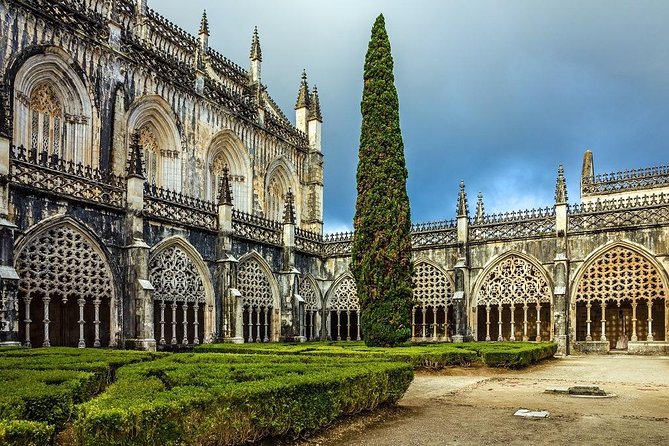
Yes. Entrance fees and activities mentioned as included cover sights such as Coimbra University and Batalha Monastery, plus several major churches and monuments across Porto, Sintra, Tomar, Evora, and Sagres.
Are meals included besides breakfast?
Breakfast is included for 10 mornings. Meals beyond what is stated as included are not included, including drinks during meals.
What group size should I expect?
The tour has a maximum group size of 49 travelers.
More Tour Reviews in Lisbon
Not for you? Here's more nearby things to do in Lisbon we have reviewed








Lisbon City Tours, side by side.
 ★ 5.0Lisbon City Center Tour – The Unmissable LisbonTickets from $322,234 traveller reviews
 ★ 4.7Sintra, Pena, Regaleira, Cabo da Roca & CascaisTickets from $2319,656 traveller reviews
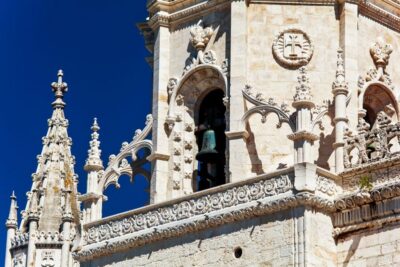 ★ 4.1Jerónimos Monastery Entrance TicketTickets from $2114,164 traveller reviews
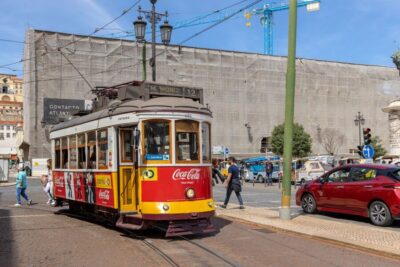 ★ 4.8History, Stories and Lifestyle Walking TourTickets from $2910,902 traveller reviews
 ★ 4.5Sunset Boat Party Cruise with DJ and Open BarTickets from $2710,378 traveller reviews
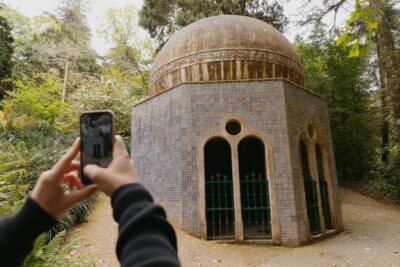 ★ 4.7Pena Palace, Sintra, Cabo da Roca, & Cascais DaytripTickets from $919,981 traveller reviews
 ★ 4.6Oceanário de Lisboa Entrance TicketTickets from $299,943 traveller reviews
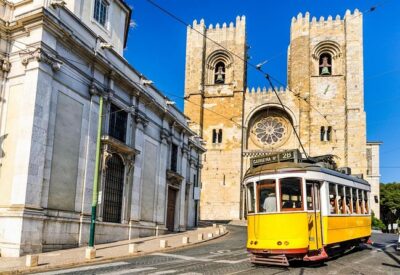 ★ 5.0True 4Hour Private Tuk Tuk Tour: Discover Lisbon with a Local!Tickets from $1088,008 traveller reviews