
Review · CASCAIS & ESTORIL DAY TRIPS
Walk Tour in Historical Cascais
Cascais history shows up fast on foot. This 2-hour walk through central Cascais is a practical way to connect the town’s landmarks with real stories, starting at the Cascais Visitor Center.
I especially like the small group size, usually capped around 15 to keep things moving and personal. You choose a morning or afternoon time, so you can fit the walk into your day without a full-schedule commitment.
The main thing to consider is that it is still a coast-and-old-streets walk, so bring moderate fitness expectations. And if the sea is calm, Boca do Inferno can feel less dramatic than you might hope.
Key highlights you should care about
- Meet at Cascais Visitor Center at Praça 5 de Outubro, so the tour starts organized, not guesswork
- A tight 2-hour route that hits the key old-town sights without eating your whole day
- Dom Pedro and Dom Luis on the square gives you quick context for the town’s identity
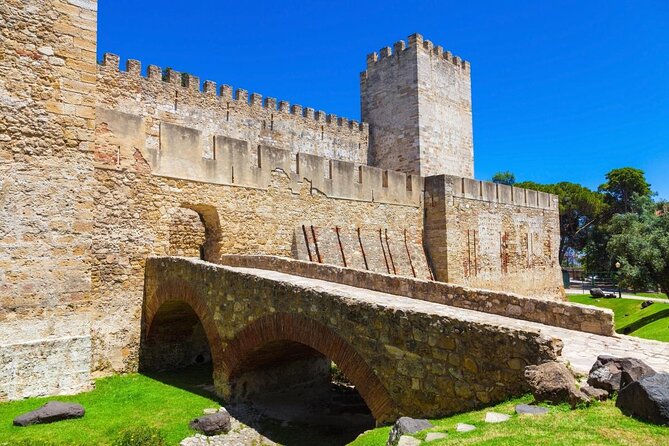
- Citadel history plus narrow fortified streets helps you understand what you are actually seeing
- Marina de Cascais and coastal viewpoints show how Cascais shifted from defense to leisure
- Santa Marta lighthouse and House of Santa Maria from outside keeps the pacing easy while still adding variety
A 2-Hour Historical Walk Through Cascais’ Best Stops
If your Portugal trip includes Cascais, you will see it from the water, from the beaches, and from the main promenades. This walk adds something else: the town explained in the places where the story happened. That is the magic of a good guide route. You stop, look, and suddenly the buildings make sense.
This is a group tour with a cap that keeps it intimate. In plain terms, you are not dodging a hundred people in narrow lanes. With a limit around 15 (sometimes described as up to 20), you still get personal attention when you ask a question about what you are seeing.
Expect about 2 hours on your feet. That timeframe matters. It is long enough for real connections between sights, but short enough that you can still keep plans for lunch, the beach, or a second round of exploring afterward.
You can also read our reviews of more walking tours in Cascais

Meeting at Cascais Visitor Center, Then Getting Your Bearings
You start at the Cascais Visitor Center on Praça 5 de Outubro, 2750-320 Cascais. The benefit is simple: it is a clear meeting point in the center of town. You do not need to hunt down a random side street, and it helps you get oriented right away.
The location is also close to public transport. That is useful if you are coming from Lisbon, arriving by train, or mixing this walk with other Cascais stops. I like tours that reduce friction at the beginning, because it sets the tone for the whole day.
You will also get a mobile ticket. That means less rummaging through paperwork. Confirmation comes at booking, and from there you just show up and walk.
Old Town First: Town Hall Square, Dom Pedro, and Dom Luis
The first stop is the town hall and the square in front with statues of Dom Pedro and Dom Luis. This kind of start may not look exciting on paper, but it does something important. It gives you the who and why behind Cascais’ civic identity before you wander into the older layers.
Dom Pedro and Dom Luis are not just decorative. They point you toward the town’s historical connections and leadership, which then makes later sights feel less random. When you reach the old fortified parts of town, you will already have context for why Cascais mattered.
If you enjoy travel by noticing details, this start works well. You can read the square, understand how the town presents itself today, then walk toward the older bones of the place.
Baía de Cascais and the Old Houses Around the Bay
Next, you shift from civic square energy to water energy, heading toward Baía de Cascais. You will see the bay and viewpoints around it, along with the older homes that relate to the coastline.
Why this stop is valuable: it connects Cascais’ daily life to its geography. When a town is built along a bay, the sea is not just scenery. It shapes where people built, how they moved, and what they protected.
Also, this is where the pace starts to feel like a real walking tour. You look out toward the water, then look back toward the town. That back-and-forth makes you understand why the town feels the way it does.
If you like photos, this part gives you good framing opportunities, because the bay naturally pulls your eye outward. Just remember, the best light shifts fast in coastal towns, so if you can, aim to bring your camera up rather than waiting for the perfect moment.
The Fortified Wall and Narrow Streets of Old Cascais
After the bay, you get into the older town logic: the wall of the old fortified town and the narrow, typical roads of Cascais. This is the part where walking becomes more than sightseeing.
Fortified walls are one of those features that you can easily ignore if you only glance at them. On a guided walk, you learn what the wall is telling you about defense, movement, and layout. You start to see how buildings and streets fit into a protective system, not just a random maze.
The narrow streets also do something practical. They create a slower feel. Even if the tour keeps a steady pace, the street size makes you slow down naturally. That matters because you need time to notice details like street turns, building textures, and the way views open and close.
A quick consideration: cobblestones and uneven surfaces can be part of older coastal neighborhoods. You are not hiking mountains, but your feet will still appreciate good walking shoes.
You can also read our reviews of more historical tours in Cascais

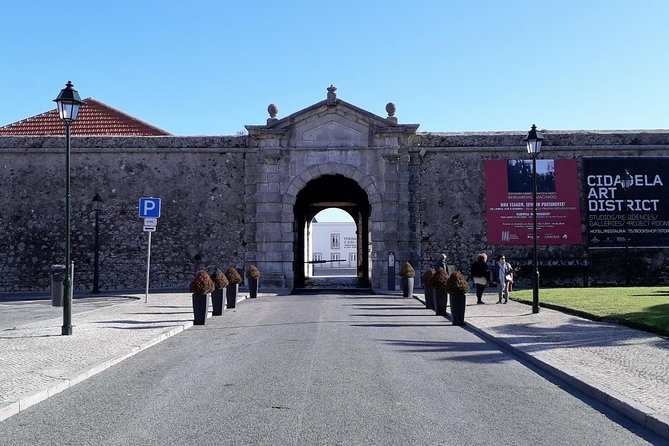
Citadel Stop: History You Can Actually See
The tour then moves to the citadel, where you learn its history. This stop is a turning point. Before this, you have context from the square, and visual orientation from the bay and fortified streets. At the citadel, the story gets more focused.
A citadel is not just an impressive structure. It is a clue to what the town had to handle and protect. When a guide points out how the citadel functioned, you stop treating it like a backdrop and start reading it as a system.
This is also where you might notice how views change. Citadels often give elevated lines of sight, and even if you do not get a long break to linger, the walk helps you understand why people would build and hold ground here.
If you like historical context that stays connected to the physical place, this is one of the best segments.
Marina de Cascais: From Defense to Everyday Life
Next up is a stroll through Marina de Cascais. This part matters because it shows the other side of Cascais. You go from fortified, practical history to a leisure-facing waterfront.
A marina is an easy place to enjoy without getting lost in details. But on this walk, you see it with context. You understand how a coastal town can shift over time from defense and survival to recreation and visiting.
This is also a good change of pace. The marina environment tends to feel more open and less enclosed than the narrow old streets. If you have been walking on tight lanes, this acts like a reset for your legs and your eyes.
Santa Marta Lighthouse and House of Santa Maria, Viewed From Outside
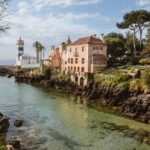
The tour then includes seeing the Santa Marta lighthouse and the House of Santa Maria from outside. You do not go inside, but you do get the value of being in the right location and learning what these landmarks represent.
Lighthouses are easy to romanticize, but they also tell a practical story: guiding ships and managing danger along the coast. Seeing the lighthouse as part of a guided route helps you connect it to the surrounding coastline, instead of treating it as a lone photo target.
The House of Santa Maria from outside adds another layer of interest. You get a sense of how notable buildings contribute to Cascais’ identity, even without stepping into them.
If you prefer your sightseeing with minimal waiting and a clean route, these outside-view stops are a nice balance. They add variety without turning your walk into a half-day of lines and detours.
Boca do Inferno and the Park Walk: When the Coast Performs
Then you reach Boca do Inferno. This is one of the most famous stops in Cascais, and it makes sense that the walk includes it. It is a spot where coastal geology and drama meet.
Now, here is the honest consideration. Boca do Inferno can look different depending on conditions. If the ocean is calm, the spectacle can feel quieter. If the water is active, it can feel more powerful.
For that reason, I suggest treating this stop as viewpoint time, not as a guaranteed show. You will still get the shape of the coastline, the feeling of the cliff edges, and the reason people remember this place.
After that, you continue through the park area, still walking and still moving through the coastal edge. The park portion helps break up the intensity of cliff viewing and gives your legs a change in terrain rhythm.
If you are sensitive to longer walking stretches, this is the one point where you might want to plan ahead in your day. It is a common place where the walk can feel longer than you expect, especially if you were hoping for a lighter finish.
Price and Value: Why $30.10 Works for a Short, Focused Day
Let’s talk money in a real way. At $30.10 per person, this is not a huge splurge, and it is not a bargain-of-the-century either. The value comes from what you get for the time: a guided route that connects multiple locations you likely would not string together as well on your own.
You pay for three things:
- Route planning in a compact 2-hour format
- Interpretation, with a guide telling you what you are looking at, including strong historical context
- Efficiency, because you end back at the starting meeting point, so you are not stuck trying to navigate your way out
On top of that, the guide is part of the value. In this experience, you get a level of storytelling that people consistently praise. You also often receive practical extras, like suggestions for places to eat. When a guide offers a restaurant recommendation, that can genuinely improve your day, because lunch in a tourist town can be hit-or-miss without local input.
So if you want a quick way to understand Cascais beyond the beach, this price is easy to justify. If you already know Cascais inside out or you only want free roaming, you might not need it.
What to Wear and Expect From the Walking Pace
This is described as requiring moderate physical fitness. Translation: you can handle a couple of hours of walking, but you should not assume it is a gentle stroll with frequent sitting breaks.
Wear comfortable shoes with decent grip. Coastal old towns can mean uneven ground and changes in surface texture. Even if it is not a strenuous hike, your feet will do the work.
Weather matters too. The experience requires good weather, and if conditions are poor, you will be offered a different date or a full refund. That is a key detail for timing, because you are walking outside for most of the tour.
Finally, plan for a morning or afternoon start. Morning is nice when streets are calmer and the light is often friendlier for photos. Afternoon can work just as well, especially if you want to roll into lunch afterward.
Who This Tour Is For (and Who Might Skip It)
I think this walk is ideal for you if you want:
- a short guided introduction to Cascais
- history that is tied to the actual streets, walls, and landmarks
- a route that keeps you moving but not rushed
- a small group atmosphere, not a crowded bus vibe
It is also a good fit if you are visiting for the first time and want your bearings quickly. Starting at the Visitor Center helps, and the order of stops makes sense for gradually expanding your understanding.
Consider skipping or swapping for a lighter option if:
- you are not comfortable with a steady two-hour walk
- you are hoping for a mostly indoor, mostly seated tour
- you are very sensitive to longer stretches toward coastal viewpoints like Boca do Inferno
If you are a history buff, you will probably enjoy the citadel and fortified wall parts the most. If you just want views, the marina and lighthouse segments will likely hit the sweet spot.
FAQ
Where does the walk tour in Cascais start?
The meeting point is the Cascais Visitor Center at Praça 5 de Outubro, 2750-320 Cascais, Portugal.
How long is the walking tour?
The duration is about 2 hours.
How much does the walk cost?
The price is $30.10 per person.
What language is the tour offered in?
The tour is offered in English.
Is it a small group?
Yes. The tour is a group experience with a maximum of 15 travelers, and it is also described as a group of max 20.
What should I be ready for physically?
You should have moderate physical fitness for this walking tour.
Is free cancellation available?
Yes. You can cancel for a full refund up to 24 hours in advance. The experience also requires good weather, and if it is canceled due to poor weather, you will be offered a different date or a full refund.
Should You Book This Historical Cascais Walk Tour?
Book it if you want the quickest path to understanding Cascais beyond the shoreline, and you like walking routes with a guide who can explain why each place matters. The 2-hour timing is especially practical, and the small-group format makes it feel more personal than a big sightseeing shuffle.
Skip it if you only want a beach day with minimal walking, or if you strongly prefer independent exploring with no guided context. Otherwise, this is a solid choice for a first look at Cascais, with the kind of stops that help you remember the town, not just the photos.
More Walking Tours in Cascais
More Tours in Cascais





More Tour Reviews in Cascais





Not for you? Here's more nearby things to do in Cascais we have reviewed










Cascais & Estoril Day Trips, side by side.
 ★ 4.7Sintra, Pena, Regaleira, Cabo da Roca & CascaisTickets from $2319,656 traveller reviews
 ★ 4.7Pena Palace, Sintra, Cabo da Roca, & Cascais DaytripTickets from $919,981 traveller reviews
 ★ 5.0Sintra and Cascais Small-Group Day Trip from LisbonTickets from $607,018 traveller reviews
 ★ 4.8Sintra, Pena, Cabo da Roca, Cascais Tour with PickupTickets from $575,080 traveller reviews
 ★ 5.0Small Group Tour to Sintra, Pena Palace, Cabo Roca and CascaisTickets from $673,559 traveller reviews
 ★ 4.9Sintra, Pena Palace, Cabo da Roca, & Cascais TourTickets from $563,509 traveller reviews
 ★ 4.8Sintra, Pena, Cabo da Roca Coast & Cascais Day TourTickets from $413,124 traveller reviews
 ★ 5.0Sintra to Cascais: 2 Palaces, 4 Sites, Small Group 10 Hour TourTickets from $1203,105 traveller reviews
More useful lists for this tour